
Festivals and Celebrations: How the Moche Honored Their Gods

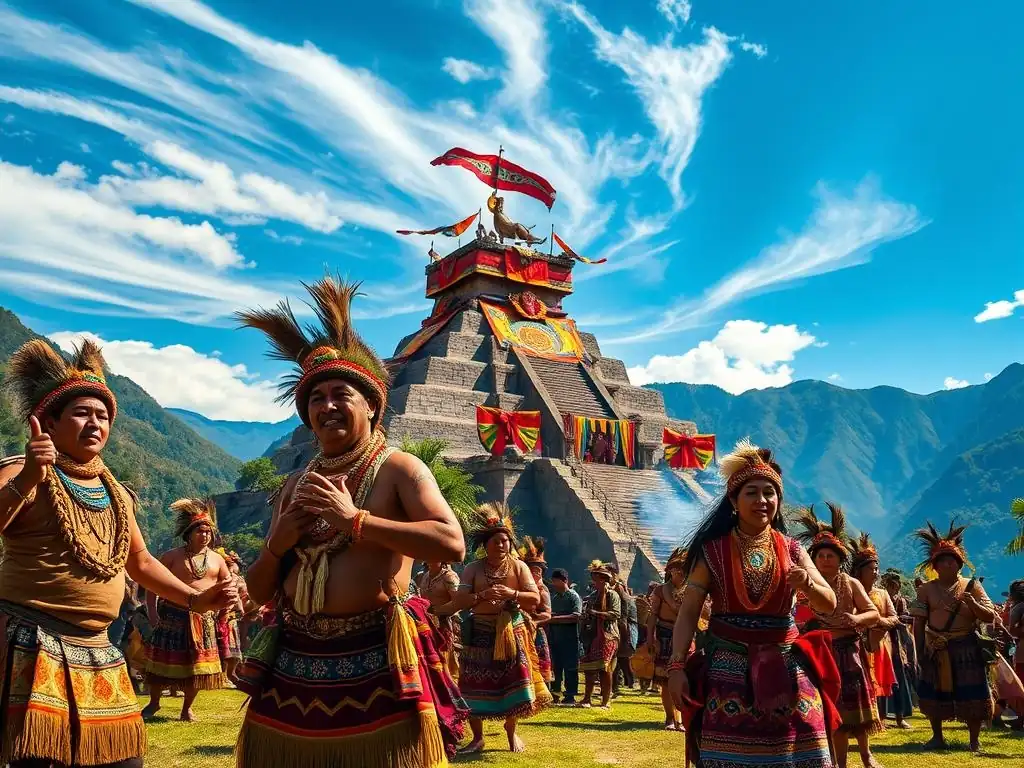
Welcome to Indigenous Civilizations of the Americas, where we embark on a remarkable journey through the vibrant cultures that flourished across this vast continent long before European contact. Here, you’ll discover the rich tapestry of achievements and traditions that defined indigenous societies, with a special focus on the captivating world of Moche festivals and celebrations. What drove the Moche to honor their gods in such elaborate ways? Dive into our featured article to uncover the significance of these festivities and how they reflect the profound connection between spirituality and daily life in Moche civilization. Your exploration begins now!
- Introduction to Moche Festivals and Celebrations
- The Role of Religion in Moche Festivals
- Major Moche Festivals and Their Significance
- Artistic Expressions in Moche Celebrations
- The Influence of Moche Festivals on Contemporary Culture
- Conclusion
- Frequently Asked Questions
- Final Reflection: The Enduring Legacy of Moche Festivals and Celebrations
- Embrace the Spirit of Celebration!
Introduction to Moche Festivals and Celebrations
The Moche civilization, which thrived along the northern coast of present-day Peru from approximately 100 AD to 800 AD, is renowned for its rich cultural heritage and intricate societal structures. Among the many facets of Moche life, their festivals and celebrations stand out as pivotal expressions of their religious beliefs, social hierarchy, and artistic achievements.
These events were not merely occasions for community gathering; they played a crucial role in honoring their deities, marking agricultural cycles, and reinforcing social bonds. This article delves into the fascinating world of Moche festivals and celebrations, exploring their significance and the ways in which they reflected the values and beliefs of this remarkable civilization.
Overview of Moche Civilization
The Moche civilization is characterized by its sophisticated irrigation systems, monumental architecture, and vibrant artistic traditions. Flourishing in a region with diverse ecological zones, the Moche people developed advanced agricultural practices that allowed them to cultivate crops such as maize, beans, and squash. Socially, the Moche were organized into a complex hierarchy, with powerful rulers and priestly classes who governed their communities and conducted religious rituals.
Key features of Moche civilization include:
- Architecture: Notable structures like the Huaca del Sol and Huaca de la Luna, which served as ceremonial centers.
- Art: Intricate pottery, metalwork, and textiles that depicted both everyday life and mythological themes.
- Religion: A polytheistic belief system centered around deities associated with nature, fertility, and the afterlife.
The Moche civilization's achievements laid a foundation for future Andean cultures, and their legacy is evident in the rich tapestry of indigenous traditions that continue to flourish in the region today.
Importance of Festivals in Moche Society
Festivals in Moche society were integral to both spiritual and social life, serving as vital expressions of their cultural identity. These celebrations were often linked to agricultural cycles, such as planting and harvest times, and involved elaborate rituals designed to appease the gods and ensure bountiful crops. The festivals were marked by a variety of activities, including:
- Ritual Offerings: The Moche performed sacrifices, often involving the offering of llamas, food, and other valuable items to their deities.
- Ceremonial Processions: These events often featured elaborate costumes and music, showcasing the artistic talents of the Moche people.
- Community Gatherings: Festivals provided an opportunity for communal bonding, reinforcing social ties among the Moche and their leaders.
The significance of these festivals extended beyond mere celebration; they reinforced the Moche's connection to their gods and the natural world, fostering a sense of shared identity and purpose within their society. Through these vibrant expressions of culture, the Moche people not only honored their deities but also ensured the continuity of their rich traditions for generations to come.
The Role of Religion in Moche Festivals
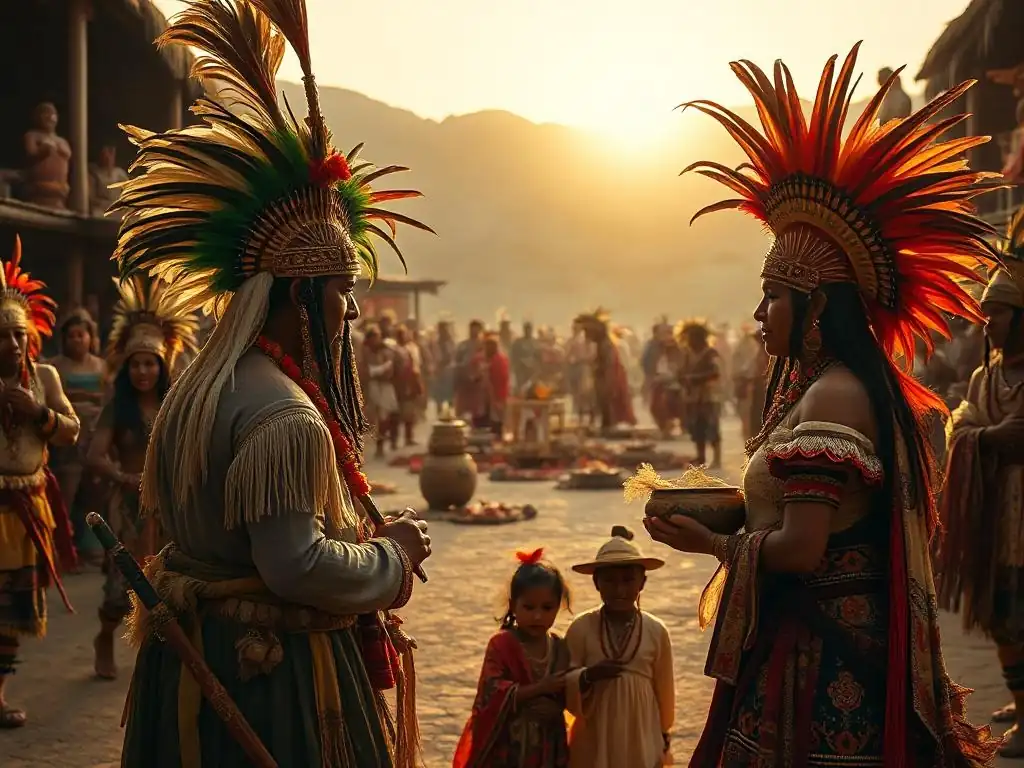
The Moche civilization, known for its rich cultural and artistic heritage, deeply intertwined its festivals and celebrations with religious beliefs. Religion served not just as a belief system but as a framework for understanding the world, shaping the Moche's identity and societal structure. The Moche pantheon was vast, consisting of various gods and goddesses, each representing different aspects of life, nature, and the cosmos. These deities were central figures in their festivals, which were elaborate events that not only honored the gods but also reinforced community bonds and cultural identity.
Moche festivals were often timed according to agricultural cycles, ensuring that celebrations coincided with critical moments such as planting, harvesting, and other seasonal changes. These events allowed the community to collectively express gratitude and seek favor from the gods, reflecting a harmonious relationship between humans and the divine. Each festival had its own significance and was characterized by distinct rituals, music, dance, and offerings. The vibrant ceremonial life of the Moche not only showcased their religious fervor but also their advanced social organization and artistic skills.
Connection Between Moche Deities and Celebrations
The Moche gods were integral to their festivals, with each deity associated with specific natural elements, agricultural practices, and societal roles. For example, the god Ai Apaec, often depicted as a powerful figure with feline features, was a central deity representing the forces of nature, agriculture, and warfare. His influence was particularly felt during harvest festivals, where communities gathered to celebrate the bountiful crops and seek blessings for future yields.
Key Deities and Their Associated Festivals:
- Ai Apaec: Celebrated during the harvest festival, where offerings of food and textiles were made to ensure a prosperous season.
- Pachamama: The Earth Mother, honored during rituals that involved offerings of chicha (fermented corn beverage) and the burying of goods in the earth, symbolizing gratitude and a request for continued fertility.
- The Moon Goddess: Her lunar cycles dictated certain festivals, particularly those related to the agricultural calendar, where ceremonies were held to honor her influence on crop growth.
Each festival was marked by specific rituals that celebrated the unique attributes of the deities, emphasizing the Moche's deep respect for the natural world and their understanding of its cycles.
Rituals and Offerings to Honor the Gods
Rituals played a crucial role in Moche festivals, often involving intricate ceremonial practices aimed at honoring their deities. These rituals included music, dance, and the performance of theatrical reenactments that depicted myths and stories of the gods. Such performances were not only entertaining but also educational, passing on cultural narratives and religious beliefs to younger generations.
Types of Rituals:
- Processions: Participants would dress as deities or symbolic figures, parading through the community to invoke divine presence and blessings.
- Sacrificial Offerings: The Moche practiced ritual sacrifices, which could involve animals or even humans, to appease the gods. These acts were seen as necessary for maintaining balance and ensuring prosperity.
- Ceremonial Feasting: Food played a significant role in rituals, with communal feasts held to celebrate and share the bounty received from the gods. This practice fostered community solidarity and showcased the agricultural prowess of the Moche.
Offerings Included:
| Type of Offering | Description |
|---|---|
| Food | Maize, potatoes, and fish were common offerings, symbolizing sustenance and gratitude. |
| Textiles | Elaborate textiles were crafted and presented as gifts to the gods, showcasing skill and devotion. |
| Ceramic Vessels | Decorated pots and figurines often included in burials, believed to accompany the deceased in the afterlife. |
Through these rituals and offerings, the Moche not only sought to honor their deities but also reinforced their cultural identity and community cohesion. The festivals were a reminder of their connection to the divine and the importance of maintaining a respectful relationship with the natural world.
Major Moche Festivals and Their Significance
The Festival of the Moon
Description and Activities
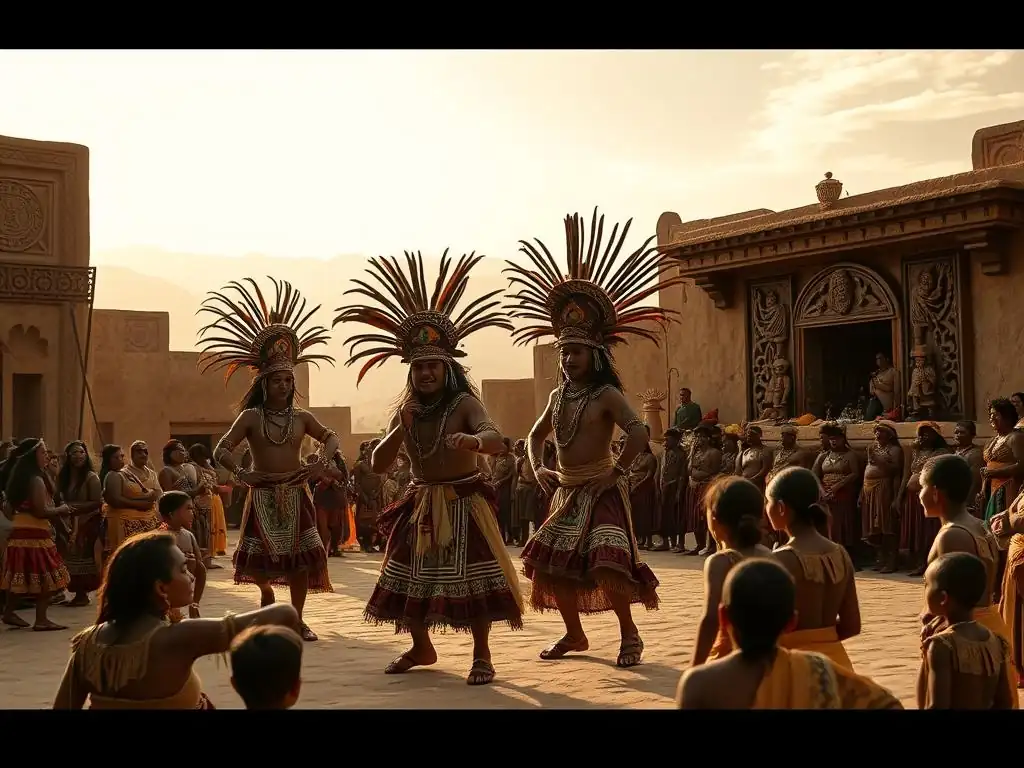
The Festival of the Moon, known as Siklla, was one of the most important celebrations for the Moche civilization. This festival typically occurred during the lunar cycle, coinciding with the full moon, and lasted several days. Activities during this festival included elaborate ceremonies, vibrant processions, and communal feasting.
The Moche constructed large ceremonial platforms, adorned with intricate carvings and pottery, to host these festivities. Participants wore traditional clothing, often embellished with colorful textiles, and engaged in dance and music that celebrated their rich cultural heritage. Rituals also included offerings of food, textiles, and even sacrifices to honor the moon goddess, reflecting their deep spiritual connection to celestial bodies.
Deities Involved
Central to the Festival of the Moon is the worship of the moon goddess, Mama Quilla. She was revered as a vital deity responsible for fertility, agriculture, and the cycles of life, embodying the nurturing aspects of femininity. The Moche believed that honoring Mama Quilla through this festival ensured her blessings for successful harvests and the well-being of the community.
Additionally, other deities were acknowledged during the festivities, such as Pachamama, the earth goddess, highlighting the interconnectedness of nature and spirituality in Moche beliefs. The duality of these deities—representing both the moon and the earth—ensured a balance within their agricultural practices and societal structure.
The Sun Festival
Key Rituals and Ceremonies
The Sun Festival, known as Inti Raymi, was another crucial event in the Moche calendar, occurring during the winter solstice. This festival was dedicated to Inti, the sun god, and involved a series of elaborate rituals aimed at ensuring the sun's return and its vital role in agriculture.
Key rituals included the construction of ceremonial altars where offerings of food, textiles, and even llamas were made to appease Inti. The Moche also performed symbolic re-enactments of agricultural cycles, emphasizing the importance of the sun to their survival and prosperity. Music, dance, and theatrical performances portraying mythological tales were integral to the celebrations, creating a vibrant atmosphere filled with cultural expression.
Cultural Importance
The Sun Festival held profound cultural significance for the Moche people, as it reinforced their relationship with the natural world and their deities. It served not only as a means of religious expression but also as a unifying event for the community, bringing together different social groups to celebrate their shared identity and beliefs.
Through the rituals performed during this festival, the Moche reinforced their agricultural practices, ensuring a successful growing season. The celebration of the sun god was a reminder of the cyclical nature of life, illustrating the Moche's understanding of the interconnectedness of all living things and their dependence on the natural elements. This festival, along with the Festival of the Moon, exemplified the Moche's intricate belief system and their commitment to honoring the forces that shaped their existence.
Harvest Festivals
The Moche civilization, known for its intricate pottery, monumental architecture, and advanced agricultural practices, celebrated a variety of harvest festivals that played a crucial role in their societal structure and religious life. These festivals were not merely times of celebration but were deeply intertwined with their agricultural calendar, reflecting the Moche people's reliance on the land and their reverence for the deities associated with fertility and abundance.
The timing of these festivals coincided with the harvest cycles, particularly for staple crops such as maize, beans, and squash. The Moche believed that their gods directly influenced crop yields, and thus, these festivals served as a form of thanksgiving and a plea for continued blessings in future harvests. During these celebrations, communities would come together to honor the deities, reaffirm their cultural identity, and strengthen their social bonds.
Celebration of Agricultural Abundance
The celebration of agricultural abundance was marked by vibrant rituals and practices that showcased the Moche's gratitude for the earth's bounty. One of the most significant aspects of these festivals was the offering of food and drink to the gods. Elaborate altars were constructed, adorned with the finest produce, textiles, and sometimes even animal sacrifices. These offerings were believed to not only please the gods but also to ensure a prosperous harvest in the coming year.
Festivities often included music, dance, and communal feasting, where members of the community came together to share meals made from the freshly harvested crops. The Moche utilized various artistic expressions during these celebrations, including intricate pottery and textiles that depicted scenes of agricultural life and their pantheon of gods. This artistic representation served as a reminder of their connection to the land and the importance of nurturing both their crops and their spiritual beliefs.
Community Involvement
Community involvement was a cornerstone of Moche harvest festivals, emphasizing the collective effort required to cultivate and gather the crops. These festivals fostered a sense of unity among the members of the Moche society, as individuals participated in various roles— from planting and harvesting to preparing for the celebrations. The shared labor not only strengthened social ties but also reinforced the belief that the success of their agricultural endeavors relied on the collaboration of the entire community.
During these festivals, elders and community leaders often played pivotal roles in leading rituals and ceremonies, imparting knowledge of agricultural practices and spiritual traditions to the younger generations. This transmission of cultural values was vital in maintaining the continuity of Moche beliefs and practices. Moreover, the communal aspect of the celebrations ensured that even the less fortunate members of society had access to food and festivities, highlighting the importance of inclusivity within Moche culture.
Overall, the harvest festivals of the Moche civilization served as a powerful expression of their identity, showcasing their agricultural prowess, deep spirituality, and communal solidarity. Through these celebrations, the Moche honored their gods, celebrated their cultural heritage, and fortified the bonds that held their society together.
Artistic Expressions in Moche Celebrations
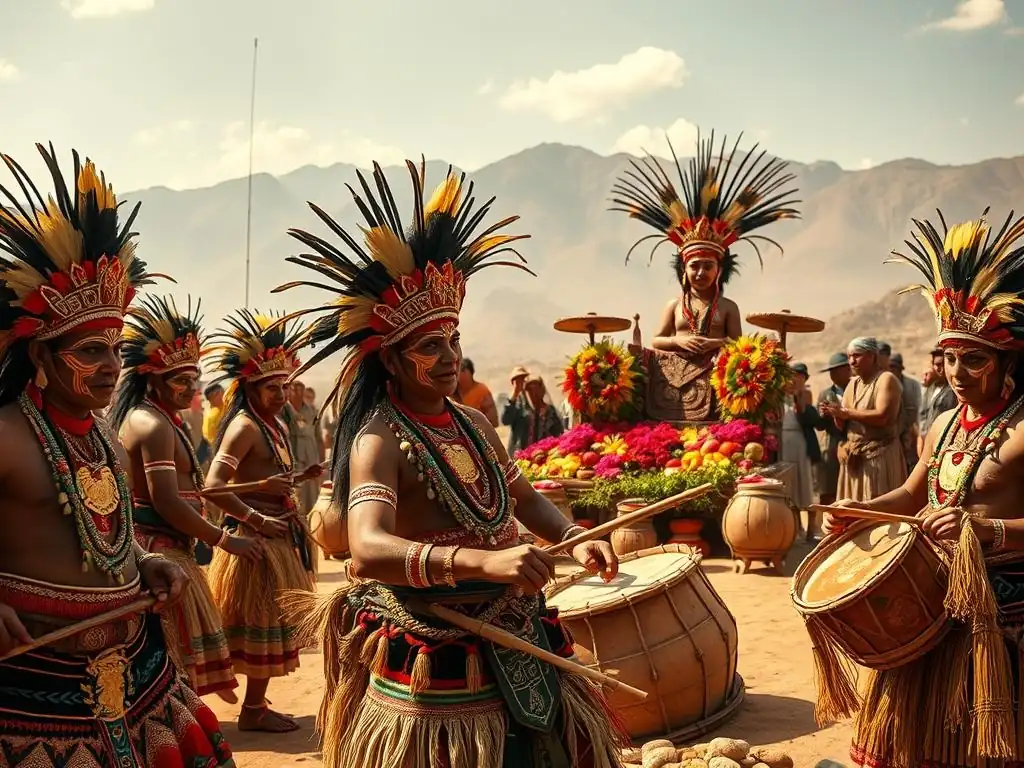
The Moche civilization, known for its rich cultural heritage, expressed its reverence for deities and the natural world through various artistic forms during festivals and celebrations. These artistic expressions were not merely for aesthetics; they played a pivotal role in the spiritual and communal life of the Moche people. From intricately crafted ceramics to vibrant music and dance, each element contributed to the overall experience of their religious observances.
Ceramics and Craftsmanship
Moche ceramics are renowned for their exceptional artistry and intricate designs, which often depicted scenes of daily life, mythology, and the natural world. Celebrations offered a unique opportunity for Moche artisans to showcase their skills through specially crafted pottery.
- Functional and Ritualistic:
- Ceremonial Vessels: Many Moche festivals featured ceremonial vessels designed for offerings and rituals. These vessels often included intricate motifs that symbolized fertility, agriculture, and the connection to the divine.
- Figurative Representations: Pottery often included anthropomorphic figures, gods, and mythical creatures. The craftsmanship was not only a reflection of artistic talent but also served as a medium to convey religious narratives.
- Techniques and Materials:
- The Moche were skilled in using techniques such as slip casting and mold-making, allowing for the creation of detailed figures and scenes.
- Materials included locally sourced clay, which was often painted in vibrant colors, enhancing the visual impact of the pieces.
The significance of Moche ceramics extends beyond their beauty; they serve as historical documents that provide insights into the social and religious practices of the civilization.
Music and Dance During Festivals
Music and dance were integral parts of Moche festivals, reflecting the community's spiritual fervor and collective identity. These performances were often tied to agricultural cycles, deification, and ancestral veneration.
- Instruments and Sounds:
- The Moche utilized a variety of instruments, including flutes, drums, and rattles. These instruments were crafted from materials like clay, wood, and animal skins, allowing for a diverse range of sounds.
- Ritualistic Music: Music played a crucial role in rituals, believed to invoke the presence of gods and ancestors. Specific rhythms and melodies were associated with different deities and events.
- Dance as Expression:
- Dance was both a form of storytelling and a way to honor the gods. Participants often donned elaborate costumes that represented animals or deities, enhancing the visual spectacle.
- Community Participation: Festivals were communal events, emphasizing collective participation. Dance circles allowed for the expression of shared beliefs and communal harmony.
Through music and dance, the Moche not only celebrated their gods but also reinforced social bonds within their communities.
Symbolism in Moche art was profound, intertwining religious beliefs with daily life, especially during festivals. The imagery used in various artistic expressions held deeper meanings that reflected the Moche worldview.
- Iconography and Spirituality:
- Common symbols included the cloud, representing rain and fertility, and the felines, often associated with strength and protection. These motifs were frequently incorporated into festival decorations and ceremonial attire.
- Duality of Life and Death: Moche art often depicted themes of life, death, and rebirth, which were central to their religious beliefs. Celebrations often included rituals honoring ancestors, emphasizing a cyclical understanding of existence.
- Narratives Through Art:
- Artworks served as visual narratives that communicated Moche mythology and cosmology. For instance, pottery might depict scenes of agricultural abundance, reinforcing the community's dependence on the land and the divine.
- Ritual Objects: Many objects created for celebrations were imbued with specific symbolic meanings, intended to facilitate communication with the divine or to protect the community.
By analyzing the symbolism in Moche art, we gain a deeper understanding of how festivals served as a reflection of their spiritual beliefs and societal values, emphasizing the intricate relationship between art and religion in Moche civilization.
The Influence of Moche Festivals on Contemporary Culture
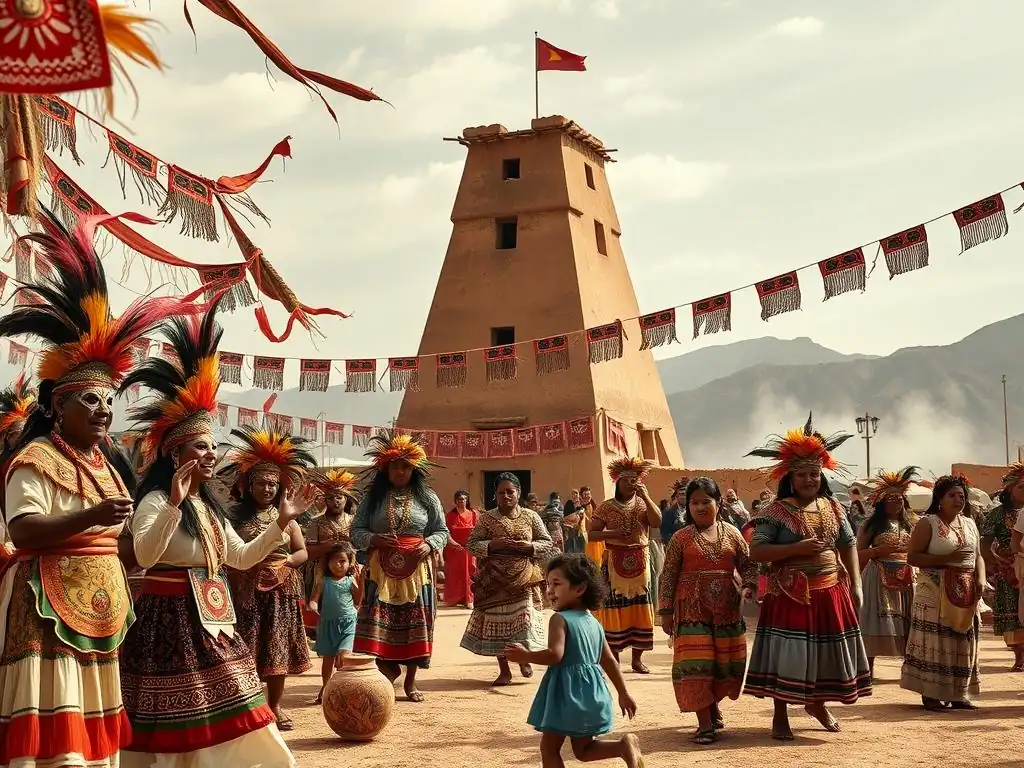
The Moche civilization, which flourished in northern Peru from approximately 100 to 800 AD, is renowned for its rich tapestry of festivals and celebrations dedicated to their pantheon of gods. These events were not only vital to the spiritual life of the Moche but also played a significant role in shaping cultural practices that continue to resonate in contemporary society. The legacy of Moche festivals can be seen today in various aspects, from religious observances to artistic expressions.
Preservation of Traditions
The traditions of Moche festivals have been preserved through oral histories and community practices that have endured despite centuries of external influence. Many indigenous communities in the Andean region maintain rituals that echo the ceremonies of the Moche, reflecting a deep reverence for nature and the cosmos. These celebrations often involve:
- Reenactments of Ancient Rituals: Many communities gather annually to reenact Moche ceremonies, such as the Saca de la Muerte (Harvest of the Dead), which honors ancestors and agricultural cycles.
- Artistic Expressions: Traditional crafts, such as pottery and textile weaving, often depict scenes from Moche mythology and festivities, serving as a visual reminder of their cultural heritage.
- Community Gatherings: Festivals are a time for community bonding, where families come together to share food, music, and dance, fostering a sense of identity and continuity.
Oral traditions serve as a vital link to the past, passing down stories of the gods and the significance of various festivals. Elders play a crucial role in transmitting this knowledge, ensuring that younger generations understand their cultural roots and the importance of these celebrations.
Modern Celebrations Inspired by Moche Practices
Contemporary celebrations in Peru and neighboring regions have drawn inspiration from ancient Moche festivals, adapting to modern contexts while retaining core elements. These modern interpretations often emphasize themes of community, spirituality, and respect for the environment. Notable examples include:
- Inti Raymi: Celebrated in June, this festival honors the Incan sun god but incorporates elements reminiscent of Moche practices, such as offerings of food and ritualistic dances to ensure a good harvest.
- Cultural Festivals: Various cultural events showcase Moche-inspired performances, including traditional dances and music that echo the rhythms of ancient celebrations. These festivals often feature reenactments of historical events and serve to educate attendees about Moche history.
- Art Exhibitions: Museums and galleries frequently host exhibitions that highlight Moche artifacts, including those related to their festivals. These exhibitions not only celebrate Moche culture but also inspire contemporary artists to create works that resonate with ancient themes.
Through these modern celebrations, the influence of Moche festivals remains palpable, serving as a bridge between the past and the present. The integration of Moche elements into contemporary culture showcases the enduring legacy of this remarkable civilization and its contribution to the rich cultural mosaic of the Americas. As communities continue to honor their ancestors and celebrate their heritage, the spirit of Moche festivals lives on, reminding us of the deep connections between past and present.
Conclusion
Summary of the Importance of Moche Festivals and Celebrations
Moche festivals and celebrations were vital components of the Moche civilization, serving not only as expressions of spirituality but also as crucial social events that reinforced community bonds. These festivals were deeply intertwined with the Moche's agricultural calendar, celebrating harvests, seasonal changes, and the deities that governed their lives.
The Moche held various ceremonies, often involving elaborate rituals, music, dance, and offerings, primarily directed towards their pantheon of gods. For instance, the Sipan festival, dedicated to the deity of fertility, featured vibrant processions showcasing colorful textiles and intricate pottery, reflecting the Moche’s artistic prowess. These events were not merely celebrations; they were essential for ensuring the continued favor of the gods, which was believed to be necessary for agricultural success and social stability.
Moreover, the communal aspect of these festivals reinforced social hierarchies and the roles of leaders within Moche society. The participation of elites in these events highlighted their status and responsibilities in maintaining the religious and agricultural vitality of the community. Thus, Moche festivals were multifaceted, serving religious, social, and political purposes.
Lasting Legacy of Moche Religious Practices
The religious practices of the Moche have left an enduring legacy that continues to be studied and revered today. Their intricate rituals and festivals not only shaped their civilization but also influenced subsequent cultures in the region. The Moche’s emphasis on ceremonial observances can be seen in the traditions of later Andean societies, highlighting the continuity of cultural practices over time.
Archaeological evidence from sites like Huacas del Sol y de la Luna reveals the sophistication of Moche religious life. The temples and ceremonial centers, adorned with intricate murals and carvings depicting deities and mythological scenes, serve as a testament to their artistic and religious dedication. These sites continue to attract scholars and tourists alike, fostering a deeper understanding of Moche civilization and its impact on the cultural heritage of the Andes.
Furthermore, the Moche's approach to festivals as a means of integrating community and spirituality has influenced modern indigenous practices in the region. Contemporary celebrations often reflect the syncretism of ancient beliefs with modern elements, preserving the essence of Moche traditions while adapting to new contexts. The ongoing recognition and celebration of these practices underscore the importance of honoring ancestral legacies and the rich tapestry of indigenous cultures in the Americas.
Moche festivals and celebrations were not mere events; they were essential to the identity and continuity of the Moche civilization, leaving a profound legacy that resonates in the cultural practices of indigenous peoples today.
Frequently Asked Questions
What were the main Moche festivals celebrated in ancient Peru?
The Moche celebrated several important festivals such as the Sacrificial Ceremony and the Harvest Festival, which were centered around honoring their gods and agricultural cycles.
How did the Moche people incorporate art into their celebrations?
The Moche were known for their intricate pottery and ceremonial masks, which played a significant role in their festivals, showcasing their artistic skills and spiritual beliefs.
What role did rituals play in Moche celebrations?
Rituals were central to Moche festivals, often involving sacrifices, music, and dance to ensure divine favor and to maintain harmony with their deities.
How did Moche festivals reflect their societal structure?
Moche festivals highlighted the hierarchical society, with elite classes often leading ceremonies, thus reinforcing their power and the community's shared beliefs.
What is the significance of Moche celebrations today?
Today, the study of Moche festivals provides valuable insights into their cultural practices and beliefs, influencing modern indigenous celebrations and preserving their rich heritage.
Final Reflection: The Enduring Legacy of Moche Festivals and Celebrations
The exploration of Moche festivals and celebrations reveals not only the rich tapestry of ancient rituals but also their profound relevance in today's world. These vibrant ceremonies were more than mere festivities; they were a vital expression of spirituality and community, showcasing the Moche people's deep connection to their gods and the natural world. As we navigate our modern lives, the essence of these ancient practices reminds us of the importance of honoring our own traditions and the values that bind us together.
The influence of the Moche's cultural practices continues to resonate in contemporary society, where festivals serve as a bridge between the past and present. These celebrations foster a sense of belonging and identity, allowing communities to come together in shared joy and reverence. As we witness a resurgence of interest in indigenous cultures and their traditions, we are reminded of the words of historian David Carrasco: Rituals are the threads that weave the fabric of community life.
This observation underscores the ongoing significance of festivals as a means of preserving cultural heritage and fostering unity among diverse groups.
As you reflect on the themes of this article, consider how you can incorporate the spirit of Moche festivals into your own life. Embrace the opportunity to celebrate your own traditions and those of others, fostering a deeper understanding and appreciation for the diverse tapestry of human experience. Let the legacy of the Moche inspire you to create meaningful connections with your community, honoring the past while looking forward to a future enriched by shared celebrations and collective joy.
Embrace the Spirit of Celebration!
Thank you for taking the time to explore how the Moche honored their gods through vibrant festivals and celebrations. You've uncovered the profound connection between culture and spirituality, and now it’s time to dive deeper into this rich heritage.
Here’s how you can get involved and keep the spirit alive:
- Attend a local cultural festival this month to experience the celebrations of indigenous traditions firsthand!
- Share your insights from this article with friends and family; inspire them to learn about the extraordinary ways various cultures express their beliefs.
- Join a community group dedicated to preserving indigenous history and connect with others who are passionate about promoting these fascinating traditions.
As you engage with these suggestions, reflect on this: How can honoring the traditions of the past enrich our celebrations today?