
The Rise of the Aztec Empire: Tracing the Origins of a Great Civilization

Welcome to Indigenous Civilizations of the Americas, where we dive deep into the rich tapestry of cultures that flourished across the continent long before European contact. Here, you'll uncover the remarkable stories of resilience, innovation, and artistry that define these vibrant societies. In our featured article, "The Rise of the Aztec Empire: Tracing the Origins of a Great Civilization," we invite you to explore the Aztec Empire's origins and achievements—a fascinating journey that reveals how this extraordinary civilization shaped the history of the Americas.
Join us as we unravel the mysteries of the past and celebrate the enduring legacy of indigenous cultures. Your exploration begins now!
Introduction to the Aztec Empire Origins and Achievements
The Aztec Empire, one of the most remarkable civilizations in Mesoamerican history, emerged from a rich tapestry of cultural and historical influences that shaped its development. Spanning from the 14th to the 16th centuries, this empire not only showcased profound achievements in architecture, agriculture, and the arts but also established a complex social and political structure.
Understanding the origins and achievements of the Aztec Empire provides valuable insights into the resilience and ingenuity of indigenous cultures prior to European colonization. This exploration is crucial not only for appreciating the legacy of the Aztecs but also for recognizing the foundations upon which modern Mexican identity is built.
Overview of the Aztec Civilization
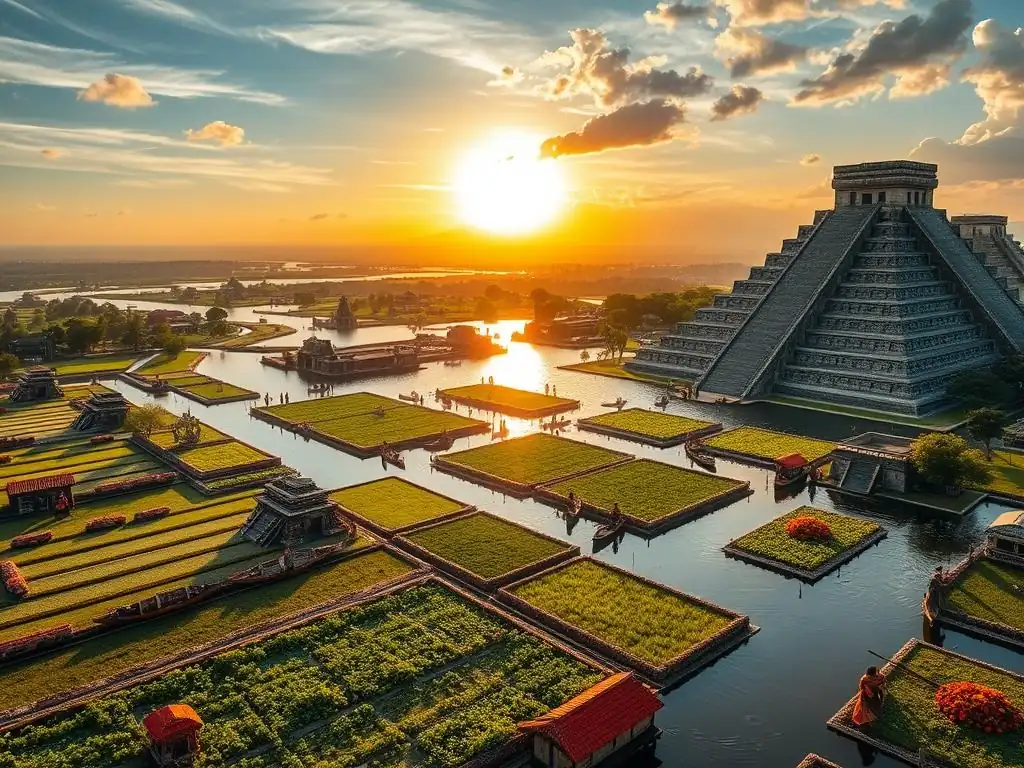
The Aztec civilization, known for its intricate society and expansive empire, was centered in what is now Mexico City. At its height, the empire comprised numerous city-states, with Tenochtitlan as its capital. The Aztecs were skilled farmers, utilizing advanced agricultural techniques such as chinampas, or floating gardens, to maximize crop yields. They developed a complex system of trade and tribute, which facilitated economic stability and cultural exchange across vast distances.
The religious practices of the Aztecs were deeply intertwined with their daily lives, characterized by a pantheon of gods and elaborate rituals, including human sacrifices, which they believed were essential for pleasing the deities and ensuring cosmic balance. The Aztec calendar, a remarkable achievement, underscored their sophisticated understanding of astronomy and timekeeping.
Significance of Studying Aztec Origins
Exploring the origins of the Aztec Empire is significant for several reasons:
- Historical Insight: Understanding the rise of the Aztecs provides perspective on the broader historical context of Mesoamerica, including interactions with other indigenous groups.
- Cultural Heritage: The achievements of the Aztecs in art, architecture, and governance continue to influence contemporary culture in Mexico and beyond.
- Lessons from the Past: Analyzing the societal structures and responses to challenges faced by the Aztecs can offer valuable lessons in resilience and adaptability.
Historical Context of the Aztec Empire
To fully appreciate the rise of the Aztec Empire, one must consider the historical context in which it developed. This includes the earlier civilizations that laid the groundwork for the Aztecs and the migratory paths that led to the establishment of their society.
Pre-Columbian Societies in Mesoamerica
Before the Ascendancy of the Aztecs, Mesoamerica was home to several advanced civilizations, including the Olmecs, Teotihuacan, and Toltecs. Each of these cultures contributed to the rich cultural and technological landscape from which the Aztecs emerged.
- Olmecs: Often regarded as the "mother culture," they are credited with establishing early urban centers and monumental architecture.
- Teotihuacan: Known for its impressive pyramids, this city influenced Aztec religion and urban planning.
- Toltecs: They set the stage for the Aztec military and political structures.
The continuation of traditions, technologies, and trade routes from these societies significantly impacted the Aztec way of life.
The Migration Patterns of the Mexica People
The Mexica, the ethnic group that would become the Aztecs, migrated to the Valley of Mexico during the 13th century. Their journey was marked by various myths and legends, including the prophecy of Huitzilopochtli, the god of war, who instructed them to settle where they found an eagle perched on a cactus.
This migration narrative not only reflects the spiritual beliefs of the Mexica but also highlights the interactions they had with other tribes and civilizations along their path. Understanding these migration patterns is crucial for tracing the development of their culture and social structures, ultimately leading to the formation of the powerful Aztec Empire.
The Foundation of Tenochtitlan
The establishment of Tenochtitlan marked a pivotal moment in the history of the Aztec Empire, serving not only as the capital but also as a symbol of the civilization's ingenuity and strength. Founded in 1325 AD on an island in Lake Texcoco, Tenochtitlan was developed through careful planning and engineering, showcasing the Aztecs’ ability to adapt to their environment. The island location provided natural defenses against potential invaders, while the surrounding waters facilitated trade and transportation. Over time, the city grew into a bustling metropolis, featuring complex canals, expansive marketplaces, and impressive temples that reflected the Aztecs' architectural prowess.
The city's layout was meticulously organized, with residential areas, public spaces, and religious sites harmoniously integrated. The central plaza, known as the Zócalo, became the heart of Tenochtitlan, serving as a venue for ceremonies, trade, and political gatherings. The construction of chinampas, or floating gardens, exemplified the Aztecs’ innovative agricultural practices, allowing them to maximize food production in a region with limited arable land. Through these advancements, Tenochtitlan not only supported a large population but also became a center of culture, commerce, and governance.
The Legend of Huitzilopochtli and Tenochtitlan's Establishment
The founding of Tenochtitlan is steeped in legend, particularly the tale of Huitzilopochtli, the Aztec god of war and the sun. According to myth, the Mexica people, ancestors of the Aztecs, were guided by Huitzilopochtli to find a new home. They were instructed to look for an eagle perched on a cactus, devouring a serpent. After a long journey filled with hardships, they spotted this divine sign on the island of Lake Texcoco, which led them to establish Tenochtitlan.
This legend not only served to legitimize the city's founding but also underscored the importance of religious beliefs in Aztec society. Huitzilopochtli came to symbolize the strength and resilience of the Mexica, reinforcing their identity as a chosen people destined for greatness. The temple dedicated to Huitzilopochtli in the heart of the city became a central place of worship, where sacrifices and ceremonies were conducted to honor the deity and ensure the prosperity of Tenochtitlan.
Geographic Advantages of Tenochtitlan
Tenochtitlan’s geographic location provided several advantages that contributed to its rise as the capital of the Aztec Empire. Nestled in the Valley of Mexico, the city was surrounded by mountains and located on an island in Lake Texcoco, which offered natural defenses against potential threats. This strategic positioning allowed the Aztecs to control trade routes and access vital resources from surrounding regions.
The lake itself played a crucial role in the development of Tenochtitlan, providing water for agriculture and transportation. The construction of canals enabled the movement of goods and people throughout the city, facilitating trade and communication. Additionally, the fertile soil around the lake supported the cultivation of crops, ensuring a stable food supply for the growing population. These geographic advantages were instrumental in establishing Tenochtitlan as a powerful urban center and the heart of the Aztec Empire.
Key Factors Contributing to the Rise of the Aztec Empire
The rise of the Aztec Empire can be attributed to a variety of interrelated factors that enhanced their power and influence in Mesoamerica. From military conquests to economic innovations, these elements collectively shaped the trajectory of the Aztecs' ascendance.
Military Strategies and Conquests
The Aztecs were renowned for their military prowess, employing a combination of strategic warfare and diplomacy to expand their territory. Their military campaigns were characterized by the use of highly organized troops, advanced weaponry, and effective tactics. The Aztecs primarily relied on a system of alliances, often forming coalitions with neighboring city-states to bolster their strength in battle.
One significant aspect of their military strategy was the practice of capturing enemies rather than killing them. This approach allowed the Aztecs to acquire prisoners for ritual sacrifices, which were integral to their religious beliefs. Notable conquests, such as the defeat of the Tepanecs and the expansion into the Valley of Oaxaca, showcased the Aztecs' ability to integrate newly acquired territories into their empire, further solidifying their dominance in the region.
Economic Systems and Trade Networks
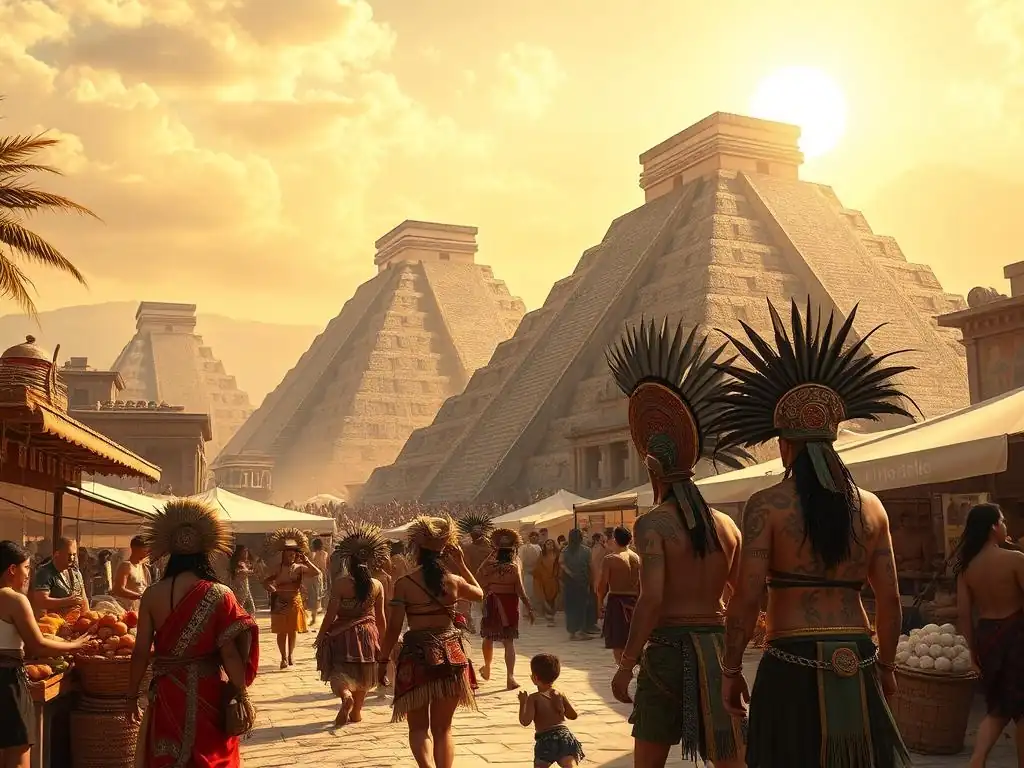
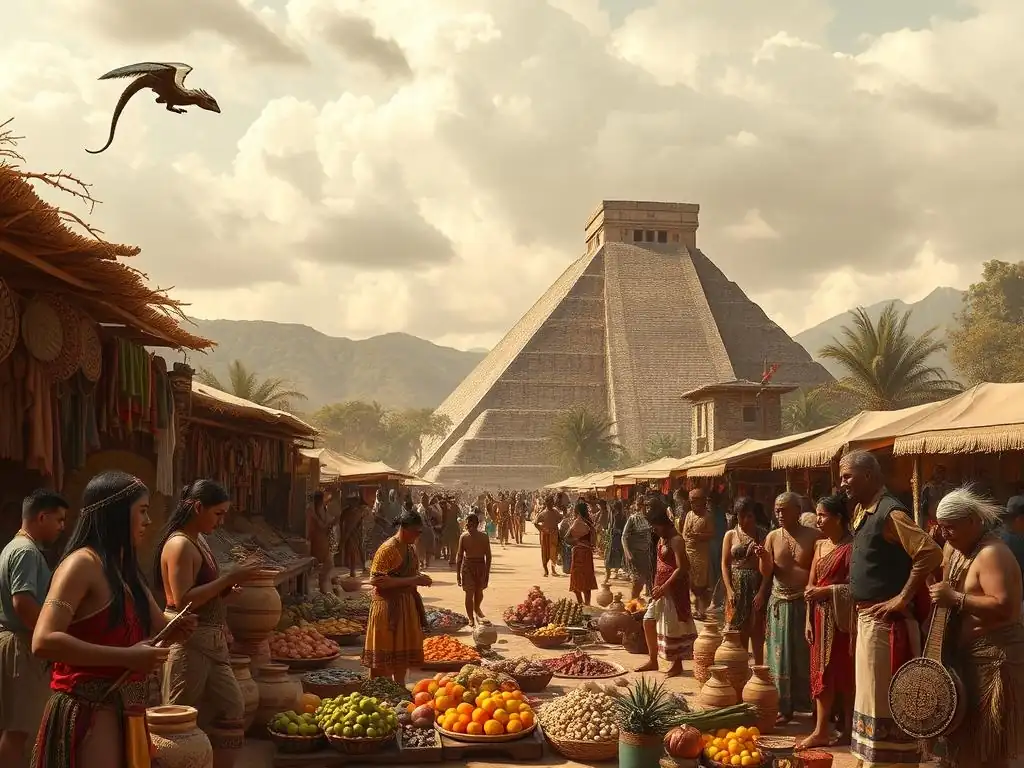
The economic systems of the Aztec Empire were sophisticated and multifaceted, facilitating trade and resource management across vast distances. The marketplace of Tenochtitlan, known as Tlatelolco, was one of the largest and most vibrant in Mesoamerica, where merchants exchanged goods ranging from textiles to precious metals. This bustling hub of commerce was crucial for the economic prosperity of the empire.
The Aztecs also developed a tribute system, requiring conquered peoples to pay tribute in the form of goods, labor, or services. This system not only generated wealth for the empire but also reinforced political control over subordinate city-states. Agricultural innovations, such as the aforementioned chinampas, ensured that the population remained well-fed, further enabling the growth of trade networks. By fostering economic interdependence among various regions, the Aztecs solidified their influence and created a robust and resilient empire.
Religious Practices and Their Influence on Society
Religion played a central role in Aztec society, shaping their cultural practices, social structures, and political life. The Aztecs believed in a pantheon of gods, each associated with different aspects of life and nature. Rituals, sacrifices, and ceremonies were performed to appease these deities and maintain cosmic balance.
The influence of religion was evident in the governance of the empire, as rulers often claimed divine right to rule, portraying themselves as intermediaries between the gods and the people. This connection to the divine legitimized their authority and reinforced social hierarchies. Major religious festivals, such as the Temazcal and the Mexica New Year, were communal events that fostered social cohesion and reinforced cultural identity.
Additionally, the religious need for sacrificial offerings drove military conquests, as captives were often used in rituals to ensure the favor of the gods. This interplay between religion and warfare was a defining characteristic of the Aztec Empire, illustrating how deeply intertwined beliefs and societal functions were in shaping their civilization.
Major Achievements of the Aztec Empire
The Aztec Empire, which flourished in central Mexico from the 14th to the 16th centuries, is renowned for its remarkable achievements across various fields. These accomplishments not only highlight the ingenuity and adaptability of the Aztec people but also their profound impact on the cultural landscape of the Americas. Among the most significant achievements were their architectural innovations, advancements in agriculture, and rich contributions to art and education.
Architectural Marvels of the Aztec Civilization
One of the most striking aspects of the Aztec Empire was its architectural prowess. The capital city of Tenochtitlan, situated on an island in Lake Texcoco, exemplified this achievement with its intricate urban planning and monumental structures.
- Templo Mayor: The Great Temple, or Templo Mayor, was the central temple of the Aztec religion and a key landmark of Tenochtitlan. Its two main shrines were dedicated to the gods Huitzilopochtli and Tlaloc, reflecting the duality of warfare and agriculture that characterized Aztec life.
- Causeways and Canals: The city was ingeniously connected to the mainland by causeways and canals, facilitating trade and transportation. This design not only showcased their engineering skills but also adapted to the unique geography of the region.
- Pyramids and Palaces: The Aztecs constructed massive pyramids for religious ceremonies, and palatial structures that housed their rulers and nobility. These buildings were often adorned with intricate carvings and vibrant murals, highlighting the cultural significance of architecture in their society.
Advances in Agriculture and Technological Innovations
The Aztec Empire’s agricultural advancements played a critical role in sustaining its population and supporting its expansion. They developed innovative techniques that maximized productivity in their environment.
- Chinampas: Often referred to as "floating gardens," chinampas were rectangular plots of land built on shallow lake beds. This method allowed for year-round farming and significantly increased crop yields, enabling the Aztecs to support a large urban population.
- Crop Diversification: The Aztecs cultivated a variety of crops including maize, beans, squash, and chili peppers. This diversification not only provided nutritional balance but also enhanced food security.
- Irrigation Systems: Advanced irrigation techniques, including the use of canals and aqueducts, were developed to manage water resources effectively. This innovation ensured that agricultural lands received adequate water, even during dry seasons.
Contributions to Art, Literature, and Education
Art and literature were integral to Aztec culture, reflecting their beliefs, history, and social values. The empire produced a rich tapestry of artistic achievements that encompassed a variety of mediums.
- Visual Arts: The Aztecs excelled in sculpture, pottery, and painting. Their artworks often depicted religious themes, historical events, and daily life, serving as both decorative and narrative elements in their society.
- Codices: The Aztecs created pictorial manuscripts known as codices, which recorded historical events, religious rituals, and legal matters. These documents were crucial for preserving knowledge and passing it down through generations.
- Education: Education in the Aztec Empire was highly valued, with schools known as calmecac for the nobility and telpochcalli for commoners. Students were taught various subjects including history, religion, and the arts, ensuring the continuity of their rich cultural heritage.
The social structure of the Aztec Empire was highly stratified, with distinct classes that played specific roles within society. This hierarchical organization was essential for maintaining order and governance in a rapidly expanding empire.
Class Hierarchies and Governance
At the top of the social hierarchy was the emperor, known as the tlatoani, who wielded absolute power. Below him were various classes that contributed to the functioning of the empire:
- Nobility: The nobility, or pipiltin, consisted of priests, military leaders, and high-ranking officials. They owned large estates and held significant influence over political and religious matters.
- Commoners: The majority of the population belonged to the macehualtin class, which included farmers, artisans, and traders. Although they had fewer privileges than the nobility, commoners played a crucial role in the economy and supported the empire through taxation and labor.
- Slaves: At the bottom of the social hierarchy were slaves, who were often prisoners of war or individuals unable to pay debts. While they had limited rights, some could earn their freedom through service.
Role of Women in Aztec Society
Women in the Aztec Empire held a variety of roles, contributing significantly to the social and economic fabric of their society.
- Domestic Responsibilities: Women were primarily responsible for managing households, which included cooking, weaving, and child-rearing. This domestic role was vital for sustaining family life and ensuring the continuation of cultural practices.
- Economic Contributions: Many women participated in economic activities such as agriculture and market trading. They were known for their skills in crafting textiles and pottery, which were essential goods in both local and long-distance trade.
- Religious Roles: Women also had important religious roles, serving as priestesses and participating in rituals. Their involvement in religious ceremonies underscored their significance in maintaining the spiritual well-being of the community.
The achievements of the Aztec Empire, along with its complex social structure, showcase a civilization that was both innovative and impactful, laying the groundwork for future cultures in the Americas.
The Legacy of the Aztec Empire
The Aztec Empire, which flourished in the 14th to the 16th centuries, left an indelible mark on the cultural and historical landscape of Mesoamerica. Its legacy is multifaceted, encompassing advancements in architecture, agriculture, art, and governance. The monumental stone temples and pyramids, such as the Templo Mayor in Tenochtitlan, stand as testaments to their architectural prowess and religious significance. The intricate designs and vibrant murals that adorned their structures showcase a rich artistic tradition that continues to inspire contemporary artists.
In addition to their architectural and artistic contributions, the Aztecs developed a complex agricultural system that included chinampas, or floating gardens, which allowed for efficient farming in wetlands. This innovation not only maximized agricultural output but also exemplified their deep understanding of the environment. Furthermore, the Aztec system of tribute and trade established economic networks that influenced later civilizations and fostered inter-regional connectivity.
Impact on Subsequent Indigenous Civilizations
The influence of the Aztec Empire extended far beyond its immediate geographical boundaries, shaping the development of subsequent indigenous civilizations. The political structures, social hierarchies, and religious practices established by the Aztecs served as models for neighboring groups. For instance, the Tlaxcaltecs and the Purépechas adopted certain aspects of Aztec governance and military organization while maintaining their distinct cultural identities.
Moreover, the Aztec emphasis on education and knowledge dissemination through their calmecac (noble schools) and telpochcalli (commoner schools) laid the groundwork for the educational systems of later civilizations. The codices created by the Aztecs, which documented history, mythology, and daily life, became vital sources for understanding the rich tapestry of Mesoamerican cultures. These influences illustrate how the Aztec Empire acted as a cultural catalyst, facilitating the exchange of ideas and practices among indigenous peoples long after its decline.
Modern Perspectives on Aztec Achievements
Today, the achievements of the Aztec Empire are increasingly recognized and celebrated within both academic and popular contexts. Scholars are revisiting the narratives surrounding the Aztecs, moving beyond portrayals of them as mere warriors to acknowledge their contributions to mathematics, astronomy, and medicine. The development of a sophisticated calendar system and their understanding of celestial events are notable examples of their scientific advancements.
In contemporary society, there is a growing appreciation for the richness of Aztec culture, reflected in literature, film, and art. Initiatives aimed at revitalizing Nahuatl, the language of the Aztecs, underscore the importance of preserving their legacy. Additionally, indigenous communities in Mexico and beyond are reclaiming their ancestral heritage, fostering pride in their Aztec roots and promoting cultural continuity.
Conclusion: Reflections on the Aztec Empire Origins and Achievements
Summary of Key Points
The Aztec Empire stands as a testament to human ingenuity and resilience. Its origins, rooted in the migration of various Mesoamerican tribes, culminated in a powerful civilization characterized by remarkable achievements in various fields. From sophisticated urban planning and agricultural innovations to artistic expressions and complex social systems, the Aztecs' contributions have had a lasting impact on the cultural heritage of the Americas.
The Importance of Preserving Indigenous History
Preserving the history of the Aztec Empire and other indigenous civilizations is crucial not only for academic scholarship but also for fostering cultural identity and pride among indigenous peoples today. Understanding the achievements and struggles of the Aztecs allows for a more nuanced view of history, challenging colonial narratives and acknowledging the resilience of these cultures.
In an era where indigenous histories are often marginalized, emphasizing the importance of these legacies can inspire current and future generations. By honoring the past, we can promote a greater appreciation for the rich tapestry of human civilization that includes the remarkable achievements of the Aztec Empire and its enduring influence on the world today.
- Introduction to the Aztec Empire Origins and Achievements
- Historical Context of the Aztec Empire
- The Foundation of Tenochtitlan
- Key Factors Contributing to the Rise of the Aztec Empire
- Major Achievements of the Aztec Empire
- The Social Structure of the Aztec Empire
- The Legacy of the Aztec Empire
- Impact on Subsequent Indigenous Civilizations
- Modern Perspectives on Aztec Achievements
- Conclusion: Reflections on the Aztec Empire Origins and Achievements
Frequently Asked Questions
What were the origins of the Aztec Empire?
The Aztec Empire originated in the 14th century in the Valley of Mexico, where the Mexica people established their capital, Tenochtitlan, on an island in Lake Texcoco.
What were some key achievements of the Aztec Empire?
The Aztecs are known for their advanced agricultural techniques, impressive architectural feats like the Templo Mayor, and a complex social structure that included a sophisticated tribute system.
How did the Aztec society function?
Aztec society was highly stratified, with a ruling class of nobles, a warrior class, and a large population of commoners and slaves. Religion played a crucial role in governance and daily life.
What was the significance of Tenochtitlan in Aztec culture?
Tenochtitlan was not only the capital but also a symbol of Aztec ingenuity, featuring advanced urban planning, a network of canals, and monumental architecture, making it one of the largest cities in the world at the time.
How did the Aztec Empire influence modern culture?
The Aztec Empire has left a lasting legacy through its art, language, and traditions, many of which still influence Mexican culture today, including cuisine, festivals, and the use of Nahuatl words.
Final Reflection: Understanding the Aztec Empire's Origins and Achievements
The exploration of the Aztec Empire's origins and achievements reveals a civilization that not only shaped its own era but continues to resonate in our modern world. As we delve into the complexities of their society, governance, and cultural innovations, we uncover lessons that are remarkably relevant today. The rise of the Aztec Empire serves as a powerful reminder of how civilizations can flourish through resilience, adaptability, and a deep connection to their environment.
The legacy of the Aztec Empire profoundly influences our cultural and social landscape, reminding us of the rich tapestry of human history. Their achievements in agriculture, architecture, and governance stand as a testament to human ingenuity and the pursuit of knowledge. As we reflect on their contributions, we can appreciate the interconnectedness of past and present. Civilizations rise and fall, but the lessons they leave behind are eternal.
This quote encapsulates the enduring wisdom we can glean from the Aztecs, urging us to recognize the importance of learning from history to inform our future.
As you contemplate the remarkable journey of the Aztec Empire, consider how their story can inspire your own life. Embrace the spirit of innovation and resilience that characterized their civilization, and let it guide you in your personal and professional endeavors. Reflect on the importance of cultural heritage and the lessons it imparts, and take action to honor and preserve the narratives that shape our collective identity. The past is not merely a series of events; it is a source of inspiration that can empower us to create a brighter future.
Embark on Your Journey Through Aztec History!
Thank you for taking the time to explore the fascinating origins of the Aztec Empire. We hope you gained valuable insights that enhance your appreciation for this incredible civilization! Now, it’s time to ignite your curiosity and take action.
- Explore further: Visit our extensive gallery of Aztec artifacts and historical sites to uncover the art and contributions of this remarkable culture.
- Join the conversation: Share your thoughts on the Aztec Empire by commenting below or engaging with our community on social media. Your insights are important!
- Expand your knowledge: Check out our recommended reading list on Indigenous civilizations to broaden your understanding and continue your exploration.
What aspect of the Aztec Empire intrigues you the most, and how will you share your newfound knowledge with others?