
Water Wisdom: Indigenous Techniques for Sustainable Water Management

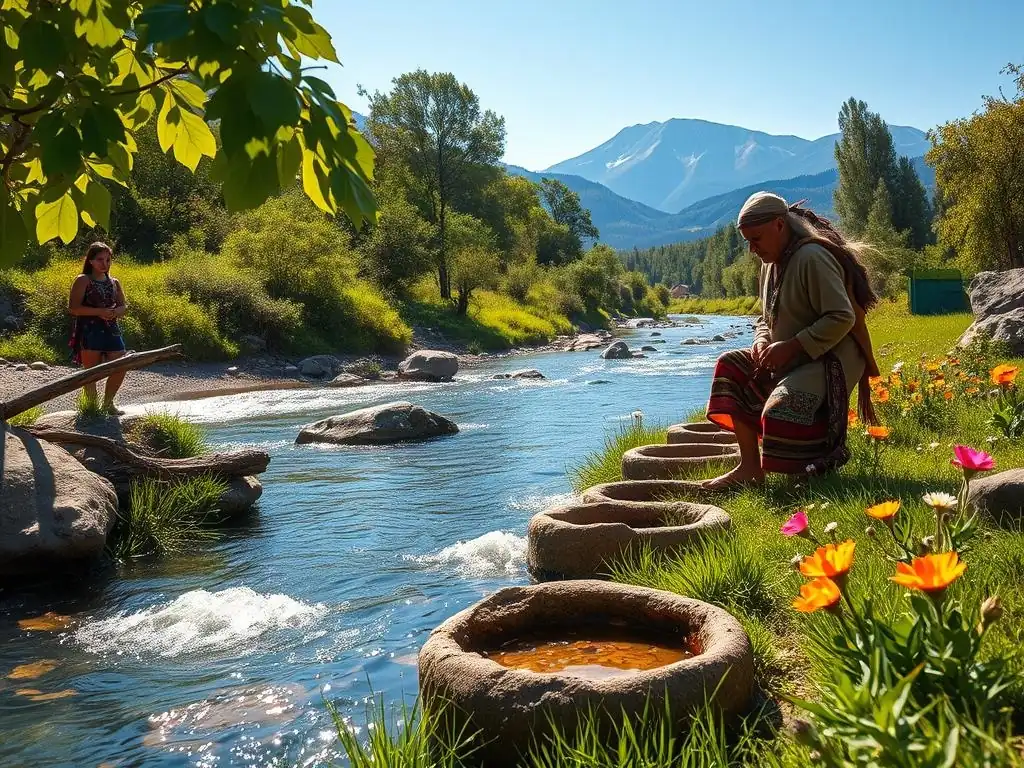
Welcome to Indigenous Civilizations of the Americas, where we invite you to journey through the rich tapestry of diverse indigenous cultures that flourished long before European colonization. In our featured article, “Water Wisdom: Indigenous Techniques for Sustainable Water Management,” we delve into the ingenious water management techniques that not only showcase the profound knowledge of these civilizations but also offer valuable lessons for our modern world.
Discover how ancient practices continue to inspire sustainable solutions and ignite your curiosity about the remarkable legacies of indigenous peoples. Join us in exploring these cultural inspirations that shape our understanding of sustainability today!
- Introduction to Indigenous Water Management Techniques
- Historical Context of Indigenous Water Management Practices
- Indigenous Water Management Techniques: A Comparative Analysis
- Lessons from Indigenous Water Management Techniques for Modern Sustainability
- Tools and Resources for Learning Indigenous Water Management Techniques
- Conclusion: The Future of Water Management Inspired by Indigenous Techniques
- Frequently Asked Questions
- Final Reflection: Embracing Indigenous Water Management Techniques for a Sustainable Future
- Embrace the Flow: Take Action for Sustainable Water Management!
Introduction to Indigenous Water Management Techniques
Water is a fundamental resource that has shaped the development and sustainability of civilizations throughout history. For Indigenous peoples of the Americas, water management has always been more than just a practical necessity; it embodies a deep spiritual connection to the land and its ecosystems. This article delves into the Indigenous water management techniques that have been honed over centuries, showcasing their innovative approaches to conserving and utilizing this vital resource. By exploring these techniques, we can glean valuable lessons on sustainability and respect for nature, which are increasingly relevant in today's context of environmental challenges.
Understanding the Importance of Sustainable Water Practices
Sustainable water practices are essential not only for conserving water but also for maintaining the health of ecosystems and the communities that depend on them. Indigenous cultures have long recognized the necessity of preserving water quality and quantity, often developing sophisticated systems for monitoring and managing water resources. These practices include:
- Rainwater harvesting: Collecting and storing rainwater for agricultural and domestic use.
- Constructed wetlands: Utilizing natural filtration processes to treat wastewater and improve water quality.
- Traditional irrigation systems: Implementing methods such as contour farming and terracing to maximize water efficiency in agriculture.
Through these sustainable practices, Indigenous communities have demonstrated an enduring commitment to preserving their environments, ensuring that water resources remain abundant for future generations.
Overview of Indigenous Civilizations and Their Relationship with Water
The relationship between Indigenous civilizations and water is rich and multifaceted. Across the Americas, various cultures have developed unique practices and beliefs surrounding water management, often tailored to their specific environments. Some notable examples include:
- The Hopi of the Southwestern United States: Utilizing traditional dry farming techniques and sophisticated irrigation systems to cultivate crops in arid regions.
- The Maya civilization: Engineering complex water management systems, including reservoirs and canals, to support their agricultural and urban needs.
- The Inca Empire: Constructing extensive aqueducts and terraces in the Andes to optimize water distribution for agriculture in mountainous terrain.
These civilizations not only relied on water for survival but also integrated it into their cultural and spiritual practices, viewing it as a sacred element essential for life. Understanding these relationships provides insight into the profound respect Indigenous peoples hold for water and the innovative techniques they have developed to manage it sustainably.
Historical Context of Indigenous Water Management Practices
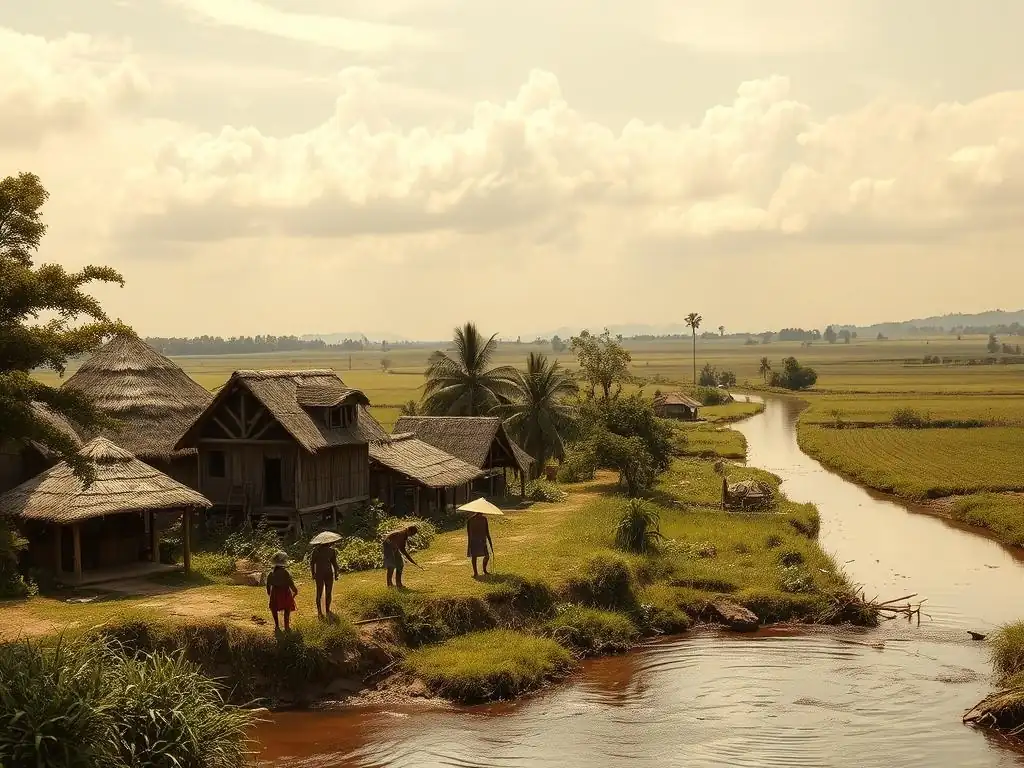
Indigenous water management practices have deep historical roots, evolving over millennia as communities adapted to diverse environments across the Americas. These practices reflect a profound understanding of local ecosystems, emphasizing sustainability, stewardship, and respect for natural resources.
Before European colonization, indigenous communities developed a variety of sophisticated techniques that ensured the availability and quality of water. This history is marked by innovation, resilience, and a deep spiritual connection to water, which is viewed as a sacred resource vital for life and cultural identity.
Ancient Methods of Water Conservation in Indigenous Cultures
Indigenous cultures employed a range of methods to conserve and manage water, often tailored to their specific environments. Here are some notable ancient techniques:
- Terracing: In regions like the Andes, indigenous peoples created terraces to slow water runoff, reduce erosion, and maximize agricultural output. These terraces captured rainfall and melted snow, allowing for efficient irrigation.
- Check Dams: Many Native American tribes built check dams in arid regions, which helped to slow down water flow, promote groundwater recharge, and create small ponds for wildlife and irrigation.
- Rainwater Harvesting: This technique involved collecting and storing rainwater in containers or underground cisterns, particularly in desert regions. For instance, the Hohokam people of present-day Arizona are known for their advanced systems of canals and cisterns that captured and stored seasonal rains.
- Swales: Swales are shallow, vegetated channels designed to manage water runoff and promote infiltration. Indigenous farmers utilized swales to direct water flow to crops, enhancing soil moisture and reducing the need for artificial irrigation.
- Farming Practices: Indigenous agricultural techniques, such as companion planting and crop rotation, were designed to conserve water and enhance soil health. These practices often included planting drought-resistant crops alongside water-intensive varieties, ensuring a balanced use of available resources.
These methods illustrate a holistic approach to water management, where the needs of the community, agriculture, and ecosystems were considered in tandem.
Key Indigenous Groups and Their Unique Water Management Techniques
Different indigenous groups developed unique water management techniques that reflected their specific environmental conditions and cultural practices. Here are a few notable examples:
- The Pueblo Peoples: Residing in the arid Southwest, the Pueblo peoples are known for their sophisticated irrigation systems. They constructed channels and ditches to divert river water to their fields, allowing them to grow crops in an otherwise dry climate. Their water conservation techniques are still studied for their efficiency and sustainability.
- The Iroquois Confederacy: In the northeastern woodlands, the Iroquois developed a sophisticated understanding of watershed management. They created systems of canals and ponds to manage water flow, ensuring that their agricultural lands remained fertile and productive.
- The Maya Civilization: The ancient Maya excelled in water management, particularly in their lowland cities like Tikal and Copán. They constructed reservoirs, aqueducts, and sophisticated drainage systems to capture and store rainwater, which was crucial for sustaining their large populations.
- The Inuit: In the Arctic regions, the Inuit developed techniques for managing freshwater resources in icy conditions. They constructed igloo-like structures to capture and melt snow for drinking water, showcasing their adaptability to extreme environments.
These examples highlight the diversity of indigenous water management techniques across the Americas, demonstrating how each group tailored their methods to suit their unique environmental challenges and cultural needs. By studying these practices, modern societies can gain valuable insights into sustainable water management.
Indigenous Water Management Techniques: A Comparative Analysis
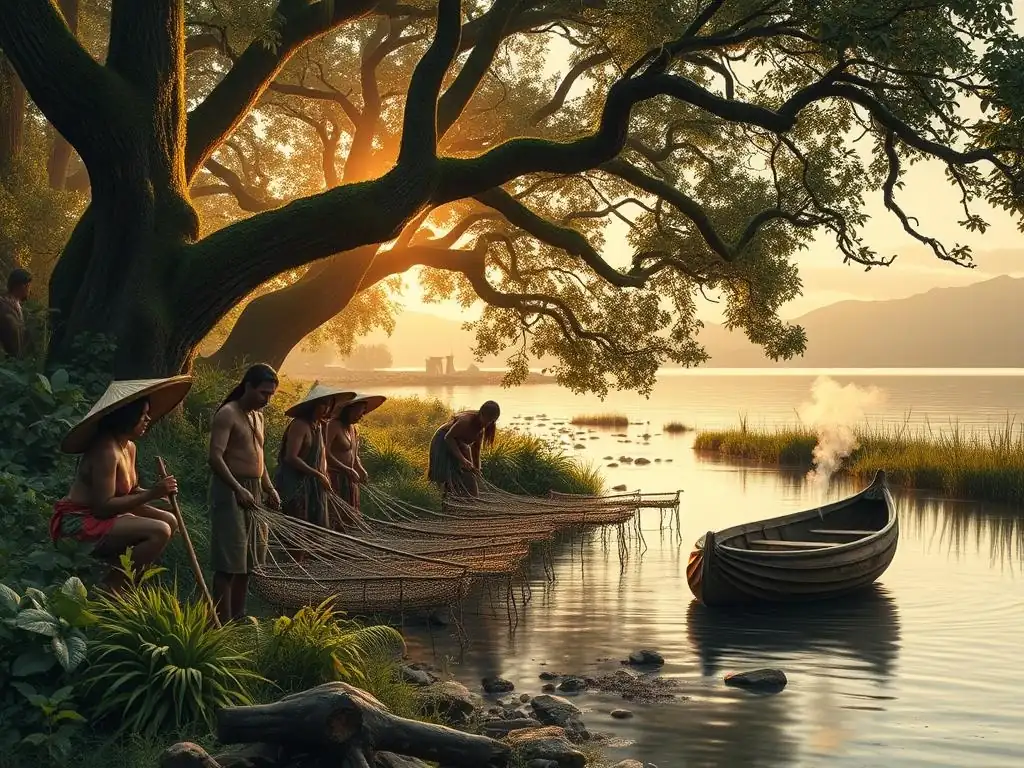
Indigenous water management techniques have long been recognized for their innovative and sustainable approaches to harnessing and conserving water resources. This section presents a comparative analysis of two notable practices: the Incan terracing system and the Hopi dry farming method. Both techniques highlight the profound understanding indigenous cultures had of their environments and their ability to adapt to the challenges posed by water scarcity.
The Incan Terracing System for Efficient Water Use
The Incan civilization, known for its remarkable engineering feats, developed a sophisticated terracing system that transformed steep mountain landscapes into productive agricultural zones. This approach not only allowed for efficient water management but also maximized arable land.
Features of Incan Water Management
- Terraced Fields: The Incas constructed extensive terraces on mountain slopes, creating flat areas for agriculture and enabling the collection and management of water runoff.
- Irrigation Channels: They built intricate networks of canals that diverted water from rivers and streams to the terraces, ensuring adequate moisture for crops.
- Soil Conservation: The terraces reduced soil erosion by slowing down water flow, allowing for better absorption and retention of moisture.
Advantages of Terracing for Crop Irrigation
- Increased Agricultural Productivity: The terracing system allowed the Incas to cultivate a variety of crops at different elevations, enhancing food security.
- Water Control: By managing runoff and irrigation, the Incas minimized water waste and ensured that crops received consistent moisture.
- Microclimates: Terraced fields created unique microclimates, which helped in the growth of diverse plant species, leading to greater biodiversity.
Disadvantages and Challenges Faced
- Labor-Intensive: The construction and maintenance of terraced fields required significant labor, which could be a challenge for smaller communities.
- Vulnerability to Natural Disasters: Terraced fields were susceptible to landslides and flooding, especially in areas with heavy rainfall or seismic activity.
- Dependency on Water Sources: The success of the terracing system was heavily reliant on the availability of nearby water sources, which could be affected by climate variations.
The Hopi Dry Farming Method
The Hopi people, residing in the arid regions of the southwestern United States, developed a unique approach to agriculture that emphasized water conservation and resilience. Their dry farming techniques demonstrate a deep understanding of local ecosystems and climate.
Characteristics of Hopi Water Conservation Techniques
- Drought-Resistant Crops: The Hopi primarily cultivated drought-resistant crops such as corn, beans, and squash, which thrived in low-moisture conditions.
- Soil Preparation: They employed methods such as "kaolin" or "mound" planting, which involved creating small mounds that captured moisture and reduced evaporation.
- Rainwater Harvesting: The Hopi utilized natural land contours to direct rainwater to their fields, optimizing the use of scarce water resources.
Benefits of Dry Farming in Arid Environments
- Sustainability: The Hopi method promotes sustainable farming practices that align with the natural water cycles and local climate conditions.
- Biodiversity: By cultivating a variety of crops, the Hopi enhanced biodiversity and reduced the risk of crop failure due to pests or diseases.
- Cultural Resilience: This technique not only supports food production but also reinforces cultural practices and community resilience in the face of environmental challenges.
Limitations and Adaptations
- Climate Dependency: While the dry farming method is well-suited to arid environments, it remains vulnerable to prolonged droughts or extreme weather conditions.
- Resource Constraints: Limited access to modern agricultural tools and technology can hinder the efficiency of traditional practices.
- Cultural Transmission: As younger generations migrate to urban areas, there is a risk of losing traditional knowledge related to Hopi water conservation techniques, necessitating efforts for cultural preservation.
Both the Incan terracing system and the Hopi dry farming method exemplify indigenous water management techniques that reflect a profound understanding of their respective environments. By studying these practices, contemporary societies can draw valuable lessons on sustainability and resilience in water management.
The Maya Water System: Cenotes and Reservoirs
The Maya civilization is renowned for its sophisticated water management techniques, particularly in regions characterized by a limited supply of freshwater. Their innovative use of cenotes—natural sinkholes filled with freshwater—and constructed reservoirs played a crucial role in sustaining their large urban populations and agricultural practices. The Maya developed an intricate system that harnessed both natural and engineered water resources, demonstrating a deep understanding of hydrology and environmental stewardship.
Overview of the Maya's Ingenious Water Storage
The Maya ingeniously utilized cenotes, which were often considered sacred, as primary sources of water. These natural formations provided a reliable water supply, especially during dry seasons. In addition to relying on cenotes, the Maya constructed reservoirs and cisterns to capture and store rainwater.
- Reservoirs: The reservoirs were typically lined with clay to minimize water loss from seepage. These structures varied in size and complexity, serving as essential components of the urban infrastructure in major cities like Tikal and Chichen Itza.
- Cisterns: Cisterns were often built beneath buildings or in open areas to collect rainwater runoff, further enhancing the efficiency of their water management systems.
By combining natural and artificial water sources, the Maya created a resilient water management network that supported their agricultural and domestic needs.
Advantages of Using Natural Water Sources
The use of cenotes and other natural water sources offered several advantages:
- Sustainability: Natural water sources provided a renewable supply of freshwater, reducing dependency on external water sources and promoting sustainable practices.
- Cost-Effectiveness: Utilizing existing natural resources minimized construction costs and labor associated with building extensive water delivery systems.
- Cultural Significance: Cenotes held religious and cultural importance for the Maya, reinforcing community ties and identities connected to these sacred sites.
Additionally, the use of these natural sources allowed the Maya to adapt to their environment, as they developed techniques tailored to the prevalent climatic conditions.
Disadvantages and Vulnerabilities of the System
Despite the benefits, the Maya water management system had its challenges and vulnerabilities:
- Limited Accessibility: Cenotes were not uniformly distributed across the landscape, which meant that some communities faced difficulties accessing reliable water supplies, particularly in more arid regions.
- Contamination Risks: The proximity of settlements to cenotes could lead to contamination from human activities, agricultural runoff, and waste, which posed health risks to the population.
- Environmental Changes: Changes in weather patterns, such as prolonged droughts or heavy rains, could severely impact the availability and quality of water, making the system vulnerable to climate variability.
These factors highlight the importance of understanding the complexities of indigenous water management techniques and their relationship with environmental sustainability. By analyzing the strengths and weaknesses of the Maya water system, we can gain insights into the critical lessons that can be learned from indigenous practices in contemporary contexts.
Lessons from Indigenous Water Management Techniques for Modern Sustainability

Indigenous water management techniques offer invaluable lessons for modern sustainability efforts. These practices, honed over centuries, demonstrate a profound understanding of local ecosystems and a commitment to maintaining balance with nature. By examining these techniques, contemporary societies can adapt and innovate in response to current water challenges, such as climate change, pollution, and population growth.
From the intricate designs of traditional irrigation systems to community-based water governance, Indigenous methods emphasize the importance of stewardship and respect for natural resources. In many Indigenous cultures, water is not merely a resource, but a vital element of life, deeply intertwined with cultural identity and spiritual beliefs. This holistic approach encourages sustainable practices that can help mitigate the environmental issues faced today.
Adapting Ancient Techniques to Contemporary Water Challenges
Indigenous peoples have long employed various strategies to manage water sustainably. These techniques can be adapted to address modern challenges, such as:
- Rainwater Harvesting: Many Indigenous communities developed systems to capture and store rainwater, ensuring access even during dry periods. Modern adaptations of these techniques can enhance water security in urban areas facing drought.
- Wetland Restoration: Indigenous practices often involve the preservation and restoration of wetlands, which play a crucial role in filtering water and supporting biodiversity. Contemporary restoration projects can benefit from these traditional insights to improve ecosystem resilience.
- Agroecological Practices: Techniques like intercropping and crop rotation, used by Indigenous farmers, promote soil health and reduce the need for chemical inputs. These sustainable agricultural practices can help modern farmers adapt to changing climate conditions.
- Community Governance: Indigenous water management emphasizes collective decision-making and community involvement. By integrating these governance models, modern societies can foster more equitable and effective water management practices.
The adaptation of these ancient techniques requires collaboration between Indigenous knowledge holders and modern scientists, ensuring that traditional wisdom is respected and utilized effectively.
Case Studies: Successful Integration of Indigenous Practices Today
Several initiatives worldwide illustrate the successful integration of Indigenous water management techniques into contemporary practices.
Example: The Nature Conservancy Utilizing Indigenous Methods
The Nature Conservancy, a global environmental organization, has recognized the importance of Indigenous knowledge in conservation efforts. In regions such as the Amazon and the Great Lakes, they have partnered with Indigenous communities to implement water management strategies that align with traditional practices. These collaborations have led to:
- Enhanced Biodiversity: Restoration of natural habitats has increased biodiversity, leading to healthier ecosystems.
- Improved Water Quality: Techniques such as traditional planting and land management have helped to reduce pollution and improve water quality in local waterways.
- Strengthened Community Resilience: Empowering Indigenous communities through these partnerships fosters resilience to climate change and enhances cultural identity.
Benefits Realized from Implementing Traditional Techniques
The adaptation of Indigenous water management techniques has yielded numerous benefits, including:
- Sustainable Resource Use: These practices promote the sustainable use of water resources, ensuring availability for future generations.
- Cultural Preservation: Integrating traditional techniques fosters the preservation of Indigenous cultures and knowledge systems.
- Economic Opportunities: Communities engaging in sustainable water management can create new economic opportunities, such as ecotourism or sustainable agriculture, contributing to local economies.
- Climate Adaptation: Utilizing Indigenous methods allows communities to adapt more effectively to climate change, enhancing their resilience against extreme weather events.
By learning from Indigenous water management techniques and integrating them into modern practices, societies can work towards a more sustainable and equitable future, ensuring that water remains a vital resource for all.
Tools and Resources for Learning Indigenous Water Management Techniques
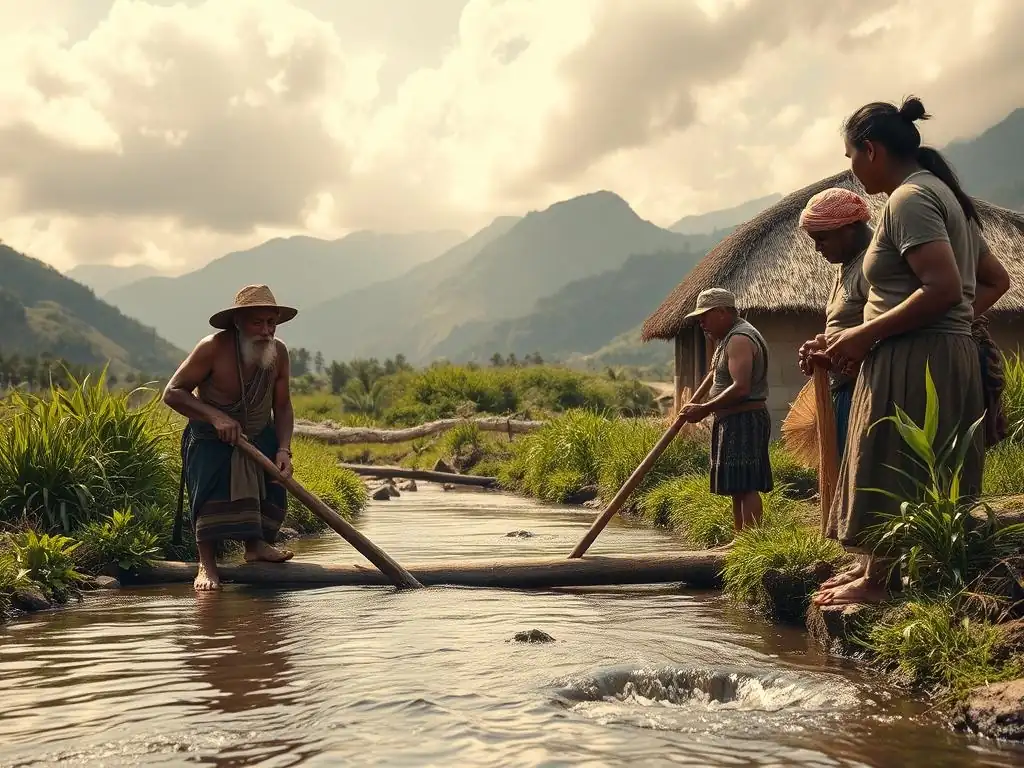
Recommended Books on Indigenous Water Practices
Exploring the depths of Indigenous water management techniques can be greatly enhanced through literature. Here are some essential books that provide insight into Indigenous practices and philosophies regarding water:
-
"Water: The Essence of Life" by Robin Kimmerer
This book merges scientific understanding and Indigenous knowledge, emphasizing the sacred relationship between water and life. Kimmerer, a member of the Citizen Potawatomi Nation, weaves personal narratives with ecological understanding.
-
"My People’s Water: A Native Perspective on Water Management" by John A. St. Clair
St. Clair’s work provides a comprehensive overview of the historical context and contemporary challenges faced by Indigenous communities in managing water resources. His insights into traditional practices are crucial for understanding modern applications.
-
"Braiding Sweetgrass: Indigenous Wisdom, Scientific Knowledge, and the Teachings of Plants" by Robin Wall Kimmerer
This acclaimed book highlights the interconnectedness of all living beings and emphasizes the importance of mutual respect for water and nature. Kimmerer’s narratives draw from her experiences as both a scientist and a member of the Potawatomi Nation.
These books serve as valuable resources for anyone interested in deepening their understanding of Indigenous water management techniques and their relevance in contemporary sustainability efforts.
Online Courses and Workshops for Sustainable Water Management
Engaging in structured learning through online courses and workshops can greatly enhance one's knowledge of Indigenous water management techniques. Below are some notable programs:
-
Indigenous Water Governance Course (University of Victoria)
This course explores the principles of water governance from an Indigenous perspective. Participants learn about traditional ecological knowledge and its application in modern water management strategies.
-
Sustainable Water Management Training (Indigenous Environmental Network)
This workshop series focuses on practical skills and knowledge for sustainable water management in Indigenous communities. Topics include watershed protection, traditional ecological practices, and community-led initiatives.
-
Online Symposium: Indigenous Knowledge and Water Management
Hosted by various Indigenous organizations, this symposium features speakers from different Nations sharing their experiences and techniques in water management. It includes interactive sessions and discussions on the integration of traditional practices with contemporary water management challenges.
These educational opportunities provide not only theoretical knowledge but also practical skills for implementing Indigenous water management techniques in various contexts.
Documentaries Showcasing Indigenous Water Wisdom
Visual storytelling is a powerful way to convey the importance of Indigenous water management techniques. Here are some impactful documentaries that highlight these practices:
-
"The Water Protectors"
This documentary follows the Standing Rock Sioux Tribe's resistance against the Dakota Access Pipeline, showcasing their efforts to protect sacred water sources. It emphasizes the deep connection between Indigenous identity and water stewardship.
-
"Our Water, Our Life"
This film features Indigenous voices from across North America discussing their traditional water management practices. It highlights the role of community collaboration in preserving and protecting water resources.
-
"Tending the Wild"
Based on the book by M. Kat Anderson, this documentary explores the traditional ecological knowledge of Indigenous peoples in California. It illustrates how Indigenous practices have historically contributed to the management and sustainability of local water systems.
These documentaries not only educate viewers about Indigenous water management techniques but also inspire a greater appreciation for the cultural significance of water within Indigenous communities.
Conclusion: The Future of Water Management Inspired by Indigenous Techniques
Water management practices rooted in Indigenous wisdom offer invaluable insights into sustainable solutions for contemporary challenges. As we face increasing water scarcity, pollution, and climate change, the techniques developed by Indigenous communities demonstrate a profound understanding of local ecosystems and their interdependencies. By integrating these practices into modern water management strategies, we can cultivate resilience and promote environmental stewardship.
Indigenous water management techniques emphasize the importance of harmony with nature. For instance, many Indigenous cultures utilize traditional ecological knowledge (TEK) to monitor water quality and quantity, ensuring that aquatic ecosystems remain healthy. This holistic approach not only conserves water but also protects biodiversity, which is essential for the sustainability of our planet.
Moreover, the emphasis on communal stewardship is a hallmark of Indigenous water management. This collective responsibility fosters a sense of belonging and encourages collaborative efforts in preserving water resources. By prioritizing community engagement and education, modern societies can better manage their water resources in ways that honor Indigenous practices and values.
Embracing Indigenous Knowledge for Sustainable Water Solutions
The integration of Indigenous knowledge into contemporary water management systems requires a paradigm shift in how we view resource management. This includes recognizing the value of traditional practices and respecting the rights of Indigenous peoples as stewards of the land.
Some key Indigenous water management techniques that can be adopted include:
- Rainwater Harvesting: Indigenous communities have historically captured and stored rainwater to ensure a reliable water supply, particularly in arid regions. This technique not only conserves water but also reduces reliance on external sources.
- Wetland Restoration: Many Indigenous groups understand the critical role wetlands play in filtering water and supporting biodiversity. Restoring these ecosystems can enhance water quality and provide habitat for wildlife.
- Agroecology: Implementing Indigenous agricultural practices that work in harmony with water cycles can improve soil health and reduce runoff. Techniques such as contour farming and crop diversification can maximize water efficiency.
- Cultural Practices: Rituals and traditions surrounding water use underscore the spiritual connection many Indigenous cultures have with water. Recognizing and respecting these practices can lead to more effective and culturally sensitive water management policies.
By embracing these techniques, we can create a more sustainable future that honors the wisdom of Indigenous civilizations.
Call to Action: Learning from Indigenous Civilizations
As we move forward in addressing the pressing water issues of our time, we must actively seek to learn from Indigenous civilizations. Engaging with Indigenous communities, supporting their rights, and incorporating their knowledge into water management policies can lead to innovative solutions that benefit both people and the planet.
Here are actionable steps to take:
- Advocate for Indigenous Rights: Support policies that recognize and protect the rights of Indigenous peoples, ensuring they have a voice in water management decisions.
- Educate Yourself and Others: Explore the history and significance of Indigenous water management techniques. Share this knowledge within your community to raise awareness about sustainable practices.
- Collaborate with Indigenous Communities: Partner with local Indigenous groups to learn and implement traditional techniques. This collaboration can foster mutual respect and enrich the understanding of sustainable water management.
- Support Sustainable Initiatives: Get involved in projects that focus on sustainable water use and restoration efforts that align with Indigenous practices.
By taking these steps, we can honor the legacy of Indigenous civilizations while working towards a sustainable future for all. Let's commit to integrating Indigenous wisdom into our approach to water management and ensure that future generations inherit a world where water is respected, valued, and preserved.
Frequently Asked Questions
What are Indigenous water management techniques?
Indigenous water management techniques refer to traditional practices developed by Native cultures to effectively manage, conserve, and utilize water resources within their environments.
Why are these techniques important today?
These techniques are crucial as they offer sustainable solutions to modern water challenges, promoting environmental health and resilience against climate change.
How did Indigenous peoples adapt to their environments?
Indigenous peoples developed unique water management systems that included rainwater harvesting, floodplain management, and the use of natural landscapes to enhance water availability.
Can modern society learn from these techniques?
Yes, modern society can adopt these time-tested practices to improve water conservation efforts and promote sustainability in agriculture and urban planning.
What impact did colonization have on Indigenous water practices?
Colonization often disrupted traditional practices, leading to loss of knowledge and access to water resources, which significantly affected the cultural and environmental heritage of Indigenous communities.
Final Reflection: Embracing Indigenous Water Management Techniques for a Sustainable Future
The wisdom of Indigenous water management techniques is more relevant today than ever, as we face unprecedented challenges related to climate change and water scarcity. These time-tested practices offer invaluable insights into sustainable resource management that can help us navigate the complexities of modern environmental issues. The urgency of adopting these techniques is clear; they not only promote ecological balance but also foster community resilience in the face of adversity.
Indigenous water management techniques have profoundly shaped our understanding of sustainable practices, influencing both cultural and social landscapes across the globe. The integration of these methods into contemporary water management strategies not only honors Indigenous knowledge but also enriches our collective approach to sustainability. As the late Indigenous leader and activist Winona LaDuke once said, The land is not just our home; it is our identity, our culture, and our future.
This perspective underscores the importance of recognizing and valuing the intricate relationship between people and water, which is central to Indigenous teachings.
As we reflect on the lessons shared in this article, I invite you to consider how you can incorporate Indigenous water management techniques into your own life and community practices. Let us commit to learning from these rich traditions and advocate for their integration into modern water management policies. By doing so, we not only honor the wisdom of Indigenous cultures but also take meaningful steps toward a sustainable future for generations to come. Together, we can cultivate a deeper respect for our water resources and ensure their preservation for all.
Embrace the Flow: Take Action for Sustainable Water Management!
Thank you for exploring the insights of Indigenous techniques for sustainable water management. Your interest in this crucial topic demonstrates a commitment to preserving our precious water resources. Now, it’s time to transform that knowledge into action!
Here are some practical steps you can take to make a positive impact:
- Implement Indigenous Practices: Incorporate traditional water conservation methods into your daily life, such as rainwater harvesting or contour farming. Every small effort counts!
- Join the Conversation: Engage with local Indigenous communities to learn about their water management practices. Consider organizing or attending workshops to deepen your understanding and support their initiatives.
- Share Your Knowledge: Spread awareness by sharing this article with friends and family. You can also post on social media about what you’ve learned, encouraging others to participate in the movement for sustainable water practices.
How can you incorporate Indigenous water wisdom into your community to inspire others toward better stewardship of water resources?