
The Significance of Trade in the Social Structures of Indigenous Communities

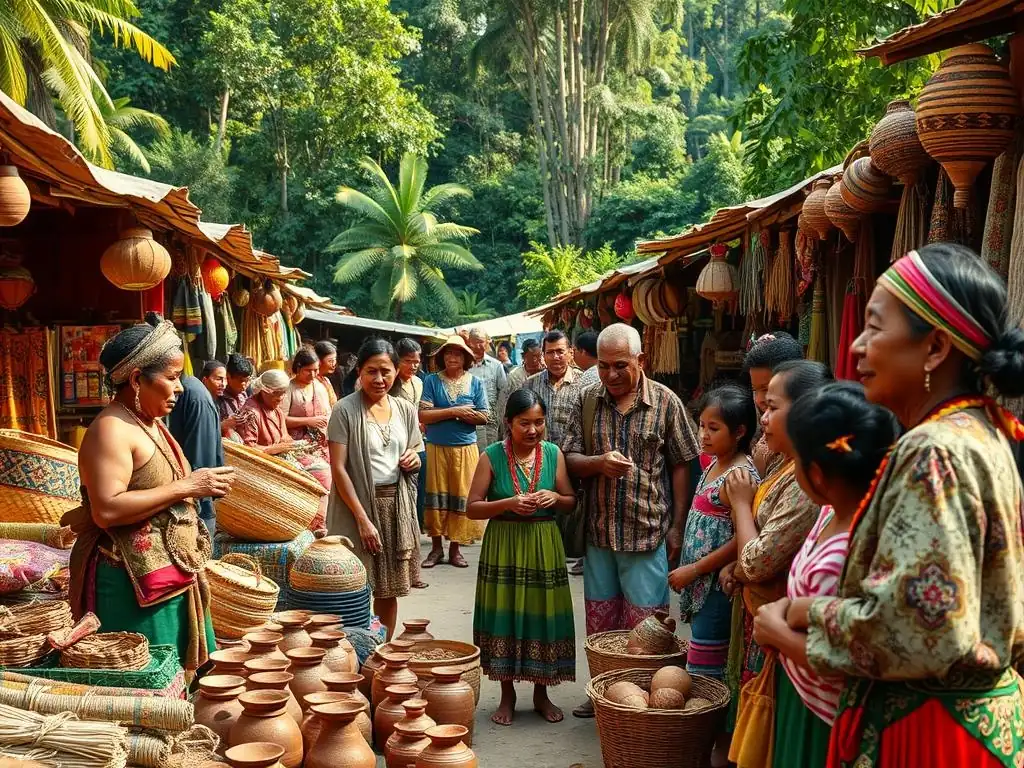
Welcome to Indigenous Civilizations of the Americas, where we invite you to journey through the rich tapestry of diverse indigenous cultures that flourished long before the arrival of European settlers. Our featured article, "The Significance of Trade in the Social Structures of Indigenous Communities," delves into the intricate web of trade relationships that not only sustained these societies but also shaped their social dynamics and cultural identities.
Discover how trade networks transcended mere commerce, fostering cooperation, innovation, and a profound sense of community. Join us as we unravel the stories behind these vibrant civilizations and their enduring legacies—your exploration starts here!
Trade has always been a pivotal aspect of human societies, serving not only as a means of exchanging goods but also as a catalyst for social interaction and cultural exchange. In the context of Indigenous communities across the Americas, trade played an essential role in shaping social structures, fostering relationships, and establishing networks that transcended geographical boundaries. This article explores the significance of trade in Indigenous communities, revealing how these practices were intricately woven into the fabric of their societies and how they contributed to the development of complex social systems long before European colonization.
Introduction to Trade in Indigenous Communities
Trade in Indigenous communities was more than just a transactional activity; it was a fundamental aspect of their social and cultural life. Indigenous peoples engaged in trade to acquire resources that were not locally available, to strengthen alliances, and to maintain social cohesion within and between tribes. The systems of trade established by these communities were often sophisticated and varied, reflecting their diverse environments, cultural practices, and economic needs.
Overview of Indigenous Trade Practices
Indigenous trade practices encompassed a wide range of activities, including bartering, gift-giving, and the establishment of trade fairs. These practices were influenced by numerous factors:
- Geography: Communities traded based on the availability of natural resources. For example, coastal tribes traded fish and shellfish, while inland tribes exchanged agricultural products.
- Cultural Exchange: Trade facilitated not only the exchange of goods but also cultural practices, ideas, and technologies. This resulted in a rich tapestry of shared knowledge and traditions.
- Social Hierarchies: Trade often reinforced social hierarchies within communities. Individuals or families who controlled significant trade routes or resources could gain status and influence.
Importance of Trade in Social Structures
The role of trade in the social structures of Indigenous communities can be assessed through several key points:
- Economic Interdependence: Trade fostered interdependence among different tribes, creating networks that served to strengthen alliances and peace.
- Cultural Identity: The goods traded often carried cultural significance, reflecting the identities and values of the communities involved.
- Conflict Resolution: Trade relationships could serve as peace treaties, where goods exchanged symbolized trust and mutual benefit.
Historical Context of Trade in Indigenous Communities
Understanding the historical context of trade in Indigenous communities is crucial to appreciating its significance. The trade networks established prior to European contact were extensive and complex, indicating a high level of social organization.
Pre-Columbian Trade Networks
Before the arrival of Europeans, Indigenous communities across the Americas had developed intricate trade networks. These networks connected tribes over vast distances, facilitating the exchange of goods such as:
- Textiles and Ceramics: Often made by skilled artisans, these items were highly valued and traded widely.
- Food Products: Crops like maize, beans, and squash were exchanged, as well as preserved foods like jerky.
- Metals and Tools: Indigenous groups traded valuable materials and tools that were essential for daily life.
Key Trade Routes and Their Impact
Several key trade routes emerged in pre-Columbian times, each with profound implications for social structures:
- The Mississippi River Trade Route: This route connected various tribes in the central United States, facilitating the exchange of goods and fostering cultural interactions.
- The Pacific Coast Trade Network: Coastal tribes engaged in extensive maritime trade, exchanging fish, shellfish, and crafted goods, which enhanced their economic and social ties.
The significance of these trade routes can be seen in how they shaped social dynamics, influenced migration patterns, and facilitated cultural exchange among diverse Indigenous communities.
Trade played a pivotal role in shaping the social structures of indigenous communities across the Americas. It acted not only as a means of economic exchange but also as a powerful catalyst for social interaction and organization. The networks formed through trade fostered relationships that transcended local boundaries, allowing for the sharing of goods, ideas, and cultural practices. This interconnectivity was essential for the development of complex societies, where social hierarchies and roles were often defined by an individual's place within these trade networks.
The influence of trade can be observed in various aspects of social organization, from the establishment of leadership roles to the reinforcement of kinship ties. Leaders often emerged from those who had the most extensive trading connections, as their ability to negotiate and facilitate exchanges positioned them as influential figures within the community. Furthermore, trade often served as a medium for diplomatic relationships, where alliances were formed through the exchange of valuable goods. Such relationships contributed to the stability and cohesion of communities, reinforcing social bonds that were critical for survival.
Role of Trade in Community Organization
In many indigenous cultures, trade was fundamental to community organization, impacting how groups were structured and how individuals interacted. Communities often formed around trade hubs, strategically located to facilitate the movement of goods. These hubs became centers of not only economic activity but also cultural exchange, where diverse groups would come together to share knowledge and traditions.
Within these organized trade networks, roles and responsibilities were clearly defined. Certain individuals took on the task of traders, while others specialized in crafting goods that were in demand. This division of labor not only improved efficiency but also reinforced social hierarchies, with skilled artisans often holding a higher status within their communities. As a result, trade contributed to the emergence of complex social orders, where power dynamics were closely tied to economic capabilities.
Trade as a Catalyst for Social Relationships
Trade served as a vital catalyst for social relationships among indigenous communities. Through trade interactions, individuals and groups established bonds that transcended linguistic and cultural barriers. These relationships often led to the sharing of resources, knowledge, and even marriages between different tribes or communities, further intertwining their social fabrics.
Moreover, trade networks facilitated the movement of people, allowing for cultural diffusion. As traders traveled, they not only exchanged goods but also stories, traditions, and practices, enriching the social landscape of their communities. This dynamic interplay of trade and relationships fostered a sense of interconnectedness among diverse indigenous groups, reinforcing their collective identity and resilience.
Types of Trade in Indigenous Communities
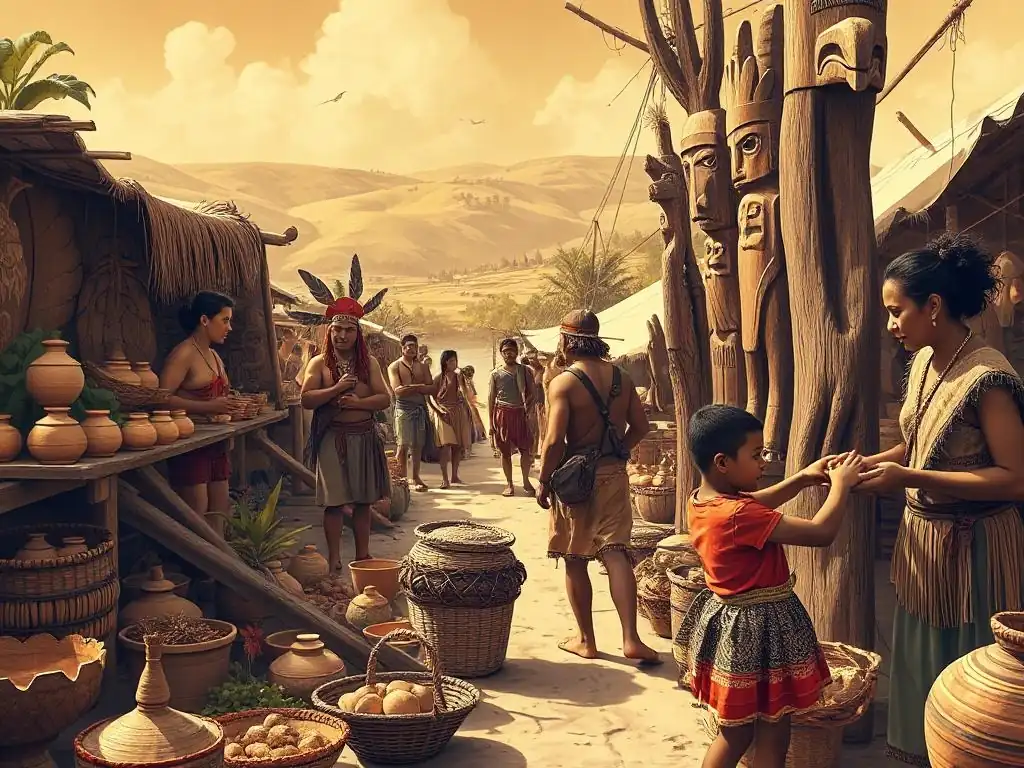
Indigenous communities engaged in various types of trade that reflected their geographical, cultural, and resource contexts. The nature of these trade practices was often dictated by the environment, available resources, and the specific needs of the communities involved. Understanding these trade types offers insight into the economic and social dynamics of indigenous societies.
Bartering Systems and Their Significance
Bartering was the primary system of trade in many indigenous communities, where goods and services were exchanged directly without the use of currency. This system was significant for several reasons. Firstly, it fostered a sense of trust and reciprocity among trading partners, as transactions were often based on personal relationships rather than impersonal market exchanges.
Additionally, bartering allowed for the efficient allocation of resources. Communities could exchange surplus goods for items they lacked, ensuring that needs were met without the need for a formalized currency system. This direct exchange strengthened social bonds and reinforced community interdependence, as individuals relied on one another for their economic survival.
Trade Goods: What Was Exchanged?
The items exchanged in indigenous trade networks were diverse and varied according to local resources and demands. Common trade goods included:
- Foodstuffs: Crops like maize, beans, and squash were often traded between agricultural communities.
- Crafts and Artifacts: Items such as pottery, textiles, and tools demonstrated the unique craftsmanship of various cultures.
- Raw Materials: Resources like obsidian, shells, and copper were highly sought after for their utility and aesthetic value.
- Cultural Items: Ritual objects and symbolic artifacts were exchanged, facilitating cultural understanding and influence.
These trade goods not only met practical needs but also served as conduits for cultural exchange, allowing indigenous communities to share their identities and values through the items they produced and traded. The significance of these exchanges extended beyond mere commerce, embedding trade deeply within the social and cultural frameworks of indigenous societies.
The Impact of Trade on Indigenous Economies
Trade played a pivotal role in shaping the economies of indigenous communities across the Americas. It was not merely a means of exchanging goods but a complex system that facilitated the growth of economic networks, influenced social hierarchies, and fostered inter-community relationships. Indigenous economies were often characterized by a combination of subsistence practices and trade, allowing communities to access resources that were not locally available. This access to a variety of goods contributed to increased wealth and prosperity within these societies.
The establishment of trade routes enabled indigenous groups to specialize in certain commodities, which in turn encouraged innovation and technological advancements. For instance, the development of canoes and other means of transport enhanced the ability to trade over long distances, leading to the formation of extensive trade networks. These networks often spanned vast geographic areas, connecting diverse communities and facilitating the exchange of not only goods but also cultural practices and ideas.
Economic Structures and Trade Dynamics
The economic structures of indigenous communities were deeply intertwined with their trade dynamics. Many societies operated on a barter system, where goods and services were exchanged directly without the use of currency. This system allowed for flexibility and adaptability, as communities could negotiate trades that best suited their immediate needs. The value of goods was often determined by their scarcity and the effort required to obtain them, which reflected the community’s relationship with its environment.
Moreover, trade relationships often established social hierarchies within and between communities. Leaders or intermediaries who controlled trade routes or access to valuable resources gained significant influence and power. These dynamics created a complex interplay of cooperation and competition, as communities sought to protect their economic interests and enhance their standing among neighboring groups.
Resource Distribution Through Trade Networks
Trade networks were essential for resource distribution among indigenous communities, ensuring that even the most remote groups had access to vital resources. These networks varied greatly in scale and complexity, from local exchanges between neighboring tribes to extensive trading systems that spanned continents. Products such as shells, salt, textiles, and food items were commonly traded, allowing for a diverse array of goods to circulate among different regions.
The movement of resources through trade networks also fostered relationships of interdependence among communities. For instance, a community that specialized in hunting may have relied on other groups for agricultural produce, while those in resource-rich areas would trade surplus goods for items they lacked. This interdependence not only bolstered economic stability but also encouraged cultural exchanges that would enrich the social fabric of these societies.
Cultural Exchange Through Trade
Trade was not solely an economic activity; it was also a vital conduit for cultural exchange. As goods were exchanged, so too were ideas, beliefs, and practices. This cultural exchange played a significant role in shaping the identities of indigenous communities, as they interacted with neighboring groups through trade.
The Role of Trade in Cultural Identity
The goods traded often held significant cultural value, representing not just material wealth but also social status and identity. Items such as ceremonial artifacts, clothing, and art were not merely products but symbols of cultural heritage. The ability to obtain or trade for these items could enhance a community's status and affirm its identity in the eyes of others.
Furthermore, trade networks facilitated the spread of cultural practices, beliefs, and languages. As communities engaged with one another, they shared customs, stories, and religious beliefs, leading to a rich tapestry of cultural diversity. This intermingling of cultures contributed to the resilience and adaptability of indigenous societies, allowing them to thrive despite external pressures.
Exchange of Knowledge and Practices
In addition to material goods, trade served as a platform for the exchange of knowledge and practices among indigenous communities. Techniques related to agriculture, fishing, and crafting were often shared through trade interactions, leading to advancements in skills and technologies. For example, the introduction of new agricultural methods or tools could significantly improve food production and resource management.
The dissemination of knowledge also extended to medicinal practices, where traders shared herbal remedies and healing techniques that were unique to their regions. This exchange enriched the health practices of various communities and fostered a collaborative approach to well-being and survival. Ultimately, the exchange of knowledge through trade networks contributed to the dynamism and resilience of indigenous cultures across the Americas.
Case Studies of Trade in Specific Indigenous Communities
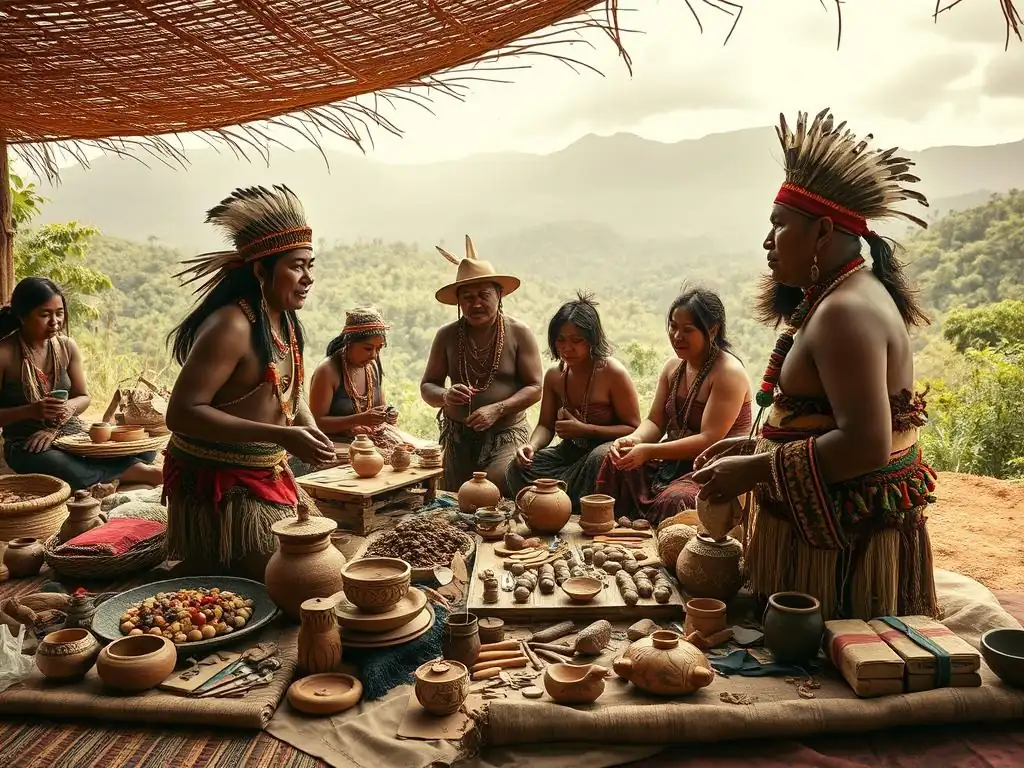
Trade played a pivotal role in shaping the social structures of various indigenous communities across the Americas. Through the exchange of goods, ideas, and cultural practices, these communities developed intricate networks that fostered relationships and built alliances. Here, we explore two significant case studies that highlight the importance of trade in the social dynamics of indigenous peoples.
Case Study 1: The Pueblo Peoples
The Pueblo peoples of the Southwestern United States exemplify the significance of trade in their societal structure. Known for their sophisticated agricultural practices, the Pueblo communities engaged in extensive trade networks that connected them with neighboring tribes and distant cultures.
- Goods Traded: Their trade included pottery, woven textiles, and agricultural products like corn and beans. They also exchanged items such as turquoise and other minerals, which held spiritual significance and were used in jewelry-making.
- Social Impacts: The trade routes established by the Pueblo peoples not only facilitated economic transactions but also encouraged cultural exchanges. Festivals and trade fairs, such as the Pueblo Feast Days, became central events where communities gathered to celebrate, share stories, and solidify social bonds.
- Political Alliances: Trade relationships often resulted in political alliances, which were crucial for mutual defense against external threats. The Pueblo peoples utilized these alliances to strengthen their communities, showcasing the interdependence of trade and social cohesion.
Case Study 2: The Iroquois Confederacy
The Iroquois Confederacy, comprising the Mohawk, Oneida, Onondaga, Cayuga, Seneca, and later the Tuscarora tribes, provides another compelling example of how trade influenced social structures.
- Trade Networks: The Iroquois established a vast trade network that extended throughout the Northeastern woodlands and into the Great Lakes region. They traded goods such as furs, tools, and agricultural products, which were vital for their survival and prosperity.
- Social Organization: The Confederacy's sophisticated political system was closely tied to trade practices. The Great Law of Peace, which governed the Iroquois nations, emphasized cooperation and collective decision-making, reflecting the collaborative nature of their trading activities.
- Cultural Exchange: Through trade, the Iroquois interacted with various European settlers, which led to the introduction of new goods and technologies. This exchange not only transformed their economy but also impacted their social structures by integrating new ideas and practices.
Modern Perspectives on Indigenous Trade
The legacy of trade in indigenous communities is not confined to the past; it continues to influence contemporary societies. Modern perspectives recognize the importance of revitalizing traditional trade practices and the potential for economic development within indigenous communities.
Revitalization of Traditional Trade Practices
In recent years, there has been a growing movement among indigenous communities to revitalize traditional trade practices.
- Cultural Heritage: This revitalization is often rooted in a desire to preserve cultural heritage and identity. By engaging in traditional crafts and trades, communities are fostering a sense of pride and connection to their ancestors.
- Local Economies: Many indigenous artisans and entrepreneurs are focusing on local markets, selling handmade goods that reflect their cultural narratives. This not only supports local economies but also promotes sustainability and environmental stewardship.
- Collaboration and Networking: Modern technology has enabled indigenous communities to establish networks that facilitate trade beyond geographical limitations. Online platforms allow artisans to reach broader markets, enhancing their economic viability.
Trade and Economic Development in Contemporary Indigenous Communities
Trade continues to play a critical role in the economic development of contemporary indigenous communities.
- Strategic Partnerships: Many communities are forging strategic partnerships with businesses and organizations to enhance their economic opportunities. These collaborations often focus on fair trade principles, ensuring that indigenous producers receive equitable compensation for their goods.
- Ecotourism and Cultural Exchanges: Indigenous communities are increasingly engaging in ecotourism and cultural exchange programs, which not only generate revenue but also provide educational opportunities for visitors. This approach allows communities to showcase their rich cultural heritage while benefiting economically.
- Policy Advocacy: Indigenous leaders and organizations are advocating for policies that support trade and economic development. Efforts to improve access to markets, protect traditional knowledge, and promote indigenous rights are essential in fostering sustainable economic growth.
The significance of trade in the social structures of indigenous communities remains relevant today, shaping not only their past but also their future in a rapidly changing world.
Conclusion
Trade in Indigenous Communities was a cornerstone of social structure and cultural development across the Americas. The intricate networks established not only facilitated the exchange of goods but also fostered relationships and interactions among diverse groups. These trade relations contributed significantly to the social cohesion and identity of Indigenous peoples, serving as a means of sharing knowledge, cultural practices, and innovations.
As we reflect on the historical significance of these trade networks, it is essential to recognize their role in shaping societal dynamics. The exchange of goods often went hand in hand with the exchange of ideas and cultural values, reinforcing community bonds and creating a sense of shared identity among different tribes. The legacy of these trade practices continues to influence modern Indigenous communities, as they navigate the complexities of contemporary economic systems while striving to preserve their cultural heritage.
The Lasting Significance of Trade in Indigenous Social Structures
The impact of trade on Indigenous communities can be observed in several key areas:
- Cultural Exchange: Trade allowed for the sharing of cultural artifacts, religious beliefs, and artistic expressions, enriching the social fabric of communities. For instance, the movement of goods such as textiles and pottery provided opportunities for creative expression and cultural dialogue.
- Social Hierarchies: Trade relationships often established social hierarchies based on the control of resources and trade routes. Leaders or chiefs who managed these trade networks typically gained stature and influence within their communities, reinforcing their authority.
- Economic Interdependence: The reliance on trade fostered economic interdependence among different groups, promoting alliances and mutual support. This interdependence was crucial for survival, especially in regions with varied resources.
- Adaptation and Resilience: Indigenous communities adapted their trade practices to respond to environmental changes, technological advances, and shifts in demand. This adaptability has been vital for the resilience of these cultures over time.
Trade not only shaped economic interactions but also played a critical role in the social organization of Indigenous societies, leaving a lasting legacy that continues to resonate today.
Future Implications for Indigenous Communities and Trade
Looking ahead, the implications of trade for Indigenous communities remain significant. As these communities engage with the modern economy, several factors will influence their trade practices and social structures:
- Revitalization of Traditional Practices: There is a growing movement among Indigenous peoples to revitalize traditional trade practices. This involves integrating ancestral knowledge with contemporary methods, ensuring that cultural heritage is preserved while adapting to new markets.
- Sustainable Development: As Indigenous communities advocate for sustainable practices, trade can become a means to promote environmental stewardship and social equity. By emphasizing local goods and services, communities can enhance their economic resilience while conserving their natural resources.
- Global Market Integration: The increasing globalization of trade presents both challenges and opportunities. Indigenous communities must navigate complex international markets while maintaining their cultural integrity and autonomy. Collaborations with non-Indigenous partners can provide access to broader markets, but they also require careful negotiation to protect Indigenous rights.
- Policy Advocacy: Engaging in policy advocacy to influence trade regulations and practices is crucial. Indigenous leaders and organizations can work towards creating frameworks that honor their unique perspectives and ensure equitable participation in economic opportunities.
The future of trade in Indigenous communities is shaped by a balance between honoring traditional practices and adapting to contemporary economic landscapes. By recognizing the importance of trade in their social structures, Indigenous peoples can continue to thrive while fostering cultural resilience and economic sustainability.
- Introduction to Trade in Indigenous Communities
- Historical Context of Trade in Indigenous Communities
- Social Structures Influenced by Trade
- Types of Trade in Indigenous Communities
- The Impact of Trade on Indigenous Economies
- Cultural Exchange Through Trade
- Case Studies of Trade in Specific Indigenous Communities
- Modern Perspectives on Indigenous Trade
- Conclusion
Frequently Asked Questions
What role did trade play in indigenous communities?
Trade was a vital component of indigenous communities, facilitating economic exchange and the sharing of resources, goods, and cultural practices.
Trade helped to establish social hierarchies and relationships, as it often determined status and access to valuable goods, fostering connections between different communities.
What types of goods were commonly traded?
Indigenous communities traded a variety of goods, including food, tools, textiles, and ceremonial items, which varied significantly across different cultures and regions.
Did trade influence cultural exchange?
Yes, trade was a key factor in cultural exchange, allowing for the sharing of ideas, traditions, and technologies, which enriched the diversity of indigenous cultures.
How did trade networks operate among indigenous peoples?
Trade networks often involved complex systems of barter and exchange, with established routes that connected various tribes and facilitated the movement of goods across vast distances.
Final Reflection: The Enduring Legacy of Trade in Indigenous Communities
The significance of trade in Indigenous communities is not merely a historical footnote; it is a living testament to resilience and cultural exchange. Today, as we navigate a globalized world, the intricate trade networks established by Indigenous peoples remind us of the importance of sustainable practices and mutual respect in economic interactions. The lessons learned from these communities challenge us to rethink our own approaches to trade and commerce, emphasizing the need for equitable relationships that honor cultural heritage.
The impact of trade in Indigenous communities extends far beyond economics; it shapes social structures, fosters community bonds, and preserves traditions. The ongoing relevance of these trade practices can be seen in contemporary movements advocating for Indigenous rights and sustainable development. As we reflect on this influence, we are reminded of the words of Chief Seattle: We do not inherit the earth from our ancestors; we borrow it from our children.
This quote encapsulates the responsibility we share in honoring the legacy of Indigenous trade practices while ensuring a sustainable future for generations to come.
As you contemplate the themes presented in this article, I invite you to reflect on your own relationship with trade and community. Consider how you can support Indigenous practices and promote equitable trade in your own life. Whether through conscious consumer choices or advocacy for Indigenous rights, each action contributes to a broader movement that respects and uplifts the rich traditions of Indigenous communities. Let us carry forward the lessons of trade, not just as a means of exchange, but as a pathway to understanding, respect, and unity.
Unveil the Power of Indigenous Trade Networks Today!
Thank you for immersing yourself in the rich tapestry of trade and social structures within Indigenous communities. By understanding the significance of these trade networks, you've gained valuable insights into how they have shaped identities and fostered connections across cultures.
Now, it's time to take your newfound knowledge and channel it into meaningful action:
- Engage with your local Indigenous communities: Attend events, workshops, or markets that celebrate their cultures and practices. Your presence as a supporter truly matters!
- Share what you’ve learned: Discuss the importance of Indigenous trade within your social circles or on social media to help raise awareness and appreciation.
- Explore further: Dive into literature or documentaries that delve deeper into Indigenous trade practices and their lasting impacts on social structures.
What insights about Indigenous trade have inspired you the most, and how will you incorporate this understanding into your interactions within your own community?