
The Significance of Community Layout in Indigenous Settlements

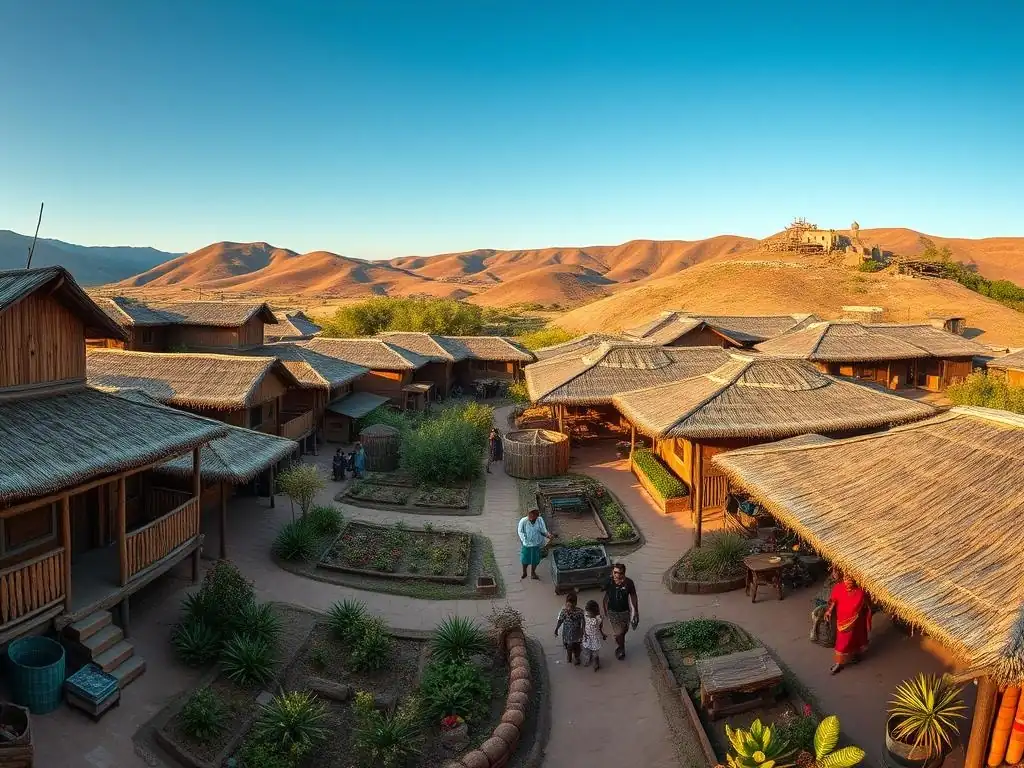
Welcome to Indigenous Civilizations of the Americas, where we invite you to embark on a fascinating journey through time to uncover the rich tapestry of indigenous cultures that flourished long before European colonization. In our featured article, "The Significance of Community Layout in Indigenous Settlements," we delve into the intricate designs and social structures that defined these vibrant communities. Discover how the layout of these settlements not only reflected the values and beliefs of their inhabitants but also played a crucial role in their daily lives.
Ready to explore the profound impact of these indigenous settlements? Let’s dive deeper into the legacy that continues to resonate today!
Introduction to Indigenous Settlements Community Layout
The layout of indigenous settlements is a profound reflection of the cultural values, social structures, and environmental adaptations of the peoples who inhabited the Americas long before European colonization. Understanding the community layout of these indigenous settlements provides insight into their daily lives, spiritual beliefs, and communal interactions.
From the sprawling cities of the Aztecs to the intricate villages of the Pueblo peoples, each settlement was not merely a collection of homes; it was a carefully planned environment that facilitated social cohesion, resource management, and cultural expression. This article delves into the significance of community layout in indigenous cultures, highlighting its role in shaping identities and fostering resilience.
Overview of Indigenous Settlements
Indigenous settlements across the Americas were as diverse as the cultures that created them. They ranged from nomadic bands that moved with the seasons to complex urban centers that housed thousands of inhabitants. Here are some defining features of indigenous settlements:
- Diversity of Structures: Homes varied significantly, including tipis, longhouses, pueblos, and earth lodges, often constructed using locally available materials.
- Community Centers: Many settlements included central spaces for gatherings, ceremonies, and trade, serving as hubs for social interaction.
- Agricultural Practices: Settlements were often strategically placed near fertile land or freshwater sources, showcasing the deep connection between community layout and sustainable agricultural practices.
Importance of Community Layout in Indigenous Cultures
The layout of indigenous settlements played a crucial role in the cultural identity and social organization of these communities. Key aspects include:
- Social Hierarchy: The arrangement of homes could reflect social status and roles within the community, influencing everything from governance to kinship ties.
- Cultural Rituals: Many indigenous peoples designed their settlements to align with spiritual beliefs, incorporating sacred sites and ceremonial spaces that reinforced their worldview.
- Resource Management: Effective community layouts facilitated the management of resources, such as water and food, ensuring the survival and prosperity of the group.
Historical Context of Indigenous Settlements
Understanding the historical context of indigenous settlements provides clarity on their development and significance.
Evolution of Community Layout Over Time
Indigenous settlements evolved significantly over time, influenced by factors such as:
- Technological Advances: Innovations in construction and agricultural techniques allowed for more permanent and complex structures.
- Population Growth: As populations increased, settlements expanded, leading to more sophisticated layouts to accommodate larger communities.
- Cultural Exchange: Interactions between different indigenous groups often led to the sharing of ideas and practices, further shaping community layouts.
Influence of Geography on Settlement Patterns
Geography played a fundamental role in shaping the layout of indigenous settlements. Variations in climate, topography, and available resources led to distinct settlement patterns, including:
- Coastal Settlements: Communities near oceans or rivers often prioritized access to water for fishing and transportation, influencing the spatial arrangement of their homes.
- Mountainous Regions: In highland areas, settlements had to adapt to steep terrain, often resulting in terraced farming and clustered dwellings for stability.
- Plains Communities: Nomadic tribes in the plains developed flexible layouts that allowed for mobility and resource accessibility, reflecting their lifestyle and survival strategies.
By exploring these dimensions, we gain a deeper appreciation for the ingenuity and adaptability of indigenous peoples in their community layouts, which were essential to their way of life.
Key Features of Indigenous Community Layout
Indigenous settlements exhibit a variety of community layouts that reflect their unique cultural values, environmental adaptations, and social structures. Key features often include:
- Centralized Gathering Spaces: Many indigenous communities prioritize communal areas, such as plazas or ceremonial grounds, serving as focal points for social interaction, trade, and rituals. These spaces foster a sense of belonging and collective identity.
- Proximity to Resources: Settlements are frequently planned in relation to natural resources such as water sources, fertile land, and forests. This strategic placement ensures sustainable living conditions and easy access to necessary materials.
- Housing Arrangements: The layout of housing units varies significantly but often includes clusters or compounds that encourage communal living. Structures are designed not only for individual families but also for extended family groups, promoting strong kinship ties.
- Pathways and Connectivity: Indigenous settlements typically feature pathways that enhance mobility and accessibility among various community areas. These routes foster interactions and cultural exchanges, reinforcing social bonds.
Spatial Organization in Indigenous Settlements
Spatial organization in indigenous settlements is deeply influenced by cultural practices and environmental factors. For example, many communities employ a radial or concentric design where homes and communal spaces radiate from a central point. This design facilitates easy access to communal areas, reinforcing the importance of social connectivity.
In contrast, some cultures may adopt a linear layout, often aligned with critical environmental features like rivers or coastlines. This arrangement can optimize resource access while allowing for efficient agricultural practices.
Additionally, the orientation of structures often reflects cosmological beliefs, with certain directions considered sacred. This integration of spirituality with daily life illustrates the profound connection indigenous peoples maintain with their environment.
Cultural Considerations in Community Layout
Cultural beliefs and practices play a significant role in shaping the layout of indigenous settlements. For many indigenous cultures, the design of community spaces is a reflection of their worldview and social values.
- Symbolism in Layout: Certain shapes, such as circles or squares, may carry spiritual significance, representing harmony and balance. This symbolism extends to the arrangement of dwellings, which might be organized around a central spiritual or ceremonial space.
- Social Hierarchies: The placement of structures can also reflect social stratification. For instance, in some communities, the homes of leaders or elders may be positioned near communal areas, symbolizing their role as guides and decision-makers.
- Adaptation to Environment: Indigenous peoples have historically adapted their community layouts to suit their specific environments. This includes considering climate, geography, and available materials when designing homes and communal spaces.
Variations in Community Layout Among Different Indigenous Cultures
The diversity of indigenous cultures across the Americas results in a wide range of community layouts. Each layout reflects distinct environmental adaptations, social structures, and cultural priorities.
Comparison of Community Layouts Across Regions
- North American Plains: Tribes such as the Lakota or Cheyenne often lived in mobile homes, such as tipis, arranged in a circular formation. This layout facilitated communal gatherings and mobility in response to seasonal migrations.
- Mesoamerican Civilizations: In cultures like the Maya, urban centers featured complex layouts with pyramids, plazas, and residential areas organized in a grid pattern. These layouts were designed to accommodate large populations and facilitate trade and ceremonial activities.
- Andean Cultures: The Inca civilization developed terraced settlements that adapted to mountainous terrains. Their community layouts were strategically designed to maximize agricultural productivity and defense.
Case Studies of Unique Community Layouts
- The Pueblo Communities: The Pueblo peoples of the Southwest United States constructed multi-story adobe dwellings clustered around communal plazas. These layouts promote social interaction and communal living, reflecting their emphasis on community cohesion.
- The Inuit: In Arctic regions, Inuit communities traditionally utilized igloos and semi-subterranean homes arranged in a way that maximized protection from harsh weather while facilitating social gatherings. This spatial organization showcases their adaptability to extreme environments.
- The Tlingit: The coastal Tlingit of the Pacific Northwest built longhouses that served as both homes and community centers. These structures often housed extended families and were intricately decorated, reflecting the cultural significance of family lineage and heritage.
The significance of community layout in indigenous settlements reveals a profound relationship between culture, environment, and social dynamics, highlighting the intricate ways in which indigenous peoples have organized their lives long before European contact.
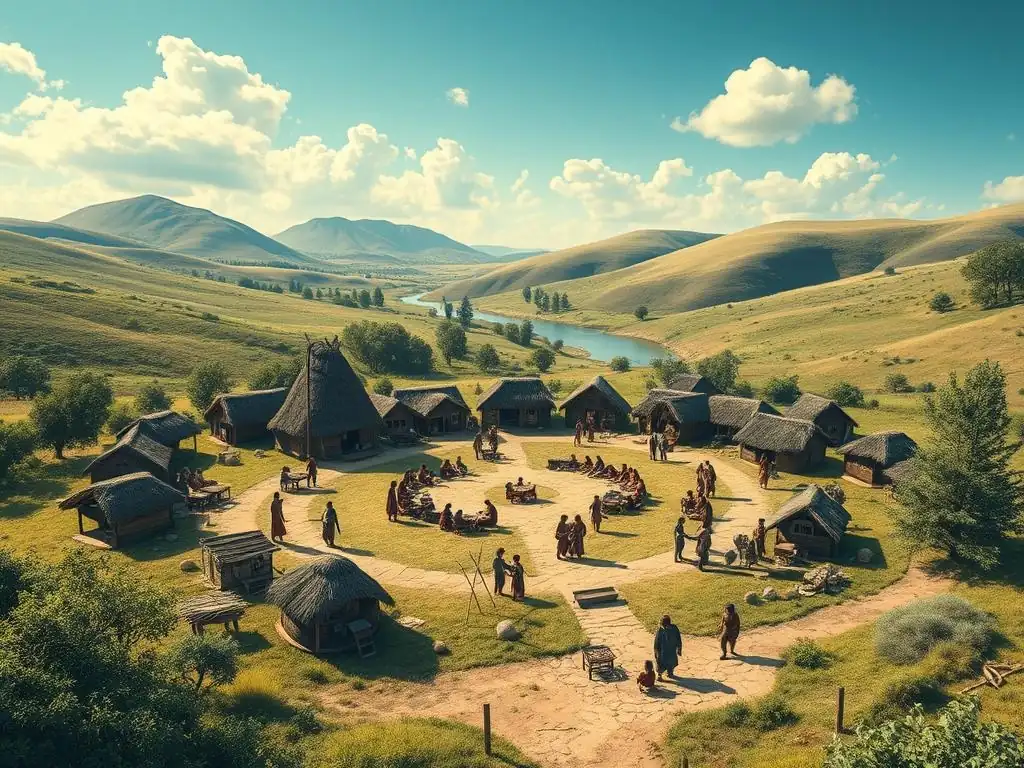
The community layout of indigenous settlements played a crucial role in fostering social cohesion among inhabitants. Rather than being solely a matter of aesthetics or convenience, the spatial organization of these communities was deeply intertwined with cultural values, social interactions, and collective identity. Many indigenous groups designed their settlements to facilitate interaction, with common areas that served as gathering spots for socialization, trade, and communal activities.
The physical arrangement often reflected the community's social structure, with the placement of homes and communal facilities promoting a sense of belonging and mutual support. For example, in many Native American tribes, the layout included circular formations or clusters that encouraged face-to-face communication and reinforced kinship ties. This integration of space and social life not only strengthened relationships within the community but also created a resilient network of support that could withstand external pressures.
Enhancing Community Interaction and Cooperation
One of the most notable aspects of indigenous settlements' community layout is its intentional design to enhance interaction and cooperation among residents. Common spaces such as plazas, open fields, and shared gardens played a vital role in bringing people together. These areas often served as venues for communal activities, festivals, and decision-making processes, thereby fostering a sense of unity and shared purpose.
In many cultures, the location of homes was strategically planned to encourage neighborly interactions. For instance, in some Mesoamerican societies, dwellings were arranged around communal spaces, allowing for easy access and visibility. This proximity facilitated collaboration in daily tasks, mutual aid during challenging times, and collective celebrations during joyous occasions. The design of these settlements emphasized the importance of community bonds, reflecting a worldview in which cooperation and collective well-being were paramount.
Impact of Layout on Rituals and Ceremonies
The layout of indigenous settlements significantly influenced the conduct of rituals and ceremonies, which often held profound spiritual and cultural significance. Many indigenous cultures incorporated sacred spaces or structures into their community designs, such as temples, altars, or ceremonial mounds, strategically located to align with celestial events or natural landmarks.
For example, the layout of the ceremonial centers of the Mississippian culture, such as Cahokia, was meticulously planned to facilitate large gatherings for rituals, trade, and social events. The configuration of these spaces allowed for a clear delineation between sacred and secular areas, reinforcing the community's spiritual practices and cultural identity. This thoughtful design ensured that rituals could be performed effectively, fostering a sense of continuity and connection to ancestral traditions.
Modern Implications of Indigenous Community Layout
The principles inherent in indigenous settlements' community layout offer valuable insights for contemporary urban planning and community development. Understanding how these historical layouts promote social cohesion, cultural identity, and environmental sustainability can inform modern practices that seek to create inclusive and resilient urban spaces.
Lessons from Indigenous Settlements for Contemporary Urban Planning
Modern urban planners can draw significant lessons from the community layouts of indigenous settlements. The emphasis on communal spaces, pedestrian-friendly designs, and integration with nature can help create healthier and more vibrant urban environments. For instance, incorporating parks, plazas, and community gardens into urban designs can replicate the social benefits seen in indigenous cultures, fostering interaction and cooperation among residents.
Moreover, many indigenous communities prioritized sustainable practices in their spatial organization, utilizing local resources and respecting the natural environment. Contemporary urban planning can benefit from these practices by promoting green infrastructure, sustainable building materials, and designs that minimize environmental impact. Ultimately, embracing these lessons can lead to more livable, connected, and resilient communities that honor both cultural heritage and modern needs.
Preservation of Traditional Layouts in Modern Indigenous Communities
As many indigenous communities navigate the challenges of modernization, the preservation of traditional layouts remains a vital aspect of cultural identity. Efforts to maintain these layouts often involve community-led initiatives to revitalize and protect historic sites, ensuring that future generations can continue to engage with their heritage.
In some cases, modern indigenous communities have successfully integrated traditional layouts into new developments, blending contemporary needs with ancestral wisdom. This approach not only honors the cultural significance of these layouts but also enhances social cohesion and community resilience. By fostering a sense of place and belonging, the preservation of traditional community layouts serves as a powerful reminder of the enduring legacy of indigenous civilizations and their contributions to the broader understanding of community living.
Conclusion
The layout of indigenous settlements reflects not only the practical needs of their inhabitants but also the rich cultural, social, and spiritual dimensions inherent in their communities. Understanding the significance of community layout in indigenous settlements provides valuable insights into the ways these cultures adapted to their environments, structured their societies, and expressed their values.
Summary of the Importance of Community Layout
The community layout in indigenous settlements played a crucial role in shaping daily life and social interactions. These layouts often mirrored the relationship between the people and their environment, utilizing available resources efficiently while fostering a sense of community. Key aspects include:
- Spatial Organization: The arrangement of structures often facilitated communal activities, emphasizing the importance of social bonds. For example, many indigenous communities designed their settlements to promote gathering spaces, such as plazas or communal houses, which served as focal points for cultural and social events.
- Cultural Significance: The design and orientation of settlements were frequently imbued with cultural and spiritual meanings. Certain layouts reflected cosmological beliefs, with the positioning of structures aligning with celestial bodies or sacred landscapes.
- Sustainable Practices: Indigenous communities often incorporated sustainable practices into their layouts, ensuring that their settlements worked harmoniously with the surrounding ecosystem. This approach not only provided for their immediate needs but also preserved the land for future generations.
The Lasting Legacy of Indigenous Settlements Community Layout in Understanding Indigenous Cultures
The study of community layout in indigenous settlements continues to hold significant value in contemporary discussions about cultural heritage and indigenous rights. By examining these layouts, researchers and scholars can glean insights into:
- Social Structures: Analyzing the layout of indigenous settlements helps to illuminate the social hierarchies and roles within communities. For instance, the proximity of certain dwellings may indicate familial ties or social status, offering a glimpse into the intricate social fabric of these cultures.
- Cultural Resilience: The enduring qualities of indigenous community layouts serve as a testament to the resilience and adaptability of these cultures. Even in the face of colonization and modernization, many indigenous communities continue to honor traditional layouts, ensuring the preservation of their cultural identity.
- Educational Value: Understanding the significance of indigenous settlements' community layout can enhance educational initiatives focused on indigenous history and culture. By integrating these elements into curriculum and discussions, educators can foster greater appreciation and respect for indigenous peoples and their contributions to global heritage.
The community layout of indigenous settlements is a vital aspect of understanding the broader narrative of indigenous cultures. It encapsulates their ingenuity, adaptability, and profound connection to the land, serving as a legacy that continues to inform and inspire future generations.
- Introduction to Indigenous Settlements Community Layout
- Historical Context of Indigenous Settlements
- Key Features of Indigenous Community Layout
- Variations in Community Layout Among Different Indigenous Cultures
- The Role of Community Layout in Social Cohesion
- Modern Implications of Indigenous Community Layout
- Conclusion
- What is the main focus of the article "The Significance of Community Layout in Indigenous Settlements"?
- How did indigenous communities design their settlements?
- Why is understanding indigenous community layout significant today?
- What are some common features found in indigenous settlement layouts?
- How does the article relate to the broader theme of indigenous cultures?
Frequently Asked Questions
What is the main focus of the article "The Significance of Community Layout in Indigenous Settlements"?
The article emphasizes the importance of community layout in various indigenous settlements, showcasing how these designs reflect the social structures and values of different cultures.
How did indigenous communities design their settlements?
Indigenous communities often crafted their settlements based on environmental factors, available resources, and their cultural beliefs, leading to unique layouts that promoted social cohesion and functionality.
Why is understanding indigenous community layout significant today?
Understanding the community layout of indigenous settlements offers insights into sustainable living practices, social organization, and can inform modern urban planning by highlighting the value of community-oriented design.
What are some common features found in indigenous settlement layouts?
Common features include central gathering spaces, strategic placement of homes, and the integration of natural landscapes, which all serve to enhance community interaction and cultural practices.
How does the article relate to the broader theme of indigenous cultures?
The article connects to the theme by exploring the achievements of indigenous cultures through their settlement designs, illustrating how these layouts have lasting impacts on community identity and cultural heritage.
Final Reflection: The Enduring Importance of Community Layout in Indigenous Settlements
The community layout of indigenous settlements is not merely a relic of the past; it is a vibrant testament to the resilience and ingenuity of cultures that have thrived for centuries. Today, as we face rapid urbanization and environmental challenges, understanding the principles behind these layouts offers invaluable insights into sustainable living and community cohesion. The way these settlements are designed reflects a deep connection to the land and a profound respect for social relationships, reminding us that thoughtful planning can lead to harmonious living.
The influence of indigenous community layouts extends far beyond their geographical boundaries, impacting contemporary discussions on urban planning and social structures. These layouts serve as a blueprint for fostering community ties and ecological balance. As we navigate an increasingly fragmented society, the wisdom embedded in these designs encourages us to rethink our own living spaces. Indigenous knowledge is not just about the past; it is a guide for the future.
This perspective invites us to embrace the lessons of indigenous communities, recognizing their relevance in our quest for more connected and sustainable societies.
As you reflect on the insights shared in this article, consider how you can incorporate the principles of indigenous community layouts into your own life and community. Whether it’s fostering stronger relationships with your neighbors, advocating for sustainable practices, or simply appreciating the wisdom of diverse cultures, every small action contributes to a larger movement toward unity and respect for our environment. Let us be inspired to honor these traditions and apply their teachings, ensuring that the legacy of indigenous settlements continues to thrive in our modern world.
Embrace Change: Transform Your Understanding of Indigenous Communities!
Thank you for taking the time to explore the vital role of community layout in Indigenous settlements. Your interest reflects a growing appreciation for the nuanced ways these societies structure their environments and relationships. Now, let’s dive deeper into this topic and take action to enhance your understanding and appreciation!
Here are some ways you can get involved and continue your journey:
- Engage with Local Indigenous Communities: Reach out to nearby Indigenous organizations to learn about their traditional layouts and how these are adapted in contemporary settings.
- Share Your Insights: Discuss what you learned today with friends or on social media. Use the hashtag #IndigenousLayouts to ignite conversations and raise awareness!
- Reflect and Document: Start a journal or blog to explore how Indigenous settlement patterns influence your own community. Consider how you can incorporate these insights into your daily life.
How do you think understanding the layout of Indigenous settlements can transform our perspective on community in our own lives?