Agriculture and Economy in the Moche Civilization
The Moche civilization, flourishing on Peru’s northern coast from about 100 to 800 CE, built one of the ancient world’s most productive agricultural economies despite living in one of the driest deserts on Earth. Their genius lay in engineering, resource management, and trade—turning arid valleys into fertile breadbaskets that fueled a complex, stratified society. This subcategory reveals how farming and commerce intertwined to support monumental architecture, skilled artisans, and a powerful elite.
🌾 Ingenious Irrigation Systems and Farming Techniques
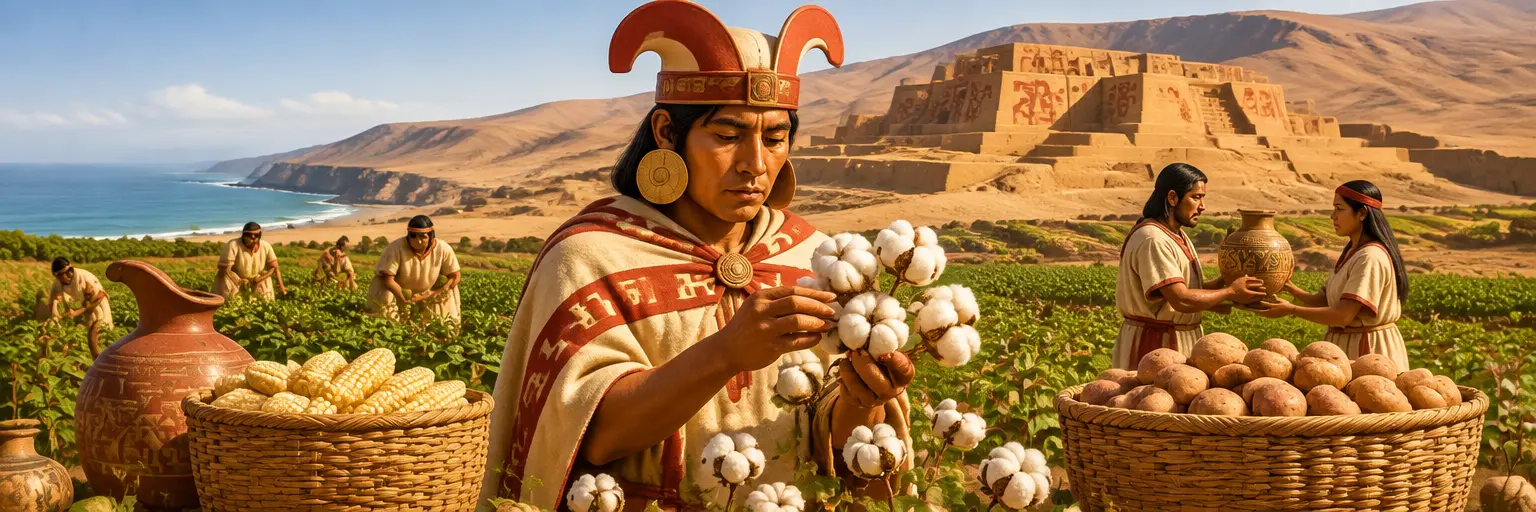
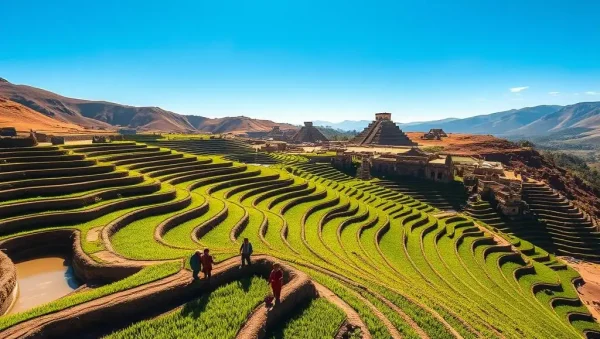
The Moche mastered water in a land where rain rarely falls. They constructed extensive canal networks, some stretching over 100 kilometers, diverting river water from the Andes to their coastal fields. These channels, often built with stone linings and gradient precision, allowed year-round cultivation of maize, beans, squash, and peanuts. They also developed raised field systems and sunken gardens that accessed groundwater, maximizing yields in marginal areas.
Beyond irrigation, the Moche practiced crop rotation and used natural fertilizers like guano from coastal bird islands—a resource so valuable it was controlled by the state. Their agricultural calendar aligned with seasonal river floods, and they built reservoirs to store water for dry spells. This sophisticated approach not only fed dense urban populations but also created surpluses that funded large construction projects and supported a non-farming class of priests, warriors, and weavers.
🐟 Complementary Marine and Highland Resources
The Moche economy was not purely agricultural; it thrived on a mixed strategy. Coastal communities harvested abundant fish, shellfish, and marine mammals using reed boats and nets, while inland groups traded for camelid wool, meat, and medicinal plants from the highlands. This vertical archipelago model—exploiting different ecological zones—ensured dietary diversity and resilience against crop failures.
Marine resources were processed into dried fish, a high-protein trade good exchanged for ceramics and metals. Meanwhile, highland products like llama meat and coca leaves were integrated into ceremonial feasts, cementing political alliances. This multi-resource economy made the Moche less vulnerable to single-point environmental shocks, a key factor in their longevity, and it fostered intricate trade networks that connected coast, valley, and mountain communities across hundreds of kilometers.
🏺 Craft Specialization and Trade Networks
Economic prosperity enabled specialized artisans to produce extraordinary goods. Moche potters, metalsmiths, and weavers created items for both practical use and elite status, including finely painted stirrup-spout vessels, gilded copper ornaments, and intricate textiles. These artisans often worked in dedicated workshops near ceremonial centers, indicating state patronage and centralized control over production and distribution.
Trade extended far beyond local needs. Moche goods traveled north to Ecuador and south to central Peru, exchanged for spondylus shells, emeralds, and other exotic materials. Spondylus, in particular, was prized for rituals and rainmaking, linking economic exchange with religious power. The presence of standardized weights and measures suggests an organized market system, while coca and chicha (corn beer) served as currency-like items in reciprocity-based exchanges, reinforcing social hierarchies and inter-community bonds.
🏛️ Social and Political Economy of Surplus
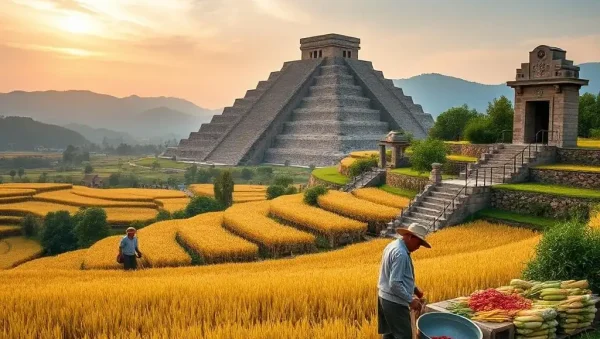
Agricultural surplus was the bedrock of Moche political power. Elite rulers controlled storage facilities, redistributing food and goods during festivals, wars, or lean times, which legitimized their authority. Large adobe complexes, like the Huacas of Moche, included storerooms for maize, beans, and textiles, evidence of centralized economic management. This surplus also funded massive labor for pyramid construction and military campaigns.
However, this system was not purely top-down. Archaeological evidence shows household-level production, with families crafting simple pottery or fishing gear for local trade. This dual economy—state-controlled prestige goods and community-level subsistence exchange—created a resilient fabric. Yet it also engendered inequality, as successful elites accrued wealth in exotic goods, while commoners relied on basic crops. Environmental events like El Niño floods could disrupt surplus, sometimes triggering social unrest, which may have contributed to the Moche’s eventual political fragmentation.
📉 Environmental Challenges and Economic Adaptation
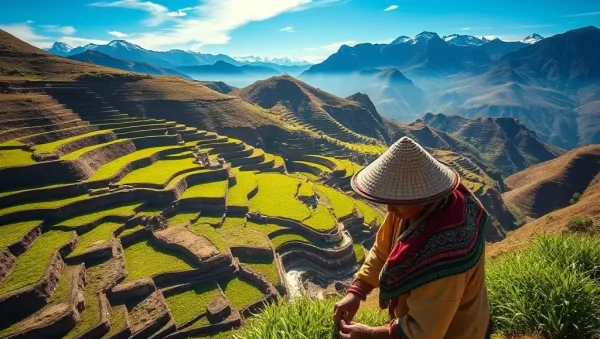
The Moche faced harsh environmental variability, especially the periodic El Niño-Southern Oscillation (ENSO) events that brought torrential rains and devastating floods, or prolonged droughts. Their economic resilience came from adaptive strategies: rebuilding canals, shifting crop mixes, and intensifying marine exploitation during terrestrial failures. For instance, during extreme floods, they temporarily abandoned lower valleys and focused on higher, terraced fields.
This cyclical crisis management is visible in archaeological layers showing rebuilds and new engineering features. The Moche also developed famine foods like algarrobo pods and tubers, and expanded storage to buffer against short-term shortfalls. Their ability to recover from repeated environmental shocks is a testament to their flexible economic institutions, but ultimately, severe multi-year climate events around 600–700 CE may have overwhelmed the system, contributing to the civilization’s gradual transition into subsequent cultures.
Frequently Asked Questions
What crops did the Moche primarily grow?
The Moche cultivated maize (corn), beans, squash, peanuts, and quinoa, along with fruits like lucuma and guava. They also grew cotton for textiles and gourds for containers. Irrigation canals and raised fields allowed them to farm these crops year-round, despite their desert environment.
How did the Moche get water for farming in a desert?
They built extensive canal systems that diverted water from rivers flowing from the Andes, often channeling it over long distances. Additionally, they used sunken gardens to tap groundwater and constructed small reservoirs to store rainfall runoff. These methods captured seasonal floods and ensured reliable irrigation.
What were the main trade goods of the Moche?
Key exports included fine pottery, copper tools, ornamental metals, and dried fish. Imports comprised spondylus shells from Ecuador, emeralds, highland wool, hallucinogenic cacti, and coca leaves. Their trade networks extended hundreds of kilometers, connecting coastal, mountain, and valley communities through reciprocal exchange.
Did the Moche use money or a barter system?
They likely used a combination of barter and state-controlled redistribution. Items like coca leaves, chicha (corn beer), and lengths of cotton cloth served as semi-standardized exchange media. However, most daily transactions probably relied on direct barter between individuals, while the elite controlled surplus for communal feasts.
Why did the Moche economy eventually collapse?
Prolonged climate extremes, particularly severe El Niño events and prolonged droughts, disrupted agriculture and trade. These stresses led to resource scarcity, social unrest, and breakdown of centralized authority. Over time, economic systems fragmented, and the Moche civilization transitioned into successor cultures like the Lambayeque and Chimú.