Understanding Slavery and Servitude in Indigenous Americas
Explore the complex systems of captivity, forced labor, and social hierarchy that existed within Indigenous societies across the Americas before European contact. Unlike colonial chattel slavery, these systems were deeply woven into kinship, warfare, and ritual, often allowing paths to integration or freedom. This subcategory uncovers the nuanced roles of captives, debt peons, and servants, revealing how power, status, and survival shaped daily life.
🏹 Captive-Taking in Warfare and Ritual
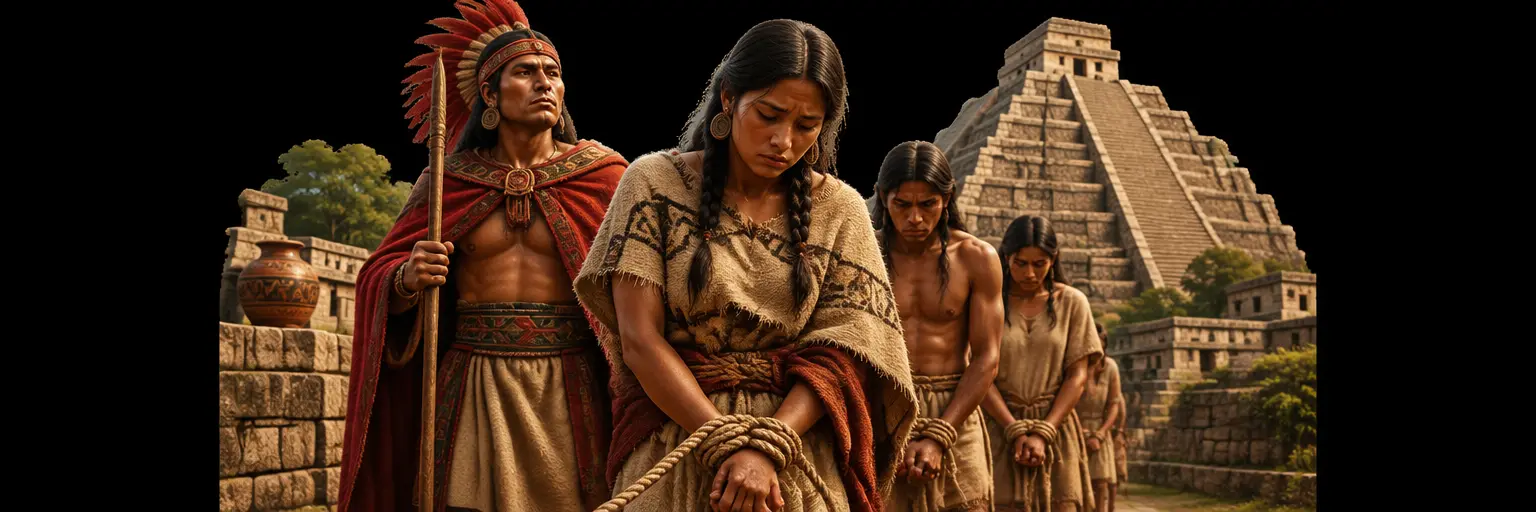
In many Indigenous cultures, warfare was not solely about territorial conquest but about acquiring captives for labor, ransom, or ritual sacrifice. The Aztec Empire, for instance, viewed captive-taking as a sacred duty, with prisoners destined for temple offerings or servitude to noble households. Meanwhile, Iroquois and Muscogee peoples often adopted captives into their clans, replacing lost members and transforming enemies into kin. This practice blurred lines between slavery and social assimilation, as captives could earn status, marry, and even become leaders over generations.
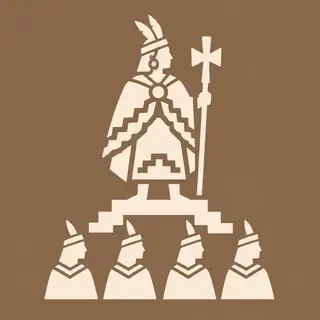
Expect detailed case studies on how captive status varied by region—from the Andean yanacona who served Inca nobles, to the Pacific Northwest’s potlatch-based slavery, where wealth and prestige were measured by enslaved individuals. Discover how ritual sacrifice was often reserved for elite warriors, while ordinary captives worked fields, built monuments, or served as domestic workers. The key distinction lies in the malleable nature of servitude: it was not a permanent racial category but a social position that could shift based on merit, marriage, or royal decree.
🌾 Debt Peonage and Economic Bondage
Debt servitude was a common pathway into bondage across Mesoamerica and the Andes, where those unable to repay loans—whether from crop failures, tribute demands, or gambling—could pledge themselves or family members as workers. Among the Maya, pactl agreements bound debtors to creditors until obligations were met, often spanning years or lifetimes. This system, though harsh, was regulated by community councils, preventing extreme exploitation and allowing redemption through labor or clan support. It functioned as both social safety net and economic engine, ensuring that even the poorest contributed to public works like irrigation or temple construction.
Here, you’ll learn how Indigenous economies relied on flexible labor obligations rather than rigid slave classes. In Aztec society, tlacotin (servants) could own property, marry free people, and petition courts for freedom—rights unheard of in later colonial systems. Compare this to Inca mita (rotational labor) which was technically state service, but sometimes devolved into forced work in mines or estates. We’ll also examine how drought, warfare, and population pressure exacerbated indebtedness, making bondage a survival strategy rather than simply a punitive measure.
🌿 Gender, Family, and the Paths to Freedom
Women and children were disproportionately affected by slavery, often traded as gifts, tribute, or marriage alliances. However, in many Indigenous societies, enslaved women could bear children with free men, and those children were born free—a stark contrast to Atlantic slavery’s hereditary bondage. Moreover, female captives frequently became wives or secondary spouses, and their offspring could inherit land or titles, especially in matrilineal societies like the Cherokee or Iroquois. This gender complexity means that servitude was intertwined with kinship and reproduction, creating avenues for upward mobility.
Freedom, too, was multifaceted. Manumission occurred through purchase by relatives, self-redemption with earned wages, or as rewards for exceptional service or bravery in war. Some societies, like the Tlingit, celebrated freedom ceremonies involving feasts and potlatches, publicly reintegrating former captives. We’ll also explore how the Inka state used yanacona as royal retainers—essentially elite servants who, although bound, held high rank and privilege. This section demonstrates that servitude was not a fixed identity, but a negotiable status influenced by gender, age, and political context.
⚖️ Ethics, Laws, and Indigenous Governance
Every Indigenous culture codified rules around slavery through oral laws, council decrees, and religious norms. The Aztec Altepetl courts heard disputes over servitude, punishing masters who abused or killed their charges. Among the Maya, a slave who escaped and reached a sacred shrine could claim asylum and demand a new master, reflecting a legal recognition of human dignity. These systems were not “kind” but were pragmatic: social stability depended on preventing rebellion and ensuring that servitude didn’t spiral into genocidal exploitation.
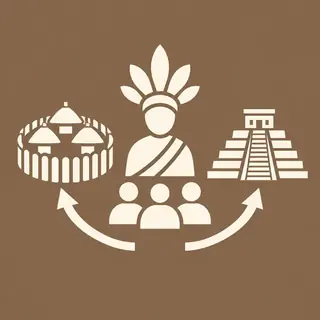
We’ll analyze specific law codes, such as the Nahuatl regulations on selling children, and compare them to the Inca’s prohibition on enslaving fellow empire citizens—only conquered foreigners could be bound. Learn how communal lands, clan councils, and religious authorities checked the power of individual elites, creating a governance model where slavery was neither unlimited nor absolute. Unlike later colonial laws that defined humans as property, Indigenous jurisprudence often treated slaves as persons with rights, albeit lower social standing.
📜 Legacy and Misconceptions
Popular narratives often assume slavery in the Americas began with Europeans, ignoring millennia of Indigenous servitude. By studying this subcategory, you’ll challenge stereotypes and understand that bondage existed in diverse forms—from the Algonquian pokemoons to the Mapuche’s war captives. The arrival of Europeans disrupted these systems, often intensifying brutality through colonial demands for labor in mines and plantations, while also creating new mestizo slave classes. Recognizing this history helps illuminate contemporary discussions about race, labor rights, and cultural survival among Indigenous descendants.
Expect to debunk myths, such as the idea that Indigenous slavery was universally harsher or milder than European forms. Instead, we present evidence from archaeology, primary documents, and oral traditions, showing how servitude was a dynamic institution linked to cosmology, ecology, and diplomacy. You’ll also discover how some modern Indigenous communities—from Zapotec to Quechua—retain historical memory of these practices, influencing their current social structures and legal claims. This subcategory is essential for anyone seeking a nuanced, honest view of pre-colonial societies.
Frequently Asked Questions
Did all Indigenous civilizations practice slavery?
No, not all. Some small-scale hunter-gatherer groups, like many Arctic peoples, had no institutionalized slavery due to egalitarian social structures. However, most complex agricultural societies—such as the Aztec, Maya, Inca, and Mississippian cultures—did practice forms of servitude, though systems varied widely in severity and duration.
How was Indigenous slavery different from European chattel slavery?
Indigenous slavery was rarely hereditary, allowed legal rights and mobility, and often integrated captives through adoption or marriage. Chattel slavery treated humans as property with no rights, whereas Indigenous servitude was typically based on debt, war, or judicial punishment, with paths to freedom via redemption or return to home communities.
Could slaves own property or marry free people?
Yes, in many societies like the Aztec and Maya. Slaves could earn wages, own personal items, and marry free individuals. Their children were usually free. Some wealthy slaves even held other slaves. Rights varied by culture, but most recognized the slave as a person, not just property.
What happened to Indigenous slavery after European contact?
Colonial powers often exploited and intensified existing labor systems, forcing Indigenous peoples into mines or encomienda estates, which blended local servitude with chattel practices. Disease and conquest disrupted traditional protections, leading to harsher conditions and the transatlantic slave trade’s complete commodification of humans.
Are there any modern Indigenous communities that still practice servitude?
No contemporary Indigenous states legally recognize slavery, but reports indicate isolated cases of debt bondage or forced labor in some remote communities, often driven by poverty and lack of legal enforcement. These cases are condemned by Indigenous leaders and international bodies, and they are not culturally sanctioned traditions, but rather consequences of economic marginalization.