Agriculture and Economy in Toltec Civilization
Explore how the Toltec civilization, flourishing in central Mexico between 900 and 1168 CE, built a thriving economy on sophisticated agricultural practices. This subcategory reveals the interconnected systems of maize cultivation, trade networks, tribute systems, and marketplaces that sustained their powerful city-state of Tula and influenced later Mesoamerican cultures like the Aztecs.
🌽 Core Agricultural Practices and Crops
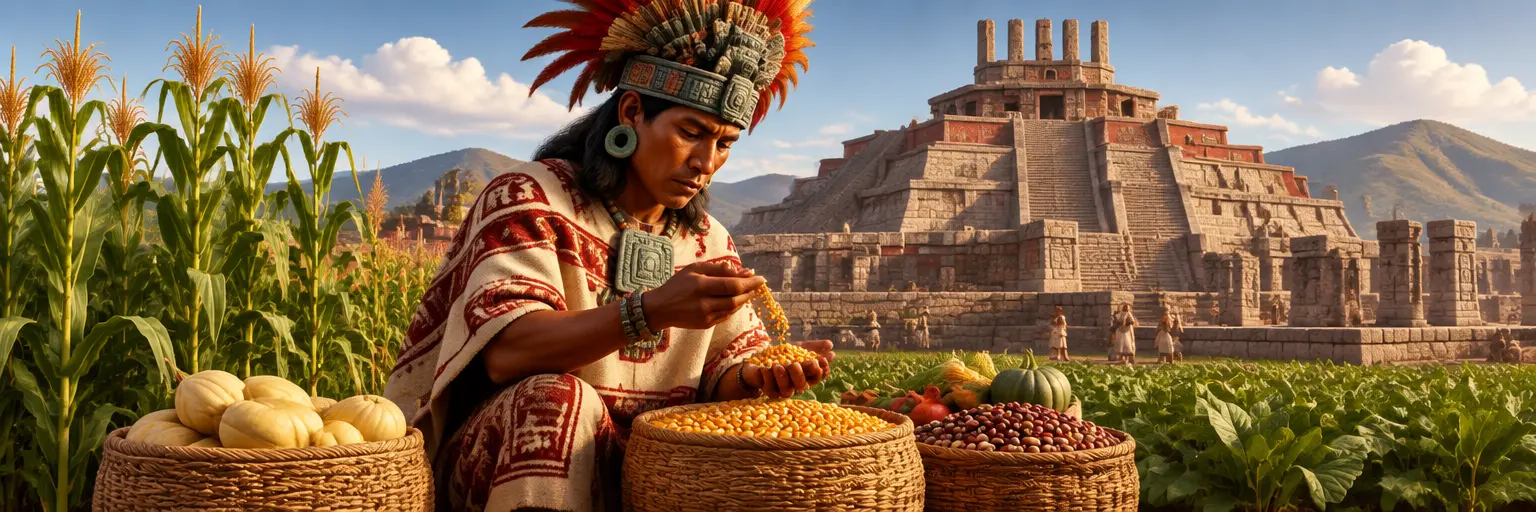
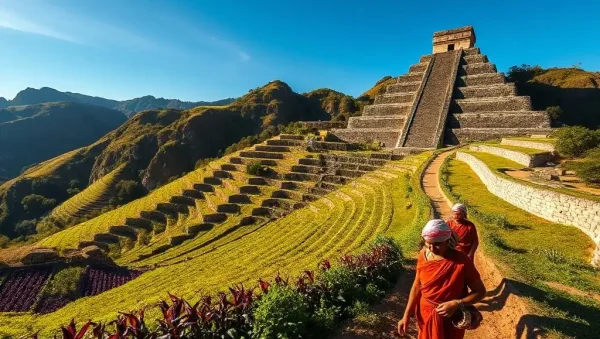
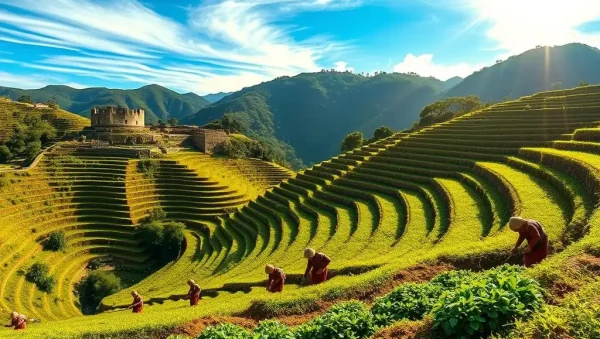
The Toltecs mastered intensive farming techniques tailored to the semi-arid highlands. They relied on chinampas (raised-bed gardens), terracing on hillsides, and irrigation canals to maximize water use. Primary crops included maize, beans, squash, amaranth, and chili peppers, supplemented by maguey for pulque and fiber. These methods enabled surplus production, essential for feeding urban populations and supporting craft specialists.
Beyond subsistence, agriculture shaped religious calendars and labor organization. Milpa rotation preserved soil fertility, while cacao and cotton were cultivated in lower altitudes for elite trade goods. The integration of drought-resistant varieties helped buffer against climate variability, demonstrating advanced agronomic knowledge. This surplus underpinned the tribute economy and allowed Tula to become a regional power.
💰 Trade Networks and Marketplaces
Toltec economy relied on extensive long-distance exchange, connecting the Gulf Coast, Pacific lowlands, and highland basins. They traded obsidian tools, ceramics, and feathered textiles for cacao, tropical feathers, jade, and turquoise. The central marketplace in Tula likely operated daily, with standardized measures and cacao beans serving as a currency for smaller transactions.
Merchants, known as pochteca, formed powerful guilds, often acting as spies for the state. They maintained routes to distant regions like the Maya lowlands and Oaxaca. This trade not only enriched elites but also spread Toltec artistic and architectural styles, cementing their cultural influence. The presence of imported goods in commoner households suggests market access was broader than in earlier periods.
📜 Tribute System and Economic Hierarchy
The Toltec state imposed a structured tribute system on conquered territories, requiring payment in agricultural goods, textiles, and labor. This system centralized wealth in Tula, funding monumental construction and elite lifestyles. Provincial administrators monitored collection, while local lords retained some autonomy in exchange for loyalty and regular contributions.
Economic hierarchy placed the tlatoani (ruler) at the top, controlling land and major resources. Below were nobles, priests, and high-ranking warriors, followed by commoner farmers and artisans. Slaves and debtors occupied the lowest tier. This stratification fueled inequality but also stimulated craft specialization, as elites demanded luxury goods, which in turn drove technological innovation and artistic excellence.
🏺 Craft Production and Artisan Economy
Tula became a hub for specialized crafting, with distinct neighborhoods for potters, obsidian workers, and featherworkers. Mass production of Coyotlatelco ceramics spread across central Mexico, indicating standardized workshops. Obsidian, sourced from the nearby Sierra de las Navajas, was crafted into tools and blades, traded widely, and even used for ritual bloodletting instruments.
Artisans operated under patronage, receiving food subsidies and materials from elites in exchange for their products. Textiles, including cotton armor and elaborate mantles, were particularly valued. This economic model fostered innovation: innovative kiln designs and lapidary techniques emerged, and their goods were highly sought after. The decline of Tula around 1150 CE disrupted these networks, but many techniques were inherited by successor states.
🏛️ Agricultural Surpluses and State Power
Strategic storage of grain and other staples allowed Toltec rulers to manage famines, support armies, and host large public feasts. Large cuezcomates (granaries) and underground silos were built in Tula’s administrative core. This control over surplus provided not just economic stability but also social leverage, as redistribution reinforced political loyalty.
State-directed agricultural projects, such as large-scale terracing near Tula, required organized labor drafts tied to the calpulli (community units). This coordination strengthened central authority while integrating rural communities into the economic system. The ability to mobilize thousands of workers for cultivation and construction projects was a hallmark of Toltec governance, setting precedents that the Aztec empire later adopted on a larger scale.
📈 Economic Legacy and Influence
Toltec economic practices profoundly shaped later Mesoamerican societies, especially the Aztecs, who claimed Toltec ancestry as legitimization. The tribute system, marketplace organization, and use of cacao as currency were directly inherited. Obsidian trade routes established by Toltecs remained vital for centuries, and their agricultural techniques, including chinampas, were refined in the Valley of Mexico.
Even after Tula’s fall, its economic innovations persisted through migrations to places like Cholula and Lake Texcoco. The pochteca merchant class continued, eventually served Aztec imperial ambitions. By understanding Toltec agriculture and economy, we see not only a unique civilization but also a crucial foundation for late pre-Columbian economic complexity.
Frequently Asked Questions
What crops did the Toltecs primarily cultivate?
The Toltecs depended on maize, beans, squash, amaranth, and chili peppers. They also grew maguey for pulque and fiber, and cultivated cacao and cotton in warmer lowlands. Advanced irrigation and terracing supported these crops, enabling surplus production for tribute and trade.
How did the Toltec trade network operate?
Toltec merchants used established routes to exchange obsidian, ceramics, and textiles for tropical goods like jade, feathers, and cacao. Marketplaces in Tula facilitated daily trade, with cacao beans acting as currency. Long-distance pochteca merchants were influential, even serving as state informants.
What roles did agriculture play in Toltec politics?
Agricultural surplus was central to Toltec power. Rulers controlled granaries and used food redistribution to secure loyalty and finance public works. State-organized labor for terracing and irrigation reinforced central authority, while tribute from conquered regions enriched the elite and funded monumental architecture.
Did the Toltecs use money or barter?
The Toltecs primarily used barter, but cacao beans served as a standardized medium for smaller purchases. Larger transactions involved goods like textiles, obsidian, and copper bells. This system was efficient enough to support complex regional trade without coined currency.
What was the economic hierarchy in Toltec society?
At the top was the ruler (tlatoani), followed by nobles, priests, and warriors. Commoners included farmers and artisans, while slaves and debtors were at the bottom. This structure concentrated wealth and resources in the elite, driving demand for luxury craft goods and tributes.