Art and Culture of the Toltec Civilization: A Legacy of Mastery and Meaning
Welcome to our dedicated exploration of Toltec art and culture, a cornerstone of Mesoamerican heritage. Within this subcategory, you will journey through the visual language, symbolic systems, and societal expressions that defined the Toltecs of Tula. More than mere decoration, Toltec artistry was a political and religious tool that influenced the Aztecs and later cultures. We focus on the stone Atlantean warriors, intricate ceramics, and the legendary concept of "Toltecayotl" (Toltec-ness), which became a benchmark of cultural refinement throughout ancient Mexico. This content is tailored for history enthusiasts, students, and travelers seeking deep, authoritative insights into pre-Columbian achievements.
🪨 The Iconic Atlantean Warriors and Architectural Artistry
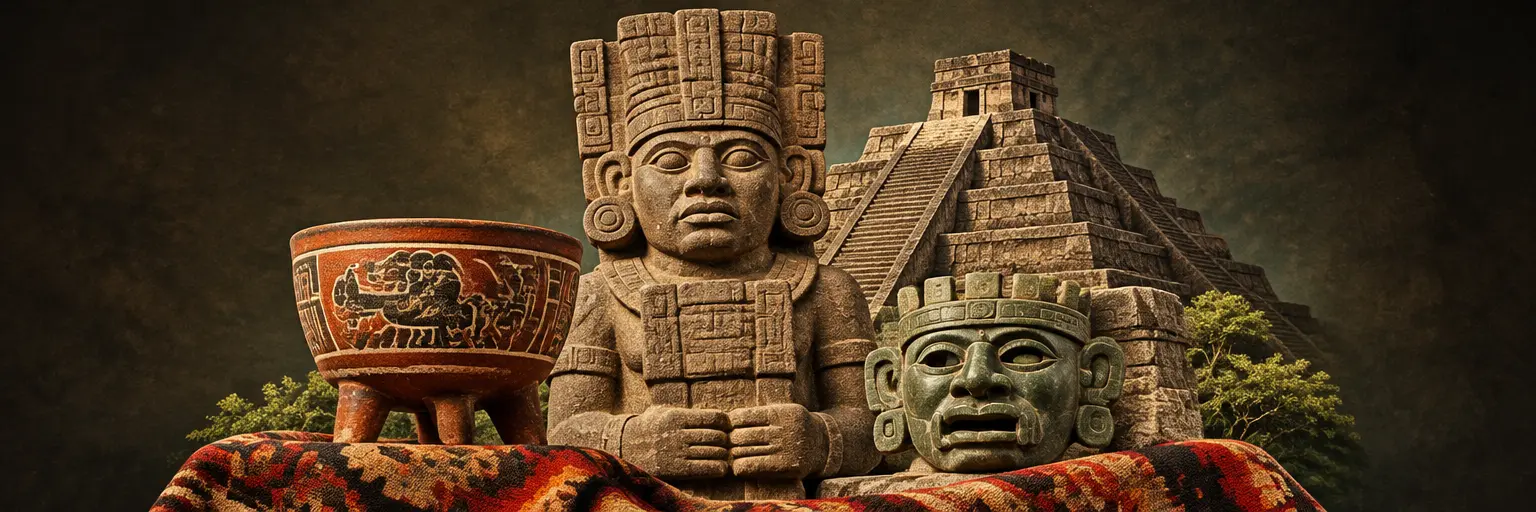
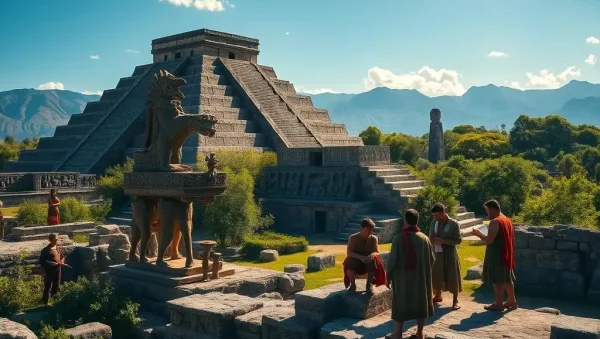
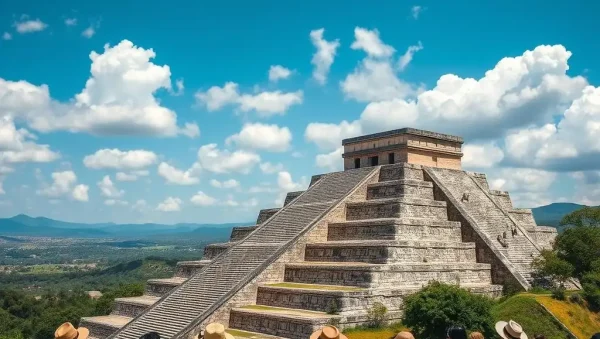
Explore the monumental stone carvings that guard the Pyramid of Quetzalcoatl at Tula. These four-meter-tall basalt figures, known as Atlanteans, are not just sculptures but representations of Toltec warriors in full regalia. Here, you will learn about their symbolic headdresses, pectoral ornaments (butterfly-shaped), and the atlatl (spear-thrower) they carry, signifying martial power and cosmic order. We decode the iconography of Chac Mool, a reclining figure used for offerings, and the carved pillars depicting warriors, priests, and gods.
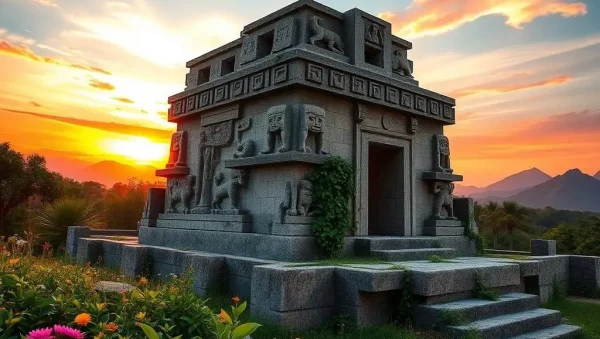
The architectural artistry extends to the relief panels on the Pyramid’s friezes. These depict processions of jaguars, coyotes, and eagles devouring human hearts, reflecting a synthesis of militarism and religion. We explain how these designs were created using sgraffito techniques and painted with vibrant mineral pigments, traces of which survive. This section provides a visual and technical breakdown, helping you identify distinct stylistic traits that set Toltec art apart from contemporary Maya or Teotihuacan styles.
🎨 Ceramics, Pottery, and the Symbolism of Daily Life
Dive into the world of Toltec ceramics, where functional objects became canvases for spiritual expression. We highlight the distinctive "Tula" polychrome pottery, featuring geometric motifs, step-fret patterns, and representations of deities like Tlaloc (rain god) and Quetzalcoatl (feathered serpent). The vessels often served ritual purposes, including the famous "Baker’s Oven" incense burners (sahumerios) with long handles, used for copal offerings.
Our analysis covers production techniques, from molding to coiling, and the use of iron-oxide slips to achieve rich red, cream, and brown hues. We also examine the figurillas—small clay figures of women, warriors, and animals—that populate domestic sanctuaries. These pieces reveal social stratification and household rituals, offering an intimate glimpse into Toltec life beyond the monumental core. By studying their defects and firing marks, you’ll gain practical knowledge of ancient kiln technology and trade networks of raw materials.
🧩 Toltecayotl: The Cultural Philosophy and Intellectual Legacy
Understand the intangible heritage known as Toltecayotl, a term that the Aztecs used to describe the cumulative knowledge and artistic mastery of the Toltecs. This section explains how Tula became a beacon of civilization, with its craftsmen, painters, and feather-workers considered the most skilled in Mesoamerica. You will learn about the codices and oral traditions that preserved this knowledge, particularly through the legendary ruler Ce Acatl Topiltzin Quetzalcoatl, who is credited with instituting artistic and ethical reforms.
This concept extended far beyond art; it encompassed agricultural calendars, hieroglyphic writing, and astronomical observations that were later adopted by the Aztecs. We dissect how Toltec philosophy, which valued moderation, wisdom, and self-sacrifice, was reflected in artistic motifs like the "face of the old man" (representing experience) and the "tied bundle" (symbolizing order). This is essential reading for those interested in the ideological foundations of later Mesoamerican powers.
🏛️ The Role of Art in Toltec Religion and Political Propaganda
Analyze how art served as statecraft for Toltec rulers. The visual programs at Tula Grande were strategically deployed to legitimize authority and divine right. The carved processions of eagles and jaguars, which were elite warrior orders, reinforce a dualistic worldview of day/night, sun/earth, and predator/prey. We unravel the meaning behind the coatepantli (serpent wall) with its undulating snakes swallowing skeletons, a metaphor for regeneration and the cyclical transfer of power.
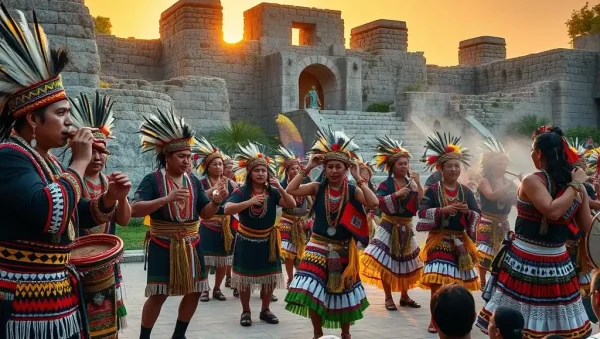
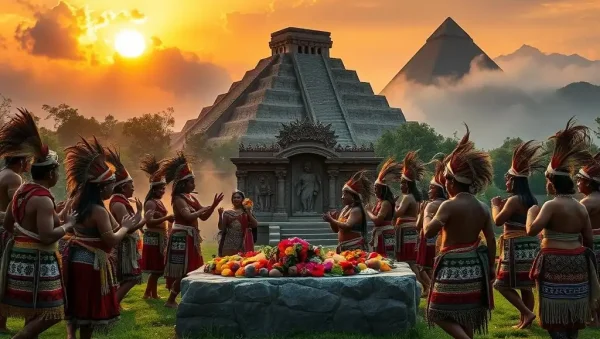
We also cover the use of skull racks (tzompantli) and props of human sacrifice, not as gratuitous brutality, but as a theatrical display of cosmic debt repayment. For researchers, we provide context on how these religious artworks were integrated into public rituals, such as the celebration of the solar new year. This section offers a critical perspective on how aesthetics and ideology created a cohesive state that inspired fear and admiration alike.
🖌️ Methods, Materials, and the Toltec Artist’s Craft
Uncover the technical mastery behind Toltec creations. We detail the sourcing of volcanic basalt and andesite from quarries near Tula, the use of stone hammers and obsidian chisels, and the abrasive polishing with sand and water. For ceramics, we explain the oxidation-reduction firing processes that produced characteristic orange or black wares. This subcategory includes practical insights on repoussé goldwork and turquoise mosaics, which were highly prized luxury items.
Our guide also emphasizes the workshop organization within the city, suggesting that specialist artisans lived in dedicated compounds. The signature style of Toltec artists—marked by flat, front-facing figures and exaggerated headdresses—was a deliberate trademark, not improvisation. You will learn how apprentices were trained, how raw materials were traded (turquoise from New Mexico), and how such goods were distributed as diplomatic gifts. This section bridges art history with archaeology and material science.
Frequently Asked Questions
What is the most famous surviving piece of Toltec art?
The most celebrated are the Atlantean warrior statues at Tula, standing about 4.6 meters tall, carved from four massive basalt blocks. They originally supported the roof of the Pyramid of Quetzalcoatl. Their detailed gear—including butterfly pectorals and headdresses—makes them iconic symbols of Toltec power and the prime example of their monumental sculpture.
How did Toltec art influence the Aztecs?
The Aztecs revered the Toltecs as cultural ancestors. They copied Toltec motifs in their own stone carving, such as the use of crouching gods and warrior columns. Aztec scribes adopted the Toltec calendar and artistic canons, and even took physical objects from Tula to serve as models. This reverence helped preserve Toltec techniques long after Tula fell.
Were Toltec art and culture purely militaristic?
No, while martial themes dominate, Toltec art also reflects astronomy, agriculture, and mythology. The depiction of Quetzalcoatl as the wind god, paired with Tlaloc rains, shows a deep concern for fertility and cosmic cycles. The presence of musical instruments, dancers, and ballgame scenes in ceramics proves a rich, multi-faceted culture.
What materials did Toltec artists predominantly use?
Basalt and andesite for monumental sculpture, clay for pottery and figurines, obsidian for blades and mirrors, and shells from coastal trade for inlays. They also worked turquoise, jadeite, and gold for luxury items. Decorative paints were derived from iron oxides, cinnabar, and plant-based dyes, showcasing a wide resource network.
Is there any surviving Toltec writing or codex?
No pre-Columbian Toltec codices survive directly. However, colonial-era manuscripts like the Historia Tolteca-Chichimeca and Mixtec codices preserve genealogical and historical traditions. The Toltecs used a logo-syllabic writing system, but it is poorly documented. Archaeological reliefs, such as the one on the Palacio Quemado, serve as primary visual texts.