Cultural Identity and Political Structure: The Toltec Perspective
🌍 The intricate relationship between Toltec cultural identity and politics reveals how this ancient civilization shaped societal structures and governance. By examining…
Read article
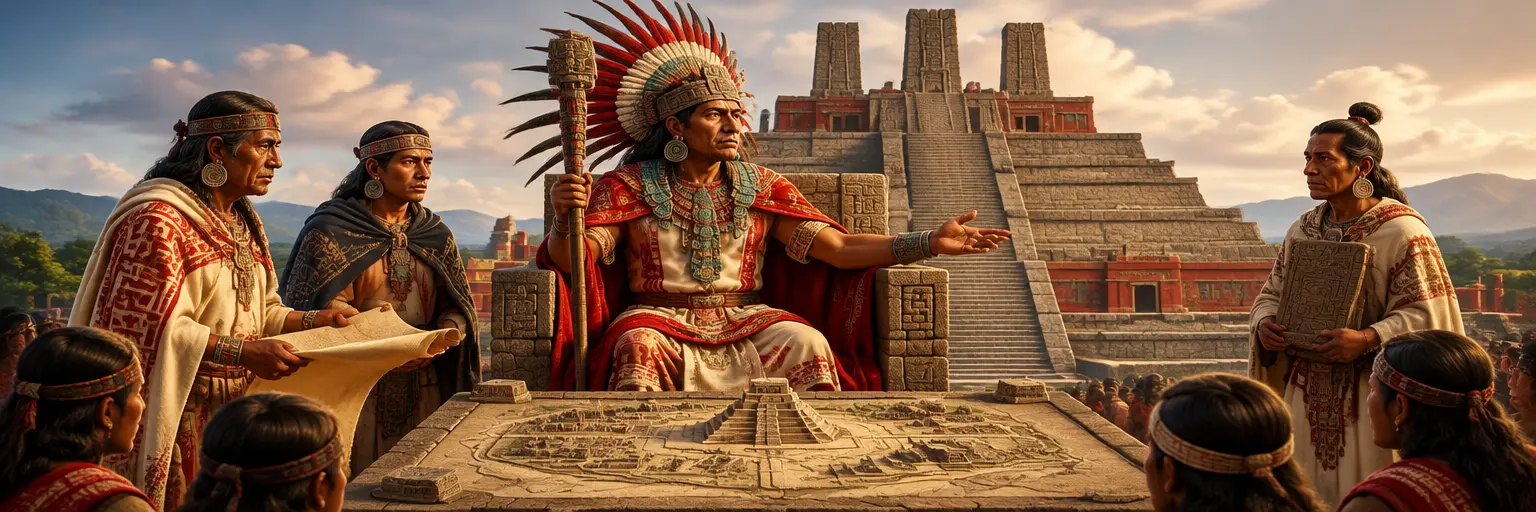
Explore the sophisticated political structure and governance of the Toltec civilization, a Mesoamerican powerhouse whose systems of leadership and administration shaped the region’s future. From the majestic capital of Tula to the intricate hierarchies that underpinned their society, the Toltecs developed a model of governance that blended military might, religious authority, and civic organization. This deep dive reveals how their centralized rule, councils, and tribute systems influenced later empires, including the Aztecs. Discover the roles of rulers, nobles, and priests, and how political power was intertwined with mythology and cosmic order. Uncover the strategic alliances, territorial control, and legal frameworks that sustained their dominance. Ideal for history enthusiasts, students, and curious minds, this content highlights the enduring legacy of Toltec governance in shaping indigenous political thought across the Americas.
🌍 The intricate relationship between Toltec cultural identity and politics reveals how this ancient civilization shaped societal structures and governance. By examining…
Read article
Discover the pivotal role of Toltec women in shaping political influence within their society. This article delves into their significant contributions, power…
Read article
The Toltec society decision-making process was guided by the Council of Elders, a respected group that balanced wisdom and experience. This collective…
Read article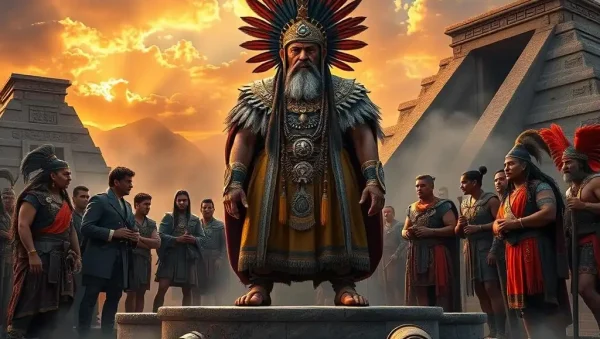
🌟 Delve into the captivating world of Toltec leaders' political intrigue, uncovering the strategies, alliances, and betrayals that shaped their rise and…
Read articleExplore the intricate political hierarchy and governance systems that underpinned the Toltec civilization, a powerful Mesoamerican society that flourished between the 10th and 12th centuries. This subcategory delves into how the Toltecs structured their state, wielded military and religious authority, and influenced later empires like the Aztecs. You’ll discover the roles of rulers, councils, and warrior orders, along with how tribute, law, and ideology sustained one of ancient America’s most enduring political models.
The Toltec political structure centered on a paramount ruler, often titled Tlatoani or “speaker,” who claimed divine descent from Quetzalcoatl. This leader combined secular power with religious sanctity, acting as both military commander and high priest. The ruler’s palace in Tula, the capital, served as the administrative hub, where nobles, scribes, and tribute collectors managed the empire’s affairs. Succession was typically hereditary, but legitimacy required proving martial prowess and performing public rituals, ensuring the king remained accountable to elite factions that could challenge his rule.
Under the ruler, a stratified nobility held regional governorships, while a council of elder statesmen advised on war and diplomacy. This centralization allowed Toltec leaders to coordinate large-scale building projects, trade networks, and military campaigns. However, the reliance on personal authority also made the state vulnerable to succession crises, as seen in the legendary conflicts between Topiltzin Quetzalcoatl and rival lords. Understanding this fusion of sacred kingship and practical governance reveals why the Toltecs’ political model became a blueprint for later Mesoamerican states.
Military power was integral to Toltec governance, with elite warrior orders—such as the Jaguar and Eagle societies—serving as both fighting forces and political influencers. These orders recruited from noble families and rewarded bravery with land grants, tribute shares, and elevated titles. The Toltec state used military conquest to exact tribute from neighboring regions, funding the capital’s monumental architecture and luxury goods. Warriors also played ceremonial roles, embodying the cosmic struggle between light and darkness, which reinforced the ruler’s mandate to maintain order.
This martial aristocracy created a symbiotic relationship between the throne and the military elite. Kings depended on these orders for security and expansion, while warriors sought royal patronage to climb the social ladder. Evidence from Tula’s carved columns and murals depicts warriors in procession, highlighting their prominence in state ideology. The integration of military merit with political rank ensured that governance was not solely hereditary but also responsive to success on the battlefield, a system that later Aztec rulers emulated in their own eagle and jaguar knighthoods.
The Toltecs developed a structured administrative framework to manage their sprawling influence, relying on tribute lists, taxation in kind, and codified laws. Conquered provinces were organized into tribute-paying units, delivering maize, cacao, cotton, and obsidian to Tula. Local chieftains often retained autonomy in exchange for loyalty and regular payments, a flexible system that reduced rebellion. Legal disputes were resolved by appointed judges, with penalties ranging from fines to enslavement for theft or treason, reflecting a state concerned with maintaining social order and protecting commercial interests.
Administration was supported by a class of scribes and record-keepers who used pictographic codices to track tribute, land ownership, and population counts. This bureaucratic apparatus allowed the Toltecs to coordinate long-distance trade and resource distribution, supporting dense urban populations. The legal emphasis on property rights and contractual obligations indicates a sophisticated economy integrated with politics. By studying these systems, we see how the Toltecs balanced coercion with cooperation, creating a governance model that was both pragmatic and ideologically potent.
Although Tula was the primary political center, the Toltec world comprised a network of city-states and allied settlements that shared cultural and political ties. Cities like Cholula and Xochicalco maintained their own rulers while acknowledging Toltec hegemony through tribute and marriage alliances. This decentralized structure allowed for local adaptation, with each city-state managing its own internal affairs, religious cults, and defense. The Toltecs used diplomacy—including royal marriages and gift-exchange—to cement alliances, reducing the need for constant military occupation.
This federative model enabled rapid economic and cultural exchange, spreading Toltec artistic styles and religious practices across Mesoamerica. Regional elites participated in a shared prestige economy, adopting Toltec symbols like feathered serpents and warrior regalia to legitimize their own rule. However, the loose control also meant that peripheral states could assert independence when Tula weakened. The political landscape was thus dynamic, with shifting allegiances and periodic conflicts. This flexibility likely contributed to the Toltecs’ cultural influence, as ideas flowed through political boundaries, shaping post-Toltec civilizations.
Religious authority was inseparable from political power in Toltec society. The state promoted the cult of Quetzalcoatl, the feathered serpent deity associated with knowledge, wind, and creation, as the divine patron of rulership. Temples at Tula, including the famous Pyramid of Quetzalcoatl, served as political theaters where rulers performed bloodletting, fire ceremonies, and human sacrifices to demonstrate their communion with the gods. The priesthood, drawn from noble families, interpreted omens and controlled religious calendars, shaping policy decisions from warfare to planting cycles.
This ideological framework justified social hierarchy as a cosmic order, with the ruler as the intermediary between gods and humans. Public rituals reinforced collective identity, and religious festivals doubled as political gatherings for tribute display and oath-taking. Moreover, the Toltec concept of Toltecayotl—the essence of “Toltec-ness” as a marker of civilization—became a political tool, as later states claimed Toltec ancestry to legitimize their authority. Thus, governance was not merely administrative but deeply spiritual, using mythology and ritual to maintain consent and cohesion.
The Toltec political structure left an indelible mark on subsequent Mesoamerican societies, particularly the Aztec Empire. Aztec rulers claimed direct descent from Toltec kings, adopting the title Tlatoani and the use of eagle and jaguar warrior orders. The Aztec tribute network mirrored Toltec administrative practices, while their capital, Tenochtitlan, was built on a grid plan reminiscent of Tula. Maya cities like Chichén Itzá also show Toltec influences in architecture and iconography, suggesting political and cultural exchanges that shaped regional governance.
This legacy underscores how the Toltecs provided a “golden age” model of centralized rule, divine kingship, and militarized tribute that later states sought to emulate. Even after Tula’s decline, the memory of Toltec governance persisted as a legitimizing myth, influencing diplomatic rhetoric and dynastic claims. By examining these continuities, we appreciate the Toltecs not just as a historical society but as a political archetype that shaped the trajectory of indigenous governance in the Americas. Their institutions offer a window into how power was imagined, practiced, and contested in pre-Columbian times.
The supreme ruler was called Tlatoani, meaning “speaker” or “he who commands.” This title signified both political authority and religious leadership, as the ruler acted as the primary intermediary with the gods, especially Quetzalcoatl. The Tlatoani held ultimate power over warfare, tribute, and law, while relying on noble councils for governance.
Military orders like the Jaguar and Eagle warriors were key political players. Successful warriors earned land and titles, gaining influence over succession and policy. The ruler depended on these orders for conquest and defense, while warriors used their martial reputation to climb the social hierarchy, creating a reciprocal bond between throne and sword.
Tribute was the economic backbone of the Toltec state. Conquered provinces paid goods like maize, cotton, and obsidian, which funded monumental construction, supported elites, and sustained trade. Local chieftains retained limited autonomy in exchange for regular tribute, making the system efficient and reducing the need for heavy military occupation.
The Toltecs used pictographic codices to record laws, tribute, and land ownership. Legal disputes were adjudicated by appointed judges, with penalties ranging from fines to enslavement for serious crimes like theft or treason. This codified system helped maintain order and property rights, supporting a complex economy and administration.
Aztec rulers consciously modeled themselves on Toltec kings, adopting the Tlatoani title, warrior orders, and tribute practices. They also claimed mythical Toltec ancestry to legitimize their empire. This legacy shows how Toltec political ideas persisted as a template for divine kingship and centralized tribute in Mesoamerica for centuries.