Religion and Mythology of the Toltec Civilization
Dive into the spiritual heart of the Toltec civilization, a Mesoamerican culture that flourished in central Mexico between the 10th and 12th centuries. Renowned as “artisans of the spirit,” the Toltecs wove a rich tapestry of deities, creation myths, and ceremonial practices that profoundly influenced later cultures, including the Aztecs. This subcategory explores the sacred beliefs, ritual sites, and symbolic stories that defined Toltec life, offering a window into their understanding of the cosmos, war, agriculture, and human destiny. Discover how their mythology shaped their architecture, governance, and daily existence.
🔱 Core Deities and Divine Pantheon
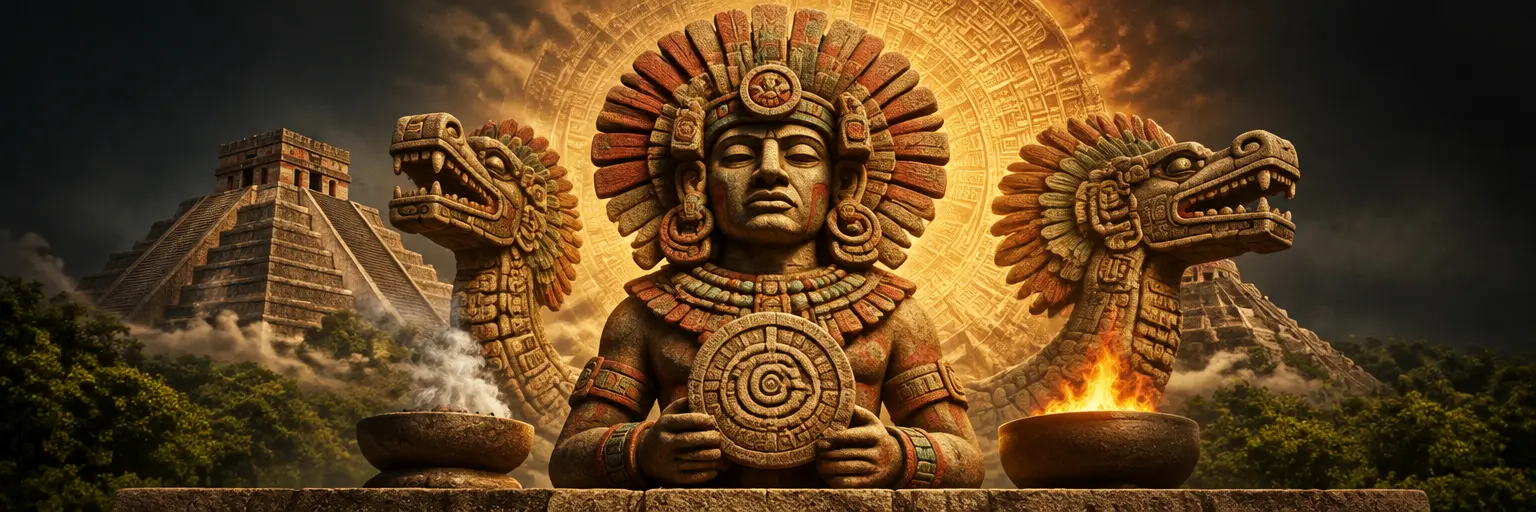
The Toltec pantheon was a complex hierarchy of gods and goddesses, each governing natural forces, celestial bodies, and human endeavors. Central to their worship was Quetzalcoatl, the Feathered Serpent, who symbolized knowledge, wind, and creation, often depicted as a benevolent teacher. Another key figure was Tezcatlipoca, the Smoking Mirror, a powerful and unpredictable deity associated with night, conflict, and change. The Toltecs also honored Tlaloc, the rain god, and Xipe Totec, the flayed lord, who represented renewal and agricultural cycles.
These deities were not distant abstractions but active participants in human affairs, demanding offerings, ritual sacrifice, and devotion. Their myths explained the origins of the sun, the seasons, and the struggles between order and chaos. For visitors, understanding this pantheon reveals how the Toltecs conceptualized power, morality, and the supernatural, laying the foundation for subsequent Mesoamerican religious systems.
🏛️ Sacred Ceremonial Centers and Ritual Practices
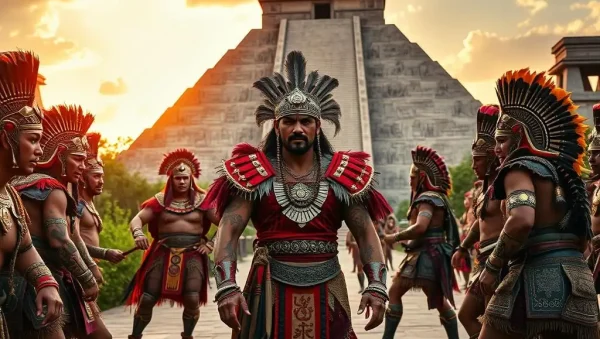
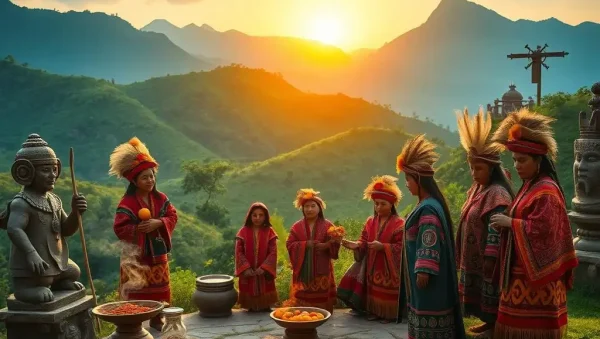
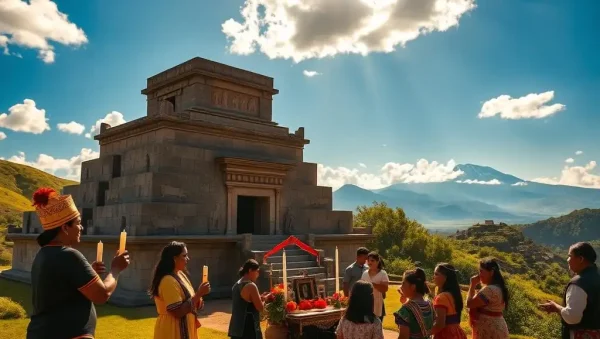
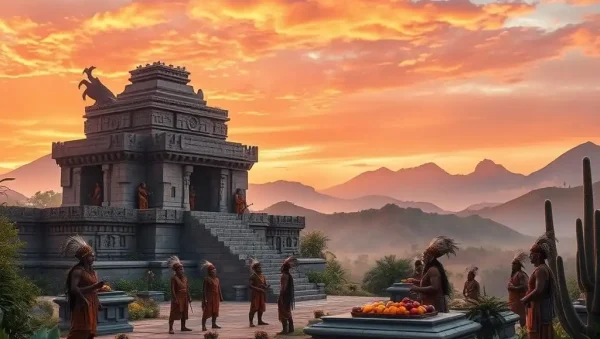
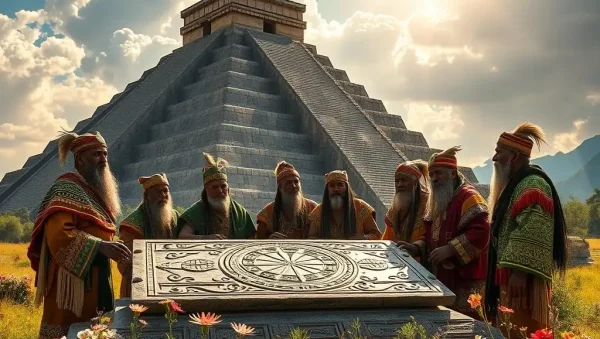
The Toltecs built monumental ceremonial centers, most notably at their capital, Tula (Tollan), where temples, pyramids, and ball courts served as stages for elaborate rituals. These spaces were designed to align with celestial events, reinforcing the connection between the terrestrial and divine. Rituals included bloodletting, human sacrifice, and offerings of goods—acts believed to nourish the gods and sustain cosmic order. Priests, often elite members of society, led these ceremonies with precise calendrical calculations, ensuring harmony between human activities and supernatural will.
Practices such as autosacrifice (self-inflicted blood letting) and ritual warfare were central, reflecting a worldview where death and rebirth were interdependent. The famed Atlantean statues at Tula, carved warriors, are thought to represent divine protectors or ancestors. Exploring these sites offers a visceral glimpse into how public spectacle, political power, and religious devotion intertwined, making religion an inseparable part of Toltec governance and identity.
🌌 Creation Myths and Cosmological Worldview
Toltec mythology is rich with creation stories that articulate their understanding of time, existence, and the cyclical nature of destruction and rebirth. One prominent myth involves the Five Suns—successive eras, each created and destroyed by gods, with the current epoch being the Fifth Sun, born from sacrifice at Teotihuacan. This narrative emphasized that humans were responsible for ensuring the sun's survival through offerings and ritual acts, a duty that galvanized their religious zeal.
Cosmologically, the Toltecs envisioned a multi-layered universe: thirteen heavens above and nine underworlds below, with the earth as the fragile middle realm. Directions held sacred significance, each associated with specific colors, gods, and powers. This cosmic map influenced everything from city planning to mythic narratives, providing a cohesive framework for interpreting natural disasters, agricultural cycles, and human fate. By studying these myths, readers grasp how the Toltecs made sense of their world and justified their social hierarchies.
🏺 Mythology’s Influence on Art and Iconography
Toltec art and iconography are vibrant expressions of their religious beliefs, serving both decorative and instructional purposes. Carved reliefs on pillars and facades depict deities, warriors, and mythological scenes, often accompanied by symbols like jaguars, eagles, and serpents, which represented power, the sun, and earth. The famous Chac Mool—a reclining figure holding a receptacle—was used for offerings, merging artistic form with ritual function.
These visual narratives were not mere embellishments but educational tools that communicated complex theological ideas to a largely illiterate populace. For instance, the Serpent Pillars at Tula, representing Quetzalcoatl, reinforced his role as a civilizing force. Pottery, murals, and obsidian objects also carried religious motifs, demonstrating how spirituality permeated every aspect of Toltec material culture. Examining this art allows modern audiences to decode the myths, values, and daily practices of this fascinating civilization.
⚔️ The Legacy of Toltec Religion in Later Mesoamerica
The religious and mythological frameworks of the Toltecs did not vanish with their decline; they profoundly shaped the Aztec and other post-Toltec cultures. The Aztecs, in particular, revered the Toltecs as the “master builders” of culture and adopted many of their deities, rituals, and myths, often integrating them into their own imperial ideology. Quetzalcoatl, for example, evolved into a central figure in Aztec mythology, and the concept of the Five Suns was expanded and adapted.
This transmission was not just passive imitation but creative reinterpretation, as later societies merged Toltec elements with local traditions. The proliferation of Tula-style art across Mesoamerica, from the Yucatán to the highlands, underscores the widespread influence of Toltec religious and political ideals. Understanding this legacy reveals the enduring power of their mythology, which continued to inspire awe, devotion, and political legitimacy centuries after Tula’s fall.
Frequently Asked Questions
Who was the main god of the Toltec civilization?
The main god was Quetzalcoatl, the Feathered Serpent, associated with wisdom, wind, and creation. He was seen as a benevolent culture hero who taught arts, agriculture, and self-discipline, and his worship was central to Toltec identity and later that of the Aztecs.
Did the Toltecs practice human sacrifice?
Yes, human sacrifice was practiced, though possibly less extensively than later Aztec rites. Offerings were made to appease gods like Tezcatlipoca and ensure cosmic order, often involving warriors or captives, with the heart offered to the sun.
What is the significance of the Atlantean statues at Tula?
The Atlantean statues, standing at over 4 meters tall, are carved warriors with symbolic attire. They are believed to represent Toltec military elites or cosmic guardians, showcasing both martial prowess and religious themes, and served as architectural supports for the temple above.
How did Toltec religion influence the Aztecs?
The Aztecs adopted many Toltec deities, myths, and rituals, including Quetzalcoatl and the Five Suns creation story. They also emulated Toltec art and architecture, treating Tollan as a mythical origin place and using this heritage to legitimize their own imperial rule.
What was the Toltec concept of the afterlife?
Not all souls went to a single underworld. Warriors who died in battle or as sacrifices were believed to accompany the sun for four years, then transform into hummingbirds. Others descended to Mictlan, a layered underworld, based on their death circumstances.