
The Impact of Agriculture on Incan Governance: Land Management and Power

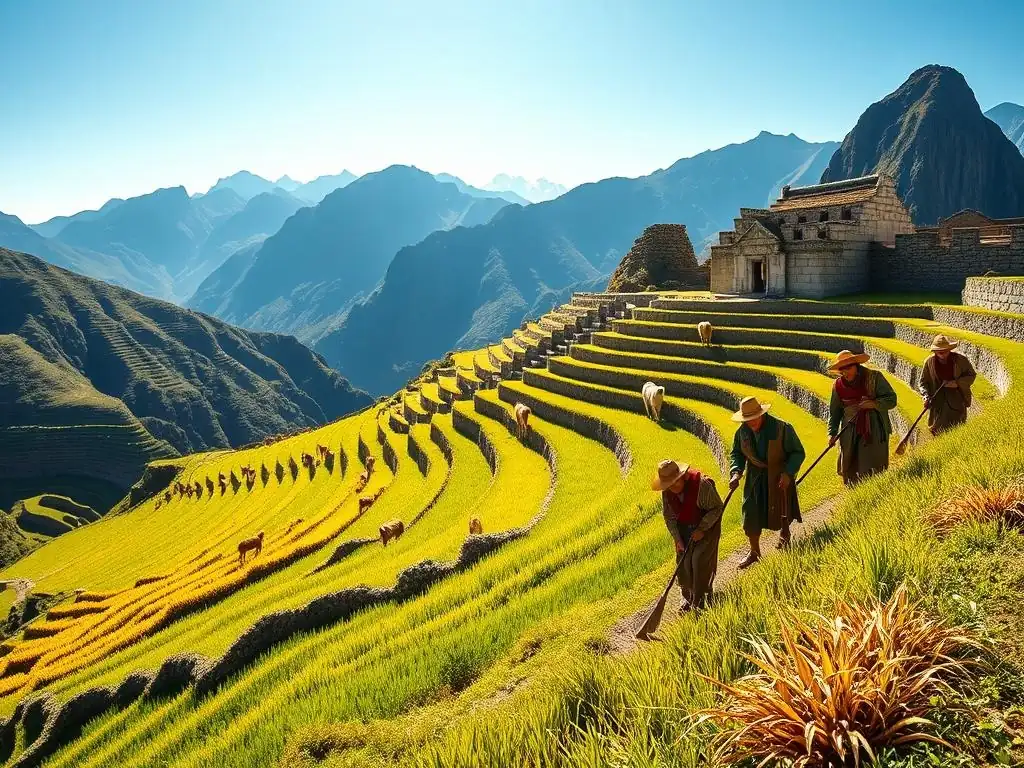
Welcome to Indigenous Civilizations of the Americas, where we invite you to embark on a fascinating journey through the rich tapestry of pre-colonial cultures that flourished across the continent. Here, you will uncover the remarkable achievements and societal structures of these diverse civilizations. In our featured article, "The Impact of Agriculture on Incan Governance: Land Management and Power," we delve into the intricate relationship between Incan agriculture and their sophisticated systems of governance.
Discover how agricultural innovations shaped not only their economy but also their political landscape. Prepare to be captivated by the stories that highlight the enduring legacy of the Incas and their profound influence on modern society. Dive deeper with us as we explore the past and understand its relevance today!
Introduction to Incan Agriculture and Governance
The Inca civilization, one of the most remarkable indigenous cultures in the Americas, showcases a profound relationship between agriculture and governance. This intricate connection not only shaped the societal structure of the Incas but also played a critical role in their political framework. As the Incas established their empire across vast mountainous terrains, they developed advanced agricultural practices that allowed them to thrive in a challenging environment. This article delves into the significance of Incan agriculture in shaping governance, exploring how effective land management and agricultural innovations contributed to their political authority and societal stability.
Overview of Incan Civilization
The Inca Empire, which flourished from the early 15th century until the Spanish conquest in the 16th century, was characterized by its remarkable organizational skills and administrative prowess. Spanning across modern-day Peru, Ecuador, Bolivia, and parts of Chile and Argentina, the Incas established a highly centralized government that managed a diverse population of various ethnic groups.
- Key Features of Incan Civilization:
- Centralized Authority: The Sapa Inca, or emperor, held absolute power, supported by a sophisticated bureaucratic system.
- Road System: The extensive network of roads facilitated trade, communication, and military movement, reinforcing the central authority.
- Quipu System: An innovative method of record-keeping using knotted strings allowed the Incas to manage resources and census data effectively.
Importance of Agriculture in Incan Society
Agriculture was the backbone of Incan society, providing sustenance and economic stability. The Incas cultivated a variety of crops, including potatoes, maize, quinoa, and beans, utilizing advanced techniques such as terrace farming and irrigation systems. Their ability to adapt to the diverse climates and altitudes of the Andes was crucial for their survival and prosperity.
- Key Agricultural Innovations:
- Terrace Farming: This technique maximized arable land on steep slopes, preventing soil erosion and creating microclimates for crop growth.
- Irrigation Systems: The Incas developed an extensive network of canals and aqueducts to channel water to crops, ensuring consistent yields even in arid regions.
- Crop Diversification: By cultivating a variety of crops, the Incas minimized the risk of famine and ensured a stable food supply.
The Role of Agriculture in Incan Political Structure
Agriculture not only supported the population but was also intricately linked to the political dynamics of the Inca Empire. The management of agricultural resources played a pivotal role in the governance structure, influencing power distribution and social hierarchy.
Agricultural Practices and Land Distribution
The Incas implemented a systematic approach to land management, dividing the territory into various agricultural zones based on altitude and climate. This allowed for efficient cultivation practices that maximized productivity.
- Land Management Strategies:
- Mita System: A labor tax requiring communities to contribute labor for agricultural projects, ensuring that land was cultivated effectively.
- State-Controlled Land: The government controlled large tracts of land, which were used for state-sponsored agricultural projects, benefiting the empire as a whole.
Connection Between Agriculture and Governance
The relationship between agriculture and governance in the Inca Empire was multifaceted. The ability to produce surplus food allowed the Sapa Inca to exert control over the populace, maintain military strength, and engage in trade.
- Impact on Political Power:
- Surplus Production: Surplus crops supported the military and bureaucratic elite, reinforcing the hierarchy.
- Resource Redistribution: The central government managed the distribution of resources and food during times of drought or famine, solidifying its authority and legitimacy.
Through this exploration of Incan agriculture and governance, we can see how essential these elements were to the empire's longevity and success, providing a vital lens through which to understand the complexities of Incan civilization.
Land Management Techniques in the Incan Empire
The Incan Empire, known for its remarkable engineering and agricultural practices, developed sophisticated land management techniques to optimize the productivity of its diverse landscapes. Given the varied terrain of the Andes mountains, the Incas utilized methods that maximized agricultural yield while also preserving the environment. Their approach to land management was integral to their governance and societal structure, as it directly influenced food production, resource allocation, and political stability.
At the core of Incan land management was a deep understanding of their environment. The Incas practiced crop rotation and intercropping, allowing different crops to benefit from the nutrients in the soil while preventing depletion. This sustainable approach ensured that the land remained fertile and productive over time. Furthermore, land was categorized into three distinct zones: the highlands, the valleys, and the coastal areas, enabling the Incas to cultivate a range of crops suited to each environment.
Terrace Farming: Innovations and Impact
Terrace farming was one of the most significant innovations of the Incan agricultural system. This technique involved creating stepped fields on the slopes of mountains, allowing the Incas to transform steep and otherwise unarable land into productive farmland. Each terrace was meticulously designed with stone walls to prevent erosion and manage water flow, maximizing the area available for cultivation.
The impact of terrace farming extended beyond agricultural productivity; it was a manifestation of Incan social organization and governance. By constructing and maintaining these terraces, local communities were not only able to produce surplus crops but also fostered a sense of cooperation and shared responsibility. The effective management of terraces required collective labor, which strengthened communal ties and supported the centralized authority of the Incan state.
In addition to enhancing food security, terrace farming allowed the Incas to cultivate a diverse array of crops, including potatoes, maize, and quinoa. This diversity was crucial for nutritional balance and resilience against crop failures caused by pests or adverse weather conditions. Ultimately, terrace farming played a pivotal role in sustaining the Incan population and supporting its imperial ambitions.
Irrigation Systems: Enhancing Agricultural Output
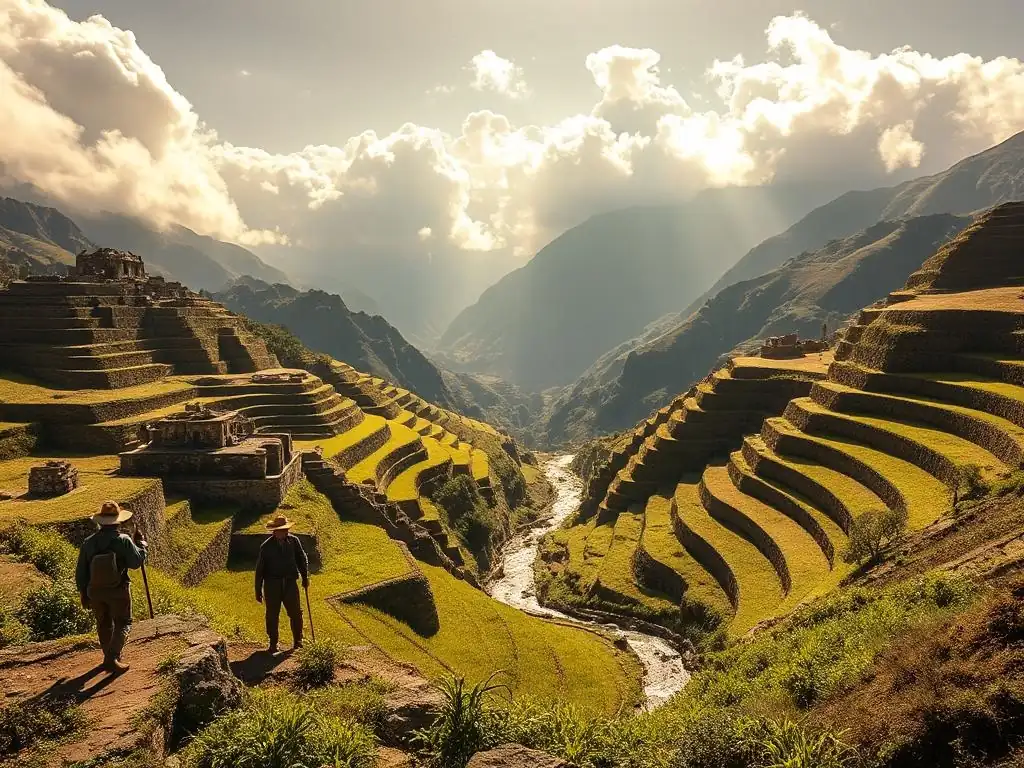
Incan irrigation systems were another critical component of their agricultural success. The Incas engineered an extensive network of canals and aqueducts that diverted water from rivers and streams to their fields. These systems were particularly essential in arid regions where rainfall was scarce, ensuring that crops received adequate water throughout the growing season.
The design of Incan irrigation systems reflected their advanced understanding of hydraulic engineering. They employed techniques such as gravity flow, which allowed water to travel over large distances without the need for pumps. The careful planning and execution of these systems not only increased agricultural output but also demonstrated the Inca's ability to manipulate their environment to meet the needs of their society.
The impact of these irrigation systems was profound. By increasing the amount of arable land and improving crop yields, the Incas could produce more food than was necessary for subsistence. This agricultural surplus was crucial in supporting the growing population and urban centers, which in turn reinforced the political structure of the empire.
The Relationship Between Agricultural Surplus and Political Power
The relationship between agricultural surplus and political power in the Incan Empire was a dynamic interplay that reinforced the authority of the ruling class. Agricultural surplus allowed the Incas to maintain a large population and support extensive urban centers, which were vital for the administration and military strength of the empire.
When communities produced excess food, it not only provided sustenance for the population but also enabled the Incas to engage in trade with neighboring societies. This trade was essential for acquiring goods that were not locally available, while also enhancing the political and economic power of the Incan state. The ability to control and redistribute agricultural resources became a fundamental aspect of governance, allowing the Incas to exert influence over both local and regional dynamics.
How Agricultural Productivity Influences Governance
The productivity of agriculture significantly influenced governance in the Incan Empire. Leaders utilized the surplus generated from agricultural practices to implement various social and political strategies. With a stable food supply, the Inca could mobilize labor for public works, military campaigns, and tribute collection, consolidating their power and expanding their territory.
Moreover, agricultural productivity directly impacted the socio-economic structure of the empire. The Incas established a system of tribute where conquered peoples were required to provide a portion of their agricultural output to the state. This system not only ensured the central government's access to resources but also reinforced the hierarchical structure of Incan society, where the ruling elite maintained control over the populace.
The ability to manage agricultural resources effectively was thus a cornerstone of Incan governance. It enabled leaders to respond to crises, such as famine or drought, and to maintain stability within the empire. By prioritizing agricultural productivity, the Incas were able to sustain their civilization over centuries.
Case Studies of Incan Leaders and Agricultural Policies
Several prominent Incan leaders implemented agricultural policies that showcased the relationship between agriculture and governance. One notable example is Pachacuti, the ninth Sapa Inca, who is credited with expanding the empire significantly. Under his reign, the Incan state established a centralized system for managing agricultural production, including the promotion of terrace farming and the development of irrigation systems.
Another example is Topa Inca Yupanqui, who followed Pachacuti. He further consolidated agricultural policies by enforcing tribute systems and ensuring that surplus crops were stored in state granaries for use during times of need. This policy not only provided security during shortages but also reinforced the loyalty of the populace to the Incan leadership.
These case studies illustrate how the Incas effectively utilized agricultural surplus to bolster their political power and maintain control over their vast empire. Through strategic agricultural policies, Incan leaders were able to create a stable society that thrived for generations, leaving a lasting legacy on the cultures of the Andes.
In the Incan Empire, social hierarchy played a pivotal role in the organization of agricultural responsibilities, which were intricately linked to governance. The structure was largely stratified, with the Sapa Inca at the top, followed by nobles, priests, and commoners. This hierarchy dictated not only social status but also the roles individuals played in managing and producing agricultural goods.
Farmers, primarily composed of commoners, were essential to the sustenance and economy of the empire. Their responsibilities extended beyond mere cultivation; they were also tasked with adhering to the agricultural policies set forth by the government. The Incan state maintained a firm grasp over agricultural production, as it relied heavily on the output of its farmers to support the ruling class and the elaborate state apparatus.
As part of their duties, farmers were expected to cultivate specific crops that aligned with the needs of the empire. The governance system ensured that agricultural production was efficient and met the demands of the population. Thus, the social hierarchy not only defined individual roles but also facilitated a structured approach to agricultural management that was vital for the Incan state’s stability and power.
The Role of Farmers in Incan Society
Farmers were the backbone of Incan society, responsible for producing the vast amounts of food necessary to sustain the empire's population. Most farmers worked communal lands known as "ayllus," where they collaborated on agricultural tasks. This system not only fostered a sense of community but also ensured that crops were cultivated efficiently.
The Inca implemented a system of agricultural education, where experienced farmers would teach younger generations the best practices for cultivation and harvesting. This transmission of knowledge was crucial, as it allowed for the optimization of agricultural techniques, such as terracing and irrigation, which were vital in the diverse Andean environment.
Moreover, farmers were not merely laborers; they held a significant role in the broader socio-political framework of the Incan Empire. Their productivity directly influenced the state’s ability to collect tribute and support military campaigns. Consequently, farmers were often recognized for their contributions, receiving certain rights and protections under Incan law, which further integrated them into the governance structure.
Governance Over Land and Resource Allocation
Incan governance was fundamentally tied to land management and resource allocation, which were crucial for the empire’s agricultural economy. The state exercised control over land through a system that designated specific plots for different purposes, including personal farming, state production, and religious ceremonies.
The Sapa Inca and his appointed officials monitored land use meticulously. They enforced regulations regarding crop rotation, fallow periods, and the planting of diverse crops to prevent soil depletion. This governance extended to the management of water resources, with the Incas constructing extensive irrigation systems to support agriculture in challenging terrains.
Land was considered a communal resource, with the Incan state allocating plots to families based on their needs and the empire’s requirements. This top-down approach to land management ensured that agricultural output remained consistent and that resources were distributed equitably among the populace, reinforcing the loyalty of the subjects to the Incan rulers.
Incan Agricultural Policies and Their Effect on Governance
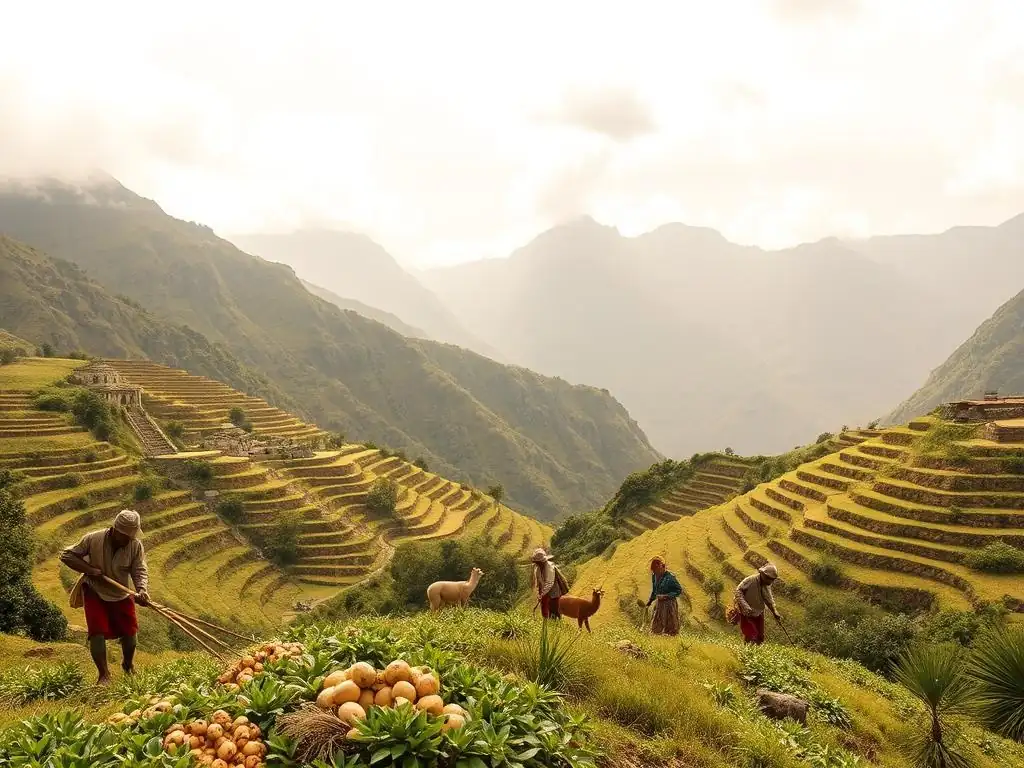
The agricultural policies of the Inca were instrumental in shaping the empire's governance structure. By controlling agricultural production and enforcing specific policies, the Inca were able to maintain power and ensure the stability of their society.
Policies such as the distribution of land and the imposition of tribute based on agricultural output helped the state to accumulate resources necessary for governance. The emphasis on agriculture allowed the Incan rulers to create a strong economic foundation, which in turn supported their political ambitions and military endeavors.
Furthermore, agricultural policies were designed to promote sustainability and long-term productivity, which was essential for the survival of the empire. The interdependence of agriculture and governance became evident as successful agricultural practices led to increased wealth and stability, reinforcing the authority of the ruling class.
Taxation and Tribute Systems Linked to Agriculture
Taxation in the Incan Empire was closely associated with agricultural production, forming a vital part of its governance. The Incas implemented a tribute system where subjects were required to provide a portion of their agricultural output to the state. This tribute system was not merely a taxation mechanism; it served as a means of redistributing resources across the empire, ensuring that both urban centers and rural communities received necessary supplies.
The amount of tribute required was often determined by the productivity of the land and the size of the farming family. In times of good harvests, the tribute could be substantial, while in periods of drought or poor yields, the state would adjust expectations to avoid overburdening farmers. This flexibility in the tribute system fostered loyalty among the populace and reinforced the legitimacy of the Incan rulers.
Moreover, the collected tributes were utilized to support various state functions, including military campaigns, construction projects, and religious ceremonies. This interconnectedness between taxation, agriculture, and governance illustrates the strategic importance of agricultural output in maintaining the power of the Incan Empire.
Policies for Sustainable Land Use and Management
The Incan Empire implemented progressive policies aimed at sustainable land use and management, recognizing the importance of preserving their agricultural base for future generations. Central to this was the practice of crop rotation and the cultivation of diverse crops adapted to various ecological zones, which helped maintain soil health and productivity.
The Incas also constructed terraces on mountainous terrain to maximize arable land and minimize soil erosion. These terraces not only expanded the agricultural area but also demonstrated an advanced understanding of environmental management. The effective use of irrigation systems allowed water to be distributed efficiently, supporting agricultural productivity even in arid regions.
These sustainable practices were enforced through a combination of state oversight and community engagement. Farmers were encouraged to adopt methods that would benefit both their land and the broader ecological system. This focus on sustainability ensured that agriculture remained a vital aspect of Incan governance, allowing the empire to thrive long before European contact.
The Incan approach to agriculture was not only about food production but was deeply intertwined with their political structure, shaping governance and societal organization in profound ways.
The Decline of Incan Agricultural Practices and Its Political Implications
The decline of Incan agricultural practices had profound repercussions on their political structure and governance. As agriculture was the backbone of the Incan economy, its deterioration not only affected food production but also the stability and authority of the Incan rulers. The intricate relationship between agriculture and governance meant that any disruption in farming would resonate throughout their society, leading to a shift in power dynamics and social order.
Factors Leading to Agricultural Decline
Several factors contributed to the decline of agricultural practices in the Inca Empire. One significant cause was the environmental challenges that arose in the region. Climate fluctuations, including periods of drought and excessive rainfall, disrupted farming cycles. Additionally, the over-exploitation of land due to intensive farming practices diminished soil fertility.
Another critical factor was the impact of Spanish colonization. The arrival of European settlers introduced new diseases that decimated the indigenous population, including farmers who were essential to maintaining agricultural productivity. The disruption of labor forces led to abandoned fields and reduced crop yields. Furthermore, the Spanish invaded and dismantled the political structures of the Incas, leading to a loss of centralized control over agricultural management.
Impact on Incan Governance and Social Structure
The decline in agricultural output had several political implications for the Incan civilization. Firstly, it weakened the economic foundation that supported the state's elaborate governance system. The Incas relied heavily on surplus production to sustain their administration, military, and public works. As agriculture faltered, the state faced significant difficulties in maintaining these functions.
Moreover, the social structure of the Incas was closely tied to their agricultural practices. The decline in farming led to increased tension among social classes, particularly between the elite ruling class and the common farmers. As food became scarce, the traditional systems of reciprocity and redistribution, which were central to Incan society, began to break down. This erosion of social cohesion contributed to civil unrest and rebellion, further destabilizing the governance of the Inca Empire.
Conclusion: The Legacy of Incan Agriculture on Governance
The legacy of Incan agriculture is a testament to the crucial role that farming played in the governance and political structure of the Incan civilization. The sophisticated agricultural techniques developed by the Incas not only ensured food security but also reinforced the power and authority of their leaders. The rise and fall of agricultural practices thus provide valuable insights into the intricate relationship between agriculture and governance.
Lasting Influence of Incan Agricultural Practices on Modern Governance
The innovative agricultural practices of the Incas, including terrace farming and advanced irrigation systems, have left a lasting influence on modern governance in the Andean region. Contemporary agricultural policies often draw inspiration from Incan techniques that emphasized sustainability and efficient land use. These practices continue to inform local governance strategies aimed at enhancing food security and resource management.
Reflection on the Interconnection of Agriculture and Power in Incan Civilization
The interplay between agriculture and power in Incan civilization highlights the fundamental role that food production played in shaping political authority. The Incas understood that effective land management was essential for maintaining their empire's stability and cohesion. As modern societies reflect on the lessons from the Incan experience, it becomes evident that the foundations of governance are often deeply rooted in agricultural practices, underscoring the timeless connection between land, food, and power.
- Introduction to Incan Agriculture and Governance
- The Role of Agriculture in Incan Political Structure
- Land Management Techniques in the Incan Empire
- Terrace Farming: Innovations and Impact
- Irrigation Systems: Enhancing Agricultural Output
- The Relationship Between Agricultural Surplus and Political Power
- Social Hierarchy and Agricultural Responsibilities
- Incan Agricultural Policies and Their Effect on Governance
- The Decline of Incan Agricultural Practices and Its Political Implications
- Conclusion: The Legacy of Incan Agriculture on Governance
Frequently Asked Questions
What role did agriculture play in Incan governance?
Agriculture was central to Incan governance, providing the economic foundation for the empire. The management of agricultural resources directly influenced political power and societal organization.
How did the Incas manage their agricultural land?
The Incas employed advanced techniques such as terracing and irrigation to maximize crop yield. Their land management strategies ensured stability and supported their large population effectively.
What crops were primarily cultivated by the Incas?
The Incas cultivated a variety of crops, with potatoes, maize, and quinoa being the most significant. These crops were essential for sustaining the Incan society and its governance structures.
Incan agriculture allowed for the accumulation of surplus food, which reinforced social stratification. Those in power used this surplus to maintain control over the populace and support the elite class.
What were the long-term impacts of Incan agricultural practices?
The Incan agricultural practices have left a lasting legacy, influencing agricultural techniques in the Andes. Their innovative methods of land use and irrigation continue to be studied and admired today.
Final Reflection: The Interwoven Legacy of Incan Agriculture and Governance
The intricate relationship between Incan agriculture and governance remains profoundly relevant today, as it highlights the essential role of land management in shaping societal structures and power dynamics. The lessons learned from the Incan civilization serve as a reminder that sustainable agricultural practices are not merely a matter of food production but are deeply intertwined with the governance and social fabric of a community. As we face contemporary challenges like climate change and food security, understanding this connection is more crucial than ever.
The influence of Incan agricultural practices on governance continues to resonate in our modern world, reminding us of the importance of stewardship over our land. The Incas demonstrated that effective land management could enhance political power and social stability, a principle that is echoed in today’s discussions about sustainable development and environmental justice. The land is the foundation of our existence; how we manage it defines our future.
This sentiment underscores the ongoing relevance of the Incan approach to agriculture and governance, as societies strive to balance growth with ecological responsibility.
As we reflect on the lessons from the Incan civilization, I invite you to consider how you can apply these insights in your own life. Think about your relationship with the land and resources around you—how can you contribute to sustainable practices that honor both the environment and the community? By embracing the principles of responsible land management and understanding their broader implications, we can foster a future where agriculture and governance work hand in hand for the benefit of all.
Unveil the Power of Agriculture in Incan Governance!
Thank you for diving into this exploration of how agriculture shaped the governance of the Inca Empire. By understanding the intricate connection between land management and power, you've gained valuable insights into the complexities of indigenous civilizations. Now, it's time to put this knowledge into action!
Here are some engaging steps you can take next:
- Dive deeper into agricultural practices: Research how ancient agricultural techniques can inspire modern sustainable practices in your community.
- Join a local agricultural initiative: Volunteer or participate in community gardens to experience firsthand how effective land management fosters cooperation and governance.
- Share your insights: Write about your findings and engage in conversations with friends or online, using social media to raise awareness about the importance of sustainable practices.
What unique insight or idea about land management can you bring to your community based on what you’ve learned today?