
The Lasting Impact: How European Conquest Reshaped the Americas Forever

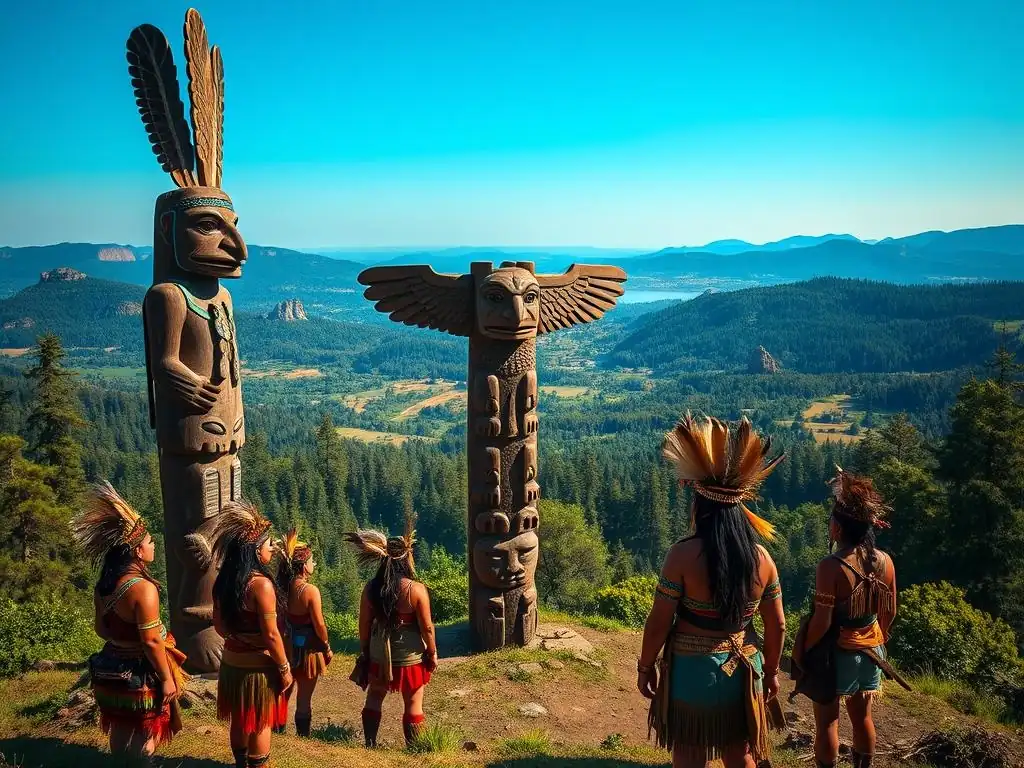
Welcome to Indigenous Civilizations of the Americas—your gateway to a rich tapestry of diverse cultures that flourished long before European shores were reached. Here, we delve into the profound impact of indigenous cultures on the Americas, illuminating their remarkable achievements, intricate societies, and the indelible marks they left on history.
In our featured article, “The Lasting Impact: How European Conquest Reshaped the Americas Forever,” we invite you to uncover how these vibrant civilizations, including the awe-inspiring Aztecs, navigated the tides of change and resilience. Prepare to embark on a journey that promises to deepen your understanding and appreciation of our shared past—so let your exploration begin!
Introduction to Indigenous Cultures and European Conquest
The arrival of Europeans in the Americas marked a transformative period that irrevocably altered the landscape of indigenous cultures. Prior to this contact, the Americas were home to a multitude of thriving societies, each with its unique customs, governance, and achievements. From the sophisticated urban centers of the Aztecs to the agricultural practices of the Mississippian cultures, indigenous civilizations played a crucial role in shaping the continent's history. However, the European conquest initiated a series of events that would lead to significant social, economic, and cultural upheaval.
Understanding the impact of these encounters is essential in recognizing the resilience of indigenous cultures and the profound changes they underwent. This exploration delves into the immediate effects of European contact on indigenous societies and highlights the enduring legacy of these interactions. As we unpack the layers of history, we will see how the indigenous cultures' impact on the Americas continues to resonate today.
Overview of Indigenous Cultures in the Americas
Indigenous cultures in the Americas were incredibly diverse, with each group contributing to a rich tapestry of traditions and innovations. For example, the Maya civilization excelled in mathematics and astronomy, while the Inca developed extensive road systems and architectural marvels in the Andes. The Iroquois Confederacy showcased advanced political organization and diplomacy among tribes.
Key characteristics of indigenous cultures included:
- Agriculture: Many societies practiced advanced farming techniques, such as the Three Sisters method, which involved growing maize, beans, and squash together for mutual benefit.
- Trade Networks: Extensive trade routes facilitated the exchange of goods, ideas, and technologies across vast distances.
- Spiritual Beliefs: Indigenous religions often emphasized a deep connection to nature and the cosmos, with rituals that varied significantly among different cultures.
These foundational aspects of indigenous life were intricately tied to their identities and ways of living, making the arrival of Europeans a pivotal moment in history.
The Arrival of Europeans: Key Events and Timeline
The European conquest of the Americas began in the late 15th century, marking a new chapter in the continent's history. Key events include:
- 1492: Christopher Columbus arrives in the Caribbean, initiating contact between Europe and the indigenous peoples.
- 1519: Hernán Cortés lands in Mexico and begins the conquest of the Aztec Empire.
- 1533: Francisco Pizarro conquers the Inca Empire in Peru.
These events set the stage for widespread colonization and profound changes to indigenous societies. The introduction of new technologies, animals, and diseases would have far-reaching consequences, often devastating for the native populations.
The Immediate Effects of European Contact on Indigenous Societies
The arrival of Europeans triggered immediate and profound changes in indigenous societies, reshaping their social structures, economies, and ways of life.
Disruption of Indigenous Life: Social and Economic Changes
European contact led to significant disruptions in indigenous life. Many societies experienced:
- Population Decline: Diseases such as smallpox decimated indigenous populations, leading to a loss of workforce and cultural knowledge.
- Social Displacement: Traditional social structures were often dismantled, as European powers imposed new governance systems and alliances.
- Economic Shift: The introduction of European trade goods altered indigenous economies, often making traditional practices obsolete or secondary to new market demands.
The cumulative effect of these changes caused a ripple effect throughout indigenous communities, challenging their resilience and adaptability.
Loss of Land and Resources: Impact on Indigenous Cultures
The impact of European conquest on land and resources was catastrophic. Indigenous peoples faced:
- Land Seizures: European settlers claimed vast territories, displacing indigenous communities and disrupting their relationship with the land.
- Resource Exploitation: Natural resources such as gold, silver, and fertile lands were extracted for European benefit, often leading to environmental degradation.
- Cultural Erosion: The loss of land and resources contributed to the erosion of cultural practices, languages, and traditions, as communities were forced to adapt to new realities.
These factors combined to create an enduring legacy of hardship and resilience, underscoring the profound impact of European conquest on the indigenous cultures of the Americas.
Cultural Exchange: The Intermingling of Indigenous and European Traditions
The encounter between European colonizers and Indigenous cultures in the Americas sparked a significant cultural exchange that reshaped both societies. This intermingling of traditions led to a complex fusion of languages, customs, and practices that reflected the dynamic interactions between the two groups. Indigenous peoples adopted various European agricultural techniques, resulting in improved crop yields, while Europeans were introduced to new crops such as maize, potatoes, and tomatoes, which would eventually transform global cuisine.
In addition to agriculture, the exchange also included elements of art, music, and spiritual practices. Indigenous artists began incorporating European styles and materials into their work, creating unique artistic expressions that blended both traditions. Similarly, European settlers were influenced by Indigenous storytelling, music, and ceremonial practices, leading to a rich tapestry of cultural exchange that would leave a lasting impact on both societies.
Introduction of New Technologies and Ideas
The arrival of Europeans in the Americas brought a wave of new technologies and ideas that significantly altered Indigenous lifestyles. Innovations such as metal tools, firearms, and horse breeding revolutionized hunting, farming, and warfare for many Indigenous groups. For instance, the introduction of the horse transformed the mobility and hunting practices of plains tribes, allowing for greater efficiency in bison hunting and trade.
Moreover, European agricultural methods, including plow farming and the use of irrigation systems, were introduced, which enhanced agricultural productivity. Indigenous peoples began to adopt these techniques selectively, adapting them to fit their environments and existing practices. This blending of technologies not only improved their day-to-day lives but also facilitated new forms of economic exchange and interaction among different Indigenous groups and European settlers.
Changes in Indigenous Art, Religion, and Social Structures
As European influence permeated Indigenous societies, profound changes occurred in art, religion, and social structures. Indigenous art began to reflect European styles and themes, resulting in hybrid forms that captured the essence of both cultures. This artistic evolution allowed for the expression of new identities forged in the wake of colonization.
Religiously, many Indigenous peoples faced pressure to convert to Christianity, leading to a complex interplay between traditional beliefs and European religious practices. Some Indigenous groups syncretized their spiritual traditions with Christianity, creating unique belief systems that honored both their ancestral practices and the new faith.
Social structures also underwent transformation as European colonial systems imposed new hierarchies and governance models. Traditional tribal leadership often clashed with European forms of government, leading to shifts in power dynamics and social organization within Indigenous communities. While some Indigenous leaders adapted to these changes to maintain their authority, others resisted, leading to conflicts that would further define the colonial landscape.
The Long-Term Consequences of European Colonization
The consequences of European colonization extend far beyond the immediate impacts of cultural exchange; they have shaped the trajectory of Indigenous cultures in the Americas for centuries. The colonial legacy has left deep scars, as the imposition of foreign systems and ideologies disrupted traditional ways of life and governance.
Demographic Shifts: Population Decline and Disease
One of the most devastating effects of European conquest was the dramatic demographic shift caused by the introduction of diseases to which Indigenous populations had no immunity. Epidemics of smallpox, influenza, and other infectious diseases decimated communities, leading to catastrophic population declines. Some estimates suggest that up to 90% of Indigenous peoples in certain areas perished within a few generations of contact.
This population decline fundamentally altered the social fabric of Indigenous cultures, leading to the loss of knowledge, language, and cultural practices. The resulting power vacuums and weakened societal structures made many Indigenous groups more vulnerable to European domination and displacement, reshaping the demographic landscape of the Americas.
Resilience and Adaptation of Indigenous Cultures
Despite the profound challenges posed by European colonization, Indigenous cultures have demonstrated remarkable resilience and adaptability. Many communities have managed to preserve their languages, traditions, and social structures, often integrating elements of European culture into their practices while maintaining their core identities.
For example, contemporary Indigenous art reflects both traditional themes and modern influences, creating a rich cultural dialogue that honors the past while engaging with the present. Additionally, Indigenous movements advocating for rights, recognition, and sovereignty continue to be a vital aspect of contemporary society, emphasizing the ongoing relevance and influence of Indigenous cultures in the Americas.
The impact of European conquest on Indigenous cultures is multifaceted, encompassing both devastating consequences and remarkable adaptations. The legacy of this encounter remains a critical aspect of understanding the historical and cultural landscape of the Americas today.
Case Studies: Specific Indigenous Cultures Affected by Conquest
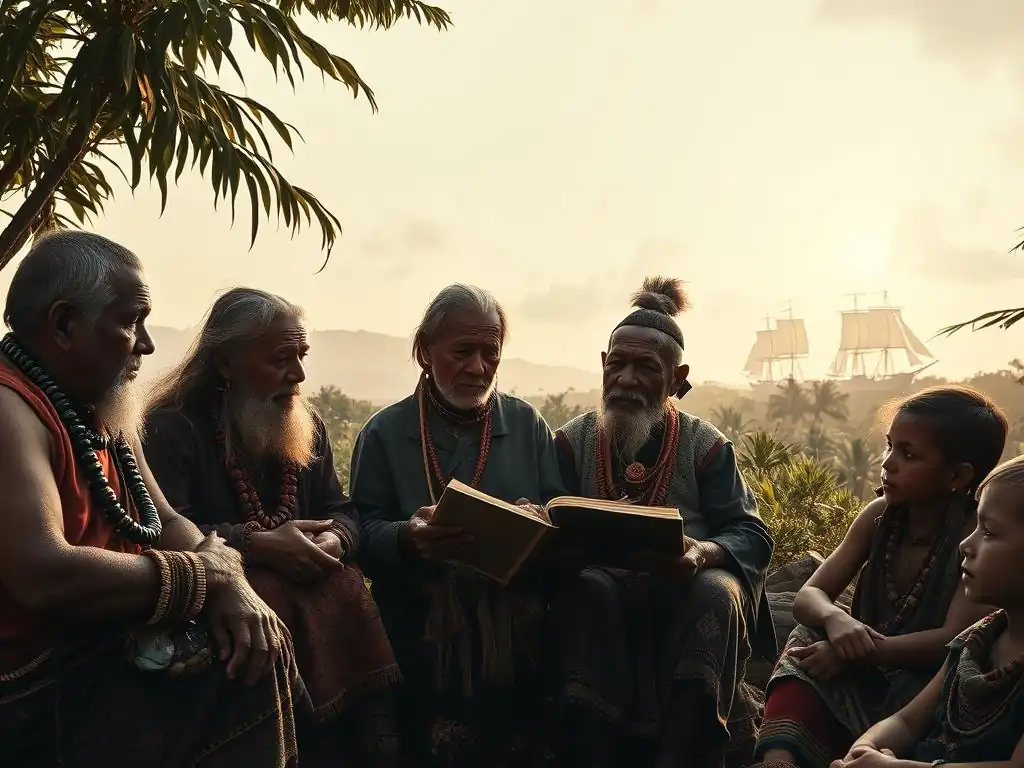
The European conquest of the Americas had profound and varied effects on indigenous cultures, reshaping their social structures, economies, and identities. By examining specific case studies, we can gain a clearer understanding of how these cultures were transformed, resisted, and adapted in the wake of European colonization. Two prominent civilizations that illustrate these impacts are the Aztec Civilization and the Inca Empire. Each case study reveals the complexities of conquest and the lasting legacies that continue to influence indigenous peoples today.
The Aztec Civilization: Transformation and Resistance
The Aztec Civilization, with its rich tapestry of culture, religion, and governance, faced dramatic upheaval following the arrival of Spanish conquistadors, led by Hernán Cortés, in the early 16th century. The conquest began in 1519 and culminated in the fall of Tenochtitlán in 1521. This marked not only the end of the Aztec Empire but also initiated a process of transformation characterized by both resistance and adaptation.
The Spanish aimed to impose their culture, religion, and governance on the Aztecs, leading to significant alterations in social structures. Many indigenous people were forced into labor systems like the encomienda, which exploited their labor for Spanish economic gain. Despite these oppressive conditions, the Aztecs exhibited remarkable resilience. They engaged in various forms of resistance, from armed conflict to maintaining cultural practices in secret.
The legacy of the Aztec civilization persists today, as descendants continue to celebrate their heritage through language, art, and ritual. The blending of indigenous and Spanish cultures has also resulted in unique identities that reflect this complex history. This ongoing transformation highlights the adaptability of indigenous cultures in the face of conquest while also illustrating the profound impact of European colonization.
The Inca Empire: Conquest and Legacy
The Inca Empire, one of the largest and most sophisticated indigenous civilizations in pre-Columbian America, experienced a similarly devastating conquest led by Francisco Pizarro in the 1530s. The Incas, known for their advanced agricultural techniques, extensive road systems, and monumental architecture, faced rapid disintegration as the Spanish forces capitalized on internal divisions and civil strife within the empire.
The fall of the Inca Empire resulted in significant loss of life, culture, and autonomy. Spanish colonization imposed new administrative systems, religious conversions, and forced labor, fundamentally altering the societal fabric of the Andes. Yet, much like the Aztecs, the Incas exhibited a remarkable capacity for cultural resilience. Traditional practices, languages such as Quechua, and agricultural knowledge have persisted despite centuries of colonization.
The legacy of the Inca Empire is evident today in the vibrant cultures of Andean indigenous communities. Modern descendants continue to honor their Inca heritage through festivals, traditional clothing, and communal agricultural practices. The Inca impact on the Americas is not only a testament to their ingenuity but also a reminder of the enduring strength of indigenous identities in the face of historical adversity.
The Lasting Impact of European Conquest on Indigenous Cultures
The European conquest had far-reaching consequences for indigenous cultures across the Americas. While it led to significant disruptions and transformations, it also set the stage for the resilience and revitalization of these cultures in subsequent centuries. Understanding this lasting impact requires a nuanced look at how indigenous identities have evolved and adapted over time.
Preservation of Indigenous Identity and Heritage
Despite the destructive forces of colonization, many indigenous cultures have successfully preserved their identities and heritage. This preservation is evident in the maintenance of traditional languages, customs, and practices that reflect the unique histories of various indigenous groups.
Efforts to revitalize indigenous languages, such as the establishment of language immersion schools and community programs, demonstrate a commitment to keeping these languages alive. Additionally, cultural ceremonies, art forms, and storytelling traditions continue to foster a sense of belonging and continuity among indigenous peoples.
Moreover, the recognition of indigenous rights and the push for land sovereignty have helped empower communities to reclaim and celebrate their heritage. These movements often emphasize the importance of ancestral knowledge and sustainable practices that have been passed down through generations, highlighting the resilience of indigenous cultures in the face of historical trauma.
Modern Implications: Revitalization of Indigenous Cultures Today
In recent decades, there has been a notable resurgence in the revitalization of indigenous cultures across the Americas. This movement is characterized by a renewed interest in traditional practices, languages, and governance systems, often fueled by a desire to reconnect with ancestral roots and assert cultural identity.
Modern indigenous movements focus on social justice, environmental stewardship, and cultural preservation. Many communities are actively working to reclaim their history and assert their rights in contemporary society, often through legal and political avenues. This resurgence has led to greater visibility for indigenous issues, including land rights, environmental protection, and cultural heritage.
Furthermore, the rise of digital platforms and social media has provided indigenous peoples with new tools to share their stories, foster connections, and advocate for their rights. These platforms enable the dissemination of indigenous perspectives and experiences, challenging historical narratives and promoting cultural pride.
Overall, the lasting impact of European conquest is evident not only in the historical transformations of indigenous cultures but also in their ongoing revival and resilience in the modern world. The journey of these cultures continues, as they adapt and thrive amidst the complexities of contemporary society.
Conclusion: Reflecting on the Indigenous Cultures' Impact in the Americas
The indigenous cultures of the Americas have left an indelible mark on the continent, shaping its history, identity, and future long before European contact. From the sophisticated societal structures of the Aztecs and Maya to the intricate spiritual beliefs and sustainable practices of numerous tribes, these cultures contributed significantly to a rich tapestry of human experience.
The European conquest, while devastating, did not erase the legacies of these societies. Instead, it catalyzed a complex narrative of resistance, adaptation, and survival. Understanding the impact of indigenous cultures requires us to recognize their achievements and the profound ways they have influenced contemporary society, from agricultural practices to governance and artistic expression. By reflecting on their contributions, we acknowledge that the narratives of the Americas are incomplete without honoring the voices and experiences of indigenous peoples.
Lessons Learned from History: The Importance of Indigenous Perspectives
The history of indigenous cultures in the Americas presents vital lessons that resonate today. One of the most significant is the understanding and respect for indigenous perspectives. These viewpoints offer invaluable insights into sustainable living, community organization, and governance that prioritize harmony with nature.
Indigenous knowledge systems, often overlooked or marginalized, embody centuries of wisdom about environmental stewardship and social cohesion. For instance, many indigenous groups practice sustainable agriculture techniques, such as the Three Sisters method, which emphasizes the interdependence of crops like corn, beans, and squash. Recognizing the efficacy of these practices can guide modern agricultural policies toward sustainability.
Moreover, engaging with indigenous perspectives fosters a more nuanced understanding of history. It invites a dialogue that respects the lived experiences of indigenous peoples, acknowledges their grievances, and celebrates their contributions. This shift towards inclusivity is essential for healing historical wounds and forging a path toward reconciliation.
Acknowledging the Resilience of Indigenous Cultures in the Face of Change
The resilience of indigenous cultures in the Americas is a testament to their adaptability and strength. Despite the profound disruptions caused by European colonization, many indigenous communities have preserved their languages, traditions, and identities. This resilience is reflected in various cultural revivals and movements that seek to reclaim and celebrate indigenous heritage.
For example, many tribes are actively revitalizing their languages through education programs and community initiatives, ensuring that future generations inherit their linguistic heritage. Cultural events, traditional ceremonies, and the arts play crucial roles in fostering a sense of identity and belonging among indigenous peoples.
Furthermore, the contemporary advocacy for indigenous rights highlights the enduring spirit of these cultures. Movements for land rights, environmental justice, and cultural preservation are led by indigenous voices, demonstrating their commitment to protecting their heritage while addressing modern challenges. This ongoing struggle reaffirms that indigenous cultures are not relics of the past but vibrant, living traditions that continue to shape the Americas today. Their resilience serves as a powerful reminder of the importance of diversity and the need to honor all voices in the narrative of our shared history.
- Introduction to Indigenous Cultures and European Conquest
- The Immediate Effects of European Contact on Indigenous Societies
- Cultural Exchange: The Intermingling of Indigenous and European Traditions
- The Long-Term Consequences of European Colonization
- Case Studies: Specific Indigenous Cultures Affected by Conquest
- The Lasting Impact of European Conquest on Indigenous Cultures
- Conclusion: Reflecting on the Indigenous Cultures' Impact in the Americas
- What are the main indigenous cultures discussed in the article?
- How did European conquest affect indigenous societies?
- What lasting impact did indigenous cultures have on modern society?
- How can we learn more about indigenous achievements?
- Why is it important to understand the impact of indigenous cultures?
Frequently Asked Questions
What are the main indigenous cultures discussed in the article?
The article highlights several diverse indigenous cultures that existed in the Americas, including the Maya, Inca, and Aztec civilizations, showcasing their unique achievements and societal structures.
How did European conquest affect indigenous societies?
European conquest led to significant disruption of indigenous societies, resulting in the loss of life, land, and cultural practices, which ultimately reshaped the social and political landscapes of the Americas.
What lasting impact did indigenous cultures have on modern society?
Indigenous cultures have contributed to modern society through their agricultural practices, art, and spiritual beliefs, influencing contemporary cultural identities across the Americas.
How can we learn more about indigenous achievements?
The website provides a comprehensive exploration of indigenous achievements, including advancements in agriculture, architecture, and governance, encouraging further research into these important historical contributions.
Why is it important to understand the impact of indigenous cultures?
Understanding the impact of indigenous cultures on the Americas is crucial for recognizing their historical significance and fostering a deeper appreciation for their resilience and ongoing contributions to society today.
Final Reflection: The Enduring Legacy of Indigenous Cultures in the Americas
The profound impact of European conquest on the Americas is not merely a historical footnote; it is a pivotal chapter that continues to shape the cultural and social landscapes of today. The legacies of indigenous cultures, once threatened by colonization, have not only survived but thrived, influencing modern society in ways that are often overlooked. The resilience and richness of these cultures remind us that history is not just about conquest and loss, but also about survival and adaptation.
The ongoing influence of indigenous cultures is evident in the arts, languages, and traditions that permeate contemporary life across the Americas. These cultures have contributed to a vibrant tapestry that enriches our collective identity. As we navigate the complexities of modern society, it is essential to recognize and honor this heritage. Indigenous cultures are not relics of the past; they are living, breathing entities that continue to shape our world.
This acknowledgment fosters a deeper understanding of the interconnectedness of our histories and the importance of preserving these cultures for future generations.
As we reflect on the themes presented in this article, I invite you to consider your own relationship with the history of the Americas and the indigenous cultures that have shaped it. How can you contribute to the recognition and celebration of these cultures in your own life? Whether through education, advocacy, or simply by engaging with indigenous voices and stories, each of us has a role to play in ensuring that the legacy of these cultures endures. Let us take this opportunity to honor the past while actively participating in a more inclusive and respectful future.
Unveil the Legacy: Take Action for a Deeper Understanding!
Thank you for taking the time to explore how European conquest reshaped the Americas. Your interest is pivotal in honoring the rich history and cultures of Indigenous civilizations. Now, it's time to transform that knowledge into action!
Here are some ways you can engage further and contribute positively:
- Dive Deeper: Explore our curated resources to learn more about the diverse histories and cultures of Indigenous peoples throughout the Americas. Your knowledge can help foster respect and understanding.
- Share Your Insights: Engage in discussions with friends and family—the more we talk about the past, the more we raise awareness about the present issues facing Indigenous communities.
- Support Indigenous Voices: Consider donating to or volunteering with organizations that advocate for Indigenous rights and the preservation of their cultures. Every contribution makes a difference!
How will you contribute to preserving and honoring the legacy of Indigenous cultures in the Americas?