Mesoamerican Agricultural Practices: The Ingenious Farming Systems That Sustained Great Civilizations
Welcome to our deep dive into Mesoamerican Agricultural Practices, a cornerstone of the Advancements and Achievements of indigenous civilizations like the Maya, Aztec, and Zapotec. These societies did not just farm; they engineered resilient landscapes, turning swamps, hillsides, and dry plains into thriving food systems that fed millions. From floating gardens to terrace farming, their innovations were millennia ahead of their time and remain relevant for modern sustainable agriculture. Explore how these ancient techniques shaped population growth, trade, and cultural survival.
🌽 The Milpa System: Polyculture and Soil Fertility
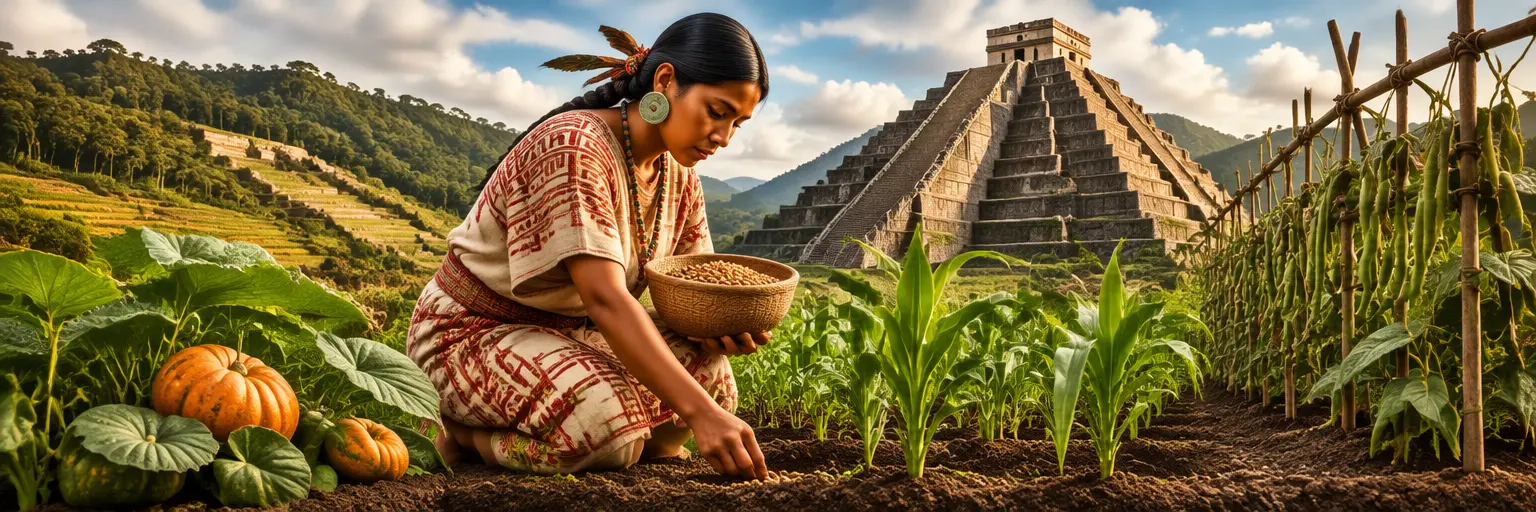
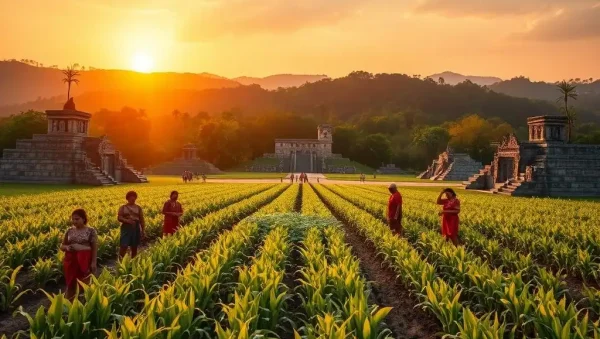
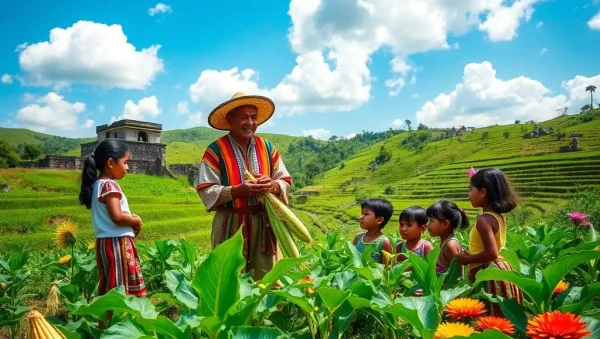
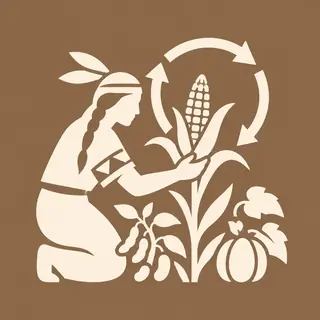
The milpa—a shifting and rotating field system—was the heart of Mesoamerican food production, primarily centered on the “Three Sisters”: maize, beans, and squash. Instead of monoculture, farmers intercropped these species to maximize yield and soil health. Beans fixed nitrogen in the soil, squash provided ground cover that suppressed weeds and retained moisture, and maize served as a natural trellis. This symbiotic trio was a masterclass in biodiversity and nutritional balance.
Expect to learn how the milpa cycle, which involved fallowing fields for several years, actually increased long-term productivity over static farming. This method also reduced pest outbreaks and erosion. The milpa was not merely a technique but a cultural and ritual practice, intertwined with calendars and deities, reflecting a deep ecological understanding that modern regenerative agriculture is only now rediscovering.
🏞️ Chinampas: The Floating Gardens of the Aztecs
Perhaps the most iconic Mesoamerican agricultural invention, chinampas were artificial islands built on shallow lake beds, notably around Tenochtitlan (modern Mexico City). Constructed by layering mud, vegetation, and canals, these raised beds created a highly fertile, moisture-retentive environment capable of producing up to seven harvests per year. The intricate canal network also facilitated transport and provided a habitat for fish and waterfowl.
This section reveals the engineering precision behind chinampas—how they drained excess water, prevented salinization, and maintained soil fertility without chemical fertilizers. You will also see how this system supported a population of over 200,000 people in the Aztec capital alone, proving that intensive urban agriculture is possible when integrated with hydraulic management. Their legacy persists today in Xochimilco, a UNESCO World Heritage site.
⛰️ Terracing and Hillside Farming: Conquering the Slopes
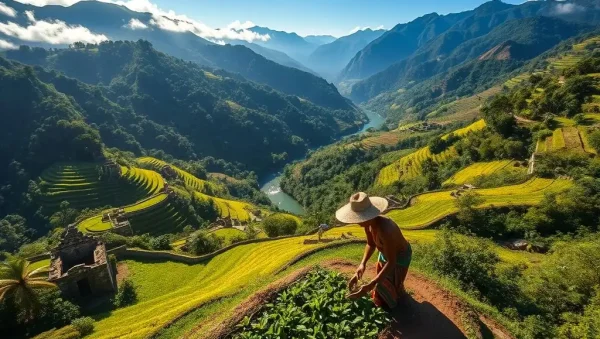
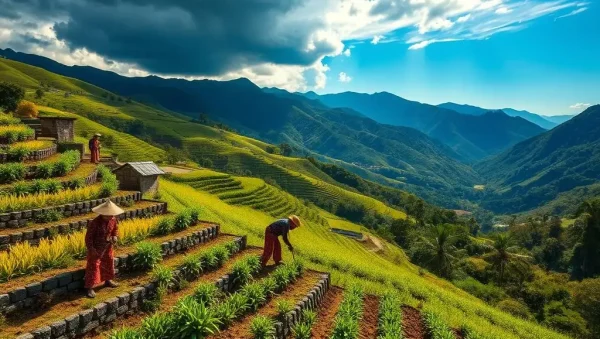
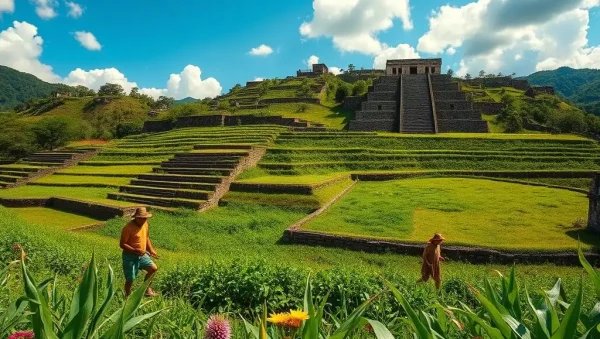
In the rugged highlands of Oaxaca and Guatemala, the Zapotec and Maya developed sophisticated agricultural terraces to cultivate steep mountain slopes. These stone-walled platforms reduced runoff, captured rainfall, and prevented soil erosion, allowing maize, amaranth, and chilies to grow at altitudes where farming would otherwise be impossible. They also incorporated check dams and drainage channels to manage seasonal flooding.
Here, you’ll understand the labor-intensive construction and maintenance of these terraces, which required communal organization and advanced surveying skills. The terraces also created microclimates, enabling the cultivation of diverse crops in a single slope—from drought-tolerant cacti at the top to moisture-loving crops at the bottom. This vertical agriculture maximized land use and provided a buffer against climate variability, a lesson especially poignant for today’s mountainous regions facing food insecurity.
🌾 Raised Fields and Wetland Agriculture: Managing Water Wisdom
Beyond chinampas, many Mesoamerican groups, particularly in the Maya lowlands, used raised fields in seasonal swamps (bajos). These were long mounds of soil elevated above the waterlogged ground, with canals in between that stored water during dry periods and drained excess during rains. This technique transformed inhospitable wetlands into breadbaskets, supporting dense populations in places like Belize and Petén.
Readers will discover how these fields were constructed with alternating layers of organic matter and clay to ensure permeability and nutrient cycling. The canals served as fishponds and irrigation reservoirs, creating a polyculture system that included food, fiber, and medicinal plants. Recent archaeological lidar scans have revealed that these wetland systems covered vast areas, challenging the old myth that the Maya only practiced slash-and-burn agriculture.
🌶️ Crop Diversity and Genetic Engineering: Superfoods of the Ancient World
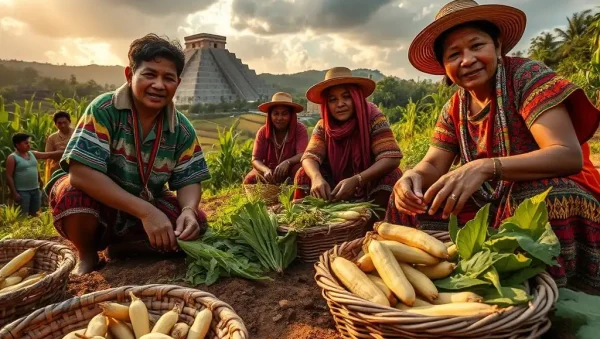
Mesoamericans were master plant breeders, domesticating over 200 plant species, including maize, beans, squash, avocados, tomatoes, chili peppers, and cacao. Through selective breeding over millennia, they transformed tiny wild grasses into large-cobbed maize and developed bitter root crops into sweet, edible varieties. They also invented nixtamalization—soaking maize in alkaline lime water—which increased nutritional availability of niacin and prevented deficiency diseases.
This segment highlights how this genetic diversity was a hedge against crop failure and climate extremes. It also emphasizes the cultural significance of these crops, which were used in rituals, as currency, and as symbols of identity. Today, many of these indigenous varieties (landraces) are being preserved by farmers and scientists for their resilience and nutritional value, making Mesoamerica a global center of origin for food security.
💧 Irrigation and Water Conservation: Engineering for Arid Zones
In the arid valleys of central Mexico and the Oaxacan highlands, civilizations like the Teotihuacanos and Mixtecs developed extensive irrigation canals, aqueducts, and terracing of springs. These systems diverted river water, captured rainfall in reservoirs, and used pottery shards as mulch to reduce evaporation. They also built sunken gardens near water tables, creating oasis-like plots in desert regions.
Expect to see how these waterworks were managed by centralized authorities yet operated with local autonomy, reflecting a sophisticated blend of political and hydraulic engineering. The ability to store water for two years of drought was common, enabling stable food production despite erratic rainfall. This ancient know-how is now informing modern water-scarce regions, proving that indigenous irrigation principles can enhance contemporary conservation efforts.
Frequently Asked Questions
What is the most important crop in Mesoamerican agriculture?
Maize (corn) is the most vital crop, serving as the staple food for all Mesoamerican cultures. It was not only a food source but also central to religion, mythology, and social structure. Its domestication from the wild grass teosinte over 9,000 years ago enabled civilization’s rise, as it could be dried, stored, and processed into various foods like tortillas and tamales.
Did the Maya use slash-and-burn agriculture exclusively?
No, while slash-and-burn (milpa) was common, the Maya also used terraces, raised fields, and irrigation. Recent lidar studies show they transformed large wetland areas with drainage systems and enlarged cultivable land. They managed forest gardens and agroforestry, combining annual crops with fruit trees and edible perennials, which was far more intensive and sustainable than previously believed.
How did chinampas remain fertile without modern fertilizers?
Chinampa farmers constantly added decaying vegetation, lake mud, and human waste (composted) to the beds. The canals also provided nutrient-rich silt during dredging. This organic recycling, along with nitrogen-fixing plants, maintained high fertility indefinitely. The system essentially mimicked a natural wetland nutrient cycle, producing yields far surpassing modern chemical farming per unit area.
Are any of these ancient practices still used today?
Yes, many are actively employed. Chinampas still operate in Xochimilco, Mexico City, producing vegetables and flowers. Milpa farming persists in rural Guatemala and southern Mexico, with farmers preserving traditional varieties. Terracing is still used in Oaxaca and the Andean regions, and some communities are reviving traditional water management techniques to combat drought and soil degradation.
What was nixtamalization and why was it important?
Nixtamalization is the process of boiling maize kernels in water mixed with lime (calcium hydroxide) or wood ash, then soaking and washing them. This technique was invented by Mesoamericans and is crucial because it releases niacin (vitamin B3), increases calcium, and reduces toxins. Without it, a maize-based diet caused pellagra. This process also improves flavor and makes masa (dough) for tortillas and tamales.