Mesoamerican Astronomy: The Celestial Science of Ancient Civilizations
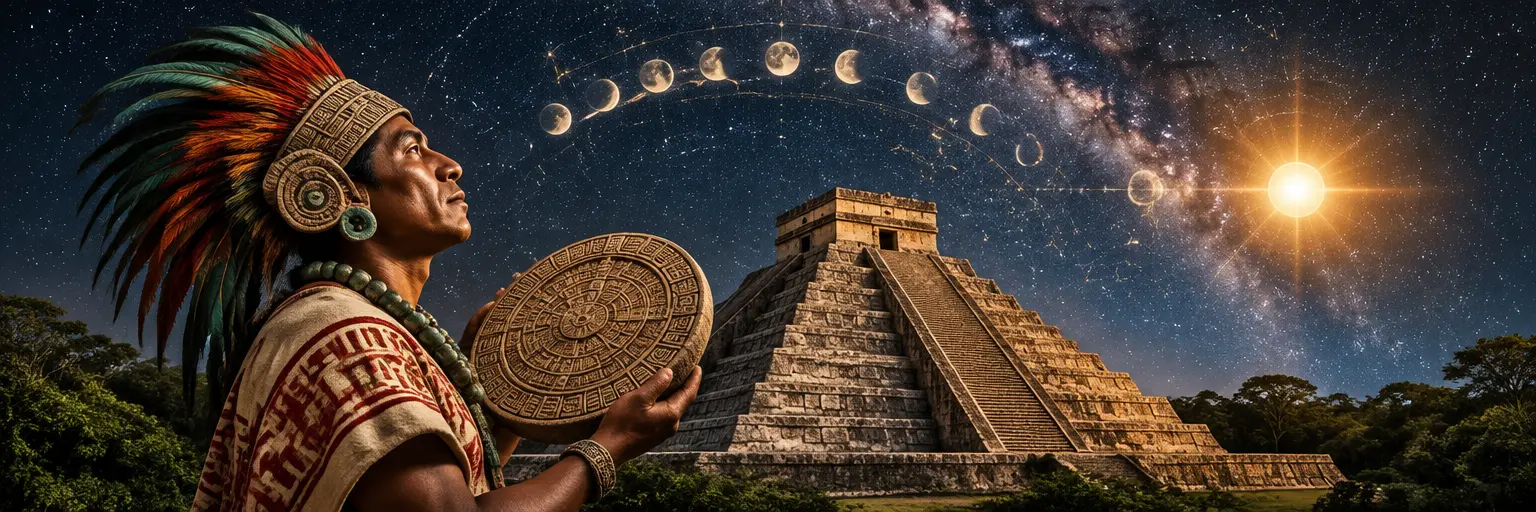
Mesoamerican astronomy stands as one of the most sophisticated scientific achievements of the ancient world. Civilizations like the Maya, Aztec, and Zapotec developed intricate celestial observation systems that governed their calendars, agriculture, architecture, and religious rituals. Their ability to predict eclipses, track Venus cycles, and align monumental structures with solstices demonstrates a mathematical precision that rivals modern astronomy. This subcategory explores how these indigenous peoples mapped the cosmos, translating the heavens into a cultural framework that still fascinates researchers today.
🌌 The Maya Calendar System and Celestial Cycles
The Maya created the most accurate pre-telescopic calendar in human history, with their Haab (solar year of 365 days), Tzolk’in (sacred 260-day cycle), and Long Count calendar for long-term historical tracking. Their astronomical tables, like the Dresden Codex, accurately predicted lunar eclipses and the synodic period of Venus (584 days) with a margin of error of less than two hours per century. These calculations were not merely academic; they guided sowing and harvest times, royal successions, and warfare planning.
By correlating celestial movements with terrestrial events, the Maya developed a worldview where heavenly bodies directly influenced earthly destiny. Their zenithal passages—when the sun passes directly overhead—were meticulously recorded, and they built observatories like El Caracol at Chichén Itzá, with windows aligned to key planetary events. This integration of astronomy into everyday governance made them pioneers of applied celestial science in the ancient Americas.
🏛️ Architectural Alignments: Temples, Pyramids, and Observatories
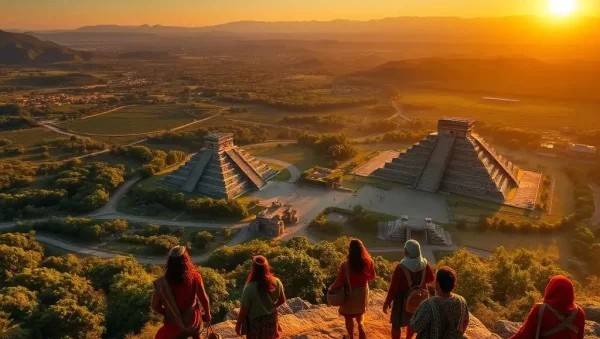
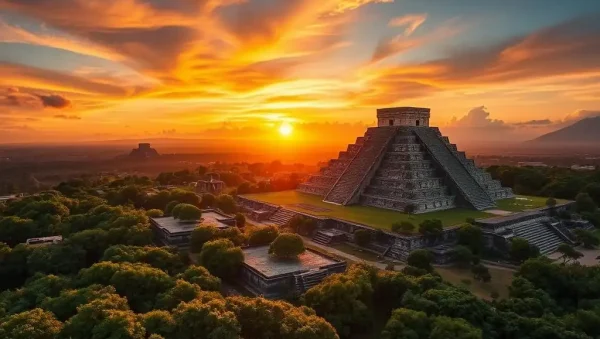
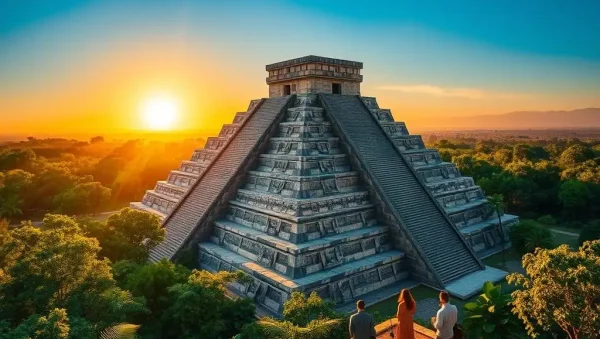
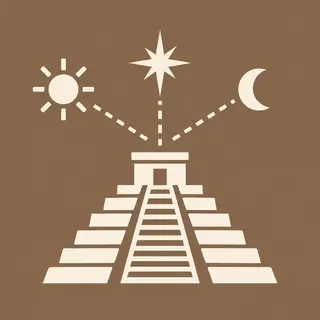
Mesoamerican cities functioned as astronomical instruments. The Pyramid of Kukulcán at Chichén Itzá casts a serpent-like shadow during the equinox, a phenomenon engineered to signal the planting season. Similarly, Teotihuacan’s Pyramid of the Sun aligns with the setting sun on specific dates, creating a celestial marker for the city’s ceremonial axis. Structures like the Caracol at Chichén Itzá and the Observatory at Xochicalco feature deliberate doorways and windows oriented to Venus, the Pleiades, and the cardinal directions.
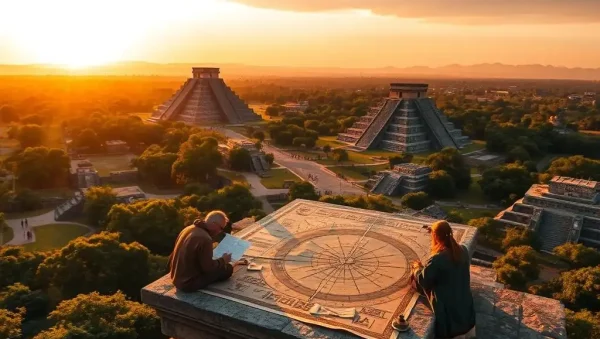
These alignments were not decorative—they served as public calendars for large populations, enabling synchronized agricultural and ritual activities. Builders used simple tools like gnomons (shadow casters) and crossed sticks to track solstices, but their precision is remarkable: many buildings show alignments accurate to within one degree. This fusion of astronomy with urban planning demonstrates how Mesoamerican cultures embedded cosmic knowledge into their physical landscape, making sacred spaces reflections of the heavens.
🔭 Venus, Eclipses, and the Astral Deities
Venus was the most important celestial body after the sun and moon. The Aztec called it Tlahuizcalpantecuhtli, “Lord of the Dawn,” and its morning and evening appearances dictated ritual cycles, including times for war (the “Star Wars” of the Maya). Eclipses were recorded with granular precision—the Maya could predict solar eclipses within a few days using eclipse seasons, and they feared them as times of cosmic imbalance, prompting fasting and sacrifice. The Dresden Codex contains a 33-year eclipse table.
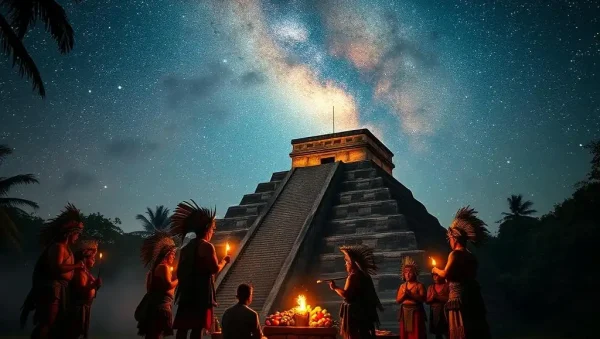
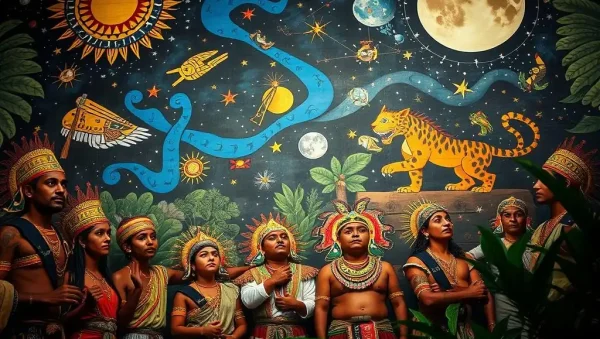
These astronomical observations were deeply theological. The sun was Tonatiuh for the Aztecs, requiring daily human blood to continue its journey. The Maya viewed the Milky Way as a cosmic road, and the moon was a goddess who cycled through phases affecting fertility and timekeeping. By charting these bodies, priests created a unified cosmology where astronomical events were divine manifestations, allowing them to mediate between humans and gods through elaborate ceremonies.
📜 Codices and Written Astronomical Records
Mesoamerican astronomers recorded their findings in codices—folded bark-paper or deerskin books—featuring hieroglyphic texts and painted tables. Only four Maya codices survive (Dresden, Madrid, Paris, and Grolier), with the Dresden Codex being the most comprehensive astronomical document, containing Venus tables, lunar cycles, and eclipse predictions. The Aztec Codices (like the Borbonicus and Tovar) preserve calendar systems, while the Mixtec and Zapotec codices incorporate planetary omens tied to dynastic histories.
These documents show not just data but a systematic methodology: astronomers noted observation dates, calculated corrections over centuries, and cross-referenced multiple celestial cycles. The works were created before European contact and remain readable today, thanks to epigraphers who deciphered the writing system. Their existence proves that astronomy was a respected, institutional science with formal training, stunningly parallel to contemporaneous achievements in ancient Greece or Babylon, yet independent in its cultural expressions.
🏺 Cultural Legacy and Modern Research
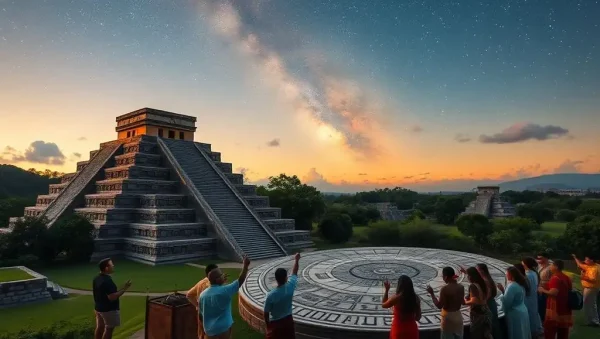
The astronomical legacy of Mesoamerica survives in modern indigenous communities who still observe solstices and agricultural cycles, and in archaeological research that uses computer models to recreate ancient skies. The alignment of Teotihuacan’s Avenue of the Dead, for example, points to the setting of the Pleiades, a star cluster central to many Mesoamerican mythologies. Recent advances in lidar and astroarchaeology are uncovering new alignments in previously unexplored sites.
This subcategory highlights how astronomy was not an isolated science but intertwined with math, architecture, and religion. It challenges the notion that pre-Columbian peoples were “primitive”—their understanding of planetary motion and timekeeping rivals (and in some cases exceeds) that of contemporary Europeans. For modern readers, studying Mesoamerican astronomy offers a window into how human societies creatively interpret their environment, and its precision continues to inspire celestial mechanics and cultural histories alike.
Frequently Asked Questions
What was the most important astronomical object for the Maya?
Venus was the most crucial after the sun and moon. The Maya tracked its 584-day synodic cycle with extreme accuracy, using it to time wars and rituals. They believed Venus’s movements signaled both benevolent and destructive divine forces, making its observation a political and religious priority.
How did Mesoamericans predict eclipses?
They used repeating eclipse seasons, noting that solar eclipses occur near the nodes of the moon’s orbit. The Dresden Codex contains a table covering 33 years, predicting eclipse possibilities within specific lunar months. They also tracked the saros-like cycles, achieving accuracy within a few days—an impressive feat without telescopes.
Which Mesoamerican structure is the best example of astronomical alignment?
The Pyramid of Kukulcán at Chichén Itzá is iconic: during equinoxes, a shadow mimicking a serpent descends its staircase. Another is El Caracol at Chichén Itzá, a circular observatory with windows aimed at Venus’s north and south extremes and the setting sun. Both demonstrate precise architectural aligning with celestial phenomena.
Did Mesoamerican astronomy influence their agriculture?
Absolutely. The 260-day Tzolk’in and 365-day Haab calendars governed planting, harvesting, and irrigation schedules. Zenithal passages and solstice observations marked the best times to plant maize, beans, and squash. Astronomical data informed royal decrees for cultivation and tribute, ensuring food security for large cities.
Are there still living traditions of Mesoamerican astronomy today?
Yes. Many indigenous Maya, Zapotec, and Nahua communities retain calendar rituals tied to solstices and equinoxes, and some elders keep traditional sky-watching practices. Modern astronomical societies collaborate with them to compare ancient predictions with current sky charts, preserving this knowledge as an active cultural heritage.