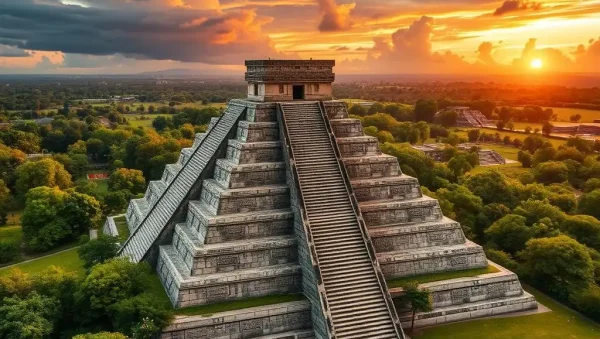
Exploring Aztec Architecture and Urbanism
Step into the heart of the Aztec Empire, where monumental pyramids, sprawling marketplaces, and engineered causeways transformed the Valley of Mexico into a marvel of pre-Columbian urban planning. This subcategory delves into the stone, soil, and symbolism behind Tenochtitlan and other city-states, revealing how Aztec architecture reflected religious cosmology, social hierarchy, and military power. From the Templo Mayor’s twin shrines to the chinampas’ floating gardens, discover the ingenuity that amazed Spanish conquistadors and still influences modern archaeology and urban design. Ideal for history enthusiasts, students, and travelers, this page offers rich SEO-rich insights into a civilization that built cities on water and belief.
🏛️ The Sacred Core: Templo Mayor and Ceremonial Precincts
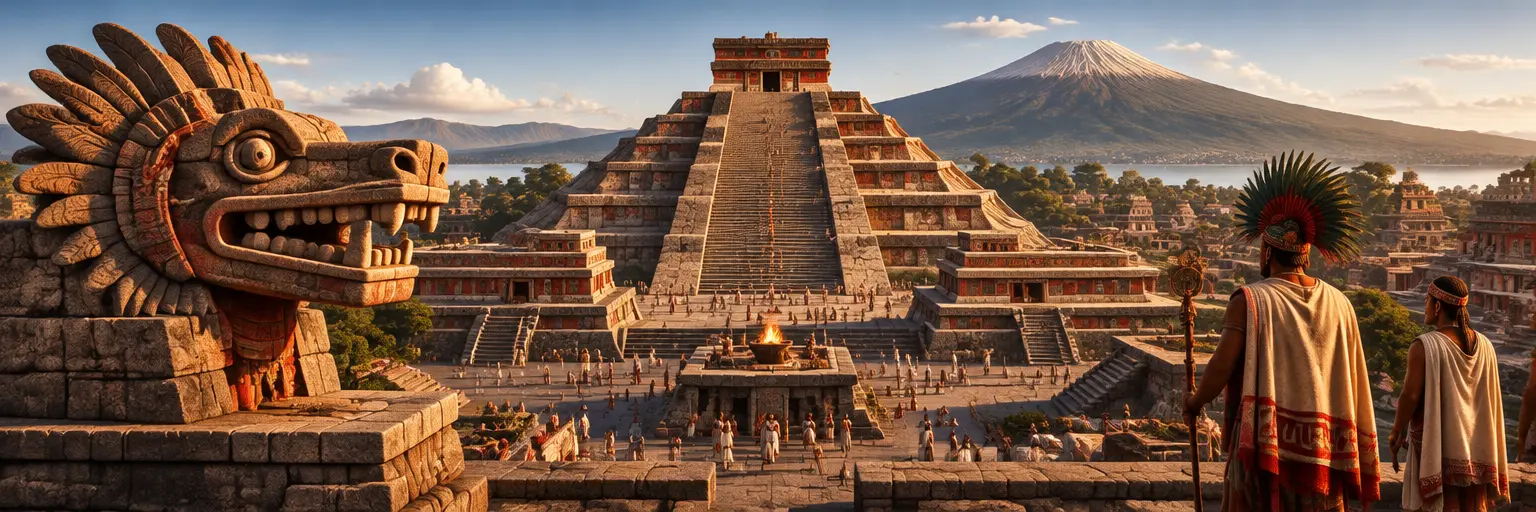
The Templo Mayor, or Huey Teocalli, stood as the spiritual and political axis of Tenochtitlan. Its twin staircases led to shrines for Huitzilopochtli (war) and Tlaloc (rain), embodying the Aztec duality of life and death. Excavations reveal seven layers of construction, each phase expanding the pyramid’s scale during royal coronations. Surrounding it, the sacred precinct housed skull racks (tzompantli), ball courts, and priestly residences, all aligned with celestial events. Visitors today can see remnants at Mexico City’s Zócalo, where Spanish colonial structures were built atop these foundations, illustrating a violent yet fascinating cultural palimpsest.
Beyond mere religious function, the precinct was a microcosm of Aztec cosmology—the center of the universe, where human sacrifice sustained cosmic order. Architecture here was deliberately theatrical: towering platforms amplified ritual visibility, and carved serpent heads guarded thresholds. For readers, this section underscores how urban layout mirrored myth, making every stone a statement of divine mandate. Modern 3D reconstructions and museum artifacts bring these spaces to life, offering a visceral connection to a world where architecture was not just built, but performed.
🌊 Floating Gardens: Chinampas and Hydraulic Engineering
Aztec urbanism thrived on water, and the chinampas—artificial islands of mud, reeds, and vegetation—turned swamps into fertile farmland. These “floating gardens” were anchored with willow trees, creating a lattice of canals that irrigated maize, beans, and amaranth. The system supported a population of over 200,000, showcasing advanced hydraulic knowledge in drainage, flood control, and soil enrichment. Built in Lake Texcoco, chinampas were not only agricultural but also defined urban edges, with raised paths (tlaxilacalli) linking residential zones to central markets like Tlatelolco.
This engineering feat proves that Aztec urbanism was symbiotic with nature, not a conquest of it. The canals doubled as transportation arteries, moving goods and people faster than any road. Seasonal flooding was mitigated through dykes and sluice gates—innovations that Spanish chroniclers praised. Today, surviving chinampas in Xochimilco are a UNESCO World Heritage site, offering a living laboratory for sustainable agriculture. For eco-minded readers, this subcategory highlights pre-industrial solutions to urban density, making ancient wisdom relevant to modern climate challenges.
🏘️ Neighborhoods and Social Stratification in City Planning
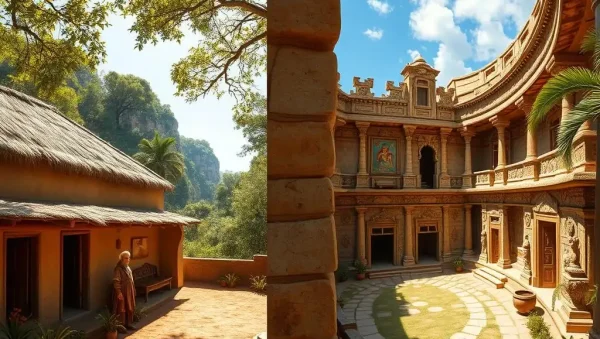
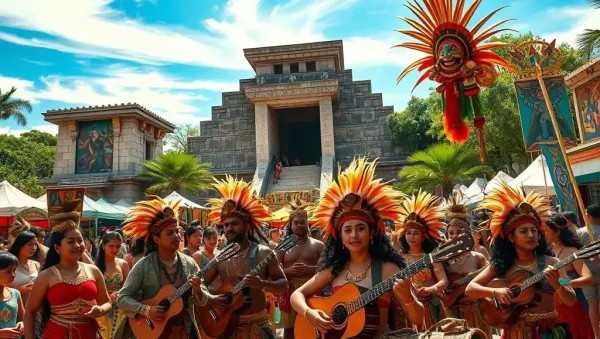
Aztec cities were divided into calpulli—neighborhood units, each with its own temple, school (calmecac), and market. This decentralized structure fostered community identity but also enforced class boundaries. Nobles lived in two-story adobe palaces near the ceremonial core, while commoners occupied single-story homes on the periphery. Streets were straight, often paved, and designed for processions, with drainage channels running alongside to handle waste. The Tlatelolco market, rivaling any in Europe, anchored commerce, while artisan districts specialized in featherwork, obsidian, and pottery.
What’s striking is the grid-plan rationality—Aztec cities were not chaotic sprawls but ordered spaces reflecting social hierarchy and state control. Public plazas served as gathering spots for festivals and judicial announcements, reinforcing civic unity. Gender and age also shaped space: women’s domestic areas were distinct, and young warriors had their own dormitories. Comparing this to contemporary cities, readers see how urban planning is never neutral; it encodes power. This section offers a social archaeology lens, showing how Aztec architecture functioned as a silent but potent language of status and belonging.
🗿 Materials, Techniques, and Iconographic Carving
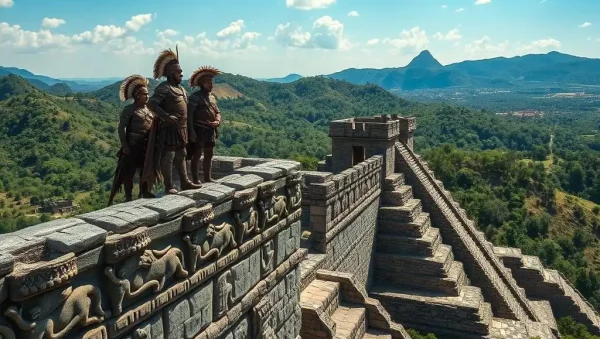
Aztec builders used volcanic basalt, tezontle, and limestone, sourced from quarries miles away, transported by thousands of laborers. They employed no metal tools—only harder stones, obsidian blades, and wooden mallets—yet achieved precise cuts and massive scale. The talud-tablero style, with sloped bases and vertical panels, became a signature, while iconographic carving covered facades with serpents, eagles, and glyphs narrating conquests and myths. Stucco and red paint (cinnabar) added vibrant color, now faded but visible in reconstructed models.
Construction was a communal and ritual act, with workers offering their sweat as tribute, and foundations often sanctified with sacrificial deposits. The technique of rammed earth and adobe bricks was common for housing, while temples used veneer masonry over rubble cores for durability. Waterproofing with lime plaster was critical for flood-prone zones. This section demystifies Aztec engineering, revealing a sophisticated understanding of structural physics, seismic resistance, and aesthetics. For DIY enthusiasts or architects, these methods offer lessons in building with local materials—an early example of sustainable construction that still resonates.
🔺 Symbolism and Alignment: Cosmograms in Stone and City
Every Aztec structure was a cosmogram, aligning with solstices, equinoxes, and the sacred directions. The Templo Mayor’s axis pointed to the setting sun on equinoxes, while its four staircases represented the cardinal points. Cities themselves were laid out to mirror the mythic origin of Tenochtitlan (the eagle on a cactus), with the central plaza as the navel of the world. Zoning rules dictated that temples faced west, residential areas east, and ball courts were placed to mimic star patterns.
Color and material also carried symbolism: red for blood and east, black for west, white for north, yellow for south. The use of serpent imagery (Xiuhcoatl) signified fire and time, while skulls (Tzompantli) spoke of death’s regenerative power. This section illuminates how Aztec urbanism was not purely utilitarian but deeply metaphysical, with every street and stairwell as a ritual pathway. For readers, it’s an invitation to view cities as texts—readable through orientation, ornament, and placement—a lens that enriches any study of ancient or modern urbanism.
Frequently Asked Questions
What was the largest Aztec city, and how big was it?
Tenochtitlan, founded in 1325, was the largest, with an estimated population of 200,000–250,000, making it bigger than contemporary European capitals like Paris. It covered about 13 square kilometers, including canals, temples, and markets, all connected by causeways and bridges.
How did the Aztecs build on a lake without sinking?
They used a technique called cajete: they drove wooden piles into the lakebed, then layered stone, earth, and rubble to create a stable base. Chinampas were built with woven reeds and mud, anchored by trees, allowing massive structures without subsidence.
Did Aztec architecture influence later Mexican buildings?
Yes, colonial churches often reused Aztec foundations, and modern architects like Luis Barragán drew on pre-Columbian geometric simplicity. Nationalist movements in the 20th century, such as the “neohispanic” style, revived Aztec motifs, making them a lasting part of Mexico’s built identity.
What is the best-preserved Aztec ruin to visit today?
The Templo Mayor in Mexico City is the most significant, with excavations continuing. For a full city, visit the site of Teotihuacan (though pre-Aztec, it was venerated by them) or Malinalco, a cliff-carved shrine, but Templo Mayor offers the most authentic Aztec-core experience.
Why did the Aztecs align buildings with stars and sun?
Because they believed terrestrial life mirrored celestial order; alignment ensured cosmic harmony, favorable harvests, and divine favor. Priests tracked the sky to time festivals and sacrifices, and buildings served as observatories. Misalignment was seen as risking chaos and drought.