Exploring the Political Structure and Governance of the Aztec Civilization
Delve into the intricate political structure and governance of the Aztec Civilization, a complex empire that dominated Mesoamerica from the 14th to 16th centuries. This subcategory uncovers how the Aztecs organized power, maintained control over vast territories, and blended religion with statecraft. Discover the roles of emperors, councils, and local rulers, and understand how this sophisticated system shaped daily life and legacy.
🏛️ The Huey Tlatoani: Supreme Ruler and Divine Authority
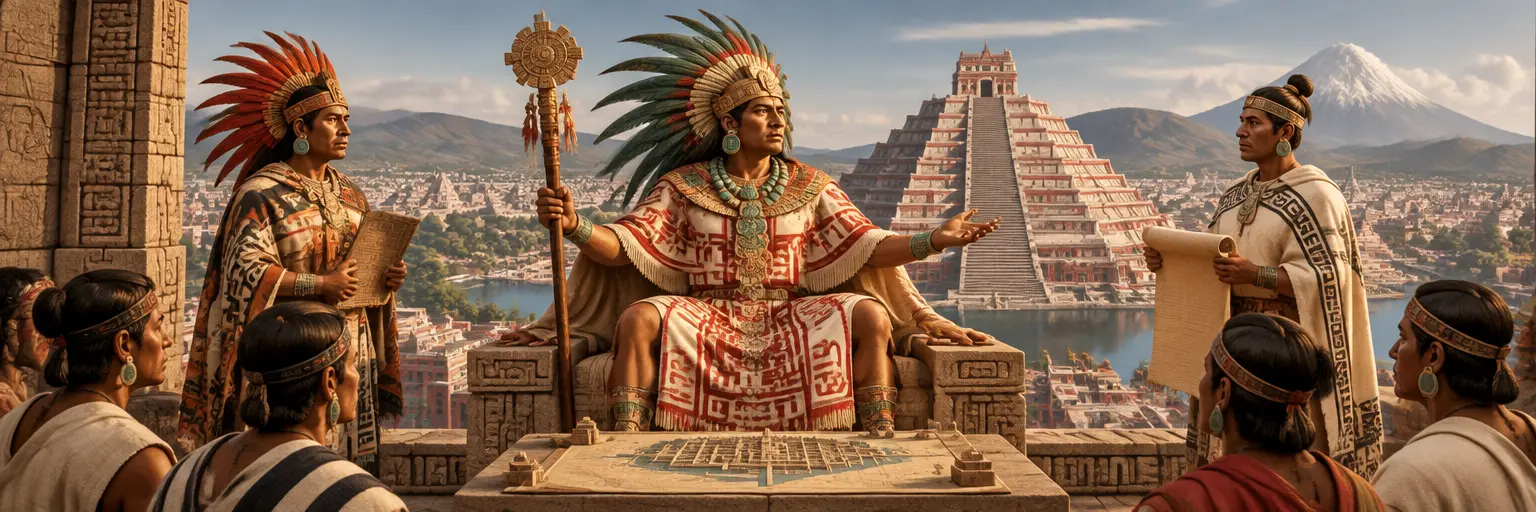
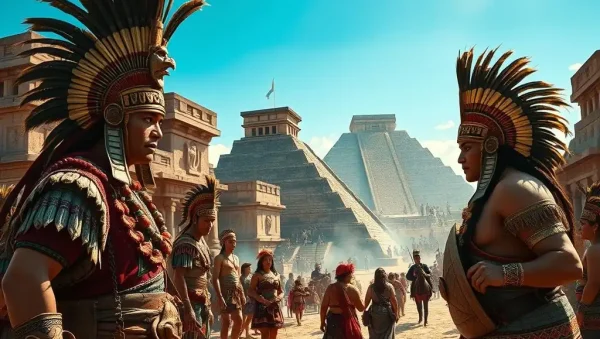
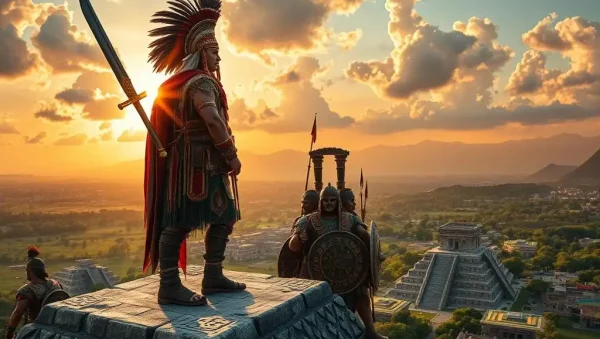
At the apex of Aztec political power stood the Huey Tlatoani, or "Great Speaker," who functioned as both emperor and high priest. This ruler was not merely a military commander but also the embodiment of divine will, chosen from the royal lineage by a council of nobles and priests. The Huey Tlatoani’s authority extended over legislation, tribute, and war, with his palace serving as the administrative heart of the empire. Succession was not strictly hereditary; instead, the most capable candidate was selected, ensuring strong leadership.
Readers can expect to learn about the daily rituals, regalia, and responsibilities that defined this role. The emperor’s decisions were often validated through religious ceremonies, reinforcing his legitimacy. This section explores how the Huey Tlatoani’s dual role—secular and sacred—created a unified governance model that impressed Spanish conquistadors and remains a cornerstone of Aztec studies.
⚖️ The Council of Four: Advisors and Power Balance
Beneath the emperor, a Council of Four high-ranking nobles served as principal advisors, military leaders, and potential successors. These officials, often relatives of the emperor, provided checks on absolute power by debating major state decisions, from tribute negotiations to war strategies. Each council member oversaw a quadrant of the capital city Tenochtitlan, ensuring efficient administration and rapid mobilization. Their influence demonstrated a blend of oligarchy and monarchy, a unique feature among ancient civilizations.
This section highlights the political intricacies of advisory systems, showing how the Aztecs prevented tyranny through structured counsel. Readers will understand how the Council of Four balanced regional interests and maintained cohesion across the Triple Alliance—the partnership between Tenochtitlan, Texcoco, and Tlacopan. Expect insights into their ceremonial roles and how their decisions shaped tribute collection and public works.
🌆 City-States and Provinces: Decentralized Administration
The Aztec Empire wasn’t a monolithic state but a hegemonic network of city-states (altepetl) that paid tribute to the central power. Local rulers, known as tlatoque, retained autonomy in internal affairs, managing justice, local temples, and agricultural lands. In return, they provided soldiers, labor, and goods to Tenochtitlan. This decentralized approach allowed the empire to expand rapidly without constant military occupation, leveraging local elites as intermediaries. Provinces were categorized by economic output, with strategic zones receiving more oversight.
Here, readers discover how the Aztecs managed diversity across hundreds of ethnic groups. The system relied on a mix of fear—through sacrificial rituals—and pragmatic alliances, such as intermarriage between ruling families. This section also covers the role of pochteca (merchants) who acted as spies and diplomatic agents, integrating trade into political control. You’ll gain clarity on why the empire persisted for centuries despite internal tensions.
📜 Legal Codes and Social Order: Justice Under the State
Aztec governance was underpinned by a codified legal system that varied by social class. Laws were proclaimed publicly in Nahuatl, and judges, appointed by the emperor, presided over courts in each district. Serious crimes like theft, treason, and adultery carried harsh penalties, including death or enslavement, while lesser offenses resulted in fines or public labor. Nobles faced stricter punishments than commoners, reflecting a society that valued order over equality. The calpulli (community wards) managed local disputes.
This segment explains how legal norms reinforced political stability. Contrary to popular belief, the Aztecs had a robust judiciary process, including trials and evidence evaluation. Readers will learn about the Supreme Court in Tenochtitlan, composed of 12 judges, and the emperor’s role as final arbiter. Emphasize the integration of moral codes with state laws, showing how governance was inseparable from religious ethics.
🛡️ Tribute, Taxation, and Economic Governance
The empire’s political power rested on an efficient tribute system, which collected goods like maize, cotton, cacao, and precious metals from subject provinces. Tribute lists were meticulously recorded in codices, and local collectors oversaw quotas. This economic governance funded the military, monumental architecture, and the emperor’s household. In times of crisis, additional labor was demanded for public projects, such as temple construction or canal maintenance. The system was designed to extract surplus without provoking revolt.
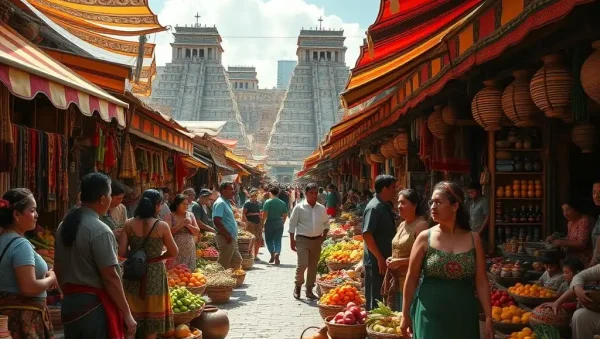
Here, users will explore how tribute influenced political relationships, with some cities given exemptions for loyalty. This section also covers the marketplaces and the role of state-controlled trade in luxury items like jade and feathers. By understanding economic governance, readers see how Aztec politics was deeply intertwined with resource distribution, shaping both social hierarchies and imperial expansion.
Frequently Asked Questions
How was the Aztec emperor chosen?
The emperor was selected by a council of senior nobles, priests, and military leaders from the royal lineage. While heredity mattered, the candidate’s military prowess, political acumen, and religious devotion were critical. The chosen individual underwent a rigorous initiation, including ritual fasting and a public proclamation, solidifying his divine mandate.
What role did religion play in Aztec political decisions?
Religion was the foundation of Aztec politics. Rulers consulted oracles, interpreted omens, and performed sacrifices to legitimize wars and laws. Major state actions, such as coronations or new conquests, were framed as cosmic duties. The emperor acted as the sun’s representative, and political stability was seen as divine favor.
Did conquered peoples have any rights in the Aztec Empire?
Yes. Conquered city-states retained local governance, language, and customs under their own rulers, provided they paid tribute and did not rebel. Some regions gained privileged status due to strategic alliances. However, rights were limited; nobles could intermarry, but commoners faced heavy taxation and forced labor.
How did the Aztec legal system handle disputes?
Disputes were first resolved by local judges in the calpulli. If unresolved, cases escalated to higher courts, eventually reaching the emperor’s supreme court. Trials used witnesses, evidence, and sworn testimony. Punishments were swift and public, designed to deter future offenses and maintain social harmony.
What caused the fall of the Aztec political system?
The Spanish invasion under Hernán Cortés in 1519 exploited internal discontent among subject tribes. The system’s heavy tribute demands and sacrificial practices created enemies who allied with the Spanish. Epidemic diseases, superior weaponry, and the capture of Emperor Moctezuma II accelerated the collapse, leading to the fall of Tenochtitlan in 1521.