Daily Life in Aztec Society: Reflections of Culture Through Art
🌞 Daily life in Aztec culture was intricately woven with artistic expression, reflecting their values, beliefs, and social structure. Through art, we…
Read article
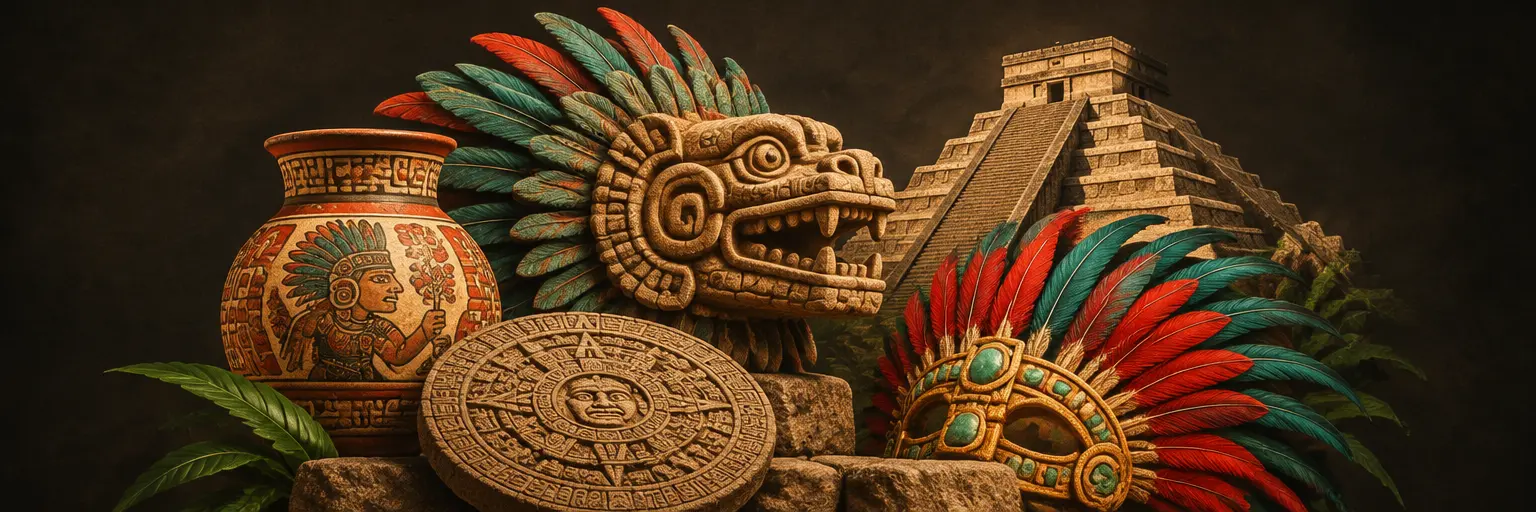
Explore the vibrant world of the Aztec civilization through its extraordinary art and culture, where every sculpture, poem, and ritual reveals a profound connection to the cosmos. Discover the intricate symbolism behind featherwork, turquoise mosaics, and stone carvings that honored deities and recorded history. Immerse yourself in the rich tapestry of Aztec traditions—from ceremonial dances and dramatic performances to the philosophical poetry of the elite. Uncover how art served as a spiritual bridge, merging the earthly with the divine in temples and codices. Whether you’re fascinated by the geometric patterns of their pottery or the haunting melodies of their instruments, this exploration highlights the ingenious creativity and deep spirituality that defined one of Mesoamerica’s most influential cultures. Perfect for history enthusiasts, students, and travelers seeking authentic insights into pre-Columbian heritage.
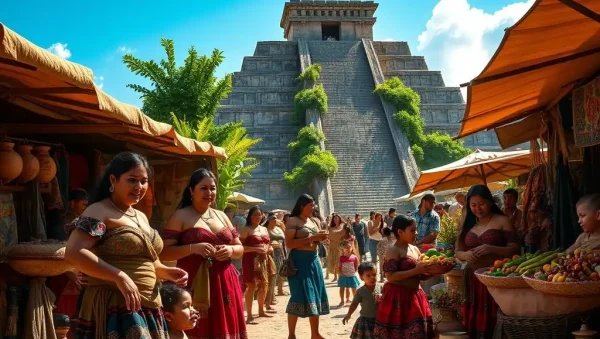
🌞 Daily life in Aztec culture was intricately woven with artistic expression, reflecting their values, beliefs, and social structure. Through art, we…
Read article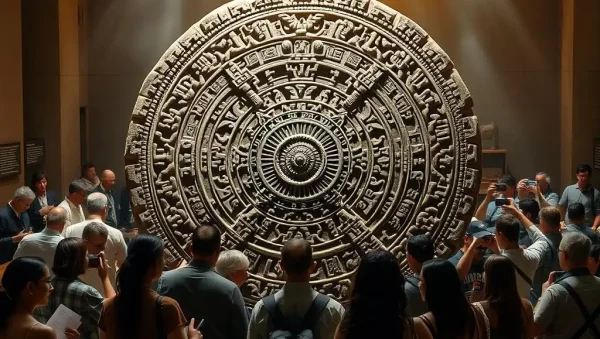
The Aztec Calendar Stone, a stunning artistic marvel, embodies the intricate beliefs and astronomical knowledge of the Aztec civilization. Its significance goes…
Read article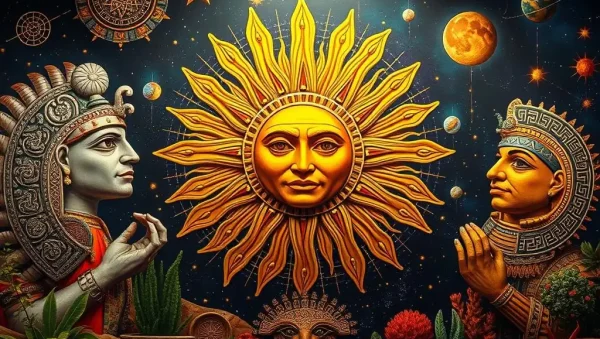
🌌 Aztec art celestial themes reveal a profound connection between the cosmos and daily life, showcasing intricate depictions of celestial bodies that…
Read article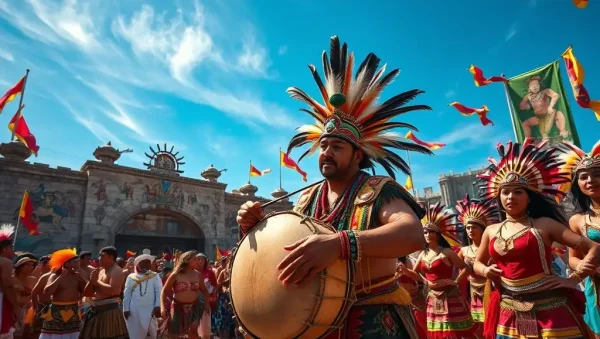
🎨 Aztec music and art festivals serve as vibrant expressions of cultural heritage, intertwining rhythm and visual beauty. These celebrations showcase the…
Read article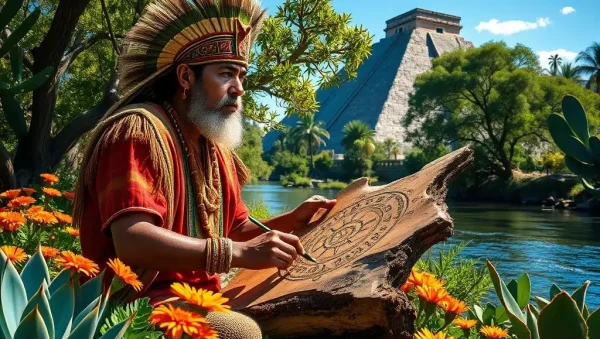
🌿 Aztec art and nature influence are deeply intertwined, reflecting the civilization's reverence for the environment. This article delves into how the…
Read articleDive into the vibrant world of the Aztec Empire, where art and culture were not mere decorations but the very fabric of daily life, religion, and power. This subcategory unveils the intricate craftsmanship, symbolic language, and ritualistic practices that defined one of Mesoamerica’s most influential civilizations. From awe-inspiring stone sculptures to featherwork that dazzled conquistadors, discover how the Aztecs expressed their cosmology, honored their gods, and solidified their empire through creative genius.
Aztec sculptors mastered basalt, andesite, and jade to create monumental works that communicated divine authority and cosmic order. Iconic pieces like the Sun Stone (Calendar Stone) and the Coatlicue statue are not just artifacts; they are complex cosmological maps, encoding myths of creation, sacrifice, and the cyclical nature of time. The sheer scale and precision of these carvings—often weighing several tons—demonstrate advanced engineering and a deeply hierarchical society that commissioned art to legitimize rulers.
For enthusiasts, expect to explore how stonework served political propaganda, with each carving reinforcing the divine right of the tlatoani (emperor). You’ll learn about the tecpan (palaces) and temple platforms adorned with reliefs depicting conquests and tribute, transforming public spaces into open-air galleries of imperial ideology. Lesser-known pieces, such as animal effigies and small votive objects, reveal the everyday spiritual practices of commoners, offering a nuanced view beyond the monumental.
Aztec featherwork, known as amantecayotl, was among the most prized crafts in the Americas, surpassing even gold in value. Artisans, or amanteca, meticulously assembled iridescent quetzal, macaw, and hummingbird feathers onto cotton or amate paper backgrounds, creating mosaics, shields, and ceremonial cloaks. These pieces were not just beautiful; they represented the wealth of the empire’s ecosystem and the skill of specialized guilds, often reserved for nobility and religious use.
This section also covers other luxury arts, including turquoise mosaic masks, lapidary work on rock crystal and obsidian, and intricate gold and silver jewelry. You’ll understand the tribute system that funneled raw materials from conquered provinces to the capital, Tenochtitlan, fueling a craft economy that employed thousands. Each object carried symbolic weight—feathers signified fertility and the divine, while jade and turquoise represented water and life—providing a sensory-rich glimpse into Aztec aesthetics.
Unlike alphabetic scripts, Aztec writing was pictographic and ideographic, using glyphs to record history, tribute, rituals, and genealogies. The surviving codices—like the Codex Mendoza and Florentine Codex—are invaluable windows into Aztec society, rendered on deerskin or fig-bark paper. These manuscripts combine logograms (symbols for words) with phonetic clues, creating a rich visual language that priests and scribes used to preserve knowledge for future generations.
Here, you’ll explore how codices functioned as administrative tools for the empire, recording taxes, conquests, and calendars. You’ll also appreciate the artistic flair of these documents—bright reds, blues, and yellows derived from natural pigments—and how Spanish friars later annotated them, creating hybrid texts. This subcategory illuminates the intellectual sophistication of the Aztecs, showing that their “writing” was not inferior but simply different in visual logic, merging art and information seamlessly.
Aztec culture was inseparable from public performance, with rituals designed to reenact myths, honor deities, and sustain the cosmic order. Dances, such as the danza de los voladores (though more associated with later groups), were accompanied by drums (huehuetl), rattles, and shell trumpets, creating a sonic landscape that bridged the human and divine. Ceremonial centers like the Templo Mayor were stages where priests, nobles, and captives performed sacrifices—both human and animal—that were spectacle and obligation.
Expect to learn about the calendar cycle (the tonalpohualli and xiuhpohualli) that dictated these events, from the rainy season’s Tlaloc rites to the harvest’s Xipe Totec ceremonies. Music and dance were not passive entertainment but active participations in divine maintenance, believed to keep the sun moving. You’ll also discover the role of cuicacalli (houses of song), where youth were trained, and how colonial chronicles, despite their bias, preserved details of these awe-inspiring performances.
Beyond temples and palaces, Aztec art flourished in the domestic sphere, evident in pottery, basketry, and weaving. Common ceramics—like majolica-style polychrome bowls and cooking vessels—featured geometric and floral motifs, often linked to local lineage or trade associations. Textiles, woven on backstrap looms, displayed complex patterns and dyes from cochineal, indigo, and purpura shells, serving as both clothing and currency in marketplace exchanges.
This section reveals that artistry was democratic, accessible to all classes, though materials dictated quality. You’ll see how obsidian blades were both tools and status symbols, and how feather fans and fumigators were used in household shrines. By examining burial goods and domestic refuse, archaeologists reconstruct aesthetic preferences, social status, and trade networks—showing that the Aztec aesthetic extended to every aspect of material life, from a humble bean pot to an emperor’s diadem.
The Sun Stone (or Calendar Stone) is the most iconic, a 12-foot basalt disc carved with intricate calendar glyphs and mythological scenes. Though not a functional calendar, it symbolizes Aztec cosmology, depicting the five eras of creation and the central face of Tonatiuh, the sun god. It’s now housed in the National Museum of Anthropology in Mexico City.
Yes, but not alphabetic. They used a pictographic system combining logograms and phonetic signs, recorded in codices on bark paper or deerskin. These glyphs noted tribute, histories, rituals, and astronomical data. Spanish friars later transcribed many into Latin, preserving invaluable information about Aztec life.
They used obsidian, basalt, jade, turquoise, gold, silver, feathers, cotton, and amate paper. Feathers from quetzals and macaws were especially valued. Dyes came from cochineal insects, indigo plants, and sea snails. Tools were often made of obsidian, which is sharper than steel.
Art was a vehicle for divine communication, depicting gods, mythical narratives, and sacrificial scenes. Ritual objects like skull racks and sacrificial knives emphasized the belief that blood sustained the cosmos. Most art served a sacred function, whether in temples, tombs, or public rituals, blurring lines between art and worship.
Yes, the National Museum of Anthropology in Mexico City houses the most extensive collection, including the Sun Stone and Coatlicue. Other significant pieces are in the Museo del Templo Mayor, the British Museum, and the Ethnological Museum in Berlin. Many digital archives also offer high-resolution scans of codices.