The Aztec Response: Resistance and Adaptation to European Encroachment
The Aztec resistance to European colonization showcased their resilience and adaptability. As foreign powers threatened their way of life, the Aztecs employed…
Read article
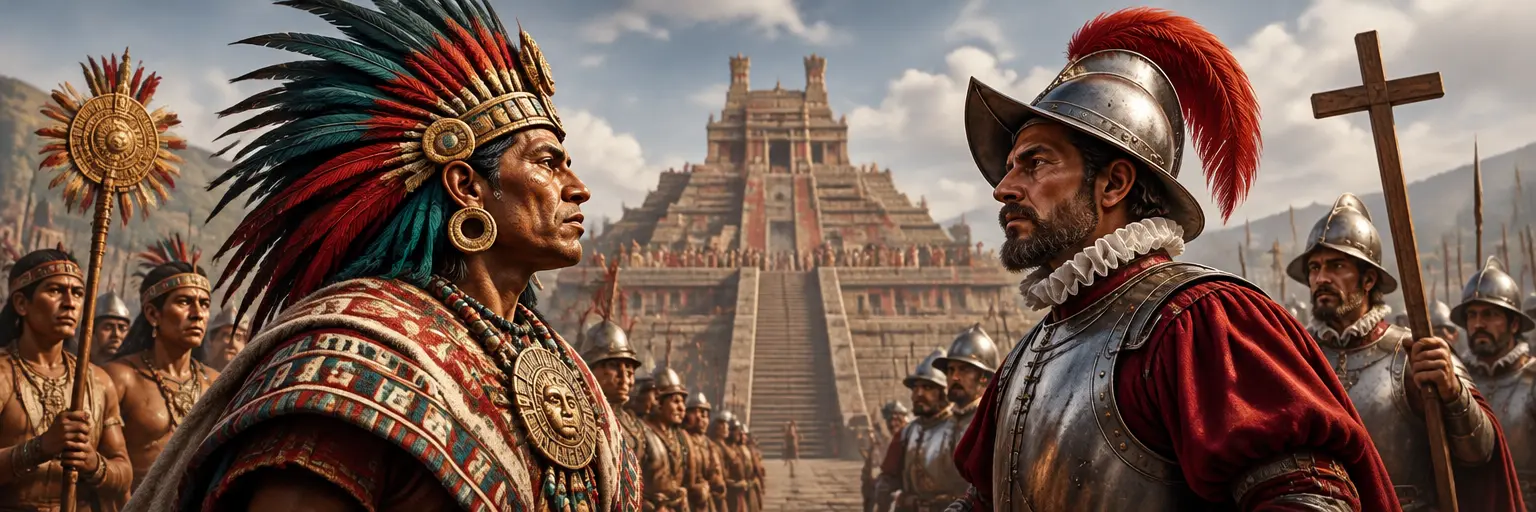
The arrival of European explorers and conquistadors in the early 16th century marked a dramatic and often devastating turning point for the Aztec Empire. European contact and conquest reshaped the political, social, and cultural landscape of Mesoamerica, as Hernán Cortés and his forces—aided by indigenous allies, disease, and strategic cunning—brought down the mighty Tenochtitlan in 1521. This period witnessed the collision of two worlds, leading to the fall of the Aztec hegemony, the introduction of new technologies and beliefs, and the profound transformation of indigenous life under Spanish colonial rule. Explore the key events, alliances, and consequences that defined this pivotal era.
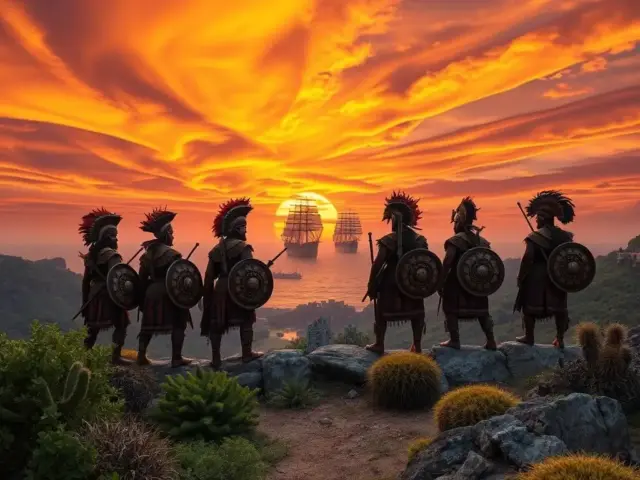
The Aztec resistance to European colonization showcased their resilience and adaptability. As foreign powers threatened their way of life, the Aztecs employed…
Read article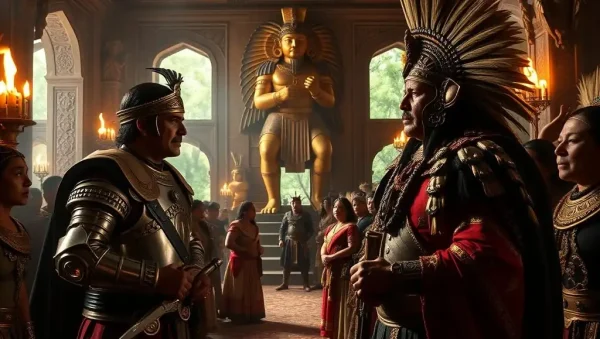
Exploring the Cortés-Moctezuma cultural clash reveals the profound differences in leadership styles and values that shaped their encounter, highlighting the rich tapestry…
Read article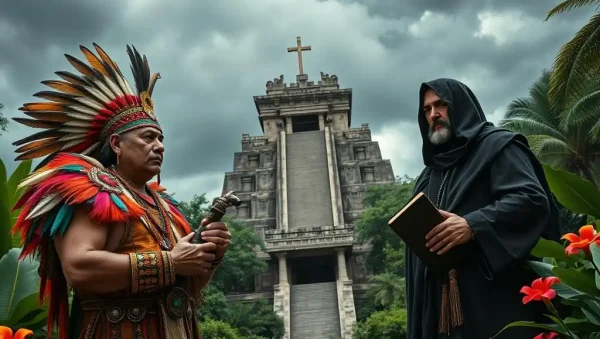
🌍 The clash between Aztec spirituality and European beliefs during colonization revealed profound cultural tensions. This article delves into how these differing…
Read article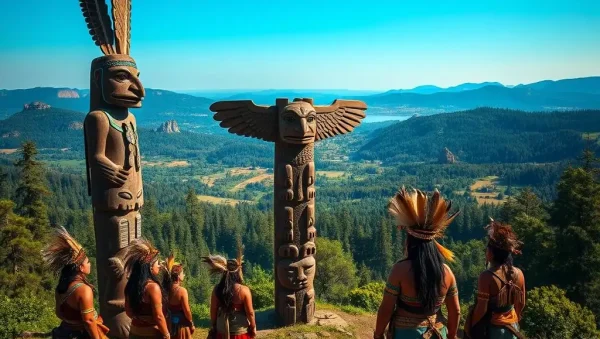
The European conquest dramatically altered the landscape of indigenous cultures, forever transforming the Americas. By examining their rich achievements and resilient societies,…
Read article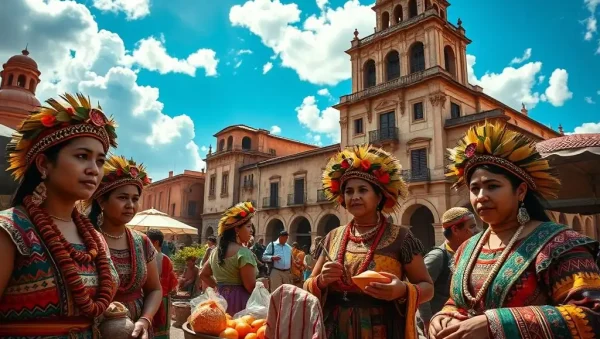
🌍 The Transformation of Aztec culture in colonial Mexico reveals a complex interplay of adaptation and resistance, showcasing how indigenous traditions evolved…
Read article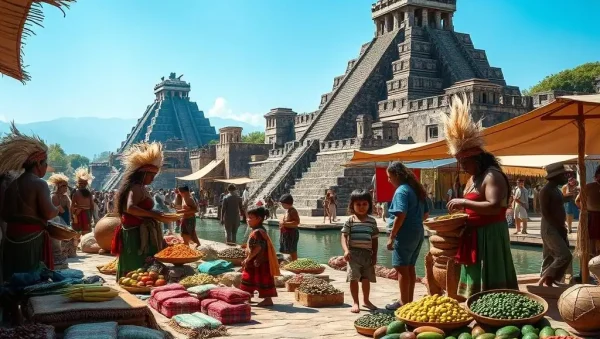
The Aztec economy before colonization was a complex network of trade, agriculture, and tribute systems that fostered prosperity. This article explores the…
Read article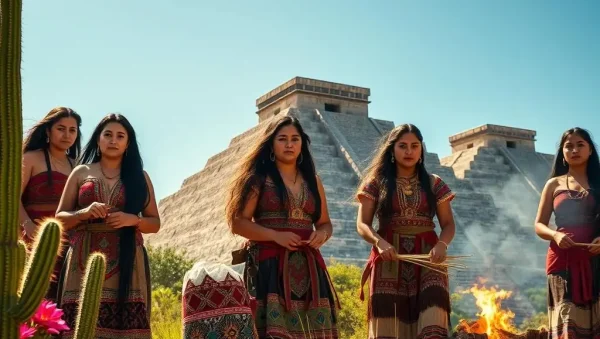
🌺 Aztec women in history played a crucial yet often overlooked role during the conquest, influencing societal structures and cultural practices. Their…
Read articleThis subcategory delves into the pivotal, tragic period when Spanish explorers, led by Hernán Cortés, first made contact with the Aztec (Mexica) Empire in 1519 and subsequently conquered Tenochtitlan by 1521. Here, you will uncover the complex dynamics of alliances, disease, weaponry, and cultural misunderstandings that led to the swift downfall of one of the Americas' most powerful civilizations. It’s a story of courage, greed, betrayal, and resilience, whose consequences reshaped the world forever.
Explore the initial landings on the Gulf Coast, where Cortés and his men encountered indigenous groups who were subjugated by the Aztecs. Their accounts of the Spaniards—horses, gunpowder, and steel—are pivotal to understanding early Indigenous responses. This section covers the founding of Veracruz, the deliberate scuttling of ships to prevent mutiny, and the crucial first negotiations with Aztec ambassadors offering golden gifts, which only fueled Spanish greed.
These first encounters set the stage for the entire conquest, revealing how the Spanish utilized superior technology and exploited existing political fractures. Crucially, you will learn about the translator and strategist La Malinche, whose linguistic skills and local knowledge became indispensable. Her role demonstrates how Indigenous agency, not just European force, determined the course of events. This period also highlights the profound cultural shock experienced by both sides, as the Aztecs debated whether Cortés was a returning god, Quetzalcoatl, or simply a mortal invader.
After the Gulf Coast, Cortés marched inland, facing fierce resistance from the Tlaxcalans, a fiercely independent republic that had never been conquered by the Aztecs. This section details the brutal battles against Tlaxcalan forces and the strategic pivot from mutual bloodshed to a vital military alliance. The Spanish, numbering only a few hundred, gained tens of thousands of Indigenous warriors who hated Aztec tribute demands and human sacrifice.
The alliance with Tlaxcala, along with later alliances with other city-states like Texcoco, proved to be the decisive factor in the conquest. The Spanish provided gunpowder, steel, and cavalry, but it was the massive Indigenous armies that provided the overwhelming numbers. Here, you will understand how the Aztec empire, built on subjugation, had created the very enemies who would engineer its demise. This crucial partnership also carried a heavy cost, as the Tlaxcalans hoped to gain regional dominance, only to trade one overlord for another—yet their cooperation permanently changed the political map of Mesoamerica.
While European weapons were important, the deadliest weapon of all was invisible: smallpox. Introduced inadvertently by Spanish carriers, this disease devastated the Aztec population, killing an estimated one-third to one-half of the people in Tenochtitlan within a single year. This section examines how the highly centralised Aztec society, with its dense urban populations and limited immunity, was uniquely vulnerable to Old World pathogens.
The biological catastrophe crippled Aztec leadership, including the deaths of emperors Cuitláhuac and possibly the weak-willed Moctezuma II, though his death is disputed. With a decimated army and a crumbling social order, the Aztec resistance became increasingly uncoordinated. This part also covers the broader context of “virgin soil” epidemics, including measles, typhus, and influenza, which swept through the Americas repeatedly, weakening Indigenous societies from the Caribbean to the Andes. Understanding this demographic collapse is essential for appreciating why a small Spanish force could conquer an empire of millions—it was a war won primarily by microbes, not muskets.
The final chapter of the conquest unfolded through a brutal, prolonged siege of the island city of Tenochtitlan from May to August of 1521. This section covers Cortés’s construction of a fleet of thirteen brigantines to control Lake Texcoco, cutting off food and water supplies. The Spanish and their Tlaxcalan allies systematically destroyed causeways, aqueducts, and entire districts, facing desperate Aztec resistance led by the valiant emperor Cuauhtémoc, who refused to surrender.
Inside the city, starvation, thirst, and smallpox ravaged the defenders, but they fought with remarkable courage, pushing the Spanish back in the infamous “Sad Night” (La Noche Triste) earlier in 1520. However, by 1521, the odds were insurmountable. The siege culminated in the capture of Cuauhtémoc on August 13, 1521, marking the official end of the Aztec Empire. You will learn about the city’s destruction, the looting of gold, and the forced conversion of survivors, as the magnificent capital was levelled and later rebuilt as Mexico City, symbolically and literally burying the Aztec world beneath Spanish foundations.
Following the fall of Tenochtitlan, the Spanish colonial system of New Spain was established, fundamentally transforming Indigenous life. This section explores the imposition of encomienda and repartimiento labour systems, which subjected millions to forced work in mines, agriculture, and construction. It also covers the establishment of the Catholic Church, the suppression of Aztec religious practices, and the destruction of codices, though some Indigenous traditions survived through syncretism.
The conquest’s legacy is complex and contested. On one hand, it led to the tragic loss of life, cultural upheaval, and the irrevocable disruption of Mesoamerican civilisations. On the other, it produced a new Mestizo culture, blending Spanish, African, and Indigenous heritages. This subcategory places emphasis on Indigenous resilience and adaptation, showing how descendants of the Aztecs preserved their language (Nahuatl), agricultural techniques, and community structures. You will also examine the debate over the “Black Legend” versus the “White Legend,” the moral justifications for conquest, and how the Florentine Codex and other sources, though written under Spanish supervision, preserved invaluable Indigenous knowledge and perspectives.
Initially, they did, as seen in the “Sad Night” where the Spanish suffered heavy losses. However, the Aztecs faced several constraints: they fought primarily to capture enemies for sacrifice, not to kill, which limited their tactics. Additionally, the devastating smallpox epidemic weakened their army and leadership, while the Spanish gained thousands of Indigenous allies who helped tip the balance. The Aztecs also lacked steel weapons, armor, and horses, and their defence of an island city made logistics increasingly difficult.
La Malinche was an Indigenous Nahua woman who became Cortés’s translator, advisor, and intermediary. She spoke Nahuatl and Maya, allowing Cortés to communicate with key allies and enemies. She is controversial because some view her as a traitor who facilitated the conquest, while others see her as a survivor who used her intelligence to navigate colonial power. Her role is commemorated in Mexican culture as the mother of the Mestizo nation, but also symbolises the painful complexities of colonial collaboration.
The empire faced internal tensions, including discontent among subjugated city-states that resented heavy tribute and ritual warfare. There were also recent rebellions and succession disputes. However, the empire was militarily powerful and expanding. It was not collapsing on its own, but these fractures made it vulnerable to external manipulation. The Spanish exploited existing grievances, turning former tributaries into allies, which accelerated the empire’s downfall.
Yes, millions of Indigenous people survived, though the population fell as much as 90% within a century due to epidemics and harsh conditions. Nahuatl continued to be spoken widely, and many pre-Hispanic traditions persisted in modified forms. Today, tens of thousands of Mexicans speak Nahuatl. Modern Indigenous rights movements, such as the Zapatistas, draw inspiration from Aztec resistance, and archaeological sites like the Templo Mayor in Mexico City are actively preserved and celebrated.
It is unlikely, given the combined factors of disease, steel, gunpowder, and the massive Indigenous alliances against them. Even if Tenochtitlan had repelled Cortés’s first siege, other Spanish expeditions would have arrived, and smallpox would have continued to ravage the population. However, the Aztecs’ practice of capturing warriors for sacrifice, rather than killing them, and their initial hesitation to assault the heavily armed Spanish, were tactical disadvantages that reduced their effectiveness in open battle.