Indigenous Resistance Movements: Defiance and Survival in the Face of European Conquest
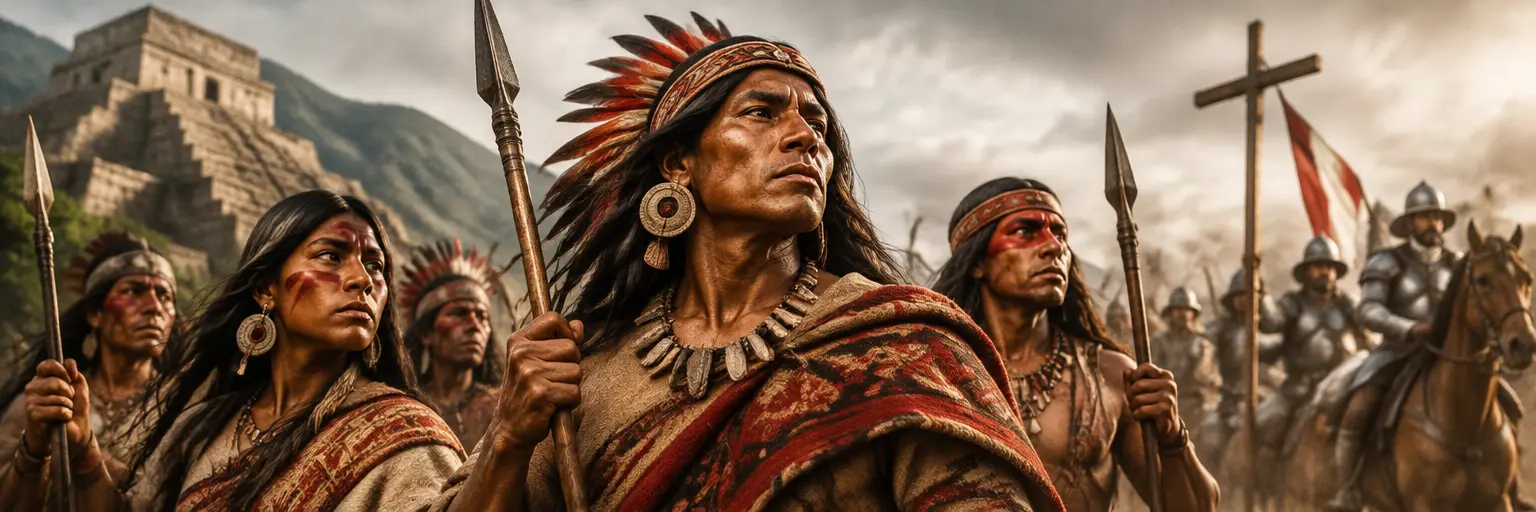
When European powers arrived in the Americas, they encountered not passive populations but vibrant, complex societies that fought tenaciously for their lands, cultures, and sovereignty. This subcategory explores the diverse strategies—from armed uprisings to diplomatic negotiations and cultural preservation—employed by Indigenous peoples across the Americas to resist colonial domination. Understanding these movements reveals the resilience, adaptability, and enduring spirit of Native nations, offering a counter-narrative to the myth of easy conquest. Here, you’ll discover pivotal revolts, key leaders, and the long-term legacies of resistance that continue to shape Indigenous rights movements today.
⚔️ Major Armed Uprisings and Revolts
Armed resistance was the first and most direct response to European encroachment. From the Taino Rebellion of 1511 to the Pueblo Revolt of 1680, Indigenous peoples organized large-scale military campaigns, often uniting rival tribes against a common enemy. These uprisings exploited European weaknesses, such as overextended supply lines and internal divisions, and sometimes succeeded in temporarily expelling colonizers. For example, the Pueblo Revolt drove the Spanish out of New Mexico for over a decade, a stunning victory that demonstrated the power of coordinated native defiance.
Beyond battlefield tactics, these revolts were deeply spiritual and political acts. Leaders like Túpac Amaru II in Peru (1780) framed resistance as a restoration of ancestral order, while the Chumash Revolt of 1824 in California fused anti-mission sentiment with native religious revival. Studying these uprisings shows how resistance was not merely military but also ideological, targeting the colonial systems of forced labor, tribute, and religious conversion. Each revolt, whether successful or crushed, inspired subsequent generations and created a reservoir of collective memory that fueled later movements.
🛡️ Diplomatic Resistance and Legal Strategies
Not all resistance was violent. Many Indigenous nations adopted sophisticated diplomatic and legal approaches, leveraging treaties, alliances, and colonial legal frameworks to protect their autonomy. Groups like the Iroquois Confederacy used their political structure to negotiate as equals with European powers, playing the French and British against each other. In Spanish America, Indigenous communities petitioned royal courts, citing colonial laws like the Leyes Nuevas to claim land rights and exemption from abusive labor drafts. These legal battles often preserve titles to ancestral lands that remain enforceable today.
This form of resistance also involved cultural and religious negotiation, such as the Andean Taqui Onqoy movement, which rejected Christianity to revive pre-Columbian worship as a political statement. Diplomatic resistance required deep understanding of colonial bureaucracies, literacy, and legal code, skills that Indigenous elites rapidly acquired. Over time, these strategies created hybrid governance systems where native customs coexisted with colonial structures, allowing communities to maintain identity while surviving conquest. The success of these efforts is visible in surviving reservation boundaries and treaty-recognized rights across the Americas.
🌾 Cultural and Economic Resistance
Resistance extended into daily life through the preservation of language, subsistence practices, and communal land tenure. When overt conflict failed, Indigenous peoples resisted through sabotage, flight, and quiet subversion—for example, continuing to speak native languages despite punishment, or maintaining traditional crop cycles and seed banks that defied colonial agricultural demands. The use of guerrilla warfare in dense forests or mountains, as practiced by the Mapuche in Chile, made conquest economically unviable for colonizers, forcing them into protracted, costly engagements.
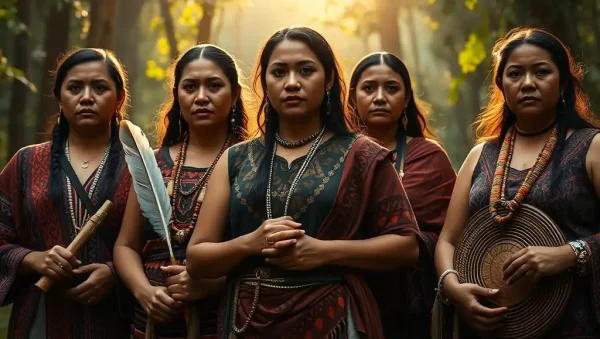
Economic resistance also included the formation of black market trade networks and the refusal to participate in colonial markets. Indigenous women played a crucial role by transmitting weaving techniques, medicinal knowledge, and ceremonial calendars, creating a cultural bulwark against assimilation. This resistance was often invisible to colonizers but was vital for long-term survival. Today, these cultural practices are celebrated as forms of resilience, and movements like the Zapatista uprising in Mexico explicitly draw on this heritage to argue for autonomy and respect for indigenous ecological knowledge.
👥 Leaders and Symbolic Figures of Resistance
Individual leaders became icons of resistance, embodying the aspirations of their people. Caonabo (Hispaniola) led the first major Indian resistance against Columbus, while Lempira (Honduras) organized a coalition that held off Spanish forces for years. In the British colonies, Metacom (King Philip) united New England tribes in a devastating war (1675–76) that came closest to expelling settlers. Meanwhile, Moctezuma’s successor, Cuauhtémoc, became a symbol of Aztec defiance after the fall of Tenochtitlan, refusing to reveal treasure under torture.
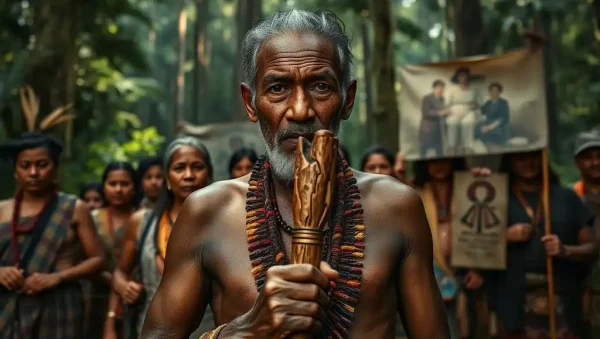
These leaders often combined military prowess with prophetic or spiritual authority, as seen in Pontiac (1763) and Tecumseh (1811), who rallied pan-Indian alliances based on shared spirituality and resistance to land loss. Their stories are not just historical footnotes but are invoked today in Indigenous rights activism, affirming continuity with past struggles. Modern movements often honor these figures by name, using their memory to inspire legal battles over land repatriation and cultural sovereignty.
📜 Legacy and Modern Indigenous Rights
The legacy of resistance movements is profoundly visible in contemporary politics, land claims, and cultural revitalization. Treaties negotiated under duress have become cornerstones for modern legal victories, such as the Marshall Trilogy in U.S. courts, which recognized tribes as sovereign nations. The Brazilian Amazon Indigenous movements, inspired by historical resistance, successfully lobbied for constitutional rights to land (1988). The International Year of Indigenous Peoples (1993) and the UN Declaration on the Rights of Indigenous Peoples (2007) owe much to the persistence of these movements, connecting historical defiance to global human rights frameworks.
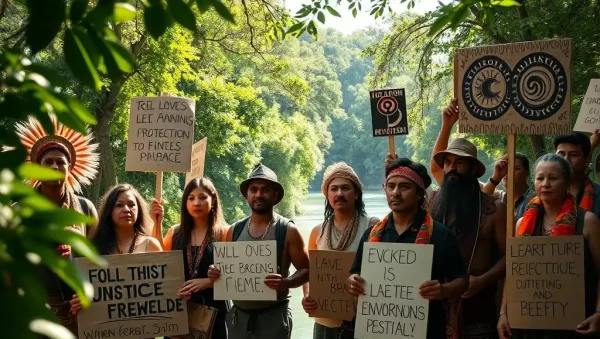
Modern protests, such as Standing Rock against the Dakota Access Pipeline, explicitly frame themselves as continuations of historic resistance. They use social media to replicate the alliance-building of earlier eras, drawing global attention to environmental justice and cultural survival. Understanding this legacy helps us see that resistance is not a thing of the past but a living tradition. It reminds us that the conquest was never complete—Indigenous nations remain, with distinct languages, governance, and identities, testifying to the power of unyielding resistance.
Frequently Asked Questions
What was the most successful Indigenous resistance movement?
The Pueblo Revolt of 1680 is often cited as the most successful, as it expelled Spanish colonizers from New Mexico for 12 years. It was a coordinated effort across multiple pueblos, led by Popé, that merged spiritual and political goals. While later reconquest occurred, the revolt secured lasting cultural concessions and is a cornerstone of Pueblo autonomy today.
How did Indigenous peoples resist without warfare?
They used diplomacy, legal petitions, flight to remote areas, cultural preservation, and economic sabotage. Examples include the Iroquois negotiating as equals with Europeans, and many tribes continuing to plant native crops, speak their languages, and maintain ceremonial calendars. These “quiet” forms of resistance were often more sustainable than direct conflict.
Did any resistance movements succeed in permanently stopping colonization?
Few achieved permanent expulsion, but some created durable autonomous zones. The Mapuche successfully resisted Spanish and Chilean conquest for centuries, retaining semi-autonomous territories until state consolidation. The Amazonian tribes in isolated regions still resist integration, maintaining uncontacted status as a form of radical resistance.
Are there women leaders in Indigenous resistance?
Yes, many, though often underrepresented in history. Doña Beatriz led a Tzeltal revolt in Chiapas (1712) after claiming divine visions. Lozen was a Chiricahua Apache prophet and warrior who fought alongside Geronimo. More recently, Winona LaDuke exemplifies contemporary Indigenous women leaders in environmental and rights movements.
Why are these resistance movements important today?
They provide legal, ethical, and historical foundations for current Indigenous sovereignty claims. Modern courts cite treaties and historical resistance to uphold land rights. Additionally, these movements inspire global solidarity for environmental protection, as many resistance sites are now at the forefront of climate battles. They remind us that colonization was contested and ongoing, shaping identity and resilience.