Understanding the Impact of European Diseases on Indigenous Civilizations
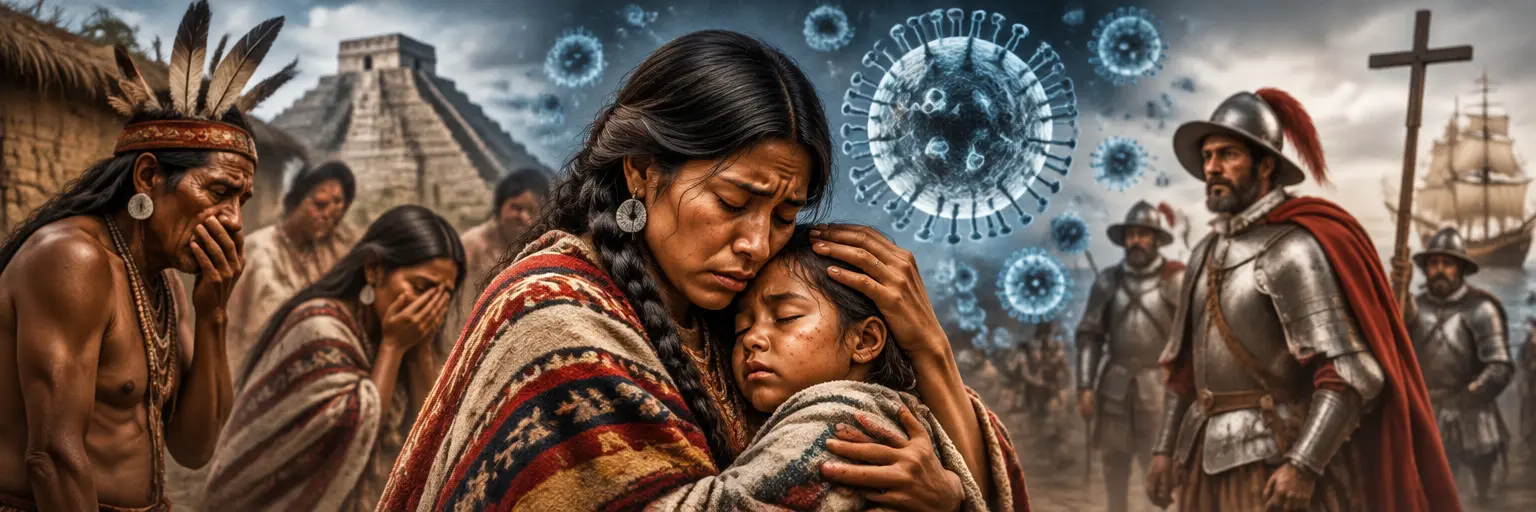
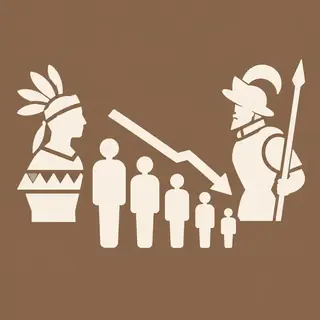
The arrival of European explorers and colonizers in the Americas triggered one of the most devastating demographic catastrophes in human history—not through warfare alone, but through the silent spread of introduced pathogens. For indigenous civilizations of the Americas, diseases like smallpox, measles, and influenza—to which Native populations had zero immunity—caused mortality rates of up to 90% in some communities, dramatically reshaping societies, political structures, and cultural continuity long before direct military conquest. This subcategory delves into the biological, social, and psychological consequences of these epidemics, offering a nuanced look at how disease, not just steel and gunpowder, became the primary agent of European dominance.
🦠 The Biological Shock: Why Indigenous Peoples Were So Vulnerable
Before 1492, the Americas were isolated from Afro-Eurasian disease pools, meaning indigenous populations lacked any historical exposure to pathogens such as smallpox, measles, bubonic plague, and typhus. This absence of prior immunity meant that when Europeans arrived, they inadvertently unleashed pathogens that spread with ferocious speed, often outpacing the explorers themselves. Entire villages were wiped out within weeks, and survivors were left too weak to farm, hunt, or care for newborns, creating a vicious cycle of famine and further infection.
Compounding this biological vulnerability was the lack of domesticated herd animals in the Americas, which had historically served as the reservoir for many zoonotic diseases in Europe and Asia. Additionally, social structures—such as densely populated urban centers like Tenochtitlán—facilitated rapid person-to-person transmission. Researchers estimate that in the century following first contact, some regions lost 75–95% of their indigenous populations, a scale of demographic collapse that fundamentally altered the human geography of two continents.
⚰️ Death Tolls and Demographic Collapse: Quantifying the Unthinkable
Historical estimates for indigenous population decline remain hotly debated, but most scholars agree that the numbers are staggering. The pre-Columbian population of the Americas is estimated at 50–100 million; by 1650, that figure had plummeted to roughly 6 million. The Spanish conquest of Mexico alone saw the Aztec population fall from an estimated 20 million to under 2 million in just 80 years, largely due to smallpox, measles, and typhus outbreaks. In the Andes, the Inca Empire suffered similar losses, enabling Francisco Pizarro’s tiny force to subjugate an empire of millions.
These losses were not uniform: coastal and tropical regions experienced higher mortality because of warmer climates that favored disease vectors, while high-altitude or isolated communities sometimes delayed outbreaks for decades. Nonetheless, the cumulative effect was a fractured political landscape where once-mighty empires—such as the Aztec, Maya, and Inca—had their leadership decimated, their priesthoods eliminated, and their agricultural labor forces reduced to critical levels, making organized resistance to European colonization nearly impossible.
🏛️ Social and Political Disintegration: How Disease Toppled Empires
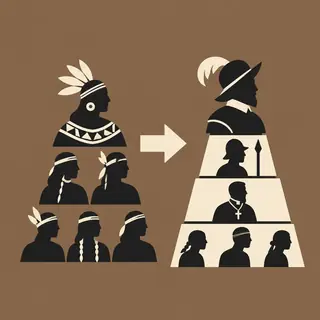
Disease did more than kill individuals—it dismantled entire systems of governance and social order. In the Aztec capital of Tenochtitlán, smallpox claimed the emperor Cuitláhuac within days of his ascension, leaving the empire leaderless and demoralized during the Spanish siege. Similarly, the Inca Empire faced a smallpox epidemic that killed the Sapa Inca Huayna Capac and his designated heir, triggering a brutal civil war between his sons Atahualpa and Huáscar—a conflict that fatally weakened the empire just before Pizarro’s arrival.
Beyond leadership, the loss of elders, shamans, and knowledge keepers meant the erosion of cultural memory, healing practices, and genealogical records. Many native societies, particularly in the Caribbean and southeastern North America, completely collapsed, with survivors being absorbed into other groups or forced into labor systems like the encomienda. The psychological trauma of watching entire families perish—often before any armed conflict—also shattered belief systems. Many indigenous peoples reinterpreted these plagues as divine punishment or the superiority of European gods, which facilitated Christian missionary efforts and further undermined native religious authority.
🌱 Long-Term Ecological and Economic Consequences
With up to 90% of indigenous populations dead, vast tracts of agricultural land were abandoned, and intricate terraced farming systems, irrigation canals, and chinampas fell into disrepair. Forests rapidly reclaimed former farmland, and the resulting regrowth may have actually influenced global climate, a phenomenon known as the "Great Dying" carbon sink. Economically, the labor shortage forced Europeans to import African slaves, drastically altering the demographic and social fabric of the Americas. Indigenous communities that survived often faced forced relocation, tribute demands, and the destruction of traditional subsistence strategies.
The ecological fallout also affected wildlife and biodiversity: many species that had depended on human-managed environments, such as the passenger pigeon in North America or certain fish runs in the Andes, saw dramatic population changes. For modern researchers, these disease-driven changes offer a sobering example of how a biological event, not just military action, can reshape entire continents, reinforcing the need to study pandemics as pivotal forces in historical causality rather than mere background noise.
😢 Cultural Trauma and Resilience: Surviving the Unsurvivable
Despite catastrophic losses, indigenous peoples demonstrated remarkable resilience. Communities that survived adopted new technologies, intermarried with other groups, and blended traditional knowledge with introduced practices. For instance, the Mapuche of Chile used horses—a European introduction—to become one of the few indigenous groups that successfully resisted Spanish conquest for over 300 years. Similarly, the Iroquois Confederacy reorganized its political structure after devastating epidemics to become a dominant regional power.
Cultural trauma, however, persists to this day. Many contemporary Native American nations still refer to the post-contact period as a "century of death," and intergenerational trauma is recognized by psychologists as a legacy of these pandemics. Yet, this same history has fueled modern indigenous sovereignty movements, land rights claims, and cultural revitalization efforts, transforming grief into a powerful political and spiritual force. Understanding this duality—catastrophe and resilience—is essential for anyone studying indigenous civilizations or modern public health policies.
Frequently Asked Questions
What was the deadliest disease brought to the Americas by Europeans?
Smallpox was the deadliest, killing an estimated 60–90% of infected individuals in virgin-soil populations. It spread rapidly, left survivors scarred and sometimes blind, and caused successive waves of epidemics well into the 19th century. Measles, typhus, and influenza were also devastating, but smallpox consistently caused the highest mortality and most permanent demographic damage.
Why didn’t Native Americans have immunity to European diseases?
The Americas were geographically isolated from Afro-Eurasia for roughly 15,000 years, so indigenous populations never encountered pathogens like measles or smallpox. Europeans, by contrast, had lived alongside domesticated animals and experienced successive epidemics for millennia, developing partial immunity and genetic resistance that Native peoples lacked entirely at first contact.
Did any indigenous groups develop resistance or treatments?
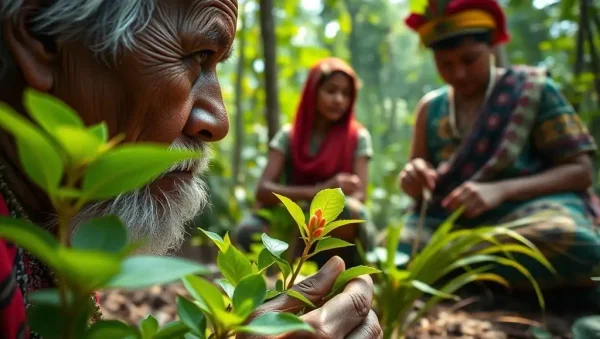
Yes, but slowly. Over generations, some groups developed partial genetic resistance, particularly in lowland South America. Indigenous healers used herbal remedies, sweat lodges, and quarantine practices, sometimes reducing mortality locally. However, repeated outbreaks and lack of prior exposure meant that resistance took centuries to develop, while new epidemics kept arriving with each wave of European settlers.
How did disease help Europeans conquer the Aztec and Inca empires?
Disease struck precisely at critical moments: it killed Aztec emperor Cuitláhuac during the siege of Tenochtitlán and eliminated the Inca ruler Huayna Capac and his heir, sparking a civil war. With leadership gone, armies demoralized, and food production collapsed, the empires fragmented, making it easy for small Spanish forces to exploit chaos and forge alliances with subjugated tribes.
Are the effects of European diseases still felt by Native Americans today?
Yes, deeply. Beyond genetic scars, modern Native communities face higher rates of chronic illnesses, partly linked to historical population bottlenecks and disrupted nutrition. Intergenerational trauma affects mental health, family structures, and cultural identity. However, many nations use this history to drive resilience, reclaiming language, healing practices, and sovereignty, turning past catastrophe into a foundation for future strength.