The Language of Loss: How Colonization Affected Indigenous Languages and Dialects
The impact of colonization on indigenous languages has led to the erosion of rich linguistic traditions and cultural identities. This article explores…
Read article
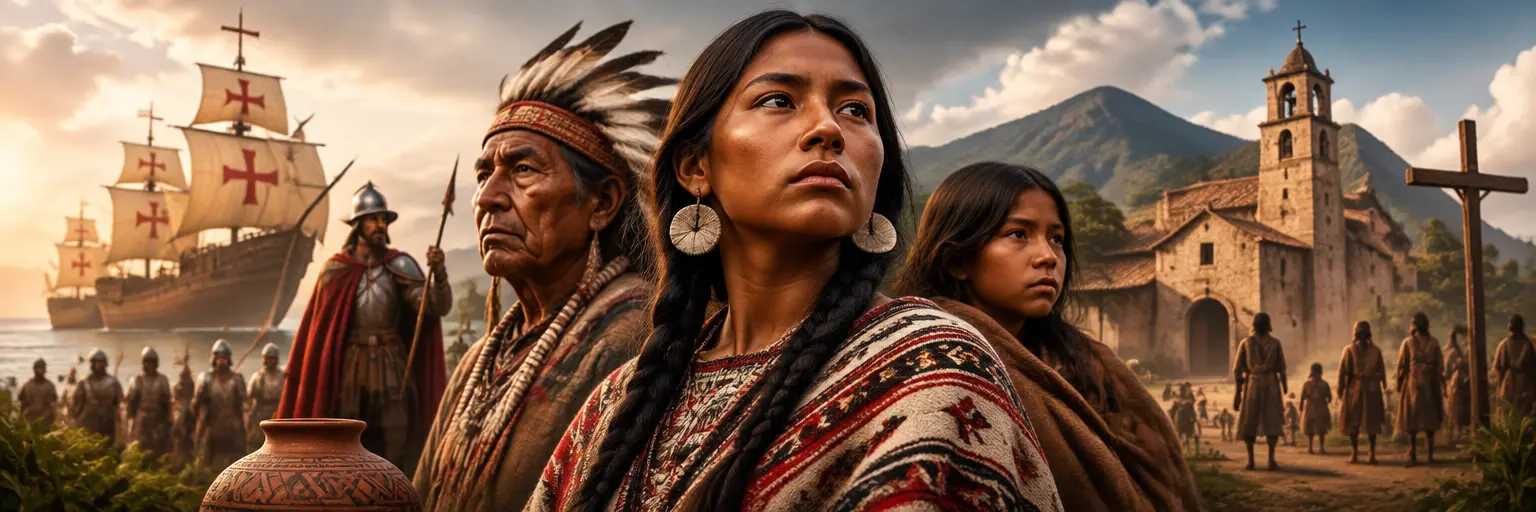
Explore the enduring legacy of European conquest on Indigenous communities across the Americas, where historical trauma, cultural resilience, and systemic challenges converge. This section delves into the long-term effects—from land dispossession and forced assimilation to the revitalization of languages, traditions, and sovereignty movements. Understand how centuries of colonial policies continue to shape health disparities, economic inequities, and identity politics today, while highlighting the unyielding strength and adaptation of Indigenous peoples. Uncover the complex interplay between historical oppression and modern resurgence, offering a critical lens on intergenerational impacts and the path toward healing, self-determination, and cultural preservation.
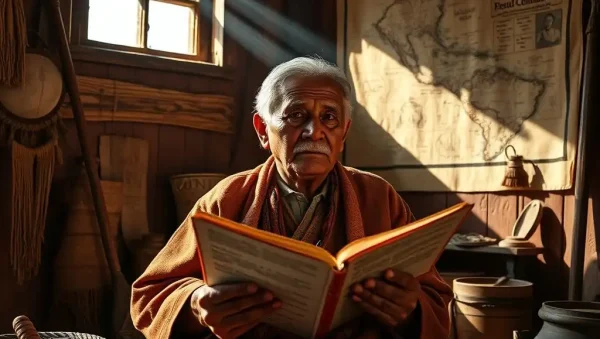
The impact of colonization on indigenous languages has led to the erosion of rich linguistic traditions and cultural identities. This article explores…
Read article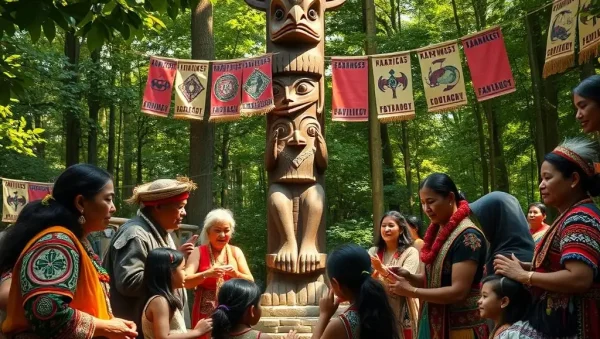
🌍 Indigenous cultural revitalization efforts are essential in reclaiming heritage and identity, as communities across the Americas work to restore traditions and…
Read article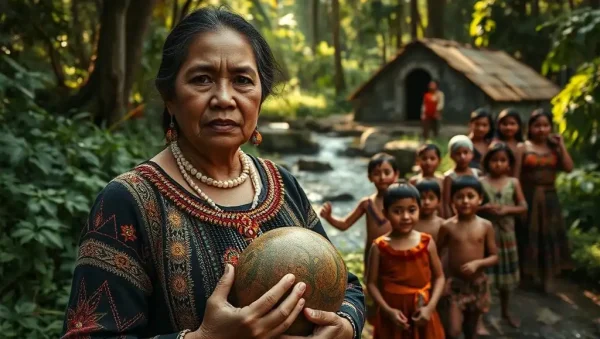
The longterm effects on indigenous cultures in the Americas are profound, shaping their identities, traditions, and resilience. This article delves into how…
Read article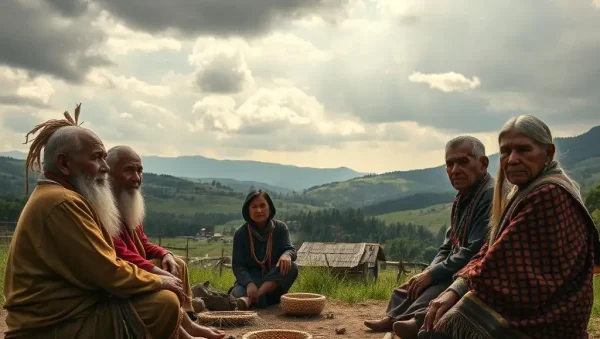
The psychological effects of colonization continue to resonate through Indigenous communities, revealing deep-seated trauma from conquest. This article delves into how historical…
Read article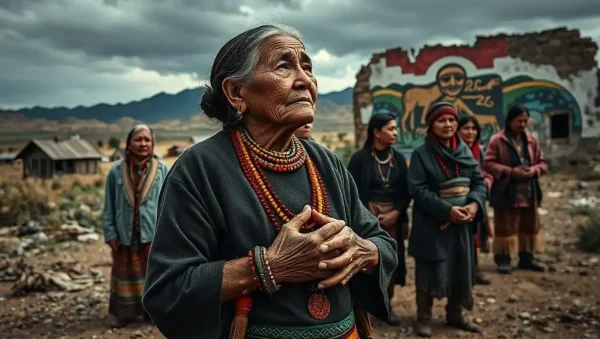
🌍 The article delves into the profound impact of indigenous displacements, tracing the historical struggles faced by native peoples in the Americas.…
Read article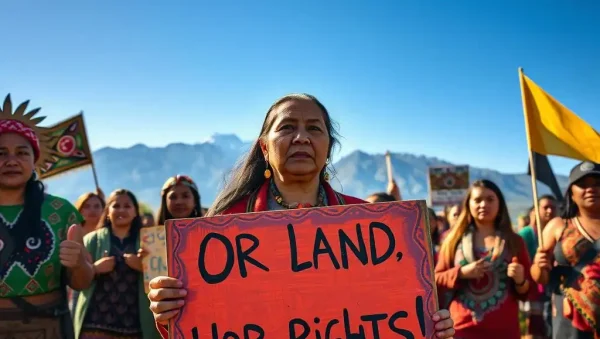
🌍 Indigenous resistance movements history reveals the enduring strength and resilience of native cultures. These movements not only challenge the legacies of…
Read articleWhen European powers invaded the Americas, the consequences for Indigenous peoples were not momentary—they were structural, demographic, and cultural shocks that still reverberate today. This subcategory delves into the enduring aftermath of conquest, examining how colonization reshaped Indigenous societies, economies, health, governance, and identities over centuries. Whether you are a student, researcher, or history enthusiast, this content will help you connect historical events to contemporary realities, offering a nuanced view of resilience and ongoing challenges.
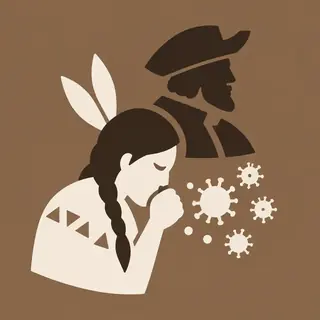
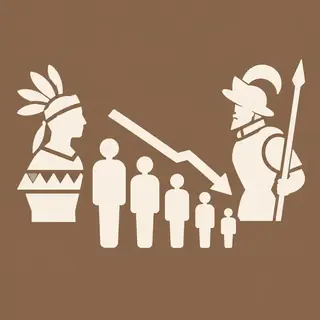
The most devastating long-term effect was the catastrophic decline in Indigenous populations due to introduced diseases like smallpox, measles, and influenza, alongside warfare, forced labor, and displacement. Estimates suggest that some regions lost up to 90% of their native inhabitants within a century of contact. This demographic shock fractured kinship networks, oral traditions, and political structures, creating vacuums that colonial powers exploited for land and resource extraction.
However, recovery has been slow and uneven. Many communities today are experiencing demographic rebounds, with higher birth rates and improved healthcare access in some areas. Yet, the psychological and social scars of depopulation persist, including intergenerational trauma, loss of traditional knowledge keepers, and struggles with land restitution. Understanding recovery efforts—such as language revitalization programs and DNA-based ancestry projects—shows how Indigenous peoples are actively rebuilding populations and reclaiming demographic agency. Population recovery is not just about numbers; it’s about cultural continuity.
Colonial land seizures, enforced through legal doctrines like the Doctrine of Discovery and treaties that were often broken, resulted in Indigenous peoples being confined to reservations, missions, or marginal lands. This dispossession severed traditional subsistence systems—hunting, fishing, gathering, and farming—forcing dependence on colonial economies. Over generations, this led to entrenched poverty, limited access to capital, and exclusion from mainstream economic development.
Today, many Indigenous communities face ongoing struggles over territorial rights, resource extraction on ancestral lands, and environmental degradation. Yet, economic resilience is visible through cooperative enterprises, eco-tourism, artisanal crafts, and legal victories for land reclamation. Land is not merely property; it is the foundation of Indigenous spirituality, governance, and identity. This section will help you explore case studies from the Andes, Amazon, and North America, showing how economic marginalization is being actively countered by Indigenous-led initiatives in sustainable development.
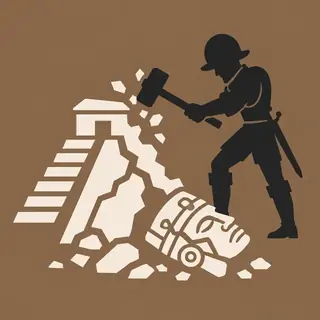
Colonization systematically attacked Indigenous languages, religions, ceremonies, and kinship systems through policies like residential schools, missionary conversion, and bans on traditional practices. These policies aimed at forced assimilation caused a profound cultural rupture, leading to loss of fluency in native languages, disappearance of ceremonial knowledge, and internalized shame about Indigenous identity. This erasure was both intentional and structural, embedded in legal frameworks and educational curricula.
Nevertheless, the late 20th and 21st centuries have witnessed a powerful revitalization. Language immersion schools, digital archives, and intergenerational knowledge transfer programs are restoring what was lost. Movements like the worldwide Indigenous cultural renaissance celebrate traditional arts, music, and spirituality, while also contesting stereotypes. Cultural resurgence is a form of decolonization. By understanding these movements, you’ll see how Indigenous communities are not just preserving relics but actively innovating their cultures in modern contexts, from video games in native languages to climate activism rooted in ancestral stewardship.
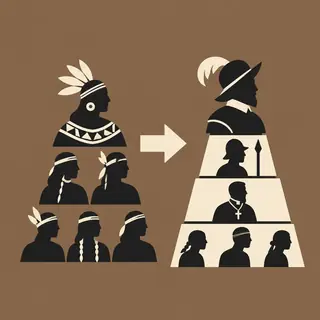
European conquest dismantled Indigenous governance structures, replacing them with colonial administrations that marginalized native voices. Long-term effects include legal systems that still rely on outdated doctrines, conflicting jurisdictions, and persistent underrepresentation in national politics. However, the 20th century saw the emergence of Indigenous rights movements, culminating in international instruments like the United Nations Declaration on the Rights of Indigenous Peoples (UNDRIP).
Today, Indigenous nations exercise varying degrees of self-governance—from tribal courts in the United States to autonomous regions in Nicaragua and Bolivia. Legal battles over treaty rights, fishing and hunting rights, and cultural heritage protections are ongoing and often result in landmark rulings. Political sovereignty is the cornerstone of healing. This section highlights key legal victories and current struggles, demonstrating that while colonial legacies persist, Indigenous leaders are asserting their right to self-determination in unprecedented ways.
The long-term psychological effects of colonialism manifest as intergenerational trauma, where the trauma experienced by ancestors—violence, forced relocation, child removal—is transmitted to descendants through epigenetic, behavioral, and socioeconomic pathways. Higher rates of depression, substance abuse, suicide, and anxiety are documented in many Indigenous communities, often exacerbated by systemic racism and lack of culturally appropriate mental health services.
Yet, resilience is also deeply embedded. Traditional healing practices, community-based support networks, and integration of Indigenous psychology into clinical care are leading to better outcomes. Programs that incorporate land-based healing, ceremony, and storytelling are proving effective. Mental health is inseparable from cultural health. By exploring this topic, you will gain insight into how communities are redefining wellness beyond colonial frameworks, creating holistic approaches that honor ancestors while addressing contemporary crises.
Colonial extractive economies—mining, logging, oil drilling—have left Indigenous lands degraded, polluted, and vulnerable to climate change. Long-term effects include loss of biodiversity, contamination of water sources, and disruption of traditional seasonal cycles that Indigenous peoples rely on for survival. This environmental damage disproportionately impacts Indigenous communities, who are often on the frontlines of climate disasters, from wildfires in the Amazon to coastal erosion in the Arctic.
However, Indigenous knowledge systems are now globally recognized as critical to climate adaptation and mitigation. Traditional ecological knowledge, such as controlled burning, rotational farming, and marine conservation, are being integrated into modern policy frameworks. Indigenous stewardship is essential for planetary survival. This section will showcase examples where communities are leading reforestation projects, renewable energy cooperatives, and legal battles to halt environmentally destructive projects, proving that long-term effects can be countered with innovation and ancestral wisdom.
The most significant effects include demographic collapse from diseases, land dispossession, cultural erasure, political marginalization, and intergenerational trauma. These are compounded by ongoing economic poverty and environmental degradation. However, each effect also has a corresponding resilience movement, from language revival to legal sovereignty battles, showing that long-term effects are not irreversible.
Intergenerational trauma manifests in higher rates of anxiety, depression, and substance use among youth, often due to disrupted family bonds and loss of cultural identity. Yet, many youth are actively engaged in cultural revitalization, using social media and art to reclaim heritage. Community-based mentorships and trauma-informed education are helping break cycles of harm.
Yes, through legal channels, treaty renegotiations, and land buyback programs, some lands have been returned or co-managed. Examples include the Maasai in Kenya and Maori fisheries in New Zealand. However, full restoration is rare, and many communities seek co-management rights or economic compensation instead of exclusive title.
Cultural revitalization restores language, ceremony, and social cohesion, which are protective factors against mental health struggles and identity loss. It also strengthens political advocacy and economic self-sufficiency. Without cultural continuity, other recovery efforts often lack a foundational sense of purpose and belonging.
Allies can support by listening to Indigenous-led initiatives, respecting sovereignty, advocating for land rights, and funding culturally appropriate programs. Educating oneself on colonial history and challenging stereotypes are vital. Avoid saviorism; instead, amplify Indigenous voices and follow their leadership on matters affecting their communities.