Understanding Integration into National Identities in the Americas
This subcategory explores how indigenous civilizations and their descendants were woven—often forcibly or selectively—into the emerging national identities of American nations after European conquest. From Mexico’s mestizaje ideology to Peru’s Inca revivalism, we examine how colonial legacies shaped modern citizenship, cultural symbols, and political narratives. For anyone studying the European Conquest and Impact, this section reveals the complex negotiation between erasure and celebration of indigenous heritage.
🔍 The Birth of Mestizaje and National Mythologies
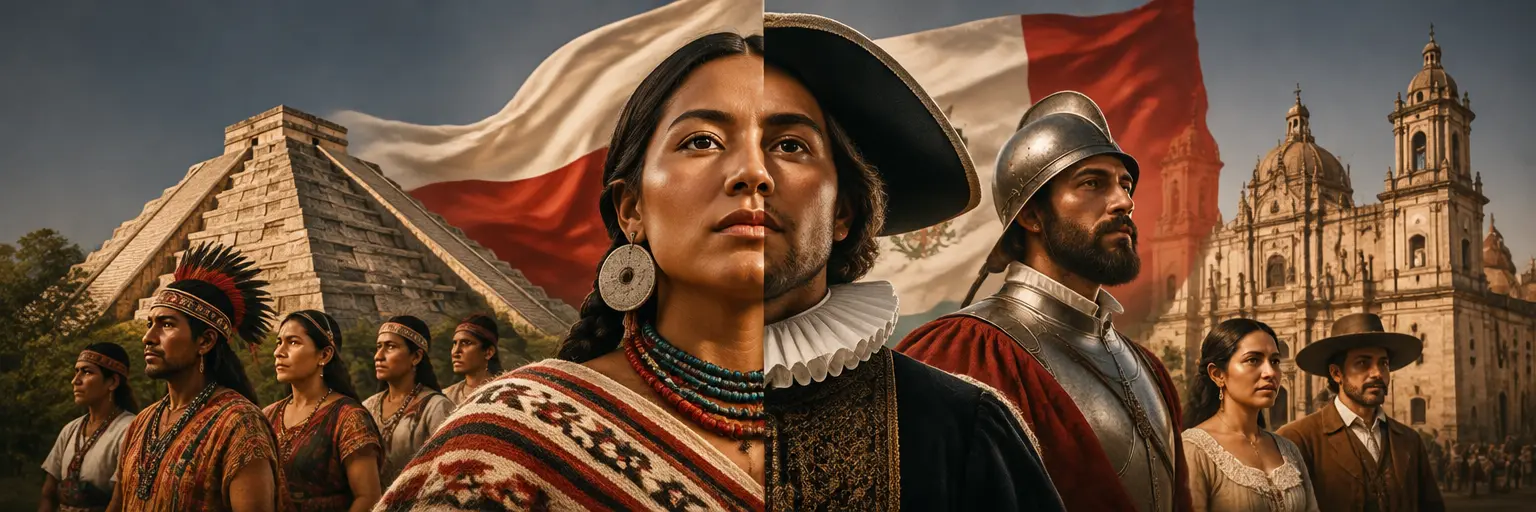
After independence, criollo elites in Spanish America crafted national identities that simultaneously honored and subjugated indigenous pasts. The concept of mestizaje—racial and cultural mixing—became a foundational myth in nations like Mexico, where figures such as Cuauhtémoc were reimagined as national heroes, not defeated foes. This narrative sought to unify diverse populations under a single story, but it often diluted indigenous specificity into a romanticized, generic “Indian” past.
Readers will discover how this process differed across regions. In Argentina, for example, the “desert campaign” actively erased indigenous presence from national memory, while in Bolivia, the Aymara and Quechua were later subsumed into a revolutionary, pro-indigenous state rhetoric. Understanding these divergent paths is essential for grasping why contemporary indigenous rights movements often fight against the very national identities that once claimed them.
🏛️ Official Languages, Education, and Civic Rituals
National identity is reproduced through schools, museums, and public ceremonies. This section reveals how governments used education curricula to teach a sanitized version of indigenous history, often focusing on pre-Columbian achievements (like Mayan mathematics) while ignoring colonial violence and ongoing discrimination. Official languages—Spanish or Portuguese—were enforced, pushing native tongues to the margins, yet some nations later adopted indigenous symbols, such as the Qurikancha in Cusco’s flag, to authenticate national pride.
Explore how civic rituals, like Mexico’s Day of the Dead, were reframed as national heritage, obscuring their local indigenous roots. This content helps SEO searchers understand keywords like “national identity construction,” “indigenous erasure in education,” and “cultural appropriation in nation-building,” providing concrete examples from the Aztec, Inca, and Maya worlds.
🌎 Indigenous Legal Status and Citizenship Models
How do constitutions and legal codes integrate or exclude indigenous peoples? This facet covers the shift from colonial “Indian republics” to modern citizenship regimes. In countries like Colombia, special jurisdictions now recognize customary law, while in Chile’s Mapuche regions, integration remains contested. Readers will analyze how the 20th-century “indigenismo” movement influenced policies, from land reform to bilingual education, often co-opting indigenous leaders into state structures.
Learn about the paradox of “integration”: granting citizenship rights while demanding assimilation. For instance, the U.S. and Canada used treaties and reservations to separate tribes, whereas Latin America pursued incorporation into the national body. This nuanced comparison is vital for any SEO query about “indigenous rights,” “self-determination,” or “constitutional recognition,” offering both historical and contemporary legal examples.
📜 Symbolic Reparations and Reconciliation Narratives
In recent decades, many nations have sought to mend historical wounds through symbolic acts—apologies, monuments, and heritage designations. This section investigates how these efforts integrate indigenous identities into a shared national story, often sparking debate. For example, the 2010 Peruvian law recognizing the Inca as national heroes clashed with historians who argued it glorified empire-building at the expense of other groups.
Discover how heritage tourism, such as visits to Machu Picchu or Teotihuacan, commercializes indigeneity while also granting global visibility. Questions of who controls the narrative—indigenous communities, governments, or international NGOs—are central. This content answers SEO queries related to “reconciliation politics,” “cultural heritage law,” and “postcolonial identity,” using case studies that resonate with both academic and general audiences.
🔄 Contemporary Indigenous Movements Reshaping Nationalism
Finally, this subcategory analyzes how modern indigenous movements reappropriate national identities for their own ends, challenging the state’s monopoly on cultural definition. From Ecuador’s 2019 protests against austerity that invoked Sumak Kawsay (Good Living), to Bolivia’s 2009 constitution declaring a “plurinational” state, indigenous actors are redefining what it means to belong. These movements integrate traditional knowledge into environmental and economic policies, forcing nations to accommodate cosmovisions rather than merely tolerating folkloric differences.
Readers will see how digital media and diaspora networks amplify these efforts, linking local struggles to global human rights frameworks. This facet is ideal for SEO keywords like “plurinationalism,” “indigenous activism,” and “decolonization,” providing a forward-looking perspective on how the impact of European conquest continues to be contested and renegotiated in the 21st century.
Frequently Asked Questions
What is the difference between assimilation and integration in this context?
Assimilation erases indigenous identity entirely, forcing adoption of dominant culture, while integration permits coexistence with some distinct traits recognized by the state. In practice, most national identities mixed both, but integration often still required subordination to national symbols, language, and law. For example, Peru’s early republic demanded citizenship but banned indigenous dress in courts, illustrating a shallow integration.
Which nation most successfully integrated indigenous identities?
There is no “success” without indigenous consent. Bolivia’s 2009 plurinational constitution is often cited as a model, granting autonomy and equal status to 36 indigenous nations. However, critics note gaps between law and practice. Mexico’s mestizaje ideology superficially honored indigenous roots, but many native peoples reject it as a tool for disappearance. Success depends on ongoing negotiation, not a static endpoint.
How did Spanish and Portuguese colonial policies differ in shaping national identities?
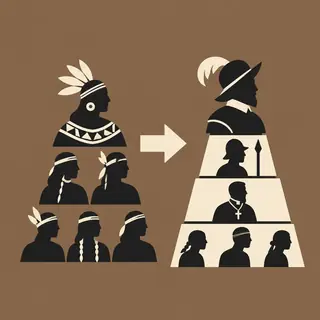
Spain created a rigid caste system with separate “Indian republics,” leading to mestizo cultural intermediaries. Portugal’s Luso-Brazilian approach favored more direct assimilation into a Portuguese cultural mold, but both used indigenous labor and intermarriage. Brazil’s national myth of “racial democracy” delayed indigenous recognition until the late 20th century, while Spanish American nations earlier developed indigenismo as a state ideology.
Why do some nations celebrate pre-Columbian civilizations but ignore living indigenous people?
This selective memory serves nationalist pride, using ancient achievements as proof of grandeur while denying ongoing discrimination. For instance, Mexico exalts Aztec pyramids but often marginalizes Nahua communities. By framing indigeneity as a glorious past, governments avoid addressing contemporary land rights, poverty, and violence. This also explains why monuments to Maya kings coexist with unresolved disputes over communal lands.
Can national identity ever be truly inclusive of indigenous worldviews?
Yes, but it requires radical structural change, not just symbols. Inclusive identity would need legal pluralism, bilingual education, territorial self-governance, and economic power-sharing. While no nation has fully achieved this, Bolivia’s plurinational state experiments with such reforms, and Ecuador’s constitutional recognition of nature’s rights (inspired by Sumak Kawsay) points toward deeper integration. The process is ongoing and contested.