Cultural Revitalization Efforts: Reclaiming Heritage and Identity
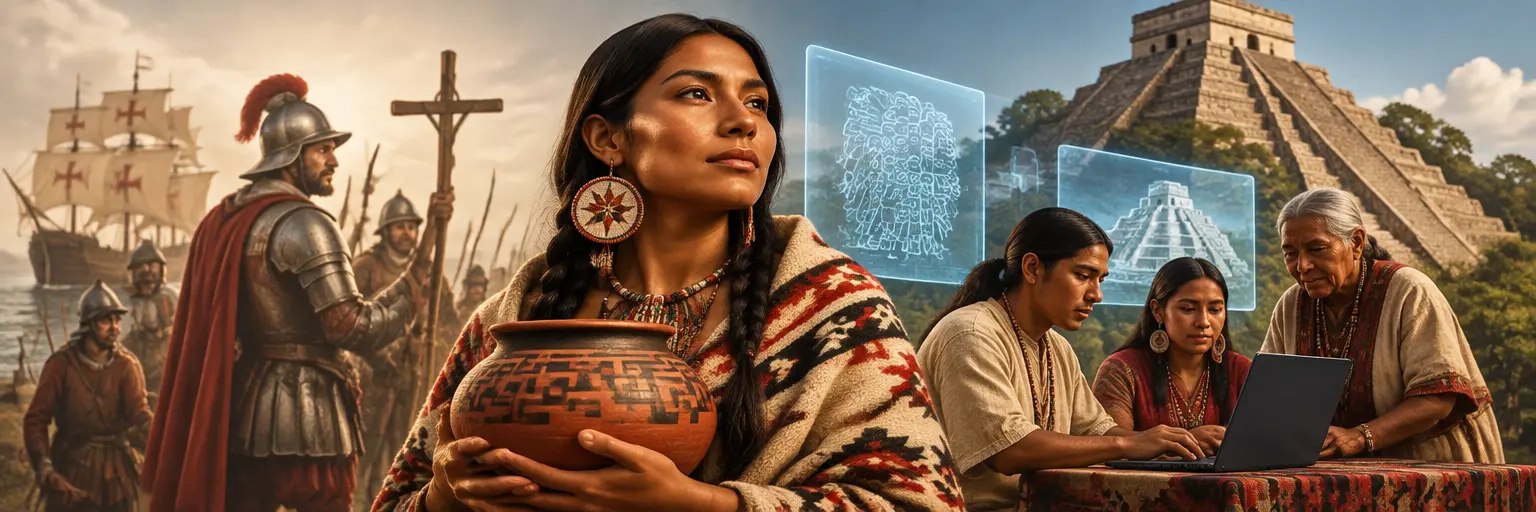
Following centuries of European conquest, forced assimilation, and systemic erasure, Indigenous communities across the Americas are now spearheading powerful cultural revitalization efforts. These movements are not merely nostalgic returns to the past but dynamic, forward-looking strategies to reclaim languages, spiritual practices, governance systems, and ancestral knowledge. For those exploring the Indigenous Civilizations of the Americas, understanding these efforts reveals how resilience transforms historical trauma into living, breathing cultures that shape modern identity and global environmental stewardship. This page dives into the key pillars of this resurgence, from linguistic revival to ceremonial reclamation, offering a roadmap of what these initiatives mean today.
🌱 Language Preservation and Revival Programs
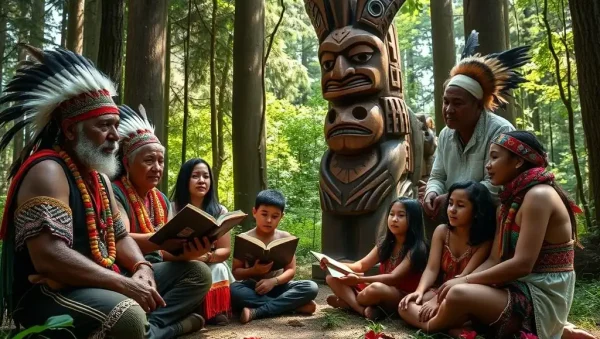
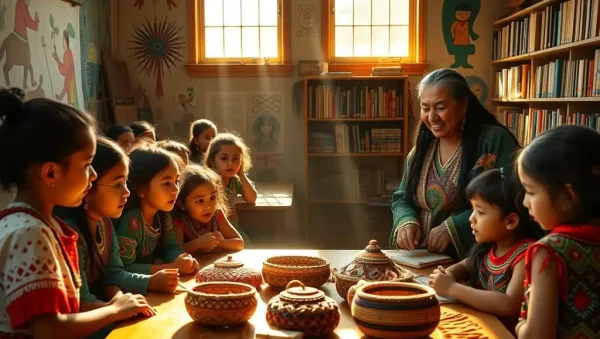
Language is the bedrock of cultural memory, and many Indigenous nations face the loss of fluent speakers. Revitalization programs now employ immersive preschools, digital dictionaries, and master-apprentice models, where elder speakers pair with younger learners for intensive daily interaction. In the United States, the Wampanoag tribe successfully revived a language dormant for over a century, while in Mexico, Nahuatl and Maya are experiencing classroom resurgences. These efforts go beyond vocabulary—they encode unique worldviews, ecological knowledge, and kinship structures. Expect to discover how technology, from language apps to virtual reality storytelling, is accelerating transmission, alongside grassroots community-led initiatives that prioritize intergenerational bonding as the core of linguistic continuity.
Readers will find that language revival is inseparable from political sovereignty. When a community speaks its ancestral tongue, it asserts a distinct legal and cultural identity, often unlocking rights to land and self-governance. Programs also address historical trauma by reframing native languages as sources of pride, not shame. Expect statistics on the number of active speakers and case studies of overnight immersion camps, plus insights into how AI-assisted transcription helps preserve endangered oral narratives. The goal is to show that every word reclaimed is a step toward healing and autonomy.
🪶 Ceremonial and Spiritual Practice Reclamation
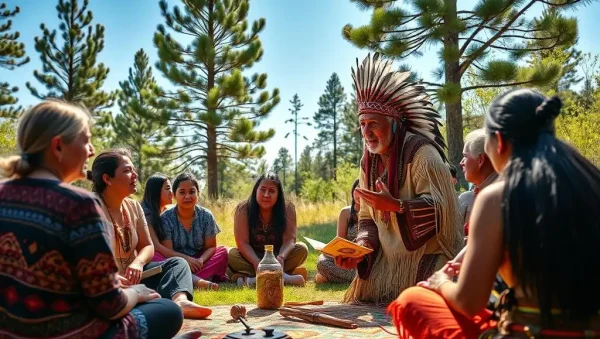
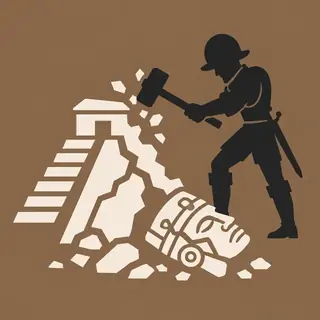
European conquest violently suppressed Indigenous ceremonies—from the Sun Dance to the Potlatch—forcing practices underground for generations. Today, ceremonial revitalization includes rebuilding sacred sites, reviving seasonal calendars, and training new ceremonial leaders. The return of the buffalo to Plains tribes, coupled with the reinstatement of the Sundance, exemplifies this renewal. Expect to explore how communities are reconnecting with psychedelic plant medicines (like peyote and ayahuasca) under legal protections, alongside the revival of sweat lodges, vision quests, and ancestral burial rites. These practices are not static; they adapt to contemporary urban settings, integrating with modern healthcare and mental wellness initiatives.
This section sheds light on the delicate balance between openness and protection. Many ceremonies are now conducted in private to avoid exploitation, yet some are shared with allies for educational purposes. You will learn about legal battles over sacred sites—like the fight over Oak Flat in Arizona—and how ceremonial calendars now guide ecological restoration projects. Expect narratives of youth involvement, where electronic music meets traditional drumming, and how spiritual reclamation boosts community mental health by reducing suicide rates. The message here is that ritual is not performance but a lived, breathing relationship with ancestors and the land.
📜 Restoring Traditional Governance and Legal Autonomy
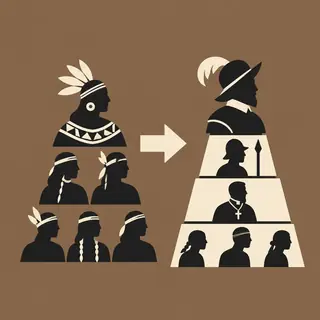
Colonial powers dismantled Indigenous governance, imposing foreign systems that often conflict with communal decision-making. Revitalization of governance involves restoring customary laws, council structures, and consensus-based practices. For instance, the Haudenosaunee Confederacy’s Great Law of Peace is being used as a template for modern environmental agreements. Expect to see examples of tribal courts integrating traditional justice with restorative practices, and how communities are codifying their own constitutions based on ancestral precedents. This includes reviving women’s political roles, which colonial systems often suppressed, and reestablishing land stewardship councils that prioritize sustainability over extraction.
Readers will understand how cultural revitalization directly confronts neocolonial legal frameworks. Some nations, like the Mapuche in Chile and Argentina, are using international human rights law to reclaim ancestral territories, citing their own governance systems as valid jurisdiction. Expect to learn about the UN Declaration on the Rights of Indigenous Peoples and how it supports self-determination. The process is not without friction—internal debates over tradition vs. modernization are common. This section offers a realistic view of how communities negotiate these tensions, creating hybrid governance that respects elders while engaging with globalized legal systems.
🎨 Art, Music, and Material Culture Revival
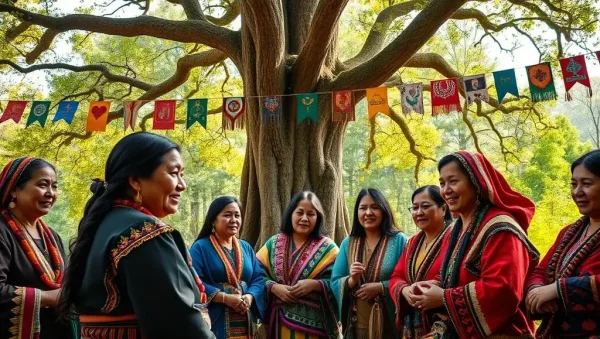
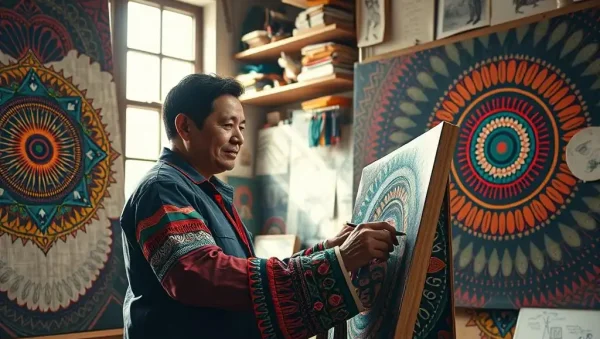
Artistic expression is a potent vehicle for cultural revitalization, with Indigenous artists reclaiming ancestral techniques in weaving, pottery, carving, and beadwork. Contemporary Indigenous art now blends traditional motifs with modern media, from street murals to digital animation. Expect to see how pre-Columbian designs reappear in fashion and architecture, and how museums are returning sacred objects and human remains, which then spur new creative practices. Music, too, is a battleground: traditional flutes and drums are paired with hip-hop and electronica, creating genres like Indigenous rap that carry political messages. Art programs for youth serve as therapeutic tools, reconnecting them with ancestral skills and pride.
This part highlights the economic dimension of cultural revival. Many communities are establishing cooperatives for fair-trade crafts, ensuring that cultural expressions sustain livelihoods without exploitation. Expect stories of agave textile weavers in Central America and stone carvers in the Andes whose works are sold globally, funding education and health clinics. Additionally, you’ll learn about digital repatriation—using 3D scanning to recreate artifacts housed in foreign museums—which allows communities to access their heritage virtually. The takeaway is that art is not static heritage but an evolving, living dialogue between ancestors and current generations.
🌍 Land Stewardship and Traditional Ecological Knowledge
Cultural revitalization is inseparable from ecological restoration, as Indigenous practices have long maintained biodiversity. Traditional Ecological Knowledge (TEK) is now recognized by scientists for its effectiveness in managing wildfires, fisheries, and forests. Expect examples like the Yurok tribe’s reintroduction of controlled burns and the Kichwa forest guardians in the Amazon using ancestral zoning laws. Programs are reviving seasonal harvest calendars, seed banks for native crops, and agroforestry systems that outperform monoculture. This is not merely preservation; it’s active adaptation to climate change, with TEK offering solutions for drought, flooding, and erosion.
Readers will discover how co-management agreements between tribes and federal agencies are becoming common, giving Indigenous communities official authority over national parks and rivers. Expect to learn about maize repatriation efforts where high-yield native seeds are reintroduced to support food sovereignty. The revival of sacred geography—mapping places with ceremonial importance—drives both legal battles and tourism that funds conservation. This section shows that cultural revival is an environmental movement, providing a practical toolkit for global sustainability. The final message is that remembering how to live on the land is as crucial as remembering how to speak on it.
Frequently Asked Questions
Why are cultural revitalization efforts important for Indigenous communities?
These efforts restore identity, heal historical trauma, and re-establish sovereignty over language, land, and law. They counteract centuries of forced assimilation, giving younger generations a sense of belonging and purpose. Culturally grounded communities show lower rates of depression and substance abuse, while also contributing unique knowledge to global sustainability. In short, revitalization is a matter of survival and dignity.
How can non-Indigenous people support cultural revitalization respectfully?
Support by amplifying Indigenous voices, purchasing authentic crafts, and educating yourself on tribal histories. Avoid appropriating sacred symbols or ceremonies, and instead donate to Indigenous-led language programs and land trusts. Advocacy for repatriation of artifacts and legal protections for sacred sites is also vital. Always ask permission before sharing knowledge, and honor the community’s protocols.
What are the biggest challenges facing these revitalization movements?
Key challenges include lack of funding, ongoing land dispossession, and the aging of elders with critical knowledge. Digital divides and urban migration also complicate language transmission. Additionally, legal frameworks often lag in recognizing Indigenous governance. However, many communities are overcoming these through inter-tribal networks, online platforms, and youth leadership. External pressure from extractive industries remains a constant threat.
Are there successful examples of languages being revived from near extinction?
Yes, the Wampanoag, Miami, and Kaurna languages have been revived from no fluent speakers using historical documents and related languages. The Māori and Hawaiian revitalization are world-famous, with immersion schools producing thousands of new speakers. The Manx language on the Isle of Man is another success. These cases show that with dedication and community support, even dormant languages can awaken.
How does cultural revitalization relate to climate change adaptation?
Indigenous ecological knowledge—such as controlled burns, crop diversification, and water management—enhances ecosystem resilience. Revitalizing these practices helps communities adapt to changing climates while restoring biodiversity. Co-management of lands leads to better outcomes for wildlife and fire prevention. Thus, cultural revival is directly linked to environmental health, offering scalable models for global climate strategies.