The Role of Religion in the Destruction of Indigenous Spiritual Heritage
The impact of religion on indigenous cultures led to significant disruptions, as colonial powers imposed their beliefs, often erasing sacred traditions and…
Read article
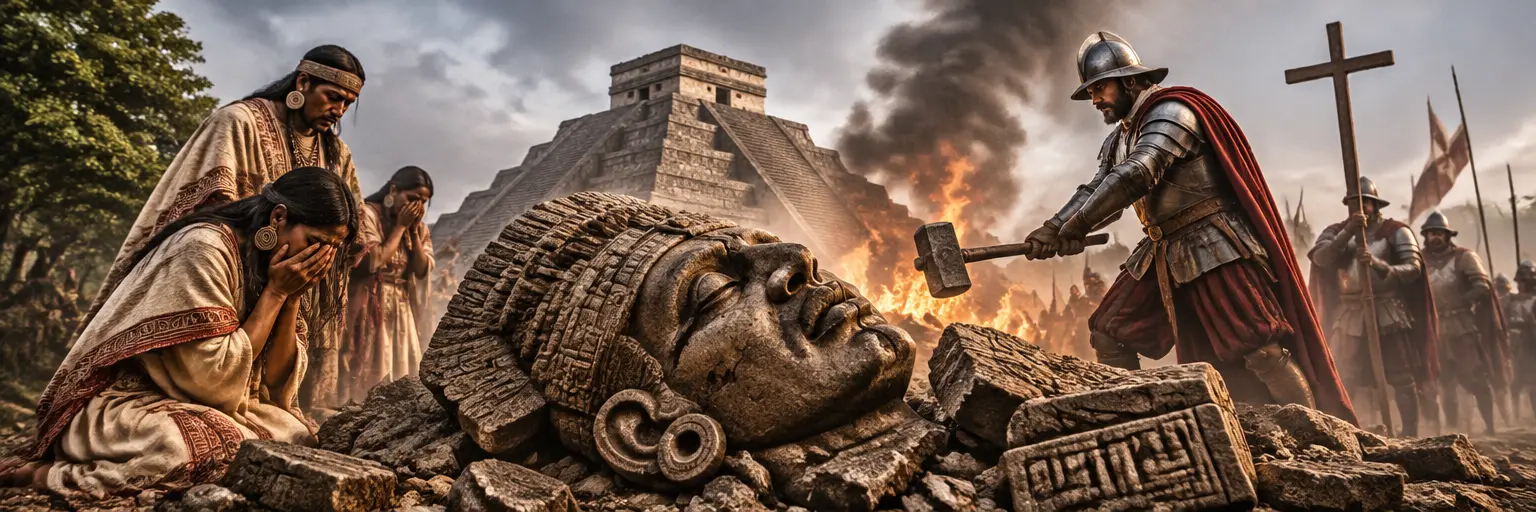
The arrival of European powers in the Americas triggered a profound and often devastating transformation of indigenous cultural landscapes, with the destruction of cultural heritage standing as one of its most tragic consequences. Beyond military conquest and disease, the systematic erasure of temples, codices, monuments, and ceremonial objects—combined with the suppression of native languages, religions, and oral traditions—represented a deliberate assault on the very identity and memory of ancient civilizations. This process, driven by colonial ideologies of supremacy and religious zeal, not only demolished physical structures but also severed the living connections between indigenous peoples and their ancestral knowledge. Exploring this painful legacy reveals how the remnants that survive today are not merely artifacts, but resilient testimonies to the ingenuity and endurance of the Americas’ original inhabitants. Uncover the stories behind these lost treasures and the ongoing efforts to reclaim and preserve what remains, as we delve into the complex interplay of conquest, loss, and cultural survival.
The impact of religion on indigenous cultures led to significant disruptions, as colonial powers imposed their beliefs, often erasing sacred traditions and…
Read article
The importance of oral traditions in preserving indigenous heritage cannot be overstated. These narratives not only safeguard cultural identities but also transmit…
Read article
🌍 The exploration of indigenous civilizations lost legacies reveals the rich achievements and societal structures that flourished in the Americas before European…
Read article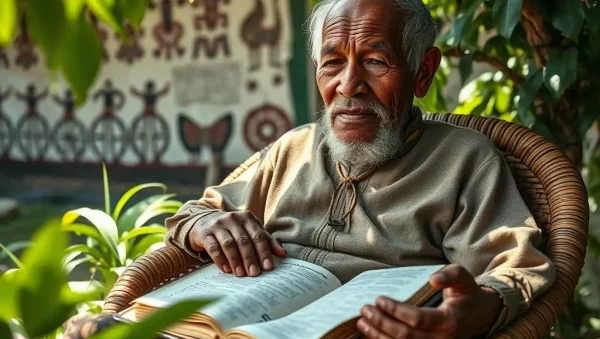
🌍 The impact of colonization on indigenous languages has led to a profound loss of cultural identity and heritage. This article delves…
Read article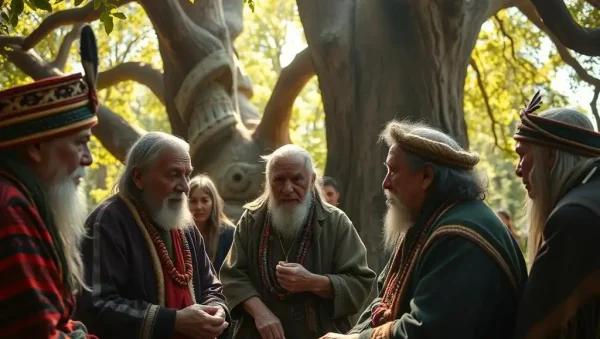
The impact of disease on indigenous cultures profoundly altered traditional knowledge and practices, threatening the preservation of rich cultural heritage. Understanding these…
Read article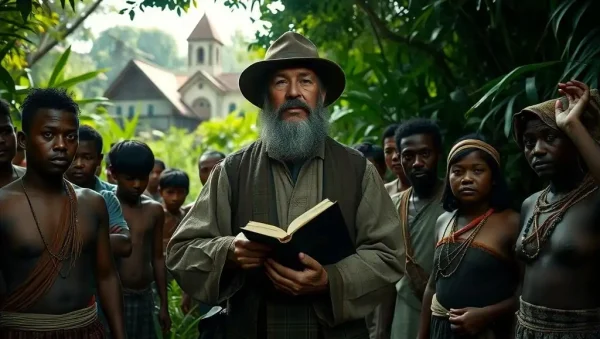
The impact of European missionaries on indigenous cultures was profound, often leading to the suppression of unique traditions and social structures. This…
Read articleThe subcategory Destruction of Cultural Heritage within European Conquest and Impact examines how colonization systematically dismantled Indigenous civilizations’ tangible and intangible legacies across the Americas. This page explores the mechanisms—from iconoclasm and looting to forced religious conversion and urban reconfiguration—that erased or transformed Native American knowledge systems, art, languages, and sacred sites. By understanding these processes, you gain critical insight into the resilience of Indigenous peoples and the ongoing efforts to recover and preserve what remains. This content is essential for students, historians, and cultural preservationists seeking a nuanced view of colonial impacts.
European conquerors and missionaries often targeted Indigenous temples, pyramids, and ceremonial centers as symbols of “pagan” belief. In Mesoamerica and the Andes, Spanish forces dismantled structures like the Templo Mayor in Tenochtitlan and the Qorikancha in Cusco, repurposing their stones for churches and colonial buildings. This physical destruction was intentional—it aimed to sever Indigenous communities from their spiritual and political anchors, facilitating subjugation.
Beyond stone, sacred landscapes such as the Inca’s huacas or the Maya’s cenotes were desecrated or sealed. This cultural genocide extended to portable objects: codices, gold artifacts, and ceremonial masks were melted down or shipped to Europe. For modern researchers, understanding these acts requires examining colonial chronicles, archaeological strata, and Indigenous oral histories that remember the loss. The result is a fragmented record, yet each surviving artifact offers a testament to resilience.
One of the most devastating losses was the systematic burning of Indigenous books. In 1562, Bishop Diego de Landa ordered the destruction of Maya codices in Maní, claiming they contained “lies of the devil.” Similarly, Aztec amoxtli and Mixtec screenfolds were destroyed, leaving only a handful of pre-Columbian manuscripts today, such as the Dresden and Madrid codices. This erased astronomical, medical, and genealogical knowledge that rivaled European scholarship.
The destruction of oral traditions was equally profound—missionaries suppressed native languages, replacing them with Spanish, Portuguese, or English. However, some friars like Bernardino de Sahagún documented Indigenous knowledge in native script, inadvertently preserving fragments. Today, linguists and anthropologists work to reconstruct lost knowledge by comparing surviving texts, colonial transcriptions, and modern descendant communities’ practices, showing that despite the burnings, intellectual heritage persists in adapted forms.
Colonial and post-colonial looting stripped Americas of countless treasures. Spanish conquistadors seized gold and silver religious objects, melting them into bullion. Later centuries saw systematic excavations by foreign explorers who shipped sculptures, ceramics, and human remains to European and North American museums. The famous “Quimbaya Treasure” from Colombia and the Machu Picchu artifacts taken by Hiram Bingham exemplify this ongoing diaspora.
This looting severed cultural objects from their original contexts, complicating interpretations and fueling repatriation debates. Indigenous nations now demand the return of ancestral remains and sacred items, citing UNESCO conventions and moral imperatives. Museums like the Smithsonian and the British Museum have begun repatriating some pieces, yet hundreds of thousands remain abroad. For the subcategory, understanding this flow is key to addressing contemporary cultural heritage justice and the ethics of possession.
European conquest did not stop at buildings; it transformed urban and rural landscapes to project colonial power. Spanish and Portuguese laid grid plans over Indigenous cities, placing plazas, cathedrals, and government palaces atop sacred precincts. In Mexico City, the Zócalo covers the Aztec ceremonial center; in Cusco, the Santo Domingo church sits on the Qorikancha’s foundations. This deliberate layering aimed to erase memory and normalize European spatial order.
Beyond cities, colonial agricultural systems replaced native terraces, irrigation canals, and forest management practices. The introduction of European livestock and crops changed ecosystems, further disconnecting Indigenous peoples from their traditional lands. Yet, resistance was constant—many Indigenous groups maintained hidden ceremonial spaces in remote areas or incorporated Catholic saints into their own cosmologies. Today, archaeological remote sensing reveals pre-Columbian urban layouts beneath colonial cities, helping recapture these erased geographies.
Despite centuries of destruction, Indigenous cultural heritage has shown remarkable resilience. Many communities have revived languages, ceremonial practices, and craft traditions, often blending pre-Columbian and colonial elements. For example, the Day of the Dead in Mexico hybridizes Aztec rituals with Catholic observance, while Andean textile patterns retain ancient iconography. This cultural persistence is a powerful counter-narrative to total loss.
Contemporary preservation goes further: UNESCO World Heritage designations protect sites like Teotihuacan and Machu Picchu, while digital technologies—3D scanning, virtual reconstructions, and interactive databases—recreate destroyed monuments and codices. Indigenous-led initiatives, such as the Native American Graves Protection and Repatriation Act (NAGPRA) in the U.S., empower communities to reclaim heritage. For visitors and researchers, this subcategory highlights that destruction is not the final word; active restoration and memory work continue to shape the Americas’ cultural landscape.
The most cited is the Spanish destruction of Tenochtitlan’s Templo Mayor in 1521, followed by the burning of Maya codices by Bishop de Landa in 1562. These events symbolize the broader erasure of Indigenous knowledge, but many regional examples, such as the Inca’s Qorikancha, are equally significant.
Yes, fewer than 20 surviving pre-Columbian codices exist, mostly Maya and Mixtec, including the Dresden, Madrid, and Paris codices. These were smuggled to Europe and now reside in libraries, but they represent only a fraction of what once existed.
Physical reconstruction is often impossible, but digital reconstruction and community memory allow partial revival. For example, 3D models recreate destroyed temples, while oral histories and colonial records help piece together lost rituals. However, authenticity and context are irreplaceable.
Many engage in repatriation claims, using legal frameworks like NAGPRA in the U.S. and Indigenous rights declarations. Others collaborate with museums for digital access or ceremonial use. Success varies, but awareness has grown, leading to some high-profile returns, such as the Yale University artifacts to Peru.
Cultural heritage provides identity, historical continuity, and diverse knowledge systems. Losing it diminishes human understanding of alternative worldviews and sustainable practices. Preservation also supports justice, reconciliation, and tourism, making it vital for both Indigenous communities and global humanity.