Understanding Population Decline Studies in the Context of European Conquest
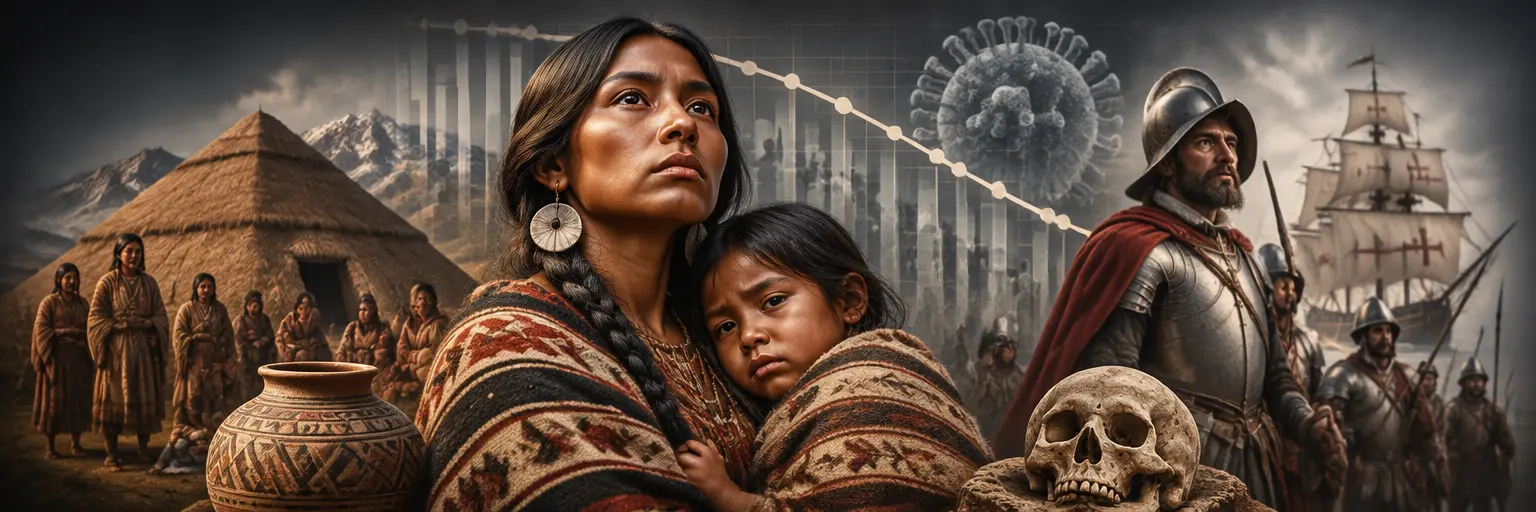
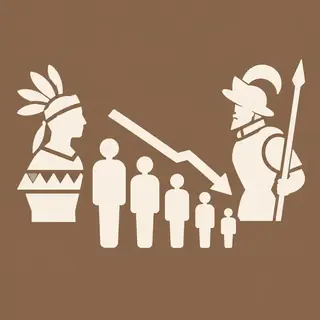
Population Decline Studies is a critical subcategory within our exploration of European Conquest and Impact, focusing on the demographic catastrophe that swept through Indigenous civilizations of the Americas following 1492. This field examines the staggering loss of life—often estimated at 80–95% of native populations within a century—due to introduced diseases, warfare, forced labor, and societal disruption. By analyzing archaeological evidence, colonial records, and modern epidemiological models, these studies reveal how conquest reshaped the human landscape of the Americas and continues to influence Indigenous communities today. Here, we delve into the mechanisms, magnitude, and enduring legacies of this demographic collapse.
📉 The Epidemiological Shock: Disease as the Primary Agent
Disease was the single most devastating factor in population decline, with pathogens like smallpox, measles, and influenza arriving with European explorers and colonists. Indigenous populations lacked any prior exposure or immunity, leading to infection rates exceeding 90% in many communities. Outbreaks spread rapidly along trade networks, often reaching communities years before direct European contact, as seen in the 1520 smallpox pandemic that devastated the Aztec and Inca empires. The loss of life was not just physical—it shattered social structures, agricultural systems, and knowledge transfer, creating a cascading effect that weakened resistance to further conquest.
Modern research using paleodemography and genetic analysis has refined these estimates, showing that some regions experienced mortality rates exceeding 95%. For example, the Amazon basin’s population, once estimated at 5 million, may have fallen to under 200,000 by the 1700s. Disease also interacted with other stressors: malnutrition from disrupted food systems increased susceptibility, while the psychological trauma of mass death reduced reproductive rates. Understanding this epidemiological shock is essential for grasping why European colonization succeeded so rapidly, as the demographic vacuum facilitated land seizure and cultural erasure.
🏹 Violence, Forced Labor, and Structural Violence
While disease dominated, systematic violence and exploitation were accomplices in population collapse. Wars of conquest, enslavement, and brutal labor regimes in mines and plantations directly killed millions and indirectly accelerated decline by breaking families and communities. The encomienda and mita systems, for instance, forced Indigenous people into grueling work under lethal conditions, with mortality rates in silver mines like Potosí exceeding 50% per year. Massacres, such as those during the Spanish conquest of Mexico, further depleted populations, while the disruption of traditional warfare and hunting patterns left communities vulnerable.
Structural violence also included the intentional destruction of food stores, irrigation systems, and sacred sites, which crippled subsistence economies. The “Great Dying” was not accidental; colonial policies often knowingly exacerbated demographic decline to consolidate control. Recent scholarship highlights how reproductive coercion, including the forced migration of women and children, reduced birth rates and severed kinship networks. This multifaceted violence, combined with disease, created a demographic catastrophe that reshaped the Americas, leaving behind fragmented populations that struggled to maintain cultural continuity.
🌿 Regional Variances: From the Caribbean to the Andes
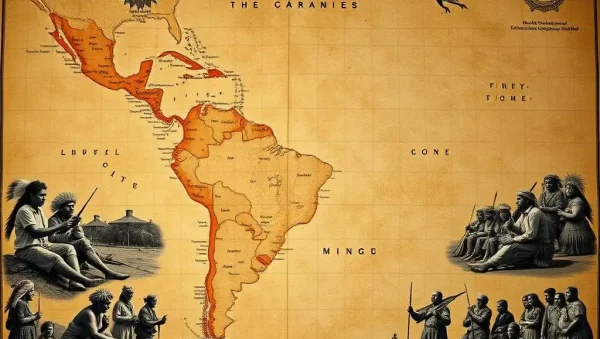
Population decline was not uniform; it varied dramatically by region, ecology, and timing. The Caribbean islands saw the most extreme collapse, with the Taino population shrinking from perhaps 1 million in 1492 to near extinction by 1550 due to disease, enslavement, and forced labor. In contrast, the highland Andes and Mesoamerica experienced more gradual declines, as dense populations and complex agricultural systems provided some resilience, though still falling by 70–90% over two centuries. The Amazon and temperate North America saw slower but equally devastating losses, with the 1837 smallpox epidemic reducing the Mandan from 1,600 to only 31 survivors.
These regional differences are crucial for understanding specific Indigenous histories and modern land claims. For example, the depopulation of the Mississippi valley allowed European American expansion, while the persistent population of the Inca highlands led to distinct colonial strategies. Researchers use colonial tribute records, mission registries, and archaeological settlement data to map these declines, revealing patterns of migration, reorganization, and resistance. This regional lens helps explain why some Indigenous groups survived with substantial populations while others vanished, influencing contemporary demographic and cultural landscapes.
📚 Methods and Sources: Reconstructing the Invisible
Quantifying population decline requires merging diverse evidence, including colonial census data, missionary accounts, and archaeological settlement patterns. One key method is the “depopulation ratio,” comparing pre-contact estimates (derived from carrying capacity models, land use, and early chronicles) with post-contact nadirs. Paleodemography, analyzing skeletal remains for signs of stress, disease, and violent trauma, provides direct biological evidence. Additionally, genetic studies of modern Indigenous populations reveal drastic bottlenecks, confirming historical narratives of collapse.
However, these sources are fraught with challenges: colonial records often undercount or distort, and pre-contact estimates remain debated. Ethno-historical approaches integrate oral traditions and Indigenous chronicles, offering perspectives that challenge Eurocentric narratives. Recent advances, such as the analysis of ancient DNA and environmental proxies (e.g., pollen changes indicating reforestation after population loss), have refined estimates. For example, a 2019 study using mitochondrial DNA estimated a pre-contact population of the Americas at over 60 million, far higher than earlier guesses, highlighting the scale of the catastrophe. Understanding these methods is vital for skeptical reading of historical claims and for honoring Indigenous resilience under extreme adversity.
🕊️ Long-Term Consequences and Contemporary Relevance
The demographic collapse had profound, lasting effects on Indigenous cultures, ecosystems, and even global climate. With population loss, vast areas of cultivated land reverted to forest, sequestering carbon and contributing to a slight but measurable global cooling in the 1600s. Socially, the loss of elders and specialists eroded languages, technologies, and religious practices, while survivors often merged into new multi-ethnic communities, as seen in the formation of mestizo identities. This reshaping created cultural resilience but also erased countless unique traditions that we can only partially recover through archaeology.
Today, population decline studies are profoundly relevant to Indigenous rights, land restitution, and public health. Many descendant communities are experiencing demographic recovery, yet they still face medical disparities rooted in historical trauma. The subcategory also informs debates on “virgin soil” epidemics, as seen in COVID-19’s disproportionate impact on Indigenous groups with weakened healthcare access. Moreover, scholarly acknowledgment of these catastrophic losses challenges triumphalist narratives of European superiority, instead emphasizing the fragility and resilience of human societies. Understanding this history is essential for building ethical relationships with Indigenous nations and for recognizing the deep wounds that still shape the Americas.
Frequently Asked Questions
What was the most common cause of Indigenous population decline?
Introduced infectious diseases—particularly smallpox, measles, and influenza—were the single most lethal factor, causing 80–95% of fatalities in many regions. These diseases spread rapidly through populations with no immunity, often outpacing direct European contact. However, violence, forced labor, and social disruption significantly compounded mortality, making disease one part of a larger systemic catastrophe.
How do researchers estimate pre-contact populations?
Researchers use multiple methods, including carrying capacity calculations based on agricultural productivity, early colonial censuses, settlement pattern archaeology, and environmental proxies like pollen records. Genetic studies of modern Indigenous populations also provide clues about past population bottlenecks. Estimates vary widely—from 20 million to over 100 million—but most modern scholars agree on a figure above 50 million, with the Amazon and Andes supporting major urban centers.
Did any Indigenous population resist decline successfully?
Yes, some communities, particularly in isolated regions like the Amazon rainforest or highland Andes, experienced less severe declines due to geographic barriers. Others, like the Maya, rebounded through reorganization and adaptation. However, even these groups faced mortality rates of 30–50%. Success often depended on early immune exposure, effective isolation, or resistance movements that limited colonial control.
Why is population decline study considered controversial?
Controversy arises from debates over numbers, as different estimates imply different moral and legal implications for land rights and reparations. Some argue that high pre-contact estimates exaggerate past greatness, while others contend that lower estimates minimize the scale of suffering. Additionally, using colonial records as data raises ethical questions about biased sources. However, the consensus remains that the decline was catastrophic and genocide-like in nature.
How does this subcategory affect modern Indigenous communities?
Population decline studies provide evidence for land claims, reparations, and cultural revitalization efforts. They also highlight historical trauma that contributes to modern health and social disparities, informing public health interventions. For many Indigenous nations, these studies validate oral histories and strengthen political sovereignty. Yet, scholars emphasize that framing Indigenous peoples solely as victims erases their agency and resilience, so modern research increasingly centers Indigenous voices and perspectives.