The Inca Empire's Fall: Political Missteps and Consequences
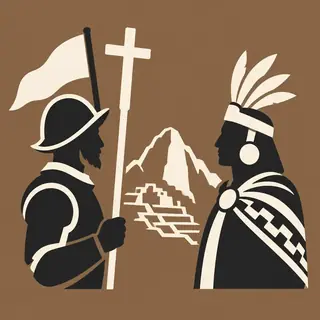
The Inca Empire's political missteps, such as centralized power and inadequate communication, led to internal strife and vulnerability. These failures not only…
Read article
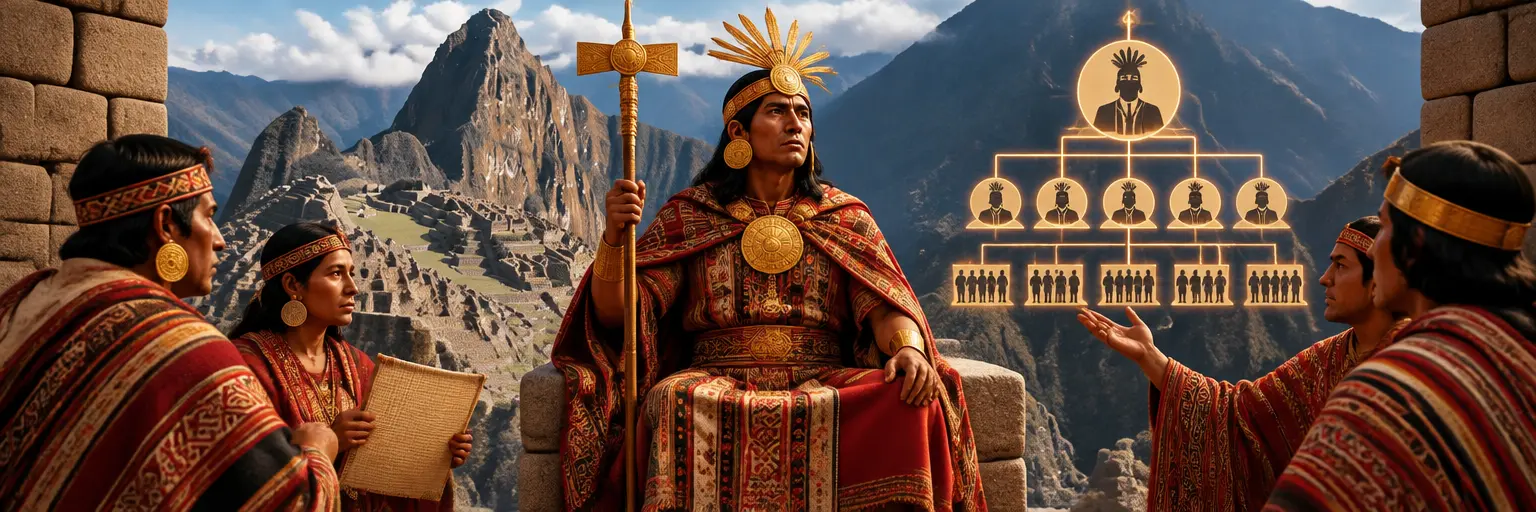
Unlock the secrets of one of history’s most sophisticated empires with our deep dive into the political structure and governance of the Inca Civilization. Discover how a centralized theocratic monarchy, headed by the Sapa Inca, orchestrated the largest empire in pre-Columbian America through an innovative blend of administrative efficiency, road networks, and reciprocal labor systems. From the four provincial suyus to the decimal-based bureaucracy, explore how rulers maintained control over millions across diverse terrains, using quipus for record-keeping and mit’a for state projects. This overview clarifies the roles of nobles, priests, and local curacas, revealing how divine kingship and strategic alliances shaped governance, law, and resource distribution. Perfect for history buffs, students, and travelers, this content is SEO-optimized with keywords like “Inca emperor,” “Tahuantinsuyo,” “Andean governance,” and “imperial administration,” ensuring you grasp the power dynamics that fueled an enduring legacy of order and resilience.
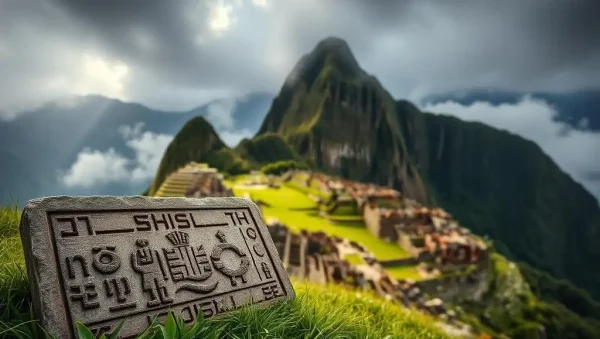
The Inca Empire's political missteps, such as centralized power and inadequate communication, led to internal strife and vulnerability. These failures not only…
Read article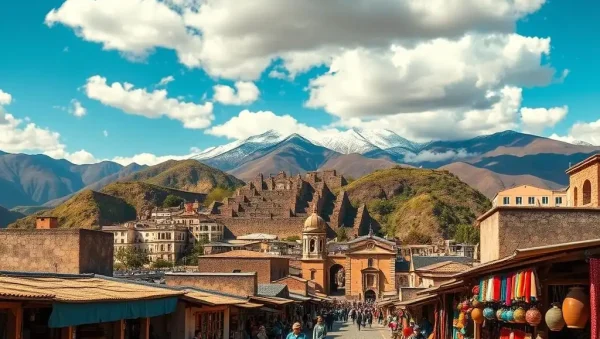
Cuzco, the political heart of the Inca Empire, served as a vibrant hub of governance and culture. Its strategic significance shaped Inca…
Read article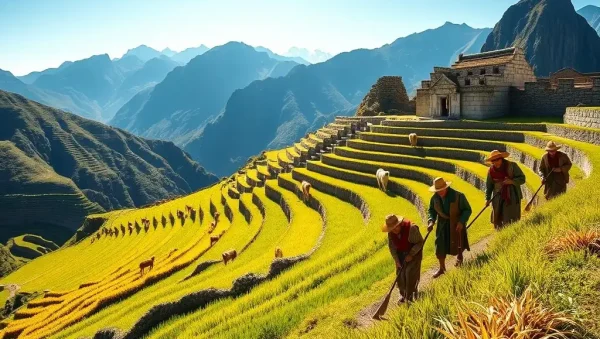
🌱 Incan agriculture and governance were intricately linked, as effective land management not only ensured food security but also reinforced the centralized…
Read article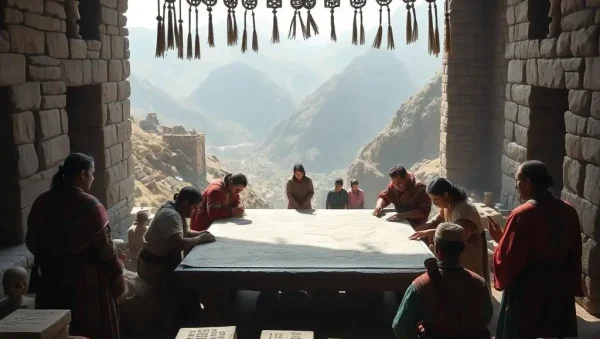
The Incan bureaucracy and administration were remarkable for their complexity and efficiency, enabling the vast empire to manage diverse regions. However, challenges…
Read article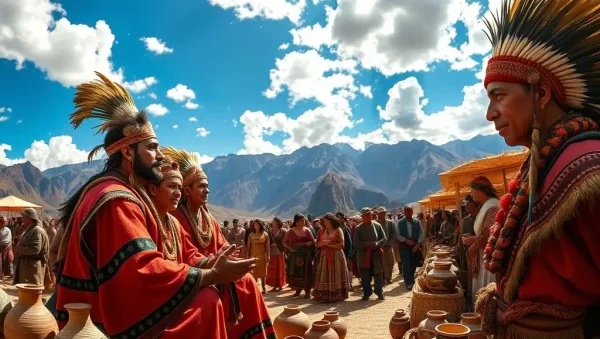
The Incan civilization's political interactions with neighboring cultures shaped a complex web of alliances and rivalries, influencing trade, territorial expansion, and cultural…
Read article
The Inca Empire local leadership dynamics played a crucial role in balancing autonomy and central control, allowing regional leaders to maintain cultural…
Read article
The geography of the Andes profoundly shaped Incan political organization, influencing administrative divisions, resource distribution, and communication networks. Understanding this interplay reveals…
Read article
🌄 The Inca emperor governance system was a sophisticated blend of divine authority and administrative skill, enabling the Sapa Inca to maintain…
Read articleExplore the remarkable administrative genius of the Inca Empire, the largest pre-Columbian state in the Americas. This subcategory delves into the sophisticated hierarchical system, from the Sapa Inca’s divine rule to provincial governors, using quipus, road networks, and labor taxes to govern millions across diverse terrains. Discover how this centralized yet adaptable governance shaped identity, religion, and daily life.
The Sapa Inca stood at the apex of political and religious power, believed to be the direct descendant of Inti, the Sun God. His authority was absolute, controlling land, resources, and life itself. The Emperor’s court, with its elaborate rituals and ayllu-based nobility, reinforced a divine mandate that justified conquest and centralized rule. His role was both ceremonial and practical, as he oversaw major decisions, military campaigns, and the redistribution of wealth.
Understanding the Sapa Inca’s power is essential to grasping Inca governance. He commanded a bureaucracy of nobles, priests, and administrators, while his “capac ñan” road system enabled rapid communication. The Emperor’s multiple wives and descendants created a complex succession system, often leading to civil wars, as seen with Atahualpa and Huáscar. His divine status meant even death did not end his influence—his mummy remained a focal point of political legitimacy and ancestor worship.
The empire, known as Tawantinsuyu (“Four Parts Together”), was divided into four suyus—Chinchaysuyu, Antisuyu, Collasuyu, and Contisuyu—each overseen by an apo (governor). These provinces were further subdivided into smaller units based on decimal administrative levels, with officials like the hunu kuraka (10,000-family chief) and pachaka kuraka (100-family head). This hierarchical governance ensured efficient tax collection, labor assignments, and regional stability.
Each suyu had a capital and a governor directly appointed by the Sapa Inca, often a close relative or trusted noble. The Incas implemented mit’a (rotational labor) to build infrastructure, while the mitmaq (relocated colonists) ensured cultural assimilation and defense. This administrative system allowed the empire to integrate conquered peoples, using local elites as intermediaries—a pragmatic approach that minimized rebellion and maximized resource extraction.
Inca law was unwritten, based on customary rules and the principle of “ama sua, ama llulla, ama quella” (do not steal, do not lie, do not be lazy). Punishments were harsh, ranging from public humiliation to execution, with the severity proportional to social status. Crimes like theft or murder were met with capital punishment, while minor offenses led to flogging or exile. Justice was swift, and the Sapa Inca acted as the supreme judge, though regional administrators handled most cases.
Social order was rigidly stratified: the Sapa Inca, nobility, priests, and then commoners. The ayllu (extended family group) was the basic social and economic unit, jointly owning land and sharing labor. Chasquis (messengers) carried legal decisions across the vast road network, ensuring uniformity. The Inca’s emphasis on reciprocity—where communities gave labor in exchange for state protection and famine relief—reinforced loyalty and minimized dissent, making the empire remarkably stable despite its diversity.
Inca economics was centrally planned, with land divided into three sectors: lands for the Sun (religion), the Sapa Inca (state), and the commoners. The state controlled crop production, livestock, and storage, using extensive storehouses (qollqa) to redistribute surplus during droughts or festivals. Taxation was labor-based, not monetary—each ayllu provided workers for state projects, military service, or farming state lands.
The quipu, a knotted-string recording device, was the core of fiscal administration. Quipucamayocs (quipu keepers) tracked population, crops, and tribute with remarkable accuracy, enabling centralized planning. Roads and tambos (waystations) facilitated the movement of goods and troops. This system created a self-sufficient empire that could sustain large urban populations, as seen in Cusco, while fostering state-sponsored reciprocity that bound subjects to the emperor through material dependence.
The Inca army was a professional, disciplined force, composed of conscripted subjects and elite noble units. Military service was a key obligation of the mit’a, with soldiers trained in siege warfare, hand-to-hand combat, and the use of slings, clubs, and spears. The Sapa Inca served as commander-in-chief, and successful generals were rewarded with land and titles. Conquest was justified as a civilizing mission, bringing sun worship and order to “barbarian” peoples.
Coercion was complemented by diplomatic persuasion: envoys often offered tribute arrangements and political autonomy to peacefully surrendering groups. However, resistance was met with brutal suppression, including mass relocation and destruction of local shrines. The military’s role extended beyond warfare—it enforced the empire’s borders, quelled rebellions among the mitmaq colonists, and projected imperial power. This dual approach of negotiation and force allowed the Incas to expand from a small highland kingdom to a continent-spanning state in under a century.
Through a combination of a centralized divine monarchy, a decimal administrative hierarchy, and an extensive road network. Provincial governors reported to Cusco, while the mit’a labor system and mitmaq colonists ensured cultural integration and resource extraction. The use of quipus for record-keeping and state-sponsored reciprocity reduced rebellion risks.
Ayllus were kinship-based communal groups that formed the foundation of Inca society. They owned land collectively and provided labor for state projects and taxes. Politically, ayllus had local leaders (kurakas) who answered to higher officials, ensuring grassroots compliance and efficient resource mobilization from the ground up.
No, Inca law was unwritten and based on oral custom and precedent. The three core prohibitions—no stealing, lying, or laziness—guided conduct. Justice was administered by local authorities, with the Sapa Inca as final arbiter. The system relied on social pressure and severe punishments to maintain order.
Succession was not strictly primogeniture; the Sapa Inca often chose a favored son, leading to disputes among half-brothers. Before death, the chosen heir was proclaimed co-ruler to ease transition. However, rival claims caused civil wars, as in the conflict between Atahualpa and Huáscar, weakening the empire just before the Spanish arrival.
The Spanish dismantled the Inca administrative hierarchy, replacing the Sapa Inca with viceroys and corregidores. They imposed tribute systems and encomiendas, exploiting mit’a labor for mines. Though Inca descendants maintained some local authority in remote areas, their political structure was largely destroyed, leading to cultural erasure and demographic collapse.