Discover the Deep Roots of the Inca Civilization: History and Origins
Welcome to the History and Origins subcategory of our Inca Civilization hub. Here, we peel back the layers of time to explore how a small highland tribe in the Andes evolved into the largest empire in pre-Columbian America, known as Tawantinsuyu. From mythical creation stories to archaeological evidence of early settlements, this section provides a scholarly yet accessible journey through the formative centuries of Inca culture, governance, and territorial expansion. Expect rich narratives, timeline breakdowns, and insights into the sources that shape our understanding today.
🗺️ Legendary Beginnings: The Myth of Manco Capac and Mama Ocllo
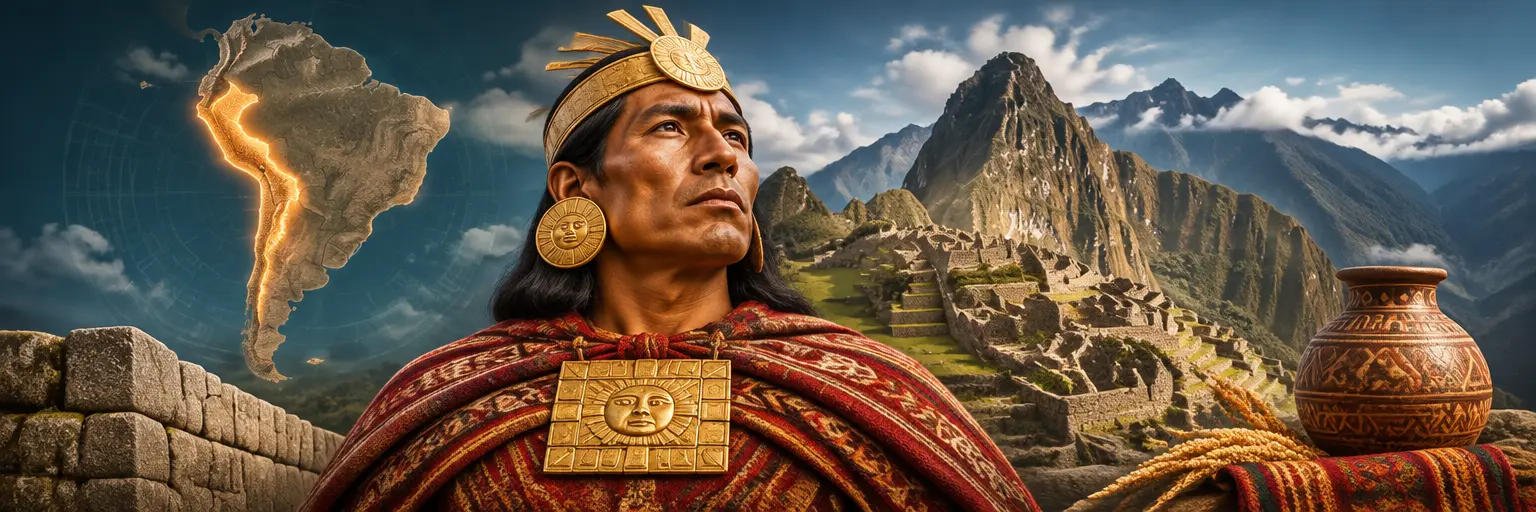
The Inca origin story is as fascinating as it is foundational. According to the official state myth, the sun god Inti sent his children, Manco Capac and Mama Ocllo, from the sacred waters of Lake Titicaca to find the promised land. They were instructed to travel until a golden staff sank into the earth, which happened in the fertile valley of Cusco. This narrative not only legitimized Inca rule as divine but also established the sacred geography of their capital. Understanding this myth is crucial for grasping Inca religious ideology and their self-perceived role as the "Children of the Sun" who were destined to civilize the Andes.
Historical scholars note that while the myth is symbolic, it aligns with archaeological evidence of early settlement in the Cusco Basin around 1200 CE. The story served as a political tool, unifying diverse ethnic groups under a single heavenly mandate. For visitors and researchers alike, this tale offers a gateway to comprehend the seamless blend of history and spirituality that defined Inca identity, making it an essential starting point for anyone exploring their origins.
🏞️ From Small Tribe to Regional Power: The Early Kingdom of Cusco
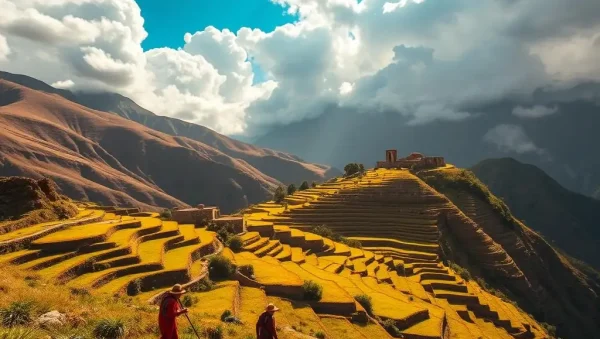
Before the vast empire, the Inca were just one of many small warring groups in the Andean highlands. This section traces their gradual rise from a localized curacazgo (chiefdom) under rulers like Sinchi Roca and Lloque Yupanqui, who focused on consolidating control over the immediate Cusco valley. During these early centuries, the Inca engaged in strategic alliances, intermarriage, and controlled warfare, carefully absorbing neighboring ayllus (kinship groups). They also adopted and refined irrigation techniques, terracing, and agricultural practices that would later sustain millions. This phase is critical to understanding their adaptive resilience and diplomatic acumen.
By the early 15th century, under Viracocha Inca, the kingdom had expanded beyond the valley but still faced existential threats from the powerful Chanca confederation. The famous Chanca War became a turning point, shaping both territorial boundaries and leadership succession. This era is rich with lessons on how environmental constraints, social organization, and military innovation empowered a modest highland group to outcompete larger rivals, setting the stage for unprecedented expansion under the later emperors.
⚔️ The Imperial Expansion: Pachacuti and the Rise of Tawantinsuyu
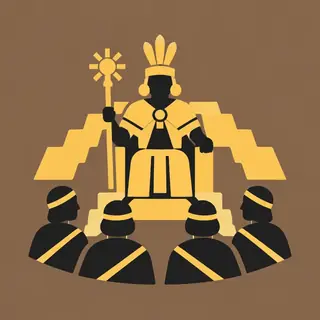
The true genesis of the Inca Empire, or Tawantinsuyu ("Land of Four Quarters"), is attributed to the ninth ruler, Pachacuti Inca Yupanqui. After repelling the Chanca invasion around 1438, Pachacuti transformed a defensive victory into a campaign of aggressive conquest. He restructured the state, introduced centralized administrative systems, and reimagined Cusco as a grand imperial capital with monumental architecture like the Korikancha and Sacsayhuamán. His vision, coupled with his son Topa Inca Yupanqui’s military brilliance, expanded the empire across modern-day Peru, Bolivia, Ecuador, and into Chile and Argentina. This period is marked by rapid integration of diverse cultures through forced resettlement, mitmaq policy, and the establishment of a vast road network.
The expansion was not merely territorial but also ideological. Pachacuti established a state religion centered on Inti worship, while tolerating local deities through a system of huacas (sacred shrines). This section dissects the logistics of empire-building: how the Inca managed communication, tribute, and cultural assimilation across 4,000 kilometers of rugged terrain. By understanding Pachacuti’s reforms, readers gain insight into why the Inca state became so resilient—and how its organizational genius influenced later governance in the region.
📜 Sources and Chronology: Unraveling Inca History without Writing
One of the greatest challenges in studying Inca origins is that they had no written script. Instead, they relied on quipus (knotted cords) for numerical record-keeping and oral traditions passed down through generations. This section explains how historians and archaeologists piece together chronology using Spanish chroniclers like Garcilaso de la Vega and Pedro Cieza de León, who recorded native accounts after the conquest. We also examine the role of pottery styles, carbon dating, and DNA analysis in confirming migration patterns and settlement timelines. The result is a dynamic, albeit debated, timeline that places Inca genesis around 1200 CE, with imperial consolidation in the 1440s.
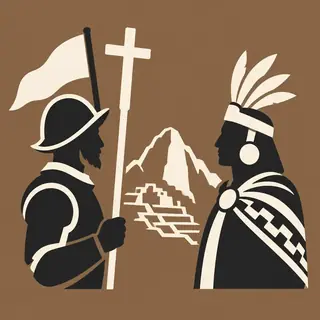
Readers will learn how to critically evaluate sources, recognizing biases in colonial documents while appreciating the wealth of indigenous testimony embedded within them. This section also covers the impact of the Spanish conquest (1532) on historical memory, as missionaries often erased or reinterpreted Inca traditions. By demystifying the source material, we empower you to separate myth from fact and understand the collaborative effort behind reconstructing this extraordinary civilization’s beginnings.
🌄 Legacy of Origins: How Early Inca Identity Shaped Modern Andean Culture
The origins of the Inca are not just ancient history; they continue to resonate in contemporary Andean societies. This section explores how pre-imperial myths, such as the Pachamama worship and the concept of ayllu (extended family community), persist in rural Peru and Bolivia today. The Inca’s origin narratives also influence modern political movements, like Peruvian indigenismo, which reclaims Inca symbols to assert national identity and indigenous rights. Furthermore, agricultural innovations from the early period—such as waru waru raised fields and andenes terraces—are being revived to combat climate change, proving the enduring utility of ancient knowledge.
For travelers and history enthusiasts, tracing these origins offers a richer appreciation of festivals like Inti Raymi, which reenacts the sun festival from Inca times. By connecting the past to the present, this section highlights how understanding origins is not merely academic but vital to cultural survival. We invite you to see the Inca not as an extinct civilization, but as a living lineage whose foundations continue to inspire resilience, identity, and innovation across the Americas.
Frequently Asked Questions
What is the earliest known archaeological evidence of the Inca?
The earliest evidence dates to around 1200 CE in the Cusco Basin, including the Qorikancha site foundations and early terraces near Sacsayhuamán. Pottery shards and stone structures from this period show a simple agricultural society. However, more substantial signs of state formation appear only after 1400 CE, aligning with the reign of Viracocha Inca and later Pachacuti.
Were the Inca originally from Lake Titicaca?
According to official Inca mythology, yes—Manco Capac emerged from Lake Titicaca. However, most archaeologists believe the Inca were actually a local highland group who adopted this myth to legitimize their rule. Early settlements near Cusco indicate a gradual migration from the surrounding Andes, not a grand arrival from the lake region, though cultural ties to Titicaca existed.
How many rulers were there before the empire became a superpower?
The Inca traditionally list eight rulers before Pachacuti, starting with Manco Capac and ending with Viracocha Inca. These early leaders were mostly local chieftains, and their reigns were shorter and less documented. It was the ninth ruler, Pachacuti, who decisively expanded the kingdom into an empire, making his reign the pivotal turning point.
Why did the Inca not have a writing system?
The Inca relied on quipus, a sophisticated system of knotted cords, for census, tribute, and calendrical records. This was sufficient for their administrative needs, as they had a highly oral and visual culture with quipucamayocs (record-keepers) who memorized narratives. Writing was not absent but was simply replaced by efficient mnemonic and numeric tools suited to their decentralized empire.
Can modern residents of Cusco trace their ancestry to the original Inca?
Yes, many contemporary Quechua-speaking communities in and around Cusco carry genetic markers linked to ancient Andean populations, including the Inca. However, centuries of Spanish colonization and migration have mixed lineages. Still, there are families who maintain oral traditions connecting them to Inca nobility, such as the Panaca descendants of Pachacuti, though such claims are hard to verify genealogically.