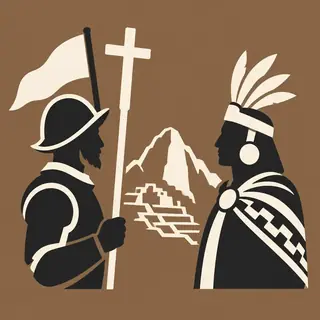
The Ayllu System: How Inca Social Structure Influenced Urban Design
The Ayllu system, a cornerstone of Inca social structure, significantly influenced urban design by promoting communal living and resource sharing. This structure…
Read article
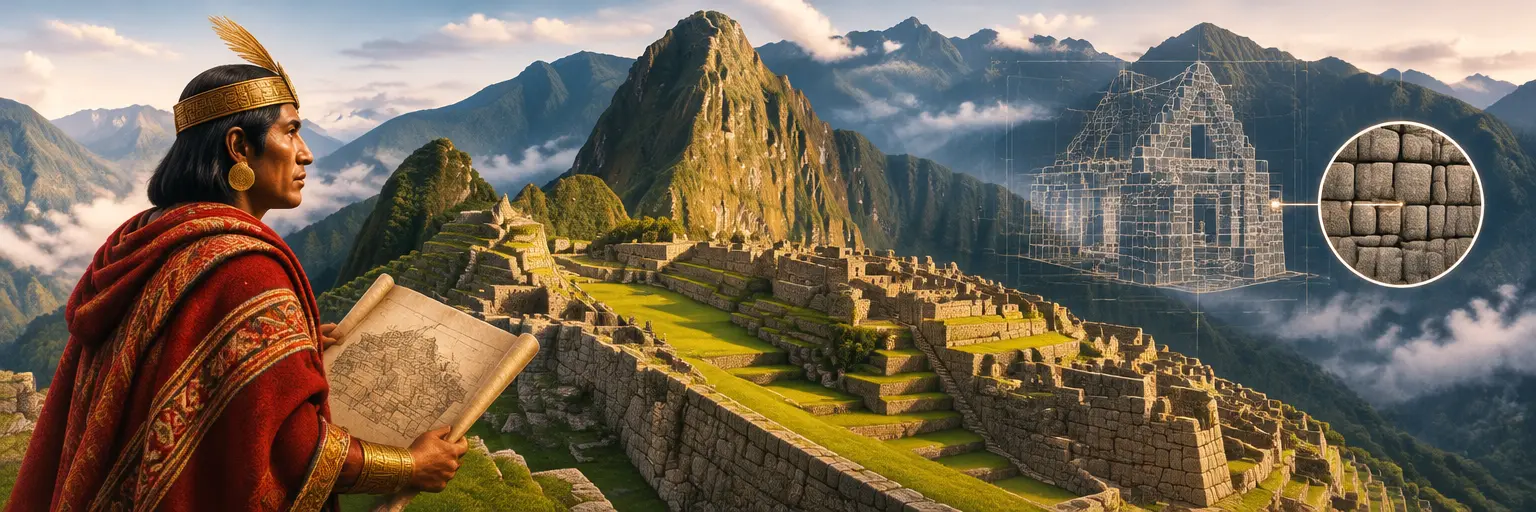
Explore the awe-inspiring world of Inca Architecture and Urbanism, where monumental stonework met celestial precision. The Inca Empire, the largest in pre-Columbian America, mastered engineering without mortar, creating seismic-resistant structures like Machu Picchu and Sacsayhuamán that still baffle modern experts. Their cities were not just functional—they were sacred landscapes, integrating huacas (holy sites) and agricultural terraces into a harmonious whole that mirrored their cosmovision. From the imperial capital of Cusco, designed as a puma shape, to the Qhapaq Ñan road network spanning over 30,000 kilometers, Inca urban planning showcased sophisticated water management, solar orientation, and social organization. Discover how their use of polygonal masonry, trapezoidal doors, and kancha compounds reflected both resilience and spiritual order. This deep dive reveals how Inca architecture was a physical manifestation of power, adaptability, and reverence for nature—a legacy visible in continuous use today, from earthquake-resistant foundations to modern Andean construction.
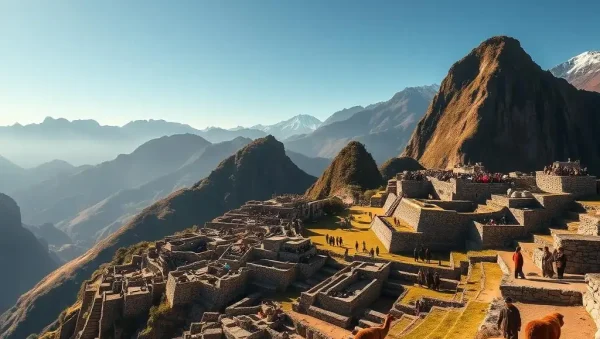
The Ayllu system, a cornerstone of Inca social structure, significantly influenced urban design by promoting communal living and resource sharing. This structure…
Read article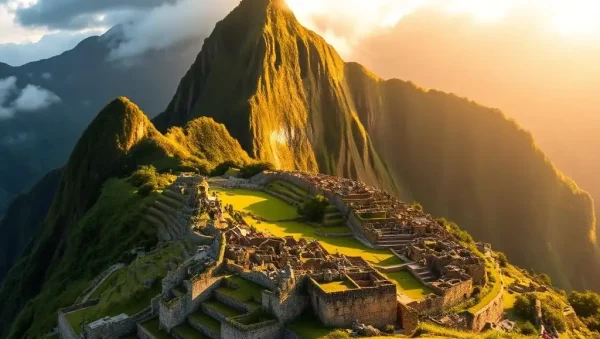
🌄 Inca architecture beautifully embodies spiritual beliefs and cosmology, showcasing how these ancient structures were not merely functional but deeply intertwined with…
Read article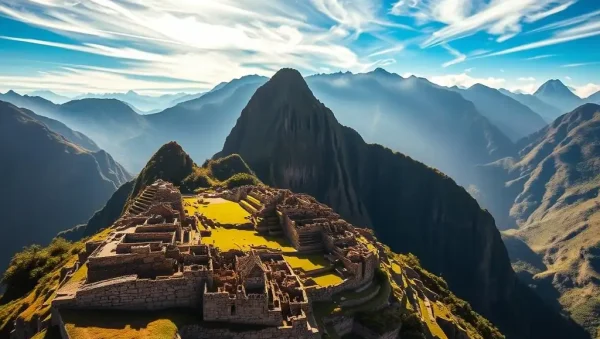
🏰 Inca fortress architecture features a blend of strategic design and monumental construction, showcasing the civilization's prowess in defense and power. These…
Read article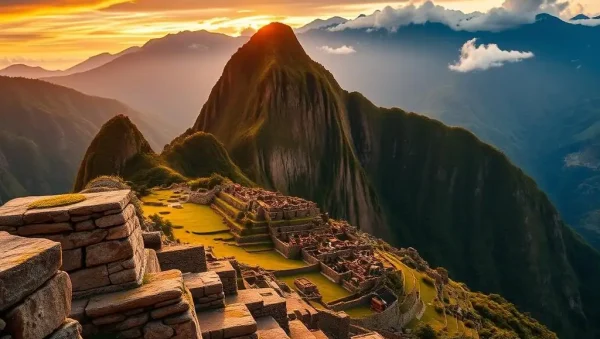
The interplay of Inca architecture and geography shaped monumental structures that harmonized with the Andes. By ingeniously adapting to their environment, the…
Read article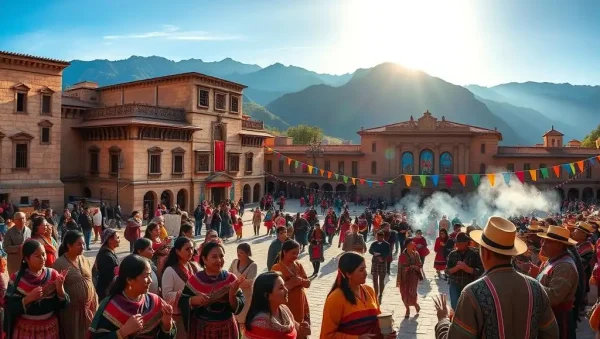
The Inca public spaces significance lies in their role as vibrant centers of community life, where ceremonies, gatherings, and social interactions fostered…
Read article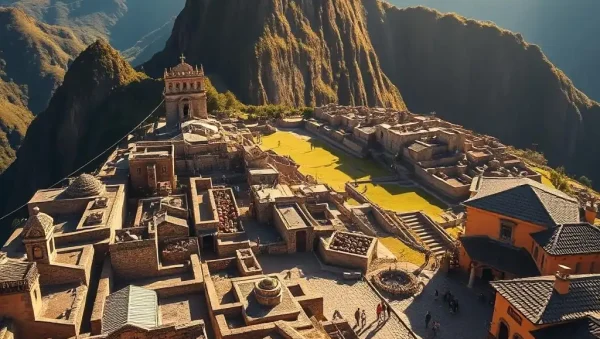
🌍 Explore the intricate Inca urban centers layouts, where Cusco stands as a testament to advanced engineering and societal organization. Delve into…
Read articleDive into the breathtaking built environment of the Inca Empire, where engineering brilliance met spiritual symbolism. From the sun-kissed citadel of Machu Picchu to the precise stonework of Cusco’s sacred precincts, this subcategory reveals how the Incas shaped mountains, valleys, and cities into a harmonious whole. Discover the construction techniques, urban planning principles, and ceremonial centers that still inspire architects and travelers today.
Inca builders achieved near-perfect fits with polygonal stones, often without mortar, using a technique called ashlar masonry. They shaped hard andesite and granite using bronze tools, stone hammers, and abrasive sand, then finely dressed each block to interlock with neighbors. This method created earthquake-resistant walls that have survived centuries, with joints so tight that a knife blade cannot pass between them.
Key architectural features include trapezoidal doors and niches, which widen at the base to distribute stress, and canchas—rectangular compounds housing multiple rooms around a central courtyard. The Incas also engineered sophisticated drainage systems and terraces, like those at Pisac, to manage water flow and prevent erosion. Such innovations demonstrate a deep understanding of geology and climate, ensuring longevity and functionality in diverse Andean environments.
The Incas designed urban spaces with cosmic alignment, positioning temples, plazas, and shrines according to solar and lunar cycles. Cusco, the capital, was laid out in the shape of a puma, with the fortress of Sacsayhuamán as its head and the Coricancha (Temple of the Sun) at its heart. These cities were not just residential but functioned as religious and administrative hubs, connecting the empire’s vast territories.
Machu Picchu, likely a royal estate, integrates natural rock formations with built structures, such as the Intihuatana stone used for astronomical observations. Other ceremonial sites like Ollantaytambo and Choquequirao showcase monumental terraces, sun temples, and carved water channels. Visitors can explore how these spaces facilitated rituals, agricultural production, and elite residences, all while maintaining a profound spiritual connection to the Andean landscape.
Inca urbanism extended seamlessly into agricultural infrastructure, with massive terraces (andenes) that transformed steep slopes into productive farmland. These terraces, supported by retaining walls of stone and packed earth, improved drainage, prevented soil erosion, and created microclimates for crops like maize, potatoes, and quinoa. The experimental terraces at Moray feature concentric circles that mimic different altitude conditions, possibly used for crop acclimatization.
Water management was equally advanced, with aqueducts, stone-lined canals, and reservoirs distributing irrigation across vast areas. At Tipón, a royal estate near Cusco, channels carry water through perfectly carved stones with high precision, feeding terraces and fountains. This integration of agriculture and urban design not only sustained large populations but also reinforced the Inca’s divine authority, as they were seen as providers who controlled nature’s forces.
Inca cities were meticulously planned, with standardized layouts featuring a central plaza, administrative buildings, and residential quarters divided by social status. The capital Cusco had a grid-like arrangement of streets radiating from the central Huacaypata square, while provincial centers like Huanuco Pampa mirrored this pattern. This uniformity facilitated governance, tribute collection, and the swift movement of armies and messengers.
The Qhapaq Ñan, a vast road system spanning over 30,000 kilometers, connected urban centers across the empire, from Colombia to Argentina. It included paved highways, suspension bridges, and waystations (tambos) for rest and supplies. These routes enabled rapid communication, trade, and cultural exchange, with Chasquis running relay to deliver messages. The road network remains a marvel of engineering, recognized by UNESCO as a World Heritage Site, and exemplifies the Inca’s ability to unify diverse regions under one administrative system.
Inca architecture was deeply infused with cosmological meaning, reflecting their worldview of a layered universe (hanan and hurin). Buildings were oriented to align with sacred mountains (apus), water sources, and celestial events, such as the June solstice sunrise. The Coricancha, for instance, had walls lined with gold to mimic the sun’s rays, while doorways were positioned to capture equinox light.
Every city and structure was considered a huaca—a sacred entity embodying spiritual power. The Incas used ceques, imaginary radial lines emanating from Cusco, to organize shrines and marker stones, mapping their ritual landscape. This fusion of architecture and religion strengthened social cohesion and imperial ideology, as subjects saw their rulers as intermediaries between earthly and divine realms. Understanding these symbolic layers adds depth to appreciating Inca ruins, transforming them from mere stones into tangible expressions of a profound civilization.
Machu Picchu is the most iconic, featuring dry-stone walls, terraces, and the Intihuatana stone. It showcases advanced engineering and celestial alignment, serving as a royal estate and ceremonial site. Its remote location and preservation make it a top archaeological treasure.
They shaped stones to interlock perfectly using bronze tools and abrasive sand, a technique called ashlar masonry. The tight fits allowed walls to flex during earthquakes, preventing collapse. This method required immense skill and labor, often involving hundreds of workers.
Terraces maximized arable land on steep slopes, prevented erosion, and improved water management. They created microclimates that extended growing seasons and supported diverse crops. They were essential for feeding large populations and also had ceremonial and aesthetic functions.
It enabled efficient communication, trade, and military movement across the empire. Relay runners, called chasquis, delivered messages rapidly. The roads also facilitated administrative control and the integration of conquered regions into the Inca state.
Yes, many sites are open to the public, including Machu Picchu, Cusco, Sacsayhuamán, Ollantaytambo, Pisac, and Moray. Guided tours explain construction, cosmology, and daily life. Sustainable tourism helps preserve these wonders, so follow local regulations.