The Role of Priests: Spiritual Leaders and Their Influence in Inca Society
Inca priests and their influence were pivotal in shaping the spiritual and social fabric of Inca society. Serving as intermediaries between the…
Read article
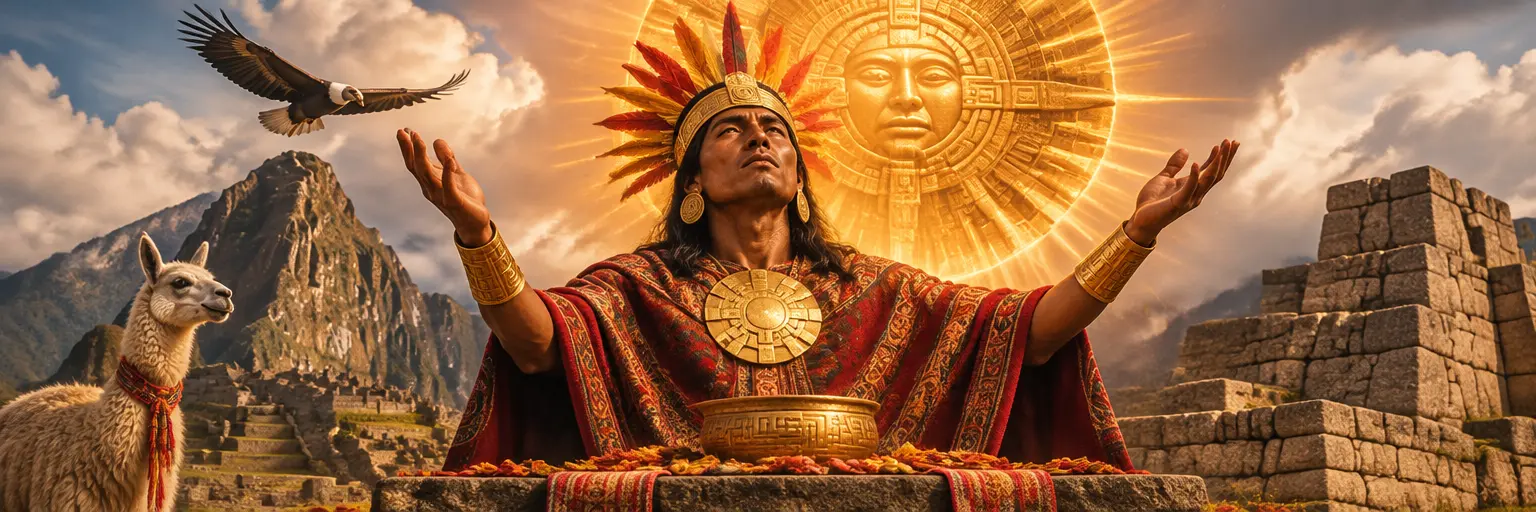
Discover the profound spiritual world of the Inca Empire, where religion and mythology wove seamlessly into every aspect of daily life, governance, and the cosmos. The Inca worshipped a rich pantheon of deities, led by the mighty sun god Inti, and revered sacred landscapes, from snow-capped peaks to mystical springs, as living embodiments of divine power. Their creation myths, such as the legendary emergence of the first Inca from Lake Titicaca, offer captivating insights into their origins and worldview. Explore how rituals, festivals, and offerings—including the famous Capacocha ceremonies—were meticulously performed to maintain cosmic harmony and appease the gods. Delve into the symbolism of the ceque system, a network of sacred lines radiating from Cusco that organized both space and spirituality. This fascinating blend of pantheism, ancestor worship, and celestial observation not only shaped Inca society but also left an enduring legacy in Andean traditions today. Perfect for history enthusiasts, myth lovers, and cultural explorers, this section illuminates the beliefs that powered one of history’s greatest civilizations.
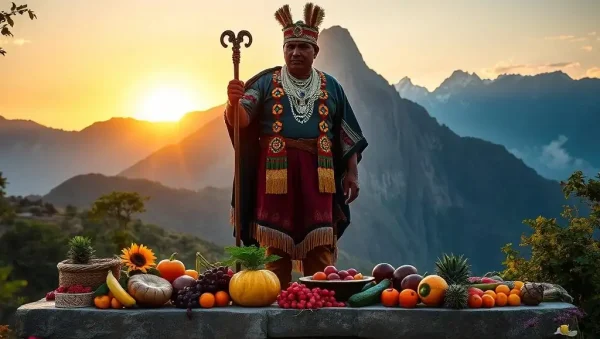
Inca priests and their influence were pivotal in shaping the spiritual and social fabric of Inca society. Serving as intermediaries between the…
Read article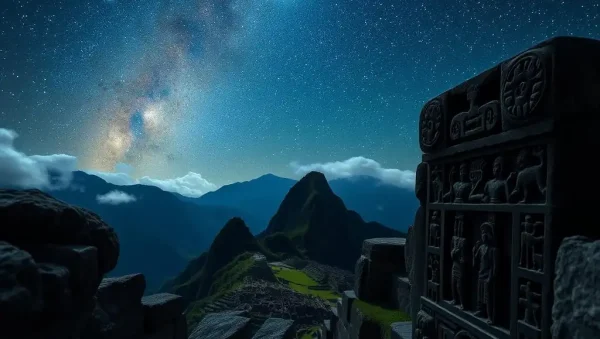
🌌 Inca cosmology and astronomy were deeply intertwined, reflecting the civilization's understanding of celestial bodies as divine entities. This connection shaped their…
Read article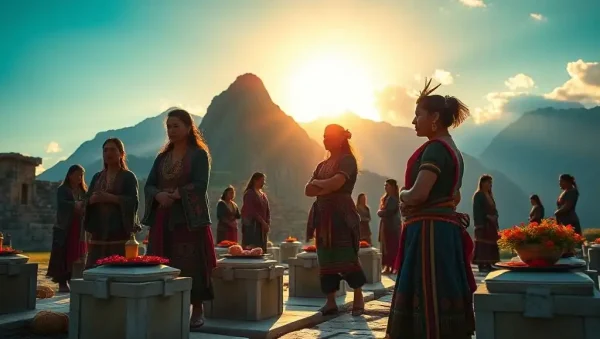
🌟 Inca female deities and priestesses played a pivotal role in shaping religious practices, embodying fertility, wisdom, and power. Their influence not…
Read article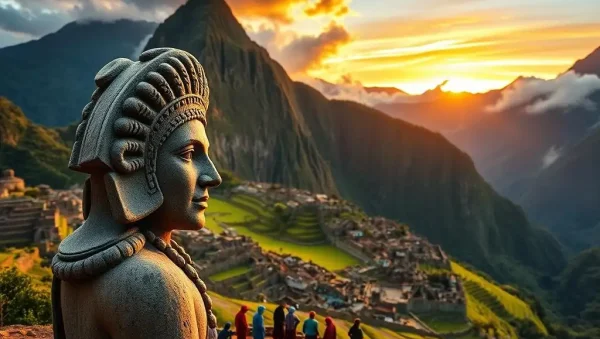
🌟 The Inca duality concept explained reveals the intricate balance between Hanan (the upper world) and Hurin (the lower world), illustrating how…
Read article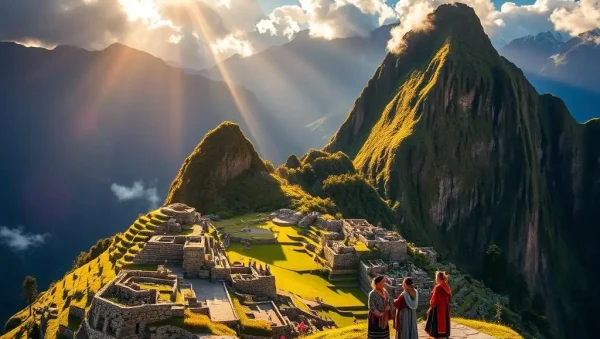
🌍 Inca creation myths and nature intertwine, revealing how the ancient civilization revered the natural world. These stories not only explain their…
Read article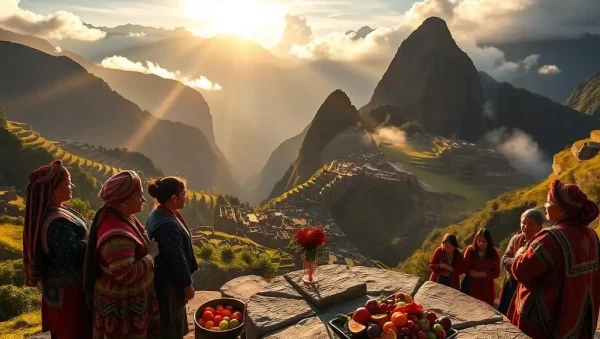
Inca myths and legends are not merely stories; they are the foundations of cultural identity, weaving together history, spirituality, and societal values…
Read articleDelve into the sacred beliefs that anchored the Inca Empire, one of the most sophisticated civilizations in pre-Columbian Americas. This subcategory illuminates how religion and mythology shaped every aspect of Inca life—from vast state ceremonies in Cusco to humble household offerings. Here, you will uncover a pantheon of deities, the celestial order of the heavens, and the profound connections between nature, ancestors, and imperial power. Optimized for enthusiasts, students, and travelers, this resource offers a vivid gateway into the spiritual core of Tawantinsuyu, the Inca realm.
At the heart of Inca religion was a complex hierarchy of deities, headed by Viracocha, the creator god, and Inti, the sun god and divine ancestor of the ruling lineage. These gods were not distant figures but active participants in daily life, demanding offerings, festivals, and precise rituals. Their worship was both state-driven and personal, with shrines (wak'as) dotting the landscape.
Readers will learn how each deity served a specific function—from Pachamama (Earth Mother) ensuring harvests to Illapa controlling thunder and rain. This section also explains the syncretic blending of local cults with imperial theology, showing how conquered peoples’ deities were incorporated into the Inca cosmic order. Expect detailed profiles, mythological narratives, and the symbolic meanings behind each god's representation in art and architecture.
The Inca perceived geography as sacred, with every mountain peak, spring, and rock formation potentially housing a spirit or being an ancestral huaca. This belief system transformed the Andes into a living map of ritual significance, where natural features were both temples and pilgrimage sites. The capital, Cusco, was designed as a puma’s shape, aligning with celestial and earthly energies.
Discover how the Inca used ceques—imaginary lines radiating from the Coricancha—to organize over 300 shrines into a spiritual grid. This section explores famous pilgrimage destinations like Machu Picchu and Mount Ausangate, where ceremonial platforms still bear witness to ancient rites. Learn how water management, agricultural terraces, and even road networks were imbued with religious purpose, ensuring harmony between human, nature, and the divine.
Inca ritual life followed a rigorous calendar of festivals, many tied to agricultural cycles and solar events. The grandest was Inti Raymi, the Festival of the Sun, held each winter solstice to renew the sun’s strength and affirm imperial legitimacy. Other ceremonies involved chicha (corn beer), coca leaves, and elaborate dances, all aimed at maintaining cosmic balance.
More solemnly, the Inca practiced capacocha, a state-sponsored rite involving the sacrifice of children and llamas, often on high mountain peaks. This section provides a respectful, historically grounded explanation of such practices, distinguishing myth from archaeological evidence. You’ll also learn about divination, fasting, and the roles of priests and mamacunas (chosen women), offering a nuanced view of how ritual sustained social order and appeased the gods.
Inca mythology explains the world’s creation through a series of cosmic ages, each ending in cataclysm. The central narrative involves Viracocha emerging from Lake Titicaca, calling forth the sun, moon, and stars, and then shaping humanity from stone. Another key tale recounts a great flood and the Ayar brothers emerging from caves to found Cusco, blending creation with dynastic origin.
This section unpacks these stories as both religious doctrine and political propaganda, showing how myths legitimized Inca rule over diverse ethnic groups. It discusses the pachacuti—a concept of world-reversing transformation—and how zodiac signs, lunar phases, and eclipses were interpreted. Expect a clear chronological narrative of creation, destruction, and renewal, including comparisons with Andean oral traditions that still survive today.
Animals held profound spiritual significance in Inca belief, serving as companions, omens, and messengers between worlds. The condor symbolized the upper realm (hanan pacha), the puma represented earthly power, and the snake embodied the underworld (uku pacha). These three creatures often appeared together in art, illustrating the tripartite division of Inca cosmos.
Discover lesser-known sacred animals such as the hummingbird, linked to the sun, and the jaguar, associated with shamanic transformation. This section explores how animal sacrifices, featherwork, and petroglyphs conveyed religious messages. It also touches on mythical hybrid beings like the amaru, a celestial serpent-dragon, and their roles in royal iconography and ancestral worship, giving readers a richer understanding of Inca spiritual ecology.
Inti, the sun god, was the most prominent deity in state religion, considered the direct ancestor of the Sapa Inca. However, Viracocha, the creator, held supreme creative power. The Inca blended both, with Inti receiving daily worship and Viracocha honored in creation myths and grand temples like Coricancha.
Yes, the Inca believed in an afterlife, but its nature depended on social status and morality. Nobles and sacrificial victims were thought to join the sun in the upper world (hanan pacha), while ordinary people might enter the underworld (uku pacha) or remain as spirits in their mummified bodies, which were venerated.
Human sacrifice, especially capacocha, served to honor gods during crises, royal deaths, or key calendrical events. It was seen as a reciprocal offering to ensure cosmic balance, good harvests, and imperial stability. Victims, often children or young women, were considered honored, not victims, and their sacrifice was believed to unite the empire.
The Inca practiced religious syncretism, allowing local deities and wak'as to be worshipped alongside state gods, provided that Inti and Viracocha were recognized as supreme. This policy reduced rebellion; conquered elites were often made priests of their own shrines, while Inca officials might send theirs to Cusco as hostages or integrate them into imperial festivals.
Absolutely. Many sacred sites remain well-preserved, including Machu Picchu, Sacsayhuamán, Coricancha, and Ollantaytambo. Visitors can observe astronomical alignments, ceremonial baths, and carved rocks. Respectful tourism is encouraged, especially during Inti Raymi (June 24) in Cusco, where modern reenactments honor ancient traditions despite their Catholic overlay.