Explore the Art and Culture of the Mayan Civilization
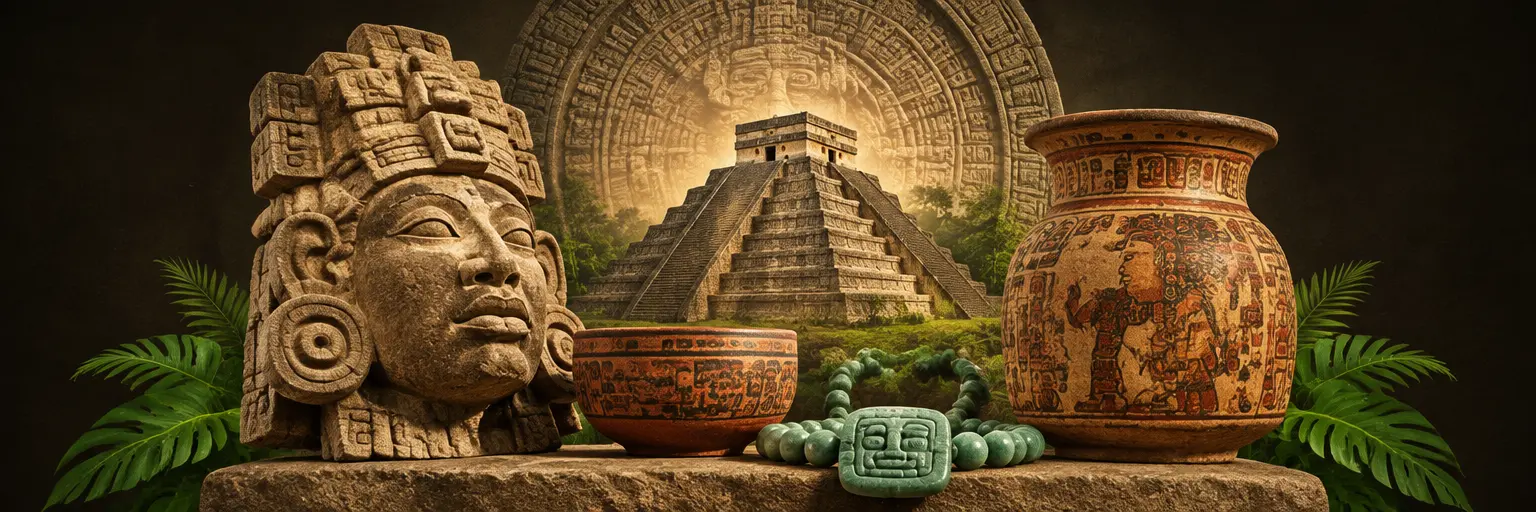
Step into a world where stone temples whisper stories, vibrant murals capture cosmic battles, and intricate jade masks reflect the divine. The Art and Culture subcategory of the Mayan Civilization on Indigenous Civilizations of the Americas unveils the aesthetic genius and symbolic depth of one of history’s most sophisticated societies. Here, you’ll discover how Maya art was not mere decoration but a powerful language of politics, religion, and identity, spanning over 3,000 years of creative evolution. From monumental architecture to delicate ceramics, this guide offers SEO-rich insights into the visual and performative traditions that still inspire artists and scholars today.
🏛️ Monumental Architecture and Sacred Spaces
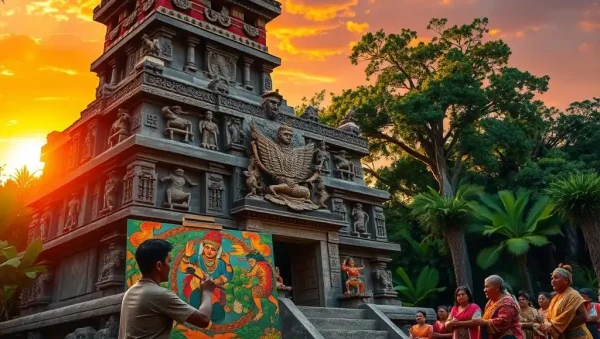
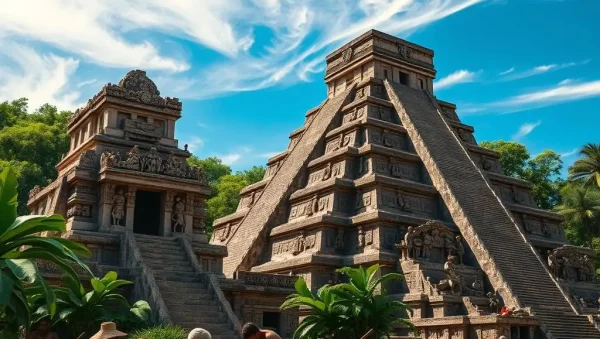
Maya architecture transcended mere construction—it was a cosmic map carved in limestone. Expect to explore the towering pyramids of Tikal, the ornate palaces of Palenque, and the observatories of Chichén Itzá, each aligned with celestial events. These structures were designed to communicate royal power and religious cosmology, with every stairway, façade, and corbeled vault bearing symbolic meaning. Sacred spaces like the E-Group complexes demonstrate advanced astronomical knowledge, while stucco friezes and roof combs added dramatic visual impact. Through detailed analyses, you’ll learn how urban planning integrated natural landscapes, such as cenotes, into ritual architecture, creating a unified sensory experience that reinforced social hierarchy and divine kingship.
This section also highlights regional variations, from the Puuc style's geometric elegance to the Rio Bec’s mock temples. You’ll gain practical knowledge about construction techniques, including the use of lime plaster and volcanic tuff, and how these choices affected durability and aesthetics. By understanding the symbolic layout of Maya cities, you can better interpret how public plazas hosted ceremonies that united thousands, and how acropolises served as royal residences. Whether you’re a student of archaeology or a travel enthusiast, this content equips you with the vocabulary to appreciate these wonders and the context to see them as living cultural artifacts, not just ruins.
🎨 Ceramics, Mural Painting, and Sculpture
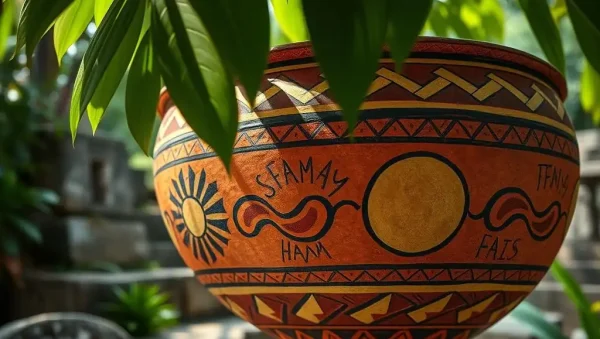
Maya ceramic art is a treasure trove of narrative and daily life. Here, you’ll examine polychrome vases depicting courtly scenes, mythological heroes, and the Maya underworld (Xibalba), often painted with glyphic texts that record historical events. These vessels were not only functional but also ritual offerings placed in royal tombs, providing modern scholars with invaluable data on trade, diet, and social status. Alongside ceramics, mural paintings from sites like Bonampak and San Bartolo reveal vivid color palettes and complex iconography, showing scenes of battle, sacrifice, and celebration with remarkable realism. Stone sculpture, including stelae and altars, immortalized rulers and their genealogies, often paired with Long Count dates that anchor historical chronology.
This content goes beyond aesthetics to explain the artistic workshop system, where elite artisans were patronized by royalty, and how styles evolved from the Preclassic to Postclassic periods. You’ll learn to identify key motifs, such as the Vision Serpent and Jaguar God, and their political uses. Additionally, we cover the impact of conservation efforts and looted artifacts on our understanding, making this a must-read for collectors, museum goers, and digital humanists. By the end, you’ll appreciate how these objects served as historical archives, preserving knowledge that codices could not, and how they continue to authenticate Maya cultural heritage in modern Maya communities.
📜 Codices, Hieroglyphic Writing, and Epigraphy
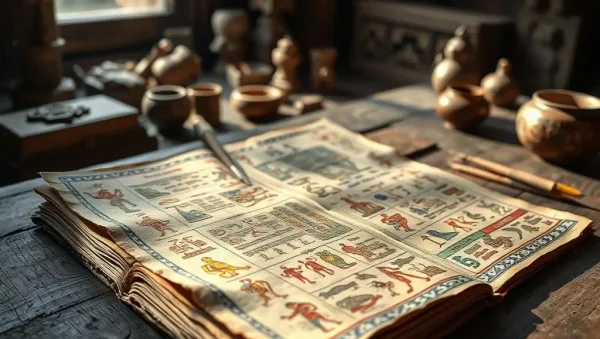
The Maya were one of only a few civilizations to develop a full writing system in the Americas. This section dives into the codices—folded bark-paper books such as the Dresden, Madrid, and Paris codices—that survived Spanish conquest. These manuscripts reveal advanced mathematical concepts, astronomical tables, and ritual calendars, all encoded in hieroglyphic script. You’ll explore the recent breakthroughs in epigraphy that allowed scholars to decipher royal names and dynastic histories, transforming our understanding of Maya politics. Expect explanations of syllabic and logographic signs, and how emblem glyphs identified city-states and their alliances, making this a cornerstone for anyone interested in ancient languages or writing systems.
Beyond the codices, this content examines monumental inscriptions on stairways, panels, and portable objects, which served as public records of victories, accessions, and rituals. We also address the role of scribes and artists who signed their works, offering rare glimpses of individual creativity. For digital researchers, we include practical tips on using online databases like Maya Hieroglyphic Database to cross-reference glyphs. This section is ideal for linguists, historians, and puzzle enthusiasts, as it demystifies the process of reading and interpretation while emphasizing the cultural continuity of writing. You’ll leave with a clear sense of how literacy was restricted but strategically used to legitimize power and record cosmic order.
💃 Performance, Dance, and Ritual Arts
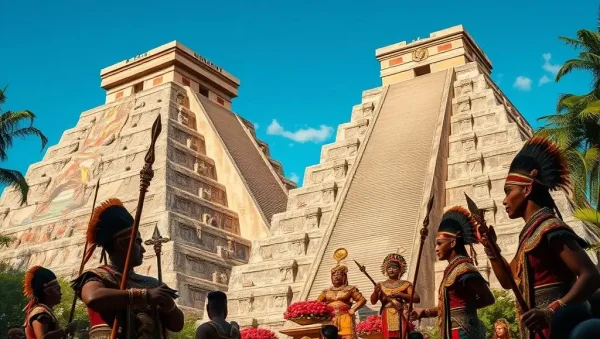
Maya culture was performative, with ritual dance, music, and theatrical reenactments central to political and religious life. Here, we uncover how rulers and priests used costumes of feathers, jade, and animal skins to embody deities, as recorded in murals and ceramic figurines. Instruments like the tun (drum), tortoise shell, and trumpets provided rhythm for processions and ballgame ceremonies. You’ll learn about the Maya ballgame (pitz) as a sacred ritual with symbolic death and rebirth themes, not just sport, and how its court architecture reflected mythological warfare. This section also covers auto-sacrifice and bloodletting rituals, where rulers pierced themselves to communicate with ancestors, a practice vividly depicted in art.
Expect insights into the seasonal festivals aligned with the agricultural cycle, where dance reinforced social cohesion and seasonal renewal. We analyze the Rabinal Achí, a surviving pre-Columbian dance-drama, to show how themes of captivity and sacrifice persist. For cultural practitioners today, this content offers a gateway to understanding how performance art was a tool for community formation and political persuasion. By studying the iconography of dance through time, you’ll see how movements and gestures encoded meanings, from fertility to warfare. This facet enriches your appreciation of Maya art as a dynamic, embodied tradition, bridging ancient practices with contemporary Maya revitalization efforts.
🌌 Symbolism, Iconography, and Cosmology in Art
Maya art is a visual encyclopedia of cosmology, where every animal, plant, and color carries layered meanings. This section focuses on iconographic analysis, explaining recurring symbols like the World Tree (Ceiba), the Sun God, and the Moon Goddess. You’ll discover how colors—red for the east, white for the north, black for the west, and yellow for the south—structured space and time, influencing artwork across mediums. The concept of dualism (life/death, light/dark) permeates Maya art, visible in skeletal imagery and flowering vines, reflecting the interconnectedness of realms. We also break down the calendar round and Lord of the Night deities, showing how artists encoded cosmological cycles in everything from quetzal feathers to jaguar spots.
For a deeper understanding, we provide comparative analysis with other Mesoamerican cultures, such as Teotihuacan and Zapotec, to highlight shared motifs and regional divergence. Practical resources include a glossary of major deities and their iconographic markers, useful for museum visits or academic study. This content also addresses how modern Maya artists reinterpret ancient symbols, bridging past and present. By mastering this symbolic language, you’ll unlock the ability to "read" Maya artworks beyond their surface beauty, grasping the philosophical depth that guided artisans. Whether you’re an art historian, spiritual seeker, or curious learner, this section transforms passive observation into active decoding of a rich visual tradition.
Frequently Asked Questions
What materials did the Maya use for their art?
Maya artists worked with local resources like limestone, jade, obsidian, clay, and stucco, often importing feathers and shells via trade. They used natural pigments from minerals and plants, such as cochineal for red and indigo for blue, applying them to pottery, murals, and sculptures. These materials were chosen for both durability and symbolic value, with jade representing life and preciousness.
How is Mayan art different from Aztec or Inca art?
Mayan art is distinguished by its extensive hieroglyphic writing integrated into visual pieces, its focus on historical rulers and dynastic events, and its complex calendrical references. Unlike Aztec emphasis on massive, militaristic sculptures and Inca geometric textiles, Maya art often features intricate, narrative scenes with a more naturalistic style, especially in mural painting and ceramics.
Can I see Mayan art in museums today?
Yes, major museums like the National Museum of Anthropology in Mexico City, the Museo de América in Madrid, and the Peabody Museum at Harvard house significant collections. Many artifacts are also in Guatemala and Honduras. Check online galleries for 3D scans and high-resolution images, but always verify provenance to support ethical repatriation efforts.
What does the Maya ballgame art tell us about society?
Ballgame art often depicts rulers in ceremonial regalia, scenes of sacrifice, and mythological battles, showing the game’s dual role in sport and ritual. It reveals social hierarchy, as only elites often played, and cosmological beliefs where the ball court symbolized the underworld portal. This art also records political alliances through court markers and victory monuments.
How did Spanish colonization affect Mayan art traditions?
Spanish conquest disrupted many art forms, as missionaries destroyed codices and suppressed rituals. However, Maya artists adapted by integrating Christian motifs while secretly preserving ancestral symbols in colonial-era churches and masks. Today, there is a revival movement among contemporary Maya artists who blend ancient techniques with modern media to reclaim cultural identity.