The Role of Cenotes in Mayan Urban Development: A Fresh Water Oasis
🌊 Cenotes in Mayan civilization served as crucial freshwater sources, shaping urban development and agricultural practices. These natural wells not only supported…
Read article
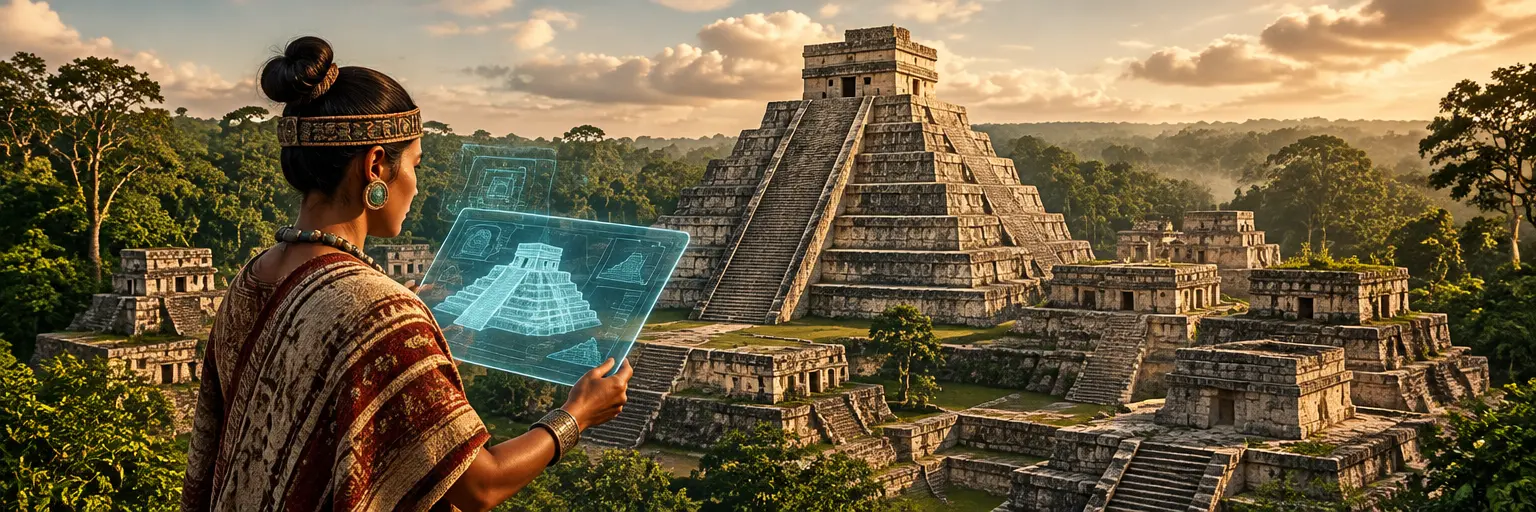
Explore the awe-inspiring world of Mayan architecture and urbanism, where towering pyramids, intricate palaces, and expansive plazas reveal a civilization that mastered both engineering and cosmic design. From the limestone causeways of Calakmul to the celestial alignments of Chichén Itzá, these cities were not just stone—they were living maps of the heavens, blending function with profound spiritual meaning. Discover how the Maya engineered advanced water systems, terraced agriculture, and monumental facades that still baffle modern engineers, while their urban layouts mirrored social hierarchies and astronomical cycles. Whether you’re fascinated by the corbelled arches of Uxmal or the vibrant stucco murals of Bonampak, this category dives into the symbolism, innovation, and daily life behind these ancient metropolises. Perfect for history buffs, travelers, and students of pre-Columbian cultures, our content sheds light on how Mayan cities harmonized with their jungle environment, creating sustainable hubs of trade, ritual, and power.
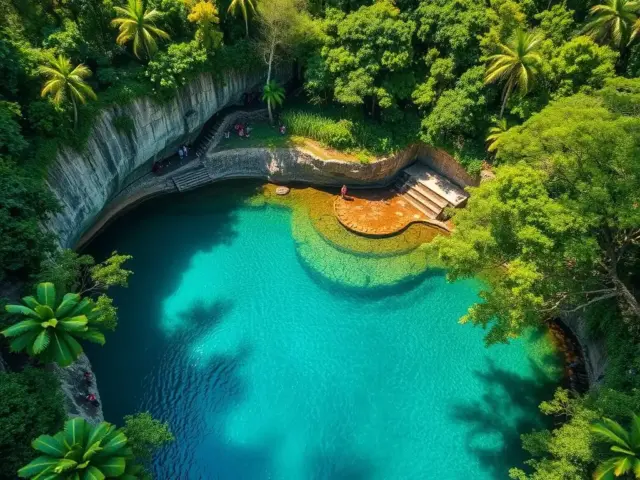
🌊 Cenotes in Mayan civilization served as crucial freshwater sources, shaping urban development and agricultural practices. These natural wells not only supported…
Read article
🏛️ The Ancient Maya sustainable architecture showcases innovative building techniques that harmonized with nature. By utilizing local resources and implementing eco-friendly practices,…
Read article
🌍 Uncover the secrets of Maya caves and ancient structures, where intricate designs and sacred spaces reveal the rich spiritual and cultural…
Read article
Discover the fascinating Maya architectural styles diversity, from grand palaces to monumental pyramids. This article delves into the unique features and cultural…
Read article
🌿 Maya architecture holds profound spiritual significance, reflecting the intricate beliefs and cosmology of ancient civilizations. These sacred spaces, from towering pyramids…
Read article
🌍 The evolution of Maya urbanism and city development showcases a remarkable transition from small, agrarian settlements to sprawling, sophisticated cities, illustrating…
Read article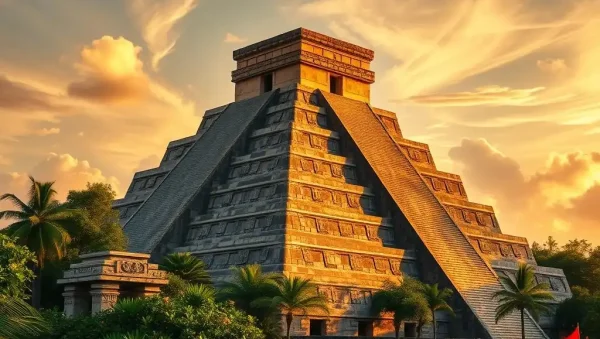
The Maya building techniques innovations showcase a remarkable mastery of stone and mortar, enabling the construction of enduring temples and cities. This…
Read articleDelve into the spectacular world of Mayan architecture and urbanism, where towering pyramids, intricate palaces, and sprawling city-states reveal the ingenuity of one of history’s most advanced civilizations. This subcategory uncovers the engineering marvels, ceremonial centers, and daily urban life that defined cities like Tikal, Palenque, and Chichen Itza. From sacred geometry to water management, discover how the Maya shaped their environment and built enduring monuments that still awe visitors today.
Mayan pyramids were not mere structures but cosmic anchors, aligning with celestial events and serving as stages for rituals. The stepped pyramids, such as El Castillo at Chichen Itza, showcase precise astronomical calculations—each side has 91 steps, totaling 365 with the platform, mirroring the solar year. Temples atop these pyramids were reserved for elite priests and rulers, often featuring corbeled vaults and carved lintels depicting dynastic histories. These constructions used local limestone, quarried and transported without wheels or pack animals, relying on sheer labor and sophisticated ramp systems. The acoustics in places like the Temple of Kukulkan produce eerie echoes, amplifying ceremonial sounds, which further enhanced their spiritual significance.
Visitors today can climb select structures, but conservation efforts now protect many. The La Danta pyramid at El Mirador remains one of the largest by volume globally, hidden in dense jungle until recent LiDAR scans revealed its scale. These temples functioned as political advertisements, each ruler adding layers to legitimize power. Decorative motifs—serpents, jaguars, and maize gods—linked rulers to divine forces. For those interested in pre-Columbian engineering, the precise talud-tablero style (sloping wall with a flat panel) influenced later Mesoamerican cultures, proving the Maya’s far-reaching architectural legacy.
Urban design rotated around expansive plazas, which were open-air spaces for public gatherings, ballgames, and marketplaces. The Great Plaza at Tikal, flanked by two great temple-pyramids, exemplifies this layout, with stelae honoring rulers and altars for sacrifices. These plazas were paved with lime plaster, reflecting sunlight to create a dazzling effect, and often featured carved stone monuments recording historical events. The ball court was a crucial ritual space, symbolizing cosmic struggle; its sloping walls and rings are visible in Copán and Uxmal. Plazas also served as astronomical observatories, with structures positioned to mark equinoxes and solstices.
Beyond ceremonies, plazas supported economic life—cacao, obsidian, and textiles were traded at temporary markets. Excavations reveal that plazas were periodically resurfaced, each layer covering earlier structures, signifying renewal. The E-Group complexes, found in many cities, consist of a western pyramid and eastern platform trio, aligning with sunrise points. These spaces were not empty voids but vibrant hubs, replete with residential palaces for nobles. Understanding these plazas helps reconstruct Mayan social hierarchy, where the elite controlled access and staged spectacles to reinforce their authority. Modern digital reconstructions allow virtual tours of these ancient arenas.
The Maya engineered impressive water storage systems, essential for surviving seasonal droughts in the Yucatán Peninsula. Cities like Tikal built reservoirs (aguadas) lined with clay and plaster, capturing rainfall from plazas and roof runoff. Underground cisterns, called chultuns, stored water for domestic use, while natural cenotes were revered as portals to the underworld. At Palenque, the Maya diverted the Otulum River through aqueducts and constructed an elaborate palace drain system, showcasing hydraulic expertise. These innovations supported large populations—estimates suggest Tikal housed up to 90,000 people at its peak, exceeding many medieval European cities.
Urban agriculture included raised fields in swampy areas, called chinampas-like systems, which increased fertility. The Maya also terraced hillsides and built check dams to control erosion. LiDAR studies reveal causeways (sacbeob) linking neighborhoods, with drainage channels beneath. Despite environmental challenges, these systems maintained resilience for centuries. However, climate change and deforestation contributed to societal collapse, a lesson in sustainability. Visitors to sites like Edzna can see the original reservoirs still holding water, while museums display pottery used in water storage. This engineering foresight remains relevant for modern urban planning.
Beyond grand temples, Mayan cities featured residential compounds varying by class. Elite palaces, like the Nunnery Quadrangle at Uxmal, had multiple rooms around patios, with stone benches and carved facades. Commoner homes, however, were perishable—wood and thatch—leaving little trace but known through postholes and foundation mounds. Urban layouts followed a grid pattern in some areas, with neighborhoods organized by kinship and occupation. The Chunchucmil site reveals dense settlement with economic specialization, including salt production and textile workshops. Social status was encoded in house size, decoration, and proximity to ceremonial centers.
Excavations of low-status dwellings show evidence of household rituals, such as buried offerings and shrine platforms, indicating religious practice wasn’t solely elite-controlled. Patio groups housed extended families, with cooking areas and storage pits. The causeway networks connected these zones, facilitating movement and communication. Recent studies using soil chemistry identify activity areas, from food processing to craft production. Understanding residential zones challenges the myth of empty ceremonial centers—rather, cities buzled with daily life, artisan workshops, and vibrant commerce, making Mayan urbanism a complex tapestry of social interaction.
Mayan architecture was deeply embedded in cosmological beliefs, with buildings oriented to cardinal directions and celestial events. The E-Group at Uaxactun, dating to 300 BCE, marks solstices and equinoxes, guiding agricultural calendars. Structures often had skylights (like at Palenque’s Observatory) to track Venus, the morning star linked to warfare. The Caracol at Chichen Itza, a circular observatory, aligns with the planet’s extremes. Carved facades—such as those at the Codz Poop in Kabah—depict Chaac, the rain god, with curled noses, invoking fertility. Motifs like feathered serpents and the World Tree appear on archways, representing cosmic connectivity.
The number 13 (heavenly levels) and 9 (underworld levels) recur in stair counts and designs. Buildings were intentionally placed to create sound effects, such as the quetzal bird call at El Castillo during applause, simulating divine presence. Doorways sometimes align with solstice sunsets, casting light through thresholds. These features were not decorative but functional, serving as calendars and sacred theaters. For visitors, understanding this symbolism transforms an archaeological site into a living Maya text, revealing how architecture encoded knowledge of time, weather, and dynasty.
Chichen Itza in Mexico’s Yucatán is the most iconic, featuring El Castillo pyramid, the Great Ball Court, and the Temple of Warriors. It’s a UNESCO World Heritage Site and one of the New Seven Wonders, attracting millions annually for its acoustics and equinox shadow phenomenon.
The Maya used stone tools—obsidian blades, basalt hammerstones—and wooden wedges. They quarried limestone blocks, then shaped them with harder stones. Labor was organized by corvée levies, and they employed ramps and levers to move blocks, showing advanced planning and social coordination.
They had deliberate planning, with ceremonial cores aligned to cardinal points and astronomical events. Causeways connected functional zones, and residential areas followed social patterns. Recent LiDAR shows extensive modifications—terraces, canals—proving systematic land management and city design.
Climate change, severe droughts, deforestation, and political fragmentation led to the decline between 800–1000 CE. Environmental degradation reduced agricultural productivity, while inter-city warfare and elite competition drained resources. It wasn’t a single event but a cascade of stresses, though many lowland cities continued.
Climbing is prohibited at most major sites (like Tikal and Chichen Itza) to prevent erosion. However, some smaller sites in Mexico or Guatemala allow climbs, such as Coba’s Nohoch Mul, where you can ascend 120 steps. Always check current park regulations.