The Decline of the Maya: Political Factors Behind the Civilization's Fall
🌍 The decline of the Maya civilization was not solely due to environmental factors; political instability played a crucial role. Internal conflicts,…
Read article
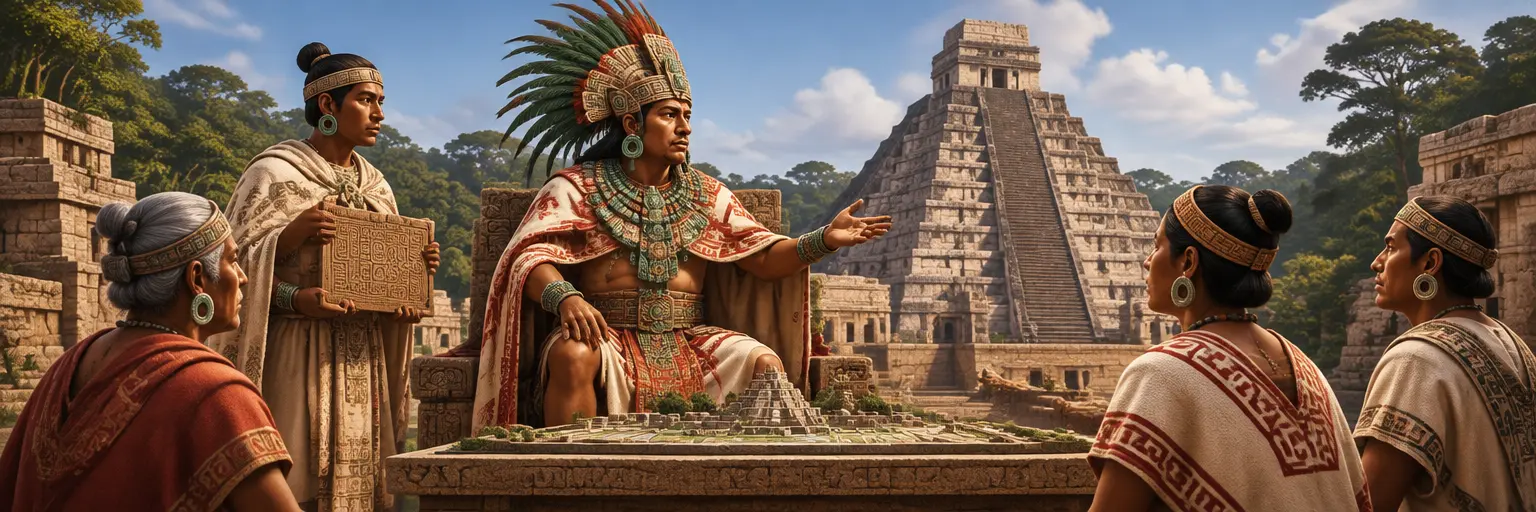
Explore the intricate political structure and governance of the Mayan civilization, a sophisticated system of city-states, dynastic rulers, and divine kingship that shaped one of history’s most advanced societies. Delve into how halach uinik (supreme leaders) and noble councils balanced power across sprawling urban centers like Tikal and Palenque. Discover the role of ajaw (holy lords) who mediated between gods and mortals, using monumental inscriptions and rituals to legitimize authority. Uncover the complex interplay of warfare, trade alliances, and tribute networks that defined Maya geopolitics, alongside decentralized governance in smaller polities. This page highlights the hereditary succession, administrative hierarchies, and judicial systems that maintained order, while examining how climate and resource pressures influenced political collapse. Perfect for students, enthusiasts, and researchers, this resource integrates archaeological findings and epigraphic evidence to reveal the resilience and adaptability of Maya statecraft.
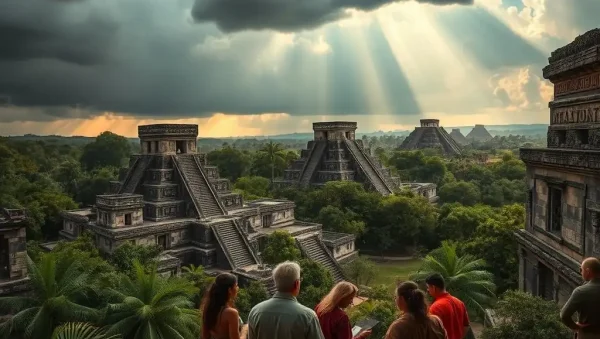
🌍 The decline of the Maya civilization was not solely due to environmental factors; political instability played a crucial role. Internal conflicts,…
Read article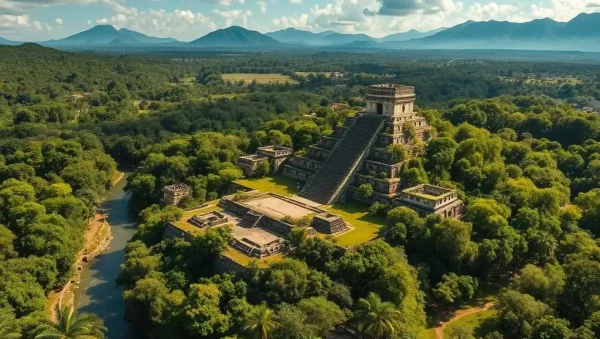
🌍 Understanding the influence of geography on Mayan political structures reveals how diverse landscapes shaped governance, resource distribution, and societal organization. This…
Read article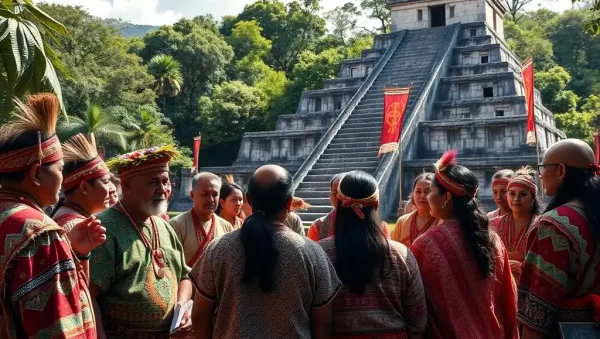
The enduring Mayan influence on indigenous governance is evident in the political structures of contemporary indigenous communities, showcasing a rich legacy of…
Read article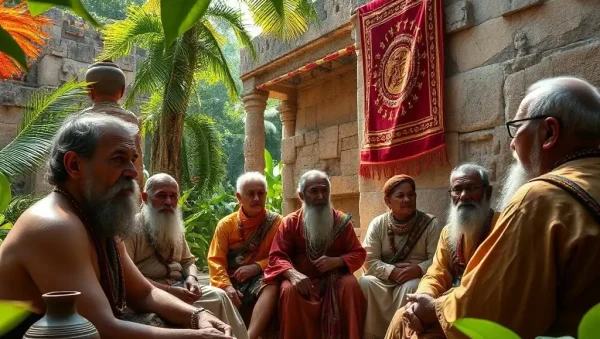
🌍 The Council of Elders played a pivotal role in shaping Mayan governance, as community leaders guided decision-making processes, preserved cultural traditions,…
Read article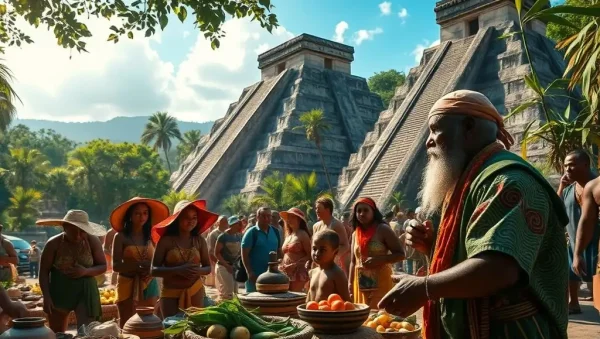
The article delves into Mayan economic systems and trade, revealing how tribute and commerce not only fueled prosperity but also solidified political…
Read article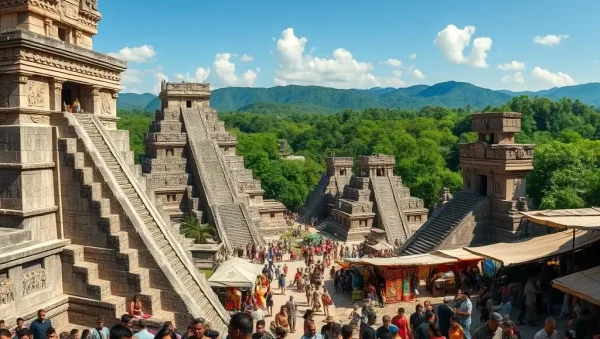
Delve into the intricate tapestry of Mayan governance regional differences, exploring how geographical and cultural factors shaped distinct political structures, social hierarchies,…
Read article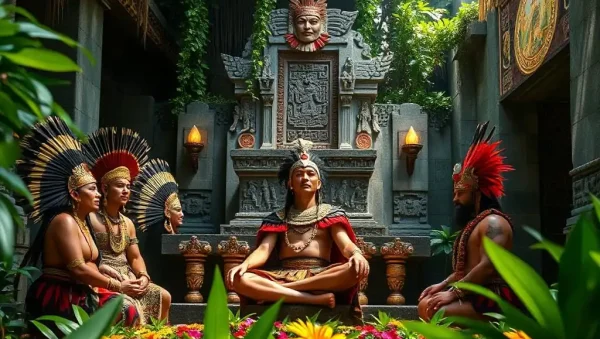
The role of the Ajaw exemplifies the Mayan kingship significance in culture, symbolizing divine authority and governance. This exploration reveals how these…
Read article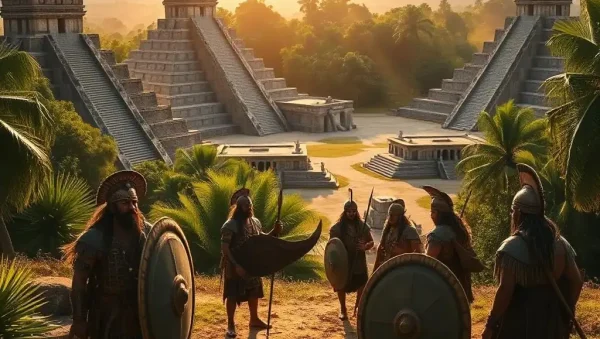
The Maya political landscape and warfare were intricately linked, with conflicts shaping not only territorial boundaries but also governance structures. This exploration…
Read articleDelve into the sophisticated political organization of the ancient Maya, a civilization renowned not for a single unified empire but for a vibrant tapestry of independent city-states, each ruled by divine kings and complex bureaucracies. This subcategory unravels the layers of power, from the halach uinic (paramount ruler) to regional councils, exploring how sacred authority, warfare, trade, and alliances shaped governance across the Yucatán, Guatemala, and Belize. Here, we examine the structures that enabled the Maya to thrive for over two millennia, leaving a legacy of administrative ingenuity and political ritual that continues to intrigue historians and archaeologists.
The heart of Maya governance was the kʼuhul ajaw, or holy lord, who was believed to embody divine lineage and mediate between gods and mortals. This ruler held supreme authority over religious ceremonies, military campaigns, and tribute collection, often performing bloodletting rituals to ensure cosmic order. The king’s palace served as both residence and administrative hub, where scribes recorded dynastic histories on stelae and codices, legitimizing his rule through ancestral connections.
Beyond ceremonial duties, the king oversaw the distribution of resources, such as cacao, maize, and jade, which built political loyalty among nobles. Succession was typically patrilineal, but royal women could hold power as regents or queens, as seen in Palenque’s Lady Yohl Ikʼnal. This divine authority, however, was not absolute—councils of nobles and high priests often advised the king, and failure in warfare or drought could lead to ritual sacrifice of rulers, reshaping the political landscape dramatically.
Unlike the Aztec or Inca, the Maya never formed a centralized empire. Instead, scores of independent city-states—from Tikal and Calakmul to Copán and Chichén Itzá—competed for regional dominance. These polities engaged in strategic marriages, tribute networks, and shifting alliances, often documented in glyphic texts that celebrate royal visits and matrimonial pacts. Rivalry frequently escalated into “star wars” timed to celestial events, where capturing a rival king was a high-stakes political act.
Economic interdependence also bound these city-states. Coastal hubs like Tulum controlled salt and fish trade, while highland cities managed obsidian and quetzal feathers. This decentralized system fostered cultural innovation, as each court sponsored its own artistic styles and astronomical records. Yet it also led to chronic instability, as smaller states were absorbed by or rebelled against their overlords, creating a constantly shifting mosaic of power that influenced every aspect of daily life, from tax burden to military obligations.
Beneath the king, a hereditary nobility—known as ahaw—held considerable sway, managing provincial territories, overseeing agricultural production, and leading local militias. High-ranking nobles served as sajals (regional governors) and aj kʼuhun (scribes and officials), forming a bureaucratic class that enabled state administration. Council houses, or popol nah, where elders and nobles convened, played a crucial role in decision-making, especially during succession disputes or external threats.
This bureaucracy extended to specialized roles: tax collectors, judges, and royal historians. Legal disputes were resolved through codified norms, with punishments ranging from fines to enslavement for serious crimes. The Maya also maintained detailed censuses and land records, often on bark-paper codices, to manage tribute. This administrative sophistication allowed city-states to mobilize thousands for monumental construction, as seen in the causeways of Caracol, while preserving social order through clearly defined ranks and reciprocal obligations between rulers and commoners.
War was not merely a means of territorial expansion but a fundamental political tool for legitimizing authority and acquiring sacrificial victims. Successful military leaders gained prestige, and captured nobles were often used as political pawns, either ransomed, imprisoned, or ritually executed. Fortifications, such as walls and moats at Becan, highlight the defensive nature of many polities, while weapons like atlatls and obsidian-edged swords indicate a dedicated warrior class.
However, warfare’s political function extended beyond conflict. Treaties and peace ceremonies were recorded on monuments, and alliances were solidified through the exchange of royal hostages. The famous “Tikal-Calakmul wars” demonstrate how proxy conflicts destabilized regions for centuries. Importantly, Maya warfare had a ritual dimension—kings personally led troops, and victory was seen as divine favor, which could be leveraged to quell internal dissent. This integration of combat and governance meant that military success often determined a ruler’s survival, as defeats could trigger palace coups or uprisings.
Economic control was central to Maya political power. Long-distance trade routes connected highland obsidian sources to lowland salt flats, while river systems like the Usumacinta facilitated canoe-based commerce. Rulers monopolized luxury goods—jade, quetzal feathers, and cacao—redistributing them to elites as symbols of status, thereby reinforcing political hierarchies. Market towns, such as the one at Tikal’s plaza, operated under royal supervision, with standardized measures for maize and beans.
These economic networks also influenced diplomatic relations. Tribute from conquered regions often included textiles, copal incense, and foodstuffs, which sustained royal courts and sponsored public feasts. Conversely, trade deficits could weaken a polity, as seen when Chichén Itzá’s dominance waned with changing maritime routes. For commoners, economic participation meant labor obligations, but it also provided access to imported goods, creating a rationale for political cohesion. Thus, governance and commerce were inseparable, with rulers acting as both political lords and chief merchants of their domains.
Maya rulers maintained power through a combination of divine legitimacy, military might, and economic control. They reinforced authority via monumental architecture, ritual spectacles, and dynastic marriages. Provincial governors, or sajals, enforced tribute collection and local justice, while trade monopolies on elite goods ensured loyalty. However, power was often decentralized, requiring constant renegotiation with noble councils and regional leaders.
There was never a single Maya government. Instead, the Maya consisted of numerous independent city-states, each with its own ruling dynasty. These polities interacted through alliances, warfare, and trade but were politically autonomous. At times, dominant cities like Calakmul or Tikal formed hegemonic spheres, yet they did not create a unified empire, unlike the Aztecs or Incas.
Religion was inseparable from politics. The king was considered a living deity, descended from gods, and performed rituals like bloodletting to ensure cosmic stability. Priests held high political offices, and temples served as administrative centers. Major decisions—wars, succession, or planting seasons—were often guided by astronomical observations and divine consultation, making religious authority a cornerstone of governance.
Succession was usually patrilineal, passing from father to eldest son, but could also go to brothers or nephews. Disputes arose frequently, leading to civil wars or coups. In some cases, noble councils selected a ruler or a regent ruled until a child came of age. Historical records show that disputed successions sometimes resulted in the fragmentation of city-states or intervention by rival powers.
Commoners had limited formal political participation but could influence governance through labor strikes or migration, which weakened rulers. They served as soldiers, laborers, and tax payers, and their support was vital for public works. In some polities, commoner headmen managed local villages, but overall, political decisions were firmly in the hands of hereditary elites and the divine king.