The Role of Elders: Guardians of Tradition and Knowledge
🌍 Indigenous elders play a vital role in preserving cultural traditions, serving as guardians of knowledge and wisdom. Their teachings not only…
Read article
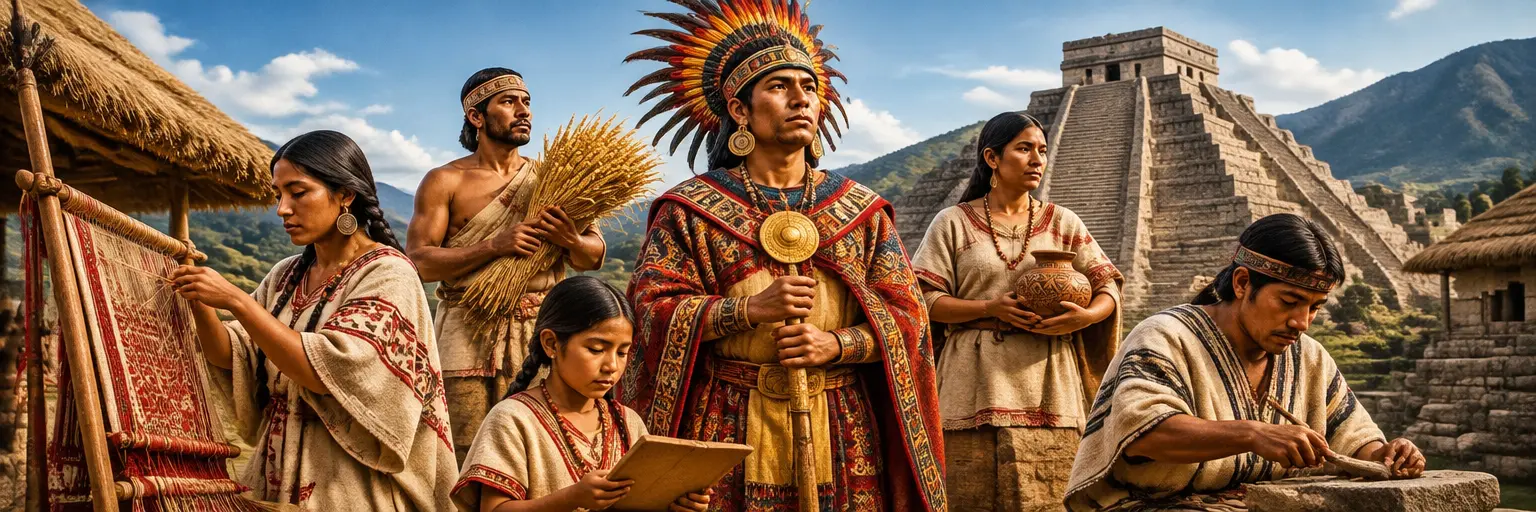
Explore the intricate tapestry of individual roles in society within the Indigenous Civilizations of the Americas, where every person’s purpose was deeply woven into the community’s spiritual, economic, and political fabric. From revered shamans and chiefs to skilled artisans, farmers, and warriors, each role carried distinct responsibilities that sustained entire cultures—from the Aztec and Maya to the Inca and Iroquois. Discover how leadership was often tied to lineage and divine mandate, while gender roles, age-based duties, and specialized trades shaped daily life and ceremonial practice. This rich system of interdependence not only ensured survival but also fostered innovation in agriculture, architecture, and governance. Uncover the nuanced status of elders as wisdom keepers, the strategic importance of merchants in long-distance trade, and the sacred duties of priests who bridged the human and celestial realms. By understanding these roles, you’ll gain a deeper appreciation for how indigenous societies balanced individual identity with collective harmony—a legacy that continues to influence modern perspectives on community, purpose, and respect for diversity.
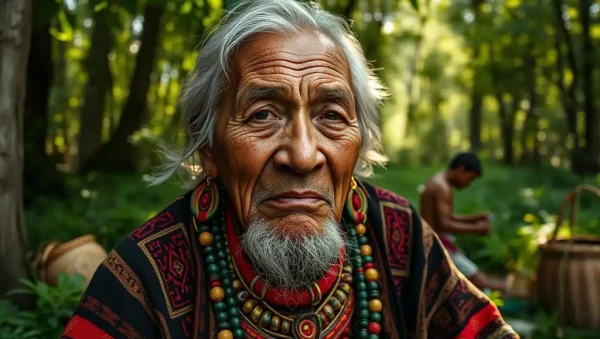
🌍 Indigenous elders play a vital role in preserving cultural traditions, serving as guardians of knowledge and wisdom. Their teachings not only…
Read article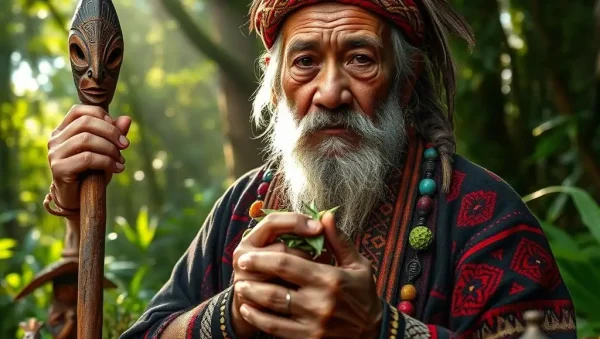
🌍 The role of spiritual leaders in indigenous cultures is pivotal, guiding communities through rituals, healing, and connection to the natural world.…
Read article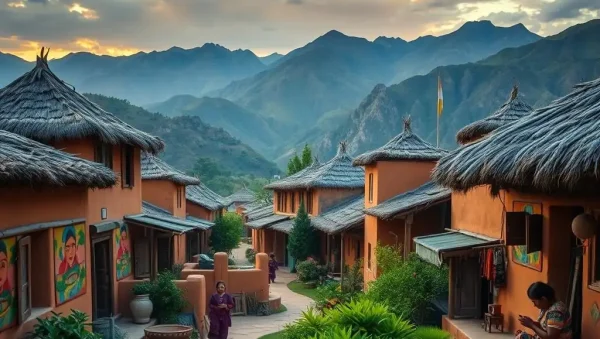
🌍 Indigenous architecture in the Americas reflects the ingenuity of early cultures, shaping community structures that fostered connection and sustainability. This article…
Read article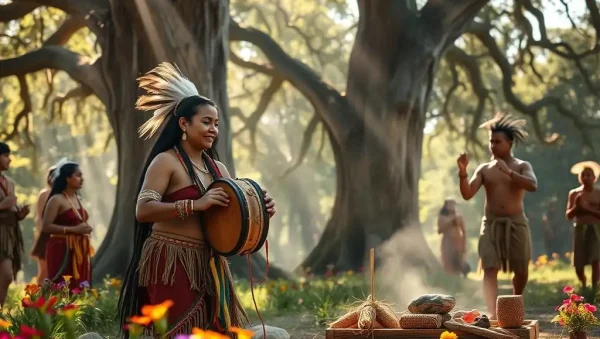
🌟 Indigenous spiritual practices in the Americas play a vital role in shaping cultural identity and community cohesion. This article delves into…
Read article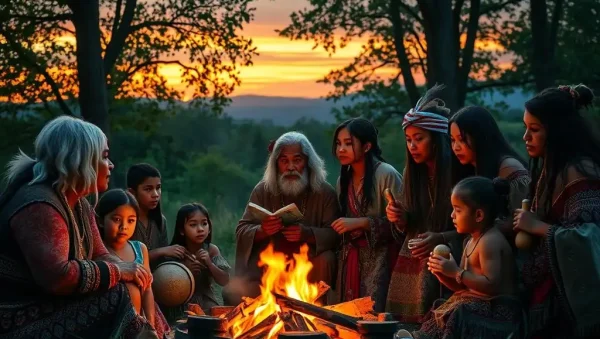
📜 Indigenous oral traditions preservation serves as a vital link to the rich cultures of pre-colonial America, allowing storytellers and historians to…
Read articleIn the rich tapestry of Indigenous civilizations across the Americas, the concept of individual roles was deeply interwoven with community survival, spiritual belief, and ecological balance. Unlike modern individualistic frameworks, these societies defined a person’s purpose through kinship, clan membership, age, gender, and acquired skills. This subcategory explores how each member—from the hunter and weaver to the healer and leader—contributed to a harmonious whole, revealing a sophisticated social organization that sustained vast empires and resilient nations for millennia.
Among the Aztec, Maya, Inca, and Iroquois, gender roles were complementary and essential, not hierarchical in the Western sense. Men typically engaged in hunting, warfare, and clearing land, while women managed agriculture, weaving, food preparation, and the preservation of seeds—a sacred act tied to fertility deities. For example, in Andean Quechua communities, women’s weaving was not merely domestic but encoded cosmological patterns, while men’s terrace farming secured water channels. These roles were flexible: widows or exceptional women could become warriors, and men could enter textile guilds.
Expect to uncover how task specialization boosted economic resilience. The Inca state, for instance, assigned mit’a labor rotations, where each household contributed workers for state projects, yet retained personal plots. Meanwhile, among the Cherokee, men’s hunting and women’s farming created a balanced diet and trade surplus. This section also highlights the parallel power structure: women held authority over domestic economy and lineage, while men led external affairs—a balance that European colonizers misread as inferiority, leading to centuries of misinterpretation.
Leadership was rarely autocratic; instead, it was a service role conferred by consensus, hereditary lines, or demonstrated wisdom. The cacique (Caribbean) or kuraka (Andean) managed resource distribution, mediated disputes, and led rituals, but their authority depended on generosity and reciprocity. The Iroquois Confederacy’s Hoyaneh (chiefs) were chosen by clan mothers, who could also depose them for failing their people. Similarly, Aztec tlatoani combined military and priestly duties yet consulted noble councils.
This section reveals the checks and balances within governance. For example, Maya ajaw (lord) ruled through celestial mandate but faced advisory councils of elders. In the Pacific Northwest, potlatch ceremonies allowed chiefs to redistribute wealth, reinforcing status through generosity rather than accumulation. Readers will learn how leadership roles were often gender-fluid: some societies, like the Tlingit, had female chiefs, while the Inca allowed coya (queens) to govern alongside their husbands, demonstrating that political power was a communal trust, not a personal right.
Shamans, medicine people, and priests held the pivotal role of mediating between the human, natural, and spirit worlds. The mapuche machi, Maya ajk’ij, and Inca wilaq uma were not merely religious figures but also botanists, psychologists, and astronomers. Their training included years of apprenticeship, fasting, and mastery of sacred plants like tobacco, coca, or peyote. They diagnosed illnesses as spiritual imbalances, performed soul retrievals, and set ceremonial calendars.
Expect detailed insights into how these roles ensured societal health. Among the Navajo, the hataalii (singer) performed complex chants to restore harmony, using sand paintings as healing maps. The Aztec ticitl (doctor-priest) combined prayer with herbal surgery, and the Inca used trepanation with astonishing survival rates. These individuals were also political advisors, as their divine insight legitimized rulers. This subcategory emphasizes that spiritual roles were not separate from daily life but formed the ethical backbone, guiding war decisions, planting seasons, and even marriage alliances.
Warriors and hunters were celebrated yet bound by strict codes of honor and restraint. The Aztec cuāuhocēlōtl (eagle and jaguar knights) earned rank through capturing prisoners for ritual sacrifice, while the Comanche and Lakota akicitas (police-warriors) enforced camp order and leading bison hunts. The Maya and Mixtec had elite military orders like the “clawed jaguars” who protected trade routes. These roles were often youthful, offering a path to social mobility for commoners.
This part explores the dual nature of these roles: protectors and expansionists. The Inca ñusta (princesses) sometimes led armies, while the Iroquois “women’s council” could veto war decisions. Hunting was equally sacred—for the Inuit, the umialik (boat captain) organized hunts with spiritual rituals to honor the prey’s spirit. Readers will see how martial roles were tied to age sets: young men entered warrior societies as rites of passage, but veterans transitioned to council elders, ensuring that aggression was tempered by wisdom.
Artisans and traders formed the economic arteries of Indigenous civilizations. The Maya and Aztec had pochteca (long-distance merchants) who were spies, diplomats, and providers of exotic goods like jade, quetzal feathers, and cacao. In the Andes, combi (llama caravanners) connected coast and highlands, while the Pueblo peoples traded turquoise and ceramics. Artisans—potters, metallurgists, feather-workers, weavers—often worked in guild-like clusters, with skills passed down within families or religious orders.
Here, discover how economic roles were imbued with prestige. The Inca aqlla (chosen women) wove fine textiles for state and religious use, while goldsmiths in Colombia’s Muisca created tunjos for offerings. Traders were exempt from some taxes but had to speak multiple languages and know calendars for market days. This section highlights how these roles created vast exchange networks that predated European trade, and how craft specialization contributed to the rise of urban centers like Tenochtitlan and Cusco, where artisans enjoyed high status and their products held spiritual as well as economic value.
Women commonly managed agriculture, food processing, weaving, and child-rearing, but they also held political power as clan mothers or queens. In many cultures, female roles were parallel to men’s, controlling household economies and influencing tribal decisions. Their agricultural skills, especially maize cultivation, were so vital that they were associated with earth goddesses.
Becoming a shaman typically required a calling, often through dreams, illness, or hereditary lineage. Initiates underwent rigorous training, including fasting, isolation, and learning herbal knowledge from elders. Among the Mapuche, the machi had to prove their abilities through a public ceremonial trial. The role was lifelong and required strict ethical conduct to maintain trust.
No, women often served as warriors, especially among the Plains tribes like the Crow and Cheyenne. They took on hunting and combat roles alongside men, and some, like the famous Gi’tso, earned eagle feathers for bravery. The Iroquois allowed women to nominate warriors and hold veto power over war parties, proving that martial roles were not exclusively male.
Chiefs were responsible for leading councils, redistributing tribute, settling disputes, and ensuring communal welfare. They did not rule by force but through consensus and moral authority. Iroquois chiefs could be removed by clan mothers, while Inca kurakas had to maintain storehouses for famine periods. Leadership was a duty, not a privilege.
Trade specialists like the pochteca or Andean combi facilitated not only goods but also technology, religious ideas, and artistic styles. For example, cacao moved from Maya lands to Mexico, while copper from the Great Lakes reached the Southeast. These networks enabled linguistic exchange and diplomatic alliances, proving that economic roles were foundational to pan-American cultural unity.