Ancient Rhythms: The Role of Music in Andean Societies
🎶 Andean music holds profound cultural significance, serving as a vital expression of identity, spirituality, and community cohesion in ancient societies. This…
Read article
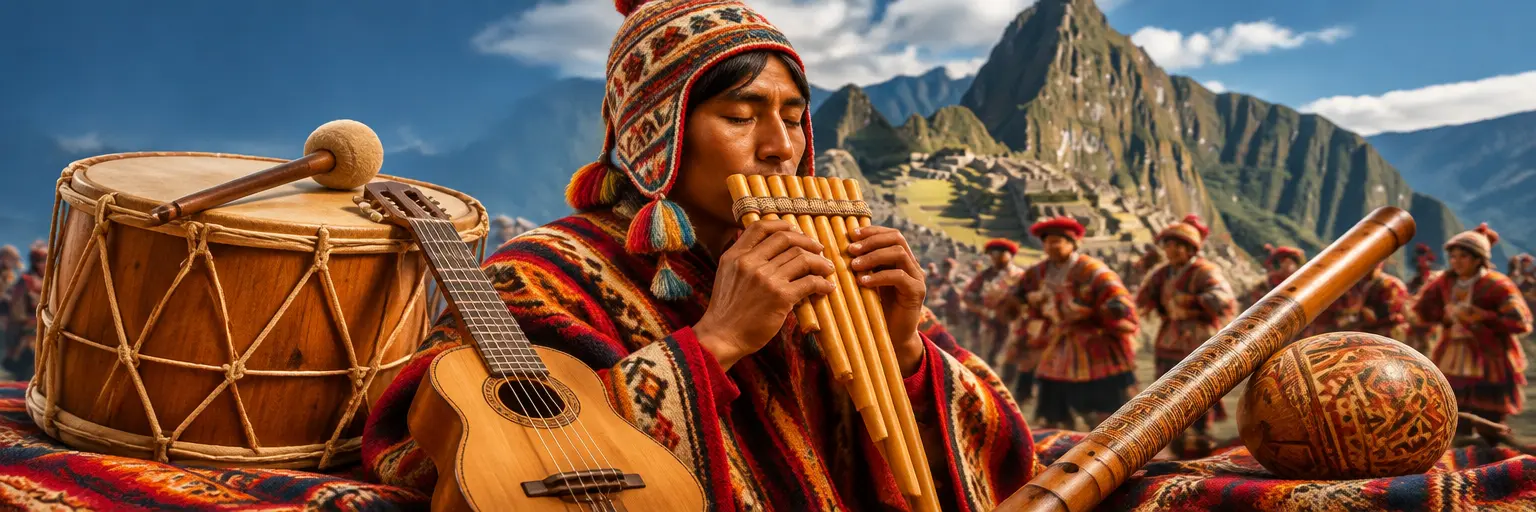
Explore the soul-stirring sounds of Music and Andean Instruments, a vital thread in the tapestry of Indigenous civilizations across the Americas. From the haunting echoes of the pan flute and the resonant drone of the charango to the rhythmic pulse of drums and rainsticks, these melodies were—and remain—a powerful medium for storytelling, spiritual ceremony, and daily life. For the Inca, Quechua, Aymara, and other Andean peoples, music wasn’t mere entertainment; it was a bridge to the divine, a chronicle of communal memory, and a tool for agricultural and astronomical knowledge. Discover how these ancient acoustic traditions continue to influence modern world music, preserving an irreplaceable heritage. Whether you’re a musician, a cultural enthusiast, or a curious traveler, our deep dive reveals the craftsmanship, symbolism, and enduring legacy of these extraordinary instruments—each note carrying the heartbeat of resilient cultures that predate European contact. Uncover the melodies that still resonate from the high peaks to the valleys, offering a timeless connection to the past.
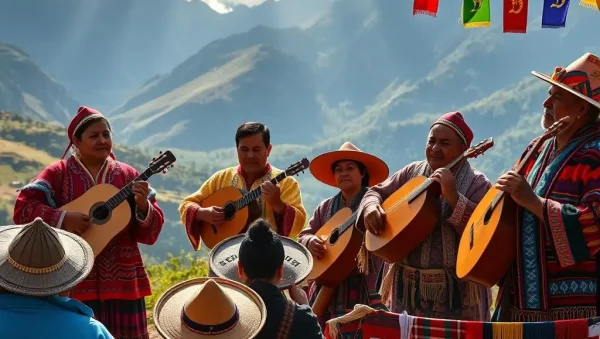
🎶 Andean music holds profound cultural significance, serving as a vital expression of identity, spirituality, and community cohesion in ancient societies. This…
Read article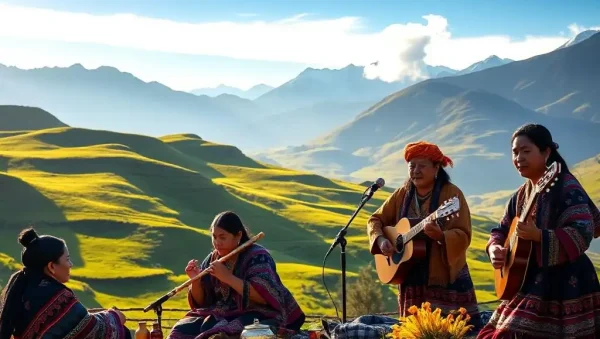
🎶 Andean music healing traditions, rooted in ancient practices, continue to thrive today, offering transformative experiences that connect individuals to their cultural…
Read article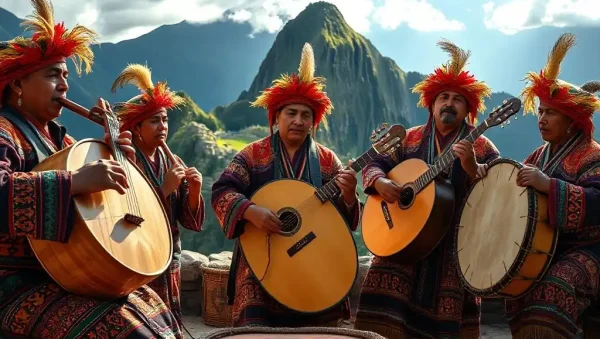
🎶 Discover the rich tapestry of Inca musical traditions and instruments, revealing how ancient sounds shaped their culture and society. Explore the…
Read article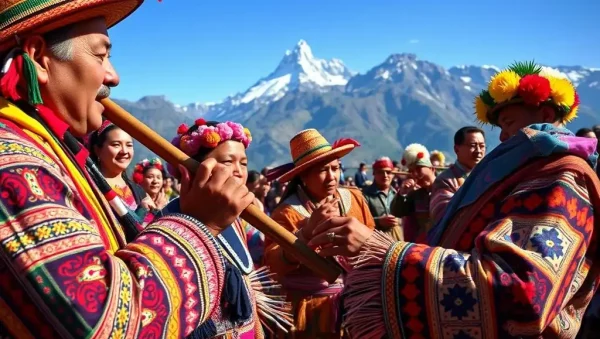
🎶 Discover the rich tapestry of Andean traditional music genres, where ancestral rhythms and melodies echo the vibrant cultures of pre-colonial societies.…
Read articleDive into the vibrant world of Music and Andean Instruments, a cornerstone of Indigenous Civilizations of the Americas. Here, you will discover how sound was not mere entertainment but a sacred language—woven into rituals, agriculture, warfare, and daily life. From the haunting panpipes of the high Andes to the rhythmic drums of Mesoamerica, this subcategory unpacks the craftsmanship, spiritual meaning, and enduring legacy of native musical traditions. Perfect for enthusiasts, students, and cultural explorers, our content brings ancestral melodies to life through historical context, instrument guides, and regional variations.
Music in indigenous societies was a bridge to the divine and a tool for social cohesion. The Andean world viewed sound as a way to communicate with Pachamama (Mother Earth) and mountain spirits (apus). Ceremonies like the Inti Raymi (Sun Festival) combined flutes, drums, and vocals to synchronize community energy with cosmic cycles. Meanwhile, Mesoamerican cultures used music to accompany human sacrifices and royal processions, believing certain rhythms could open portals to the underworld.
Our guides explain how each instrument’s material—bamboo, clay, bone, or wood—carried symbolic weight. For instance, the quena (notched-end flute) was associated with the wind and male energy, while the zampoña (panpipes) represented duality and the balance of opposites. By understanding these roles, you’ll grasp why music was as essential as food or shelter in these civilizations, shaping everything from child-rearing to statecraft.
Get up close with the most famous Andean instruments, each with unique construction and sound. The quena, traditionally carved from a single piece of bamboo, produces a breathy, melancholic tone that mimics human crying—ideal for love songs and funeral laments. The zampoña, made of multiple tuned pipes tied together, is played in pairs to create interlocking melodies, symbolizing communal harmony. The charango, a small lute with a body often made from an armadillo shell, adds a bright, percussive quality to festive music.
We offer detailed diagrams, audio samples, and step-by-step tutorials on playing techniques, from breath control for the quena to the “picado” strumming style of the charango. You’ll also learn about lesser-known instruments like the wankar (huge war drum) and the pututo (conch shell trumpet) used in Andean religious rites. For artisans, we include resources on sourcing sustainable materials and traditional carving methods that have been passed down for centuries.
Indigenous music is not monolithic—it varies dramatically across geography. The Altiplano (high plains of Peru and Bolivia) favors high-pitched, fast-paced ensemble music using panpipes and drums for harvest festivals. In contrast, the Amazon Basin relies on percussive instruments like the manguaré (slit drum) and seed shakers, with vocal chants imitating animal spirits. Coastal cultures, such as the Moche and Nazca, used clay whistles and ocarinas that could produce two tones at once, a technique still studied by modern acousticians.
Our regional breakdown helps you identify distinguishing features: the use of pentatonic scales in the Andes versus the more varied tunings of lowland tribes. We also highlight the Mapuche of Chile, who use a kultrún (drum) and trutruka (long trumpet) in their healing ceremonies, and the Guarani of Paraguay, whose mbaracá (rattle) drives ceremonial dances. This geographic lens reveals how environment shapes musical expression—a core theme of our site.
Discover the ingenuity behind indigenous instrument building, from pre-Columbian methods to modern adaptations. The quena was traditionally notched using a hot stone, and the player’s breath was considered a gift to the spirit held within the bamboo. Panpipes required meticulous tuning by cutting each reed to a specific length, with the smallest pipes producing the highest pitches. Drums were made by stretching llama, deer, or jaguar skin over carved wooden hoops, often painted with symbolic patterns.
We offer practical guides for DIY enthusiasts, including how to source bamboo responsibly and make your own zampoña using PVC piping as a modern substitute. For historians, we trace changes post-European contact—such as the introduction of metal strings to the charango—and how indigenous artists have reclaimed ancient designs. Sustainability is a key focus: many communities now grow their own wood and use traditional glues from tree sap, ensuring that this heritage continues without harming the environment.
Despite centuries of colonization, indigenous music has survived—and even thrived—as a symbol of resistance. Today, groups like Los Kjarkas and Alborada blend traditional Andean sounds with modern rock or electronic beats, reaching global audiences. Festivals such as Cusco’s Inti Raymi and La Paz’s Alasitas feature massive performances where entire communities dress in ancestral regalia and play together, reinforcing identity and pride. We also cover educational initiatives, like rural music schools in Peru that teach q’ero children to play the wila kantu (a large panpipe), ensuring the next generation stays connected to its roots.
Our content includes interviews with contemporary master musicians, links to recordings, and lists of cultural centers where you can experience live performances. By highlighting the political and social dimensions of music—how songs have been used to protest mining in Bolivia or to preserve Quechua language—we show that indigenous music is not a relic but a living, evolving force. This section aims to inspire respect and support for indigenous artists, encouraging listeners to seek out authentic recordings and attend community-led events.
The quena (bamboo flute) is the most widely recognized, but the zampoña (panpipes) is equally iconic. Both are used extensively in Andean folk music, often together. In modern settings, the charango is also popular due to its portability and bright timbre. However, the “most common” varies by region; for example, drums dominate in Amazonian groups.
Yes! Many websites and YouTube channels offer free video lessons on the quena, zampoña, and charango. Starter kits with plastic instruments are affordable, and our site provides downloadable fingering charts and practice exercises. For advanced techniques, consider online courses from institutions like the Conservatory of Music in Cusco, which offer virtual classes.
Absolutely. In highland communities like the Q’ero in Peru, the pampapiano (a large panpipe) is played during Pachamama offerings and solstice ceremonies. The pututo conch shell is blown to call community meetings. These practices are not tourist shows—they are living traditions performed with deep spiritual intent, often closed to outsiders except during special festivals.
Drums in the Andes typically use llama or alpaca skin stretched over a hollowed log or clay base. In lowland regions, deer, peccary, or monkey hides are common. Some pre-Columbian drums used human skin in rare sacrificial contexts, though this is no longer practiced. Modern makers often substitute synthetic drumheads for durability.
Many contemporary genres—like Andean folk-rock, chicha (Peruvian cumbia), and nueva canción—borrow heavily from indigenous scales, rhythms, and instruments. Artists like Sixto Palavecino and Mercedes Sosa used traditional sounds to protest social injustice. Today, genres like ayahuasca music and neo-folklore fuse ancestral melodies with electronic beats, keeping the heritage alive for new generations.