Exploring North American Indigenous Spirituality
North American Indigenous Spirituality represents a profound, diverse tapestry of beliefs, rituals, and worldviews that have shaped the continent for millennia. This subcategory delves into the sacred traditions of First Nations, Native American, and Métis peoples, emphasizing their deep connection to the land, ancestors, and the cosmos. Here, you will discover how spiritual practices are not separate from daily life but interwoven with healing, governance, and ecological stewardship. From the Great Plains to the Arctic, each nation offers unique ceremonies and philosophies that continue to inspire and guide modern Indigenous communities.
🌿 Core Beliefs and Cosmology
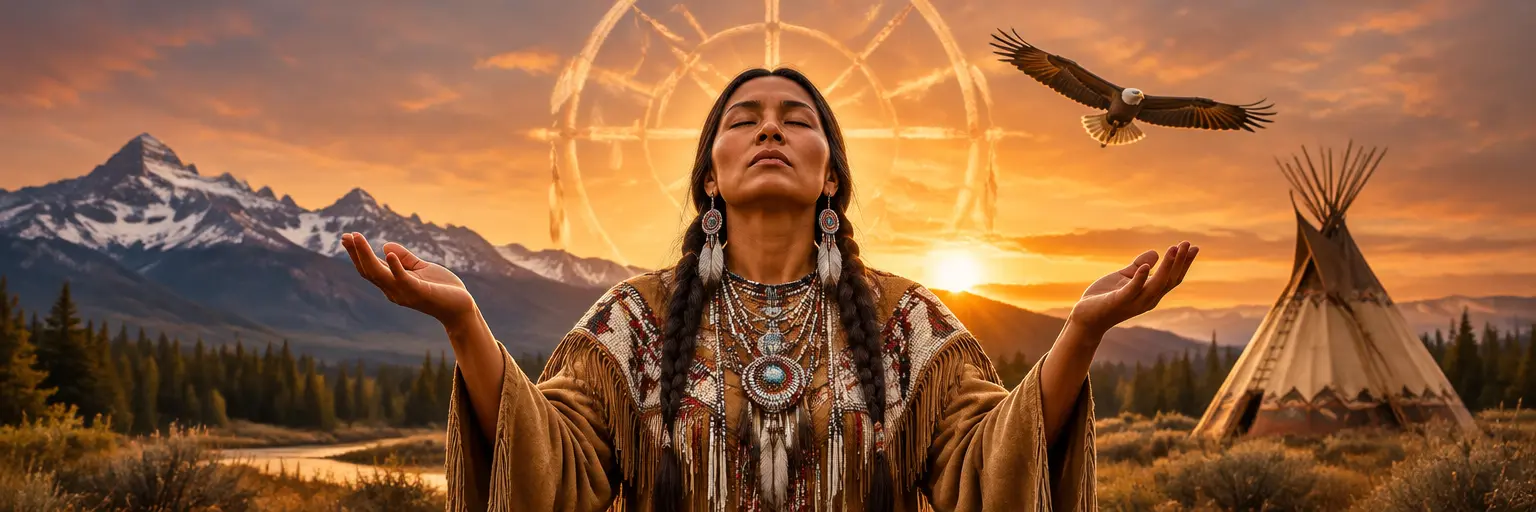
Explore the foundational spiritual concepts that unite and differentiate Indigenous nations across North America. Unlike linear Western views, many traditions perceive time as cyclical, with natural seasons and celestial events guiding rituals. Central to these cosmologies is the belief in a web of interconnectedness—where humans, animals, plants, and even stones possess spirit or consciousness. The Great Spirit, often called Wakan Tanka (Lakota) or Gitche Manitou (Anishinaabe), is a pervasive life force, not a distant deity. You will learn about the importance of balance, reciprocity, and the sacredness of four directions, which orient both physical and spiritual life.
Key elements like the Medicine Wheel symbolize this harmony, mapping mental, physical, emotional, and spiritual dimensions. By understanding these core beliefs, you gain insight into why land isn’t just property but a relative to be respected. Expect to find explanations of origin stories, such as the Earth Diver and the Sky Woman narratives, which provide moral frameworks and explain seasonal cycles. These cosmologies are not static; they adapt while maintaining ancestral roots, offering a resilient worldview that prioritizes relational accountability over dominance.
🦅 Sacred Ceremonies and Rituals
Ceremonies form the heartbeat of Indigenous spirituality, serving as living conduits for healing, thanksgiving, and community bonding. This section details the purpose and protocols of major rituals like the Sweat Lodge (Inipi), Sun Dance, and the Vision Quest. Each ceremony is meticulously structured, often involving fasting, prayer, and the use of sacred objects like tobacco, sage, or sweetgrass. For example, the Sweat Lodge is a purification rite where participants endure heated stones and water to cleanse body and spirit, while the Sun Dance—practiced by Plains nations—is a multi-day test of endurance and sacrifice for the good of the tribe.
Seasonal and life-cycle rituals are equally vital, marking harvests, births, and transitions into adulthood. You’ll discover the role of drumming and singing, which are considered prayers with the power to align heartbeats with the Earth’s pulse. The ceremonial use of peyote within the Native American Church, however, remains a legally protected but often misunderstood practice. Expected content includes step-by-step descriptions of ritual protocols, the significance of the circle, and the strict rules of gender roles and elder guidance. Emphasis is placed on the fact that many ceremonies are closed to outsiders, respecting their sacredness and intellectual property.
🕯️ Healing Practices and Medicine Traditions
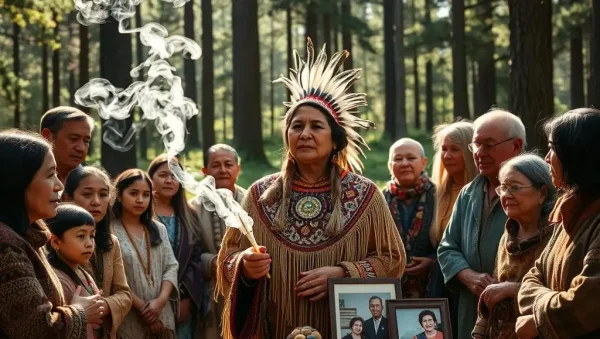
Indigenous spirituality is deeply intertwined with holistic healing, addressing mental, physical, and spiritual ailments simultaneously. This subcategory examines the role of medicine people, shamans, or healers who are trained through years of apprenticeship and spiritual insight. Herbal remedies are paired with prayers, smudging rituals, and energy work to restore balance. For instance, white sage is burned to clear negative energies, while cedar and tobacco are offered to honor spirits. The Medicine Bag, often containing personal sacred items, is a private but powerful symbol of protection and identity.
Community wellness is the goal, not individual cure. Modern Indigenous health centers increasingly integrate these traditional practices with Western medicine, recognizing their efficacy in treating trauma, addiction, and depression. You’ll learn about the concept of “historical trauma” and how spiritual healing addresses intergenerational wounds from colonization. The revitalization of language and ceremony is seen as a public health intervention. Expect discussions on the debate over cultural appropriation versus sharing, emphasizing that genuine healing requires proper protocol and community consent. This knowledge empowers you to view health as a communal, sacred responsibility.
🌍 Environmental Stewardship and Earth Relations
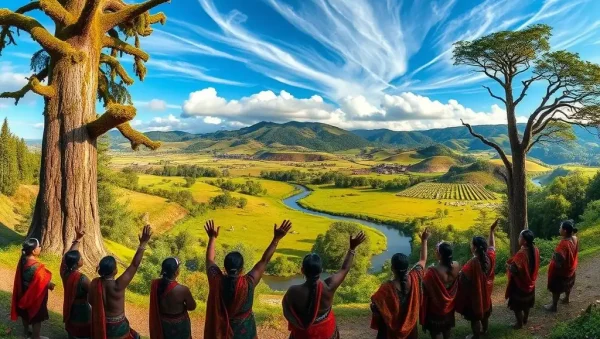
Indigenous spirituality offers a profound ecological ethic, viewing the Earth as a living mother who provides sustenance and guidance. This section highlights how spiritual beliefs translate into sustainable practices, such as controlled burning, seasonal hunting limits, and the protection of water as a life-giving relative. The concept of “land-based education” is explored, where children learn spiritual lessons through direct interaction with natural environments. Ceremonies like the Green Corn Dance express gratitude for harvests and reinforce communal laws about sharing resources.
Sacred sites are more than geographical landmarks—they are altars where prayers ascend and history resides. Examples include the Black Hills (Pa Sapa) for the Lakota and the San Francisco Peaks for the Hopi, which face threats from mining and recreation. This spiritual connection has fueled modern environmental activism, such as the Standing Rock protests against the Dakota Access Pipeline. You will learn how Indigenous leaders invoke treaty rights and spiritual mandates to advocate for climate justice. By understanding this worldview, you see that environmental destruction is not just ecological but also a spiritual rupture, demanding both policy change and personal reverence.
📜 Resilience and Contemporary Relevance
Despite centuries of forced assimilation, residential schools, and the outlawing of ceremonies, Indigenous spirituality persists and adapts. This subcategory highlights survival strategies, including underground ceremonies, oral transmission, and the revival of suppressed languages. Today, many nations blend traditional practices with Christianity, creating unique syncretic faiths like the Native American Church or the Ghost Dance’s modern interpretations. Legal milestones, such as the American Indian Religious Freedom Act (1978), have partially restored rights, but ongoing struggles remain over sacred lands and the right to use eagle feathers or peyote in rituals.
Urban Indigenous communities now create new spiritual hubs, using virtual gatherings and intertribal pow wows to maintain connections. The role of women and Two-Spirit individuals is increasingly recognized, challenging patriarchal distortions introduced by colonialism. You’ll find case studies on how spiritual leaders address modern crises—mental health epidemics, substance abuse, and the search for identity among youth. The resilience is not mere survival but a vibrant reclamation of agency, proving that these ancient paths offer timeless guidance. This content emphasizes respect, the importance of consent when participating, and the ongoing need for allyship without appropriation.
Frequently Asked Questions
Is it appropriate for me to participate in Indigenous ceremonies as an outsider?
Generally, many ceremonies are restricted to community members or require an explicit invitation from spiritual leaders. Some open events, like intertribal pow wows, welcome respectful observation. Always ask for permission and defer to local protocols. Never attend a closed ceremony, as this violates sacred boundaries and contributes to cultural appropriation. Educate yourself first on the specific nation’s rules.
What is the difference between a shaman and a medicine person?
“Shaman” is a broad term from Siberian origins, often misapplied to any Indigenous healer. In North America, “medicine person” or “healer” is more accurate, even though roles vary by nation. Medicine people are trained through lifetime apprenticeships, spiritual experiences, and community validation. They do not advertise services and often require a referral. Using the local term is a sign of respect.
Can I practice smudging at home if I’m not Indigenous?
Smudging with sage, sweetgrass, or cedar is a sacred purification practice with specific rules and prayers. While it has become commercialized, ethical practice involves sourcing these plants sustainably and understanding their meaning. To honor the tradition, learn from Indigenous educators, avoid overharvesting white sage, and always state your intent respectfully. Many nations prefer education over imitation.
How does Indigenous spirituality relate to environmental activism?
For many Indigenous peoples, the fight for land and water is a spiritual duty. Sacred sites are considered living relatives, and desecration is seen as violence against both nature and community. This relationship motivates legal battles, protests, and education campaigns. Spirituality provides moral authority and cultural resilience, making activists deeply committed to protecting the Earth for future generations.
Are there books or online resources to learn more without being intrusive?
Yes. Start with works by Indigenous authors like Vine Deloria Jr., Robin Wall Kimmerer, and Leslie Marmon Silko. Institutional websites like the National Museum of the American Indian or tribal cultural centers offer curated content. Virtual tours and webinars led by community educators are respectful options. Always check that resources are created or reviewed by Indigenous peoples, not outsiders without consent.