Resource Management in Indigenous Civilizations of the Americas
Welcome to our deep dive into Resource Management within the category Society and Culture—a cornerstone of how Indigenous peoples across the Americas sustained thriving civilizations for millennia. This subcategory uncovers the sophisticated systems of land, water, food, and material stewardship that predated European contact. Explore how these cultures achieved remarkable balance between human needs and ecological health, offering timeless lessons for modern sustainability. Here, you will find detailed insights into their agricultural innovations, communal governance, and spiritual connections to nature that ensured resilience and abundance.
🌾 Agricultural Innovations and Soil Stewardship
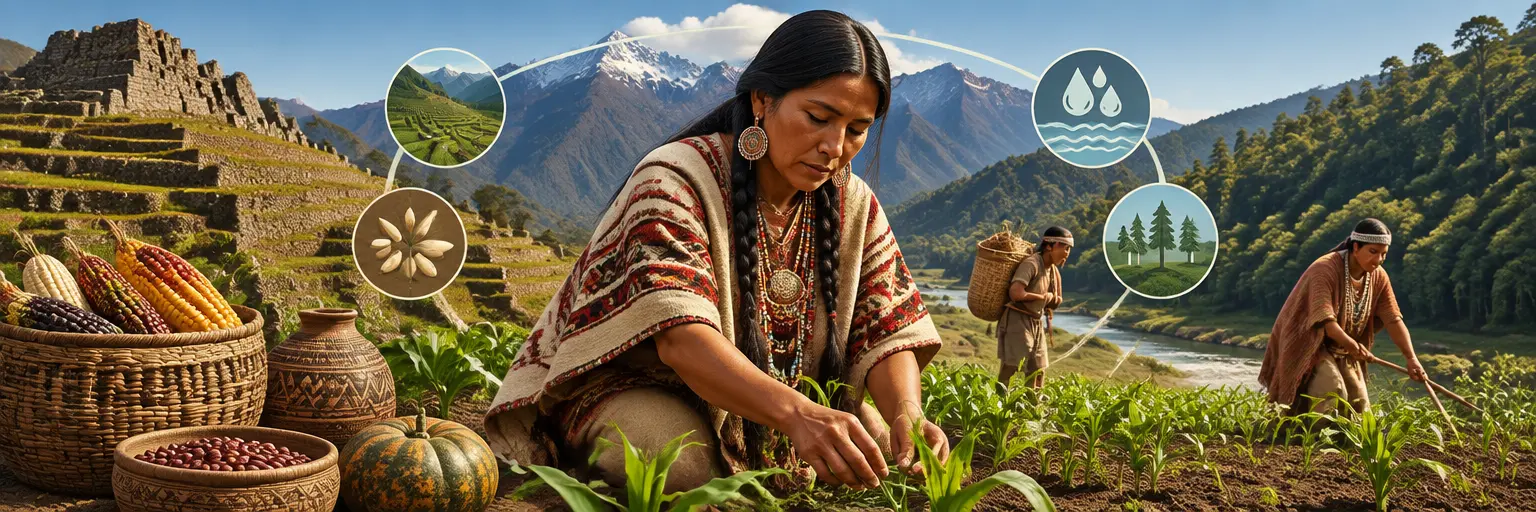
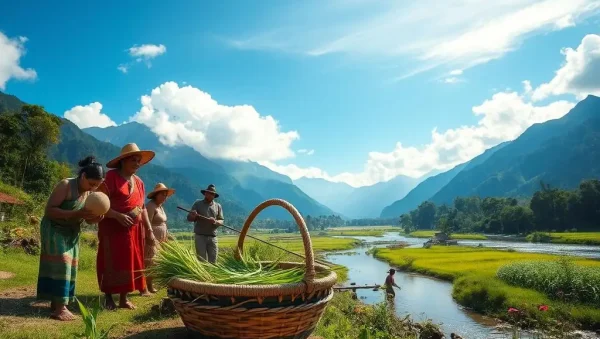
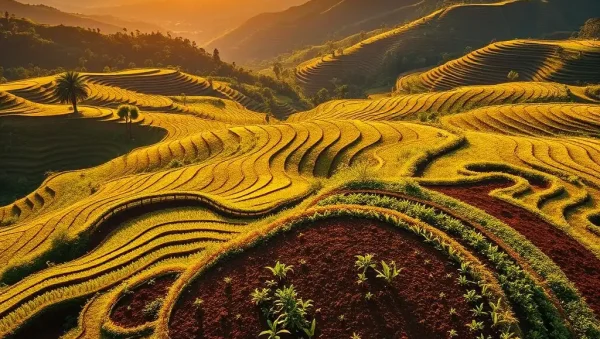
Indigenous resource management began with revolutionary farming techniques that transformed challenging landscapes into productive food systems. The terraces of the Andes and the chinampas of the Aztec capital Tenochtitlan are prime examples. These methods prevented soil erosion, conserved water, and maximized yields, supporting dense urban populations. The Maya used milpa swidden agriculture with long fallow periods, enriching soil fertility. Crucially, these practices were not extractive—they embedded crop rotation, intercropping, and organic fertilization, ensuring land remained viable for generations. This section reveals the scientific knowledge behind these ancient agroecosystems.
Readers will discover how specific crops like maize, beans, and squash—known as the “Three Sisters”—were cultivated synergistically. Beans fixed nitrogen, squash shaded the soil, and maize provided structure, demonstrating an intimate understanding of ecological interdependence. Indigenous water management, including canal irrigation in the Southwest and raised-field farming in the Amazon, prevented salinization and flooding. These innovations were not mere survival strategies but deliberate, adaptive responses to regional climates. By examining these systems, you gain practical knowledge applicable to regenerative agriculture today, recognizing that indigenous peoples were original conservationists whose techniques outlasted many modern industrial methods.
💧 Water Governance and Sustainable Use
Water was treated as a sacred, communal resource, not a commodity. The Inca engineered extensive aqueducts, reservoirs, and drainage systems that delivered fresh water to cities and croplands across the Andes. Similarly, the Hohokam of present-day Arizona built hundreds of miles of irrigation canals, showcasing advanced hydraulic engineering. Governance of water often involved ayllu-based collectives or community councils that allocated resources equitably, preventing overuse. Rituals and festivals, such as the Incan Qhapaq Raymi, reinforced water’s spiritual value, linking environmental conservation with cultural identity. This subcategory details these governance structures and engineering feats.
By exploring this facet, you will understand how indigenous societies maintained water quality and quantity despite climate variability. For instance, the Maya constructed aguadas (reservoirs) with sediment traps to purify rainwater, a technique recently rediscovered by hydrologists. The Inca’s terrace irrigation minimized runoff and maximized absorption, while Andean waru waru fields (raised beds) used elevated canals to regulate temperature and moisture. These examples underscore a philosophy of balance over extraction, where community rights outweighed individual profits. Such insights are invaluable for contemporary water policy, stressing adaptive, low-energy solutions that respect ecosystems.
🌲 Forest and Biodiversity Management
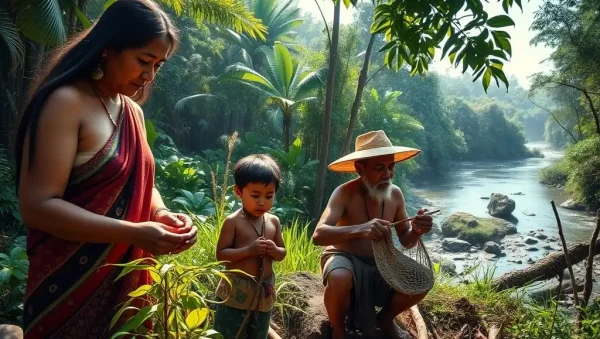
Far from pristine wilderness, the pre-Columbian Americas were actively managed landscapes. Indigenous peoples practiced agroforestry, deliberately planting fruit trees, nuts, and medicinal plants within forests, creating anthropogenic forests that were richer in biodiversity than untouched ones. The Amazon’s “dark earth” (terra preta) is a testament to this—human-made fertile soil that supported farming and orchards, persisting for centuries. The Maya managed tropical forests via selective clearing and replanting, while Pacific Northwest tribes used controlled burns to clear underbrush, promote berry growth, and attract game. This section examines how such practices enhanced ecosystem resilience.
Readers will learn that fire was a cornerstone of resource management, used strategically to regenerate plants and avoid catastrophic wildfires—a lesson modern forestry is relearning. Additionally, indigenous cosmologies treated trees and animals as relatives, leading to taboos that limited overhunting and overharvesting, akin to rotational quotas. Case studies include the Inca’s puna pastoralism with llama and alpaca herds that prevented overgrazing, and the Amazon’s caboclo traditions. This content emphasizes that indigenous knowledge was not anecdotal but empirical, passed down through oral traditions and adaptive experimentation, maintaining high biodiversity and genetic variety. It challenges narratives of hunter-gatherer passivity, showcasing active, reciprocal stewardship.
🏺 Material Culture and Recycling Practices
Resource management extended to the extraction and reuse of raw materials—stone, clay, metals, and fibers. Indigenous communities practiced quarrying with minimal waste, using obsidian, chert, and basalt for tools, which were recycled into smaller implements as they broke. Pottery was mended with pitch or resin, and broken shards were ground into temper for new vessels. Metalwork, such as the gold and copper alloys of the Muisca and Inca, employed lost-wax casting and hammering, with scrap metal being remelted. Textiles, like Andean qompi, were woven from cotton or alpaca, but worn garments were unraveled and re-spun into new thread, demonstrating a circular economy.
This section reveals the technical expertise behind material longevity. For example, the Aztecs used tepetate (volcanic rock) for construction, but its debris found use in roadbeds and fill. Shell middens were not trash but sources of lime for maize processing and building mortar. Featherwork and animal byproducts were fully utilized, with no part wasted. These practices were often codified in sumptuary laws that regulated resource access and waste, aligning with spiritual beliefs that equated waste with disrespect to ancestors. By examining these methods, you appreciate how scarcity and abundance were managed through ingenuity and frugality, offering a model for reducing modern material footprints and promoting circular economies.
🤝 Communal Governance and Reciprocity Systems
At the heart of resource management was governance based on reciprocity and redistribution, not private ownership. The Incan mit’a system was a labor tax where communities contributed workers for state infrastructure, but the state redistributed food and goods during famines. Similarly, the Aztec calpulli were landholding clans that allocated parcels to families, with common lands for grazing and forests. Harvests were stored in communal granaries (tambo in Inca lands) to buffer against droughts. This section details how egalitarian and hierarchical societies alike used councils, elders, and religious authorities to enforce sustainable quotas and settle disputes over water, hunting grounds, and mineral rights.
Readers will understand that social cohesion was a resource management tool. Fiestas and festivals redistributed surplus wealth, preventing hoarding and ensuring everyone had access to necessities. In the Maya lowlands, caciques (chiefs) mediated exchanges, while the Iroquois Confederacy used consensus-based decision-making for land use. These systems were adaptive and resilient, responding to environmental changes and population growth. They also encoded feast or famine principles—storing surpluses for years with poor harvests. This governance model challenges modern notions of private property and market capitalism, showing that collective management can prevent overexploitation and maintain social equity, crucial for long-term survival.
Frequently Asked Questions
What is the most innovative resource management technique used by Indigenous Americans?
The chinampa system of the Aztecs is highly innovative—artificial islands built in shallow lakes using mud and reeds. These raised beds allowed year-round cultivation, efficient water retention, and nutrient recycling. Similarly, the Inca’s terraced farming transformed steep Andes slopes into arable land, preventing erosion. Both methods demonstrate advanced hydraulic and soil engineering that sustained large urban populations.
How did Indigenous peoples prevent overexploitation of animals and plants?
They used rotational harvesting, spiritual taboos, and seasonal restrictions. For instance, many coastal tribes banned fishing during spawning seasons, while Amazonian groups practiced “smoke drying” to reduce waste. Hunting was often limited by territorial rights, and shamans enforced rules by attributing misfortune to overhunting. These cultural mechanisms ensured populations regenerated.
Can these ancient practices be applied to modern environmental challenges?
Absolutely. Agroforestry, permaculture, and controlled burns are directly derived from Indigenous methods. Modern water managers study Inca canals for low-cost irrigation, and terra preta inspires biochar production for carbon sequestration. Restoring forests with native species and community-led governance are practices being adopted globally, showing the enduring value of traditional knowledge.
Did resource management vary greatly between different regions?
Yes, it was highly adapted to local ecology. Desert-dwelling Hohokam built extensive canals, while tropical Maya used slash-and-burn with forest gardens. Arctic peoples managed migratory herds and fish stocks, and Plains tribes followed buffalo migrations. Each system was a bespoke solution to climate, soil, and water availability, proving flexibility over uniformity.
How did spiritual beliefs influence resource management?
Indigenous religions often held that nature and humans are interconnected, with spirits residing in land, water, and animals. This fostered a “take only what you need” ethic, as overexploitation was seen as disrespectful to deities and ancestors. Harvest ceremonies, like the Green Corn Dance, gave thanks and ensured future abundance, linking sustainability to spiritual obligation.