Embrace Indigenous Wisdom: Exploring Sustainable Practices 🌿
In the context of Indigenous Civilizations of the Americas, Sustainable Practices are not just environmental techniques—they are living philosophies that interweave ecology, spirituality, and community resilience. This subcategory uncovers how pre-Columbian societies—from the Maya to the Inca—managed resources, built resilient food systems, and respected natural cycles, offering timeless solutions for today’s climate challenges.
1. Regenerative Agriculture & Agroforestry Systems 🌽
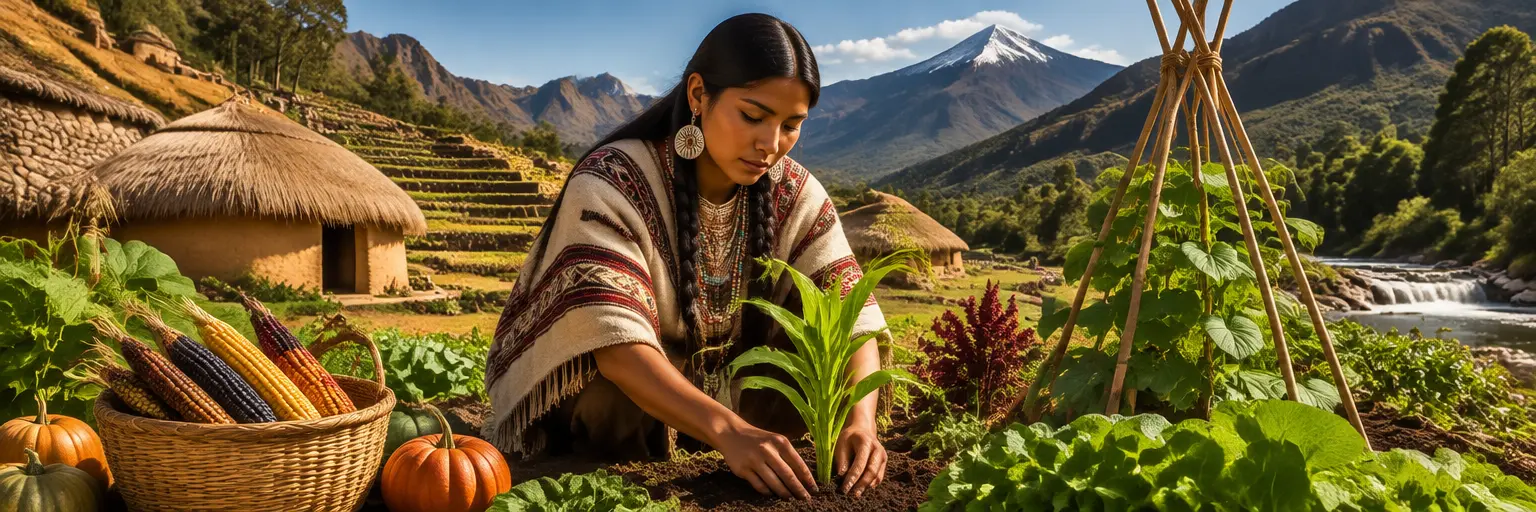
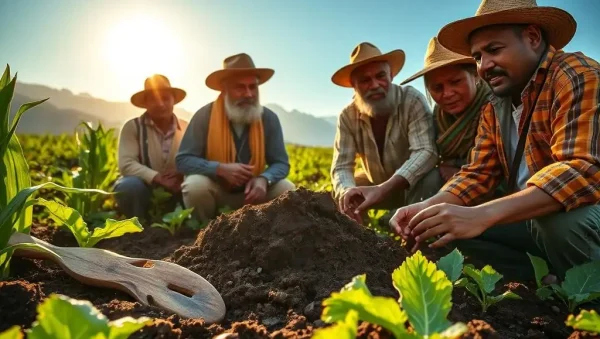
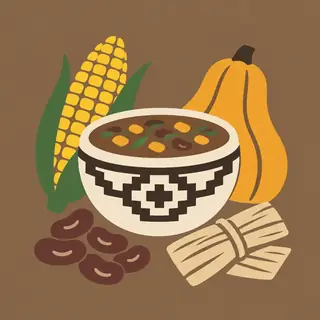
Indigenous agriculture was far from extractive; it was regenerative by design. Techniques like the Maya’s milpa (swidden with forest fallows), the Inca’s waru waru (raised fields) and the Aztec’s chinampas (floating gardens) maintained soil fertility without synthetic inputs. These systems integrated diverse crops—maize, beans, squash, and tubers—creating natural pest control and nutrient cycling.
Expect to learn how these systems supported dense populations for centuries while enhancing biodiversity. Modern agroecology increasingly cites these methods as blueprints for carbon-sequestering, drought-resistant farming. The lesson: yield without depletion is achievable when farming mimics natural ecosystems, not fights them.
2. Water Management & Terracing 💧
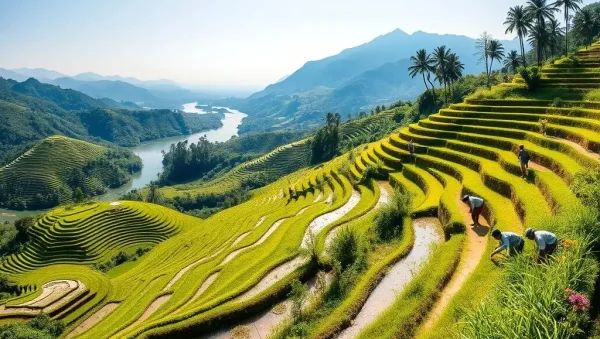
Water was sacred and scarce in many regions, prompting ingenious engineering. The Inca’s terrace systems on Andes slopes captured rainfall, reduced erosion, and created microclimates for varied crops. Similarly, the Hohokam of the Southwest built extensive canals, while the Maya used aguadas (reservoirs) and chultuns (underground cisterns) to store water through dry seasons.
These practices reveal a profound hydrological intelligence—managing watersheds as a whole, not piecemeal. For contemporary urban planners facing water scarcity, these ancient models offer decentralized, low-energy solutions. Discover how seasonal calendars and ritual cycles were aligned with water availability, ensuring equitable distribution across communities.
3. Forest Stewardship & Biodiversity Conservation 🌳
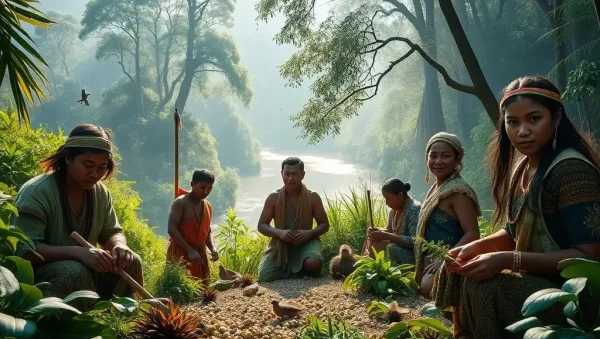
Far from “pristine wilderness,” pre-Columbian forests were managed landscapes. The Amazon’s terra preta (dark earth) resulted from deliberate charcoal and organic waste incorporation, improving soil fertility over millennia. Indigenous peoples practiced selective harvesting, controlled burns to regenerate undergrowth, and maintained sacred groves that served as genetic reservoirs for medicinal plants.
You will gain insight into the concept of a “cultural forest”—where human presence enhances tree diversity rather than diminishes it. This challenges the modern dichotomy of “nature vs. culture.” Contemporary reforestation projects are now integrating these traditional ecological knowledge (TEK) practices to improve success rates and restore wildlife corridors.
4. Circular Economies & Waste Minimization ♻️
Indigenous societies operated on near-zero-waste principles. The Aztec and Maya recycled obsidian, shell, and bone into tools and ornaments. Textiles were made from bark cloth, cotton, and agave, with every byproduct finding a use—agave leaves became fiber, thorns became needles, and pulp became paper. Organic waste was composted into chinampa fertility, closing the nutrient loop.
Explore how trade networks facilitated reuse of durable goods across vast distances, reducing duplication. The philosophical underpinning was interconnectedness: waste was seen as a misplaced resource, not a byproduct. Modern circular economy frameworks increasingly echo these principles, championing cradle-to-cradle design that indigenous cultures practiced for generations.
5. Climate Adaptation & Resilience Practices 🌦️
Indigenous communities faced variable climates—El Niño droughts, frosts, hurricanes—and evolved adaptive strategies. The Inca stored surplus grains in qollca warehouses, applying risk-spreading across altitudinal zones. The Pueblo peoples used passive solar architecture and water harvesting to cope with arid conditions. The Maya developed micro-watershed management to buffer against severe dry spells.
Learn about verticality—cultivating multiple microclimates within short distances—as a core resilience tool. These practices demonstrate that predictive diversification and community-based resource pooling are more effective than individual accumulation. As climate change intensifies, these ancient adaptation frameworks offer concrete, tested models for disaster risk reduction and food security.
6. Spiritual Ecology & Ethics of Reciprocity 🕊️
Sustainability for Indigenous peoples is inseparable from spirituality. Rituals, ceremonies, and origin stories encode rules for ecological conduct—never take more than you need, give thanks, and return resources to the earth. The concept of Pachamama (Mother Earth) among Andean cultures, and Mitakuye Oyasin (all my relations) in Lakota tradition, frame humans as kin to, not masters of, nature.
This section explores how ethical frameworks enforced sustainable behavior through social norms, taboos, and collective accountability. Modern environmental ethics increasingly draws on this relational worldview to counter exploitative systems. Expect to see how ceremony and sustainability interlock—where ecological health is a moral duty, not a policy option—providing a powerful cultural counterweight to consumerism.
Frequently Asked Questions
What is the most famous sustainable practice from Indigenous Americas?
The Aztec chinampas (floating gardens) are iconic—they produced up to seven harvests per year in shallow lake beds using compost, aquatic plants, and canals. These highly efficient, soil-building systems sustained Tenochtitlan’s large population and are still used near Mexico City today.
Did Indigenous peoples really improve soil fertility?
Yes. The Amazon’s terra preta is a prime example—anthropogenic dark earth enriched with charcoal, bone, and manure, remaining fertile centuries after abandonment. This is proof of deliberate soil management, not accidental burning.
How do sustainable practices relate to modern climate action?
Traditional ecological knowledge offers low-carbon, biodiversity-positive solutions such as agroforestry, water harvesting, and circular waste use. Many climate adaptation projects now integrate these methods to enhance resilience in vulnerable regions.
Were all Indigenous societies equally sustainable?
No—there was variability. Some societies faced ecological strain or collapse (e.g., parts of the Maya lowlands), yet most developed long-term adaptive systems. Sustainability was not inherent but achieved through cultural learning and flexibility.
Can I apply these practices outside the Americas?
Absolutely. Principles like crop diversity, soil regeneration, water micro-management, and community reciprocity are universally applicable. Start with small-scale changes—composting, polyculture gardening, and rainwater collection—informed by these time-tested frameworks.