Traditional Clothing and Textiles: Woven Stories of Indigenous America
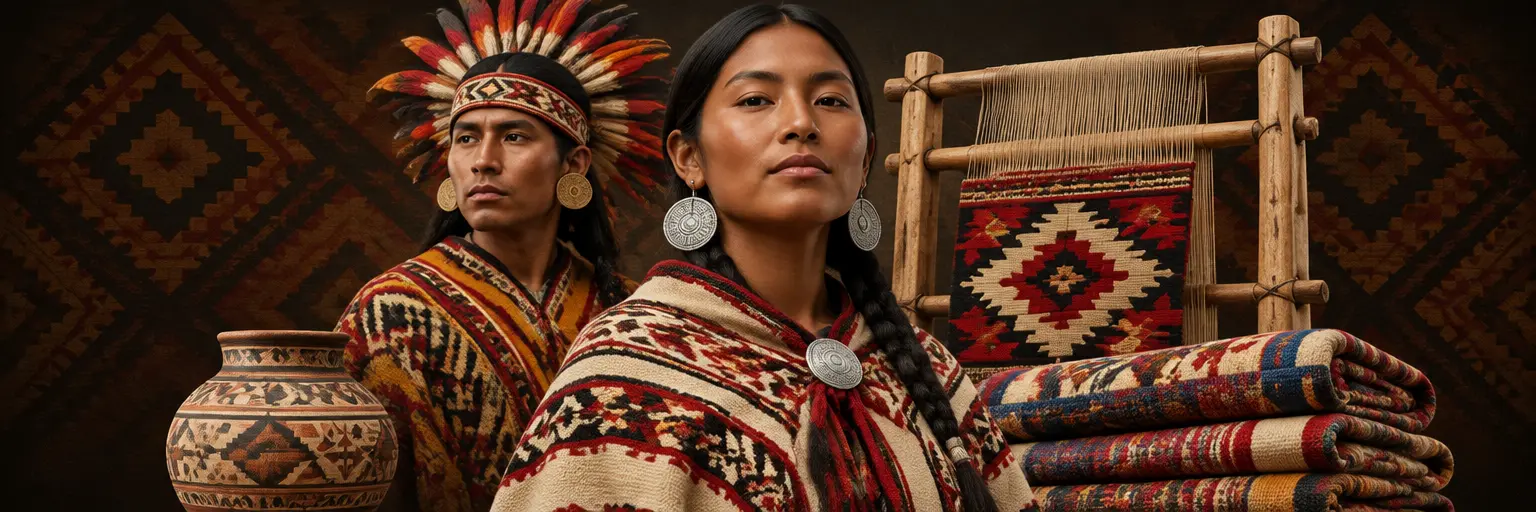
Explore the vibrant world of traditional clothing and textiles from the Indigenous civilizations of the Americas. More than mere fabric, these items encode identity, status, cosmology, and history. From the intricate Andean qompi weavings to the feathered regalia of the Great Plains, each thread tells a story of resilience and artistry. This subcategory dives deep into materials, techniques, and symbolic meanings, offering a rich resource for enthusiasts, students, and cultural travelers seeking authentic knowledge before European contact.
🧵 Andean Weaving: The Qompi and Chuspas
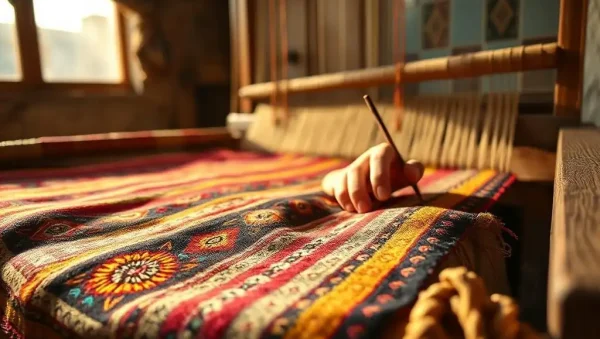
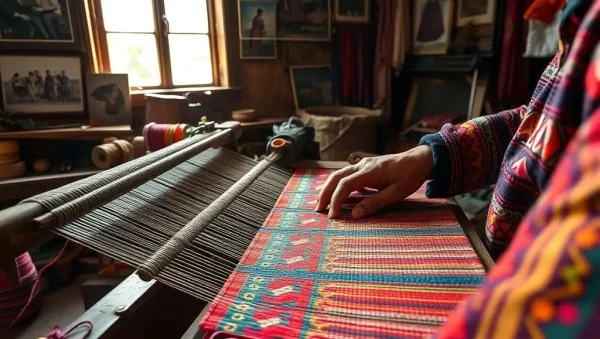
The Andes produced some of the world’s most sophisticated textiles, with the Inca Empire elevating weaving to a state art. Qompi were ultra-fine, tapestry-woven cloths made from vicuña or alpaca fiber, reserved for royalty and religious offerings. Techniques like warp-faced patterning and ikat dyeing created geometric motifs representing agricultural cycles, mountains, and celestial bodies. These textiles were not just clothing; they were currency, tribute, and ritual objects. The chuspas (coca bags) and llikllas (women’s shawls) displayed regional identity through color and pattern, enabling instant recognition of an individual’s community and social rank.
For readers, expect to uncover how spinning direction, fiber selection, and dye sources (like cochineal from cactus insects) were deeply controlled by Inca law. We explain how mit’a labor and specialized aqllawasi (chosen women’s houses) produced vast quantities of cloth for state storage. You’ll also learn about the khipu—a knotted cord system often attached to textiles—used for accounting, proving that fabric and information were inseparable in Andean governance. By understanding these weavings, you gain insight into the economic and spiritual backbone of Tawantinsuyu.
🪶 Mesoamerican Regalia: Featherwork and Cotton Armor
In Mesoamerica, from the Aztec (Mexica) to the Maya, clothing signaled military rank, priesthood, and nobility. The most prized material was quetzal feathers, brilliant green and iridescent, used to create quetzalpanitl—elaborate headdresses and shields for elite warriors. Cotton was cultivated extensively, and ichcahuipilli (quilted cotton armor) offered effective protection against obsidian-edged weapons. Dyes came from murex snails for purple and annatto seeds for red, with sumptuary laws dictating who could wear specific colors and patterns. The huipil (blouse) worn by Maya women today descends directly from pre-Hispanic designs, with brocaded motifs representing the cosmos.
This section details how amanteca—Aztec featherworkers—were specialized artisans who assembled feather mosaics using agave thread and orchid bulb glue. You’ll learn how textile tribute from conquered provinces filled Aztec storehouses, making cloth a primary medium of imperial power. We also cover the maxtlatl (loincloth) and tilma (cape), and how the Spanish codices recorded these garments with astonishing accuracy. Expect to understand why the Maya used red mangrove bark for a crimson dye and how the Oléc textile workshop at Teotihuacan influenced later cultures.
🌾 North American Indigenous Apparel: Hide, Quill, and Bead
In the present-day United States and Canada, Indigenous peoples crafted clothing from tanned animal hides—deer, elk, moose, and bison—using brain-tanning methods that produced soft, waterproof leather. The Plains nations developed the buffalo robe, painted with pictographic war records and geometric visions. Eastern Woodlands tribes like the Iroquois used porcupine quills, dyed with roots and berries, to create intricate geometric embroidery on moccasins, bags, and cradleboards. Later, European glass beads were incorporated, but these earlier techniques persist as cultural touchstones. Woven sashes (like the Assomption sash) and finger-woven garters among the Haudenosaunee reflected clan identity and marital status.
Here, you’ll discover the specifics of hide preparation—scraping, smoking, and softening—that transformed raw skins into wearable art. We explain the social significance of moccasin designs: each tribe, and even family, had distinct patterns that conveyed lineage and territory. The tipi cover, though not clothing, featured painted symbols that paralleled body decoration. Our content also highlights Arctic clothing from Inuit and Yup’ik, with double-layered caribou parkas and sealskin boots (mukluks) engineered for extreme cold. Expect to learn how quillwork preceded beadwork and how sinew thread and bone awls were essential tools before metal contact.
🛶 Amazonian and Caribbean Textile Traditions
In the tropical lowlands of South America and the Caribbean, clothing was often minimal but highly ornamental. The Tupi, Arawak, and Carib peoples used bark cloth (tapa) beaten from mulberry or fig trees, and woven palm fiber for loincloths and skirts. Feathers from macaws, toucans, and hummingbirds were attached to ceremonial aprons and headdresses, with colors indicating age and status. The Wari’ and Yanomami painted their bodies with annatto and genipap dyes, a practice extending “clothing” to skin itself. In the Caribbean, the Taíno wore cotton belts and woven mats for ceremonies, while duho stools were carved with textile-like patterns.
Readers will learn how bark cloth production varied by species—from Broussonetia to Ficus—and how beating marks created specific textures. The use of insect dyes like cochineal from the Amazon basin adds richness to the palette. You’ll also see how functional objects like buriti palm hammocks and arrow quivers were woven with geometric patterns that mirrored body painting. This section emphasizes the fluidity of textality—how clothing, body art, and basketry existed on a continuum, with similar motifs appearing across materials. Expect a focus on sustainable fibers that remain in use today, linking these traditions to modern Indigenous rights movements.
🔮 Symbolism and Status: Colors, Patterns, and Regulations
Across all Indigenous American cultures, color and pattern functioned as a non-verbal language. Red often symbolized war and blood, black death and the underworld, while white represented purity or snow, depending on region. Diamond and zigzag motifs frequently depicted water, serpent, or lightning, while step-frets indicated chakana (Andean cross) or celestial orders. Sumptuary laws were strict: among the Aztec, only the emperor could wear quetzal feather headdresses; in the Inca, tocapu square motifs on royal tunics were reserved for the Sapa Inca. Even gender roles were encoded—Maya men’s hip cloths differed from women’s huipiles, and in the Plains, quillwork was women’s craft, while painting was male.
This section explains how to “read” a textile’s iconography—for example, the Inti sun representation in Inca cloth or the double-headed serpent motifs in Aztec mantles. We detail the dye recipes and mordant use (like alum and urine) that fixed colors, and how fiber preparation affected texture and drape. You’ll also learn about status markers beyond clothing—such as jewelry made from shell, bone, gold, and copper—that accompanied textiles. By decoding these elements, readers gain a deeper appreciation of how identity was meticulously preserved through fabric. Our aim is to show that every stitch was a manifesto of belonging and belief.
Frequently Asked Questions
What is the most common fiber used in indigenous textiles?
Cotton was the most widespread, cultivated across Mesoamerica, the Andes, and the Caribbean. However, camelid fibers (alpaca, llama, vicuña) dominated the high Andes, while bison hide and deer skin were typical in North America. Plant fibers like maguey, nettle, and bark were also used regionally.
How were natural dyes made in pre-Columbian times?
Dyes came from plants, insects, and minerals. Cochineal insects produced reds, indigo leaves for blues, annatto seeds for orange, and murex snails for purple. Mordants like alum or urine fixed colors to fibers, ensuring vibrancy.
Did indigenous clothing vary significantly between regions?
Yes, drastically. Andean weavings were dense and geometric; Mesoamerican ones featured featherwork and bright cotton; Plains used painted hides; Arctic relied on waterproof sealskin. Each region’s environment and climate shaped materials, while trade routes spread certain textiles far beyond their origin.
What did clothing indicate about social status?
Clothing was a passport to rank. Elites wore rare feathers, fine cotton, or vicuña wool, plus gold ornaments. Commoners used coarse fibers. Sumptuary laws legally restricted certain colors (e.g., purple) and patterns (like tocapu) to royalty, reinforcing social hierarchy.
Are these textile traditions still alive today?
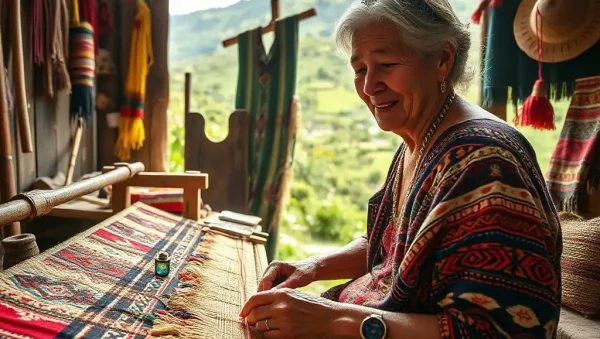
Absolutely. Modern Indigenous communities like the Zapotec weavers, Inca descendants in Peru, and Navajo rug makers continue ancestral techniques. Cultural revivals have re-taught quillwork and bark-cloth methods, often using natural dyes and hand looms, preserving this heritage for new generations.