Agriculture and Economy in the Tiahuanaco Culture: A Deep Dive
The Tiahuanaco (Tiwanaku) culture, flourishing around Lake Titicaca in the Andes between 500–1000 CE, built one of the most resilient agricultural and economic systems of the pre-Columbian Americas. Their genius lay in adapting to extreme altitudes, harsh climates, and limited arable land. By mastering raised-field farming, camelid herding, and long-distance trade, they sustained a populous state that influenced vast regions. This subcategory explores how their agricultural innovations and economic networks powered their monumental architecture and spiritual authority, offering lessons in sustainability and resource management that remain relevant today.
🌾 Raised-Field Agriculture: Engineering Fertile Land
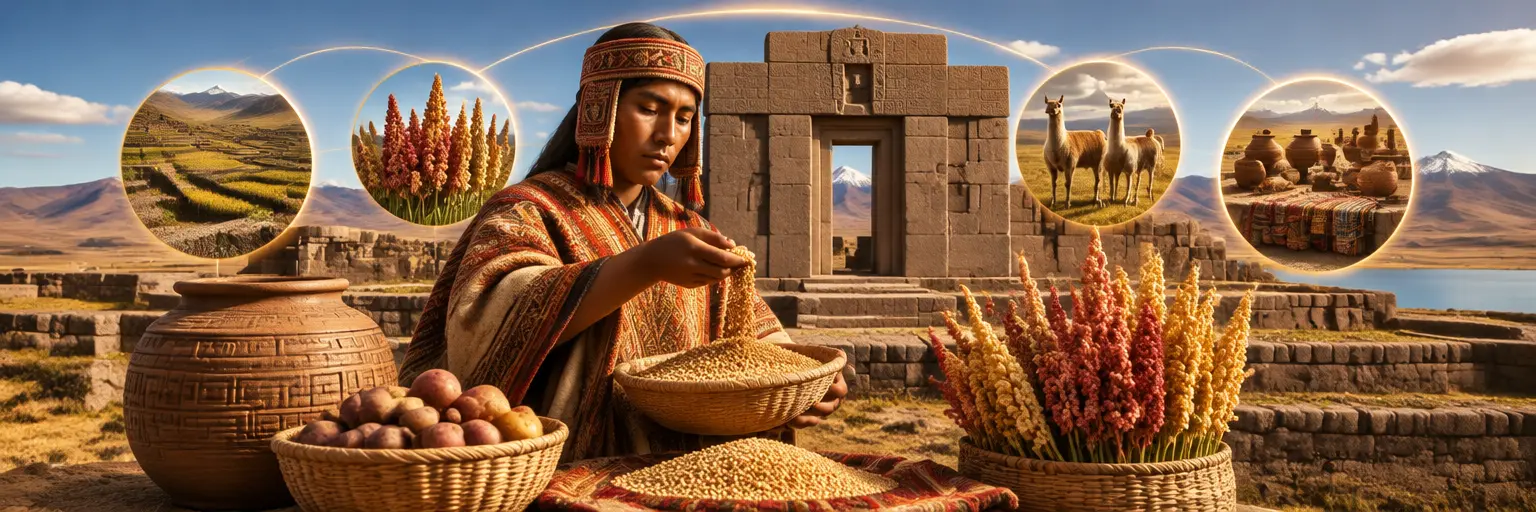
At the heart of Tiahuanaco’s economy was the suka kollus—raised earthen platforms surrounded by water channels. These fields, built on the floodplains of Lake Titicaca, mitigated frost damage by storing solar heat in the water, extending the growing season. This technique produced abundant yields of potatoes, quinoa, and other Andean crops, even during droughts or floods. Archaeological experiments show these fields outperformed conventional plots by up to 400%, proving a sophisticated understanding of microclimates.
The labor-intensive construction of these raised beds required centralized planning and communal organization, likely directed by elite rulers. Surplus production from these fields funded the construction of monumental temples and supported non-farming specialists, such as weavers and ceramicists. This agricultural surplus also enabled the rise of a redistributive economy, where goods were collected and distributed by state authorities, ensuring food security across the region. The success of this system is evidenced by the dense population around Tiwanaku’s capital, estimated at 100,000–200,000 people at its peak.
🐪 Camelid Herding and Textile Economy
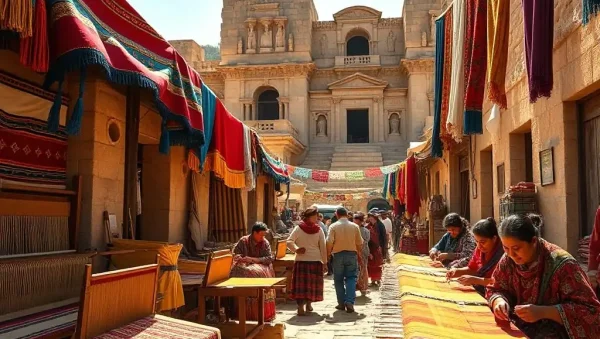
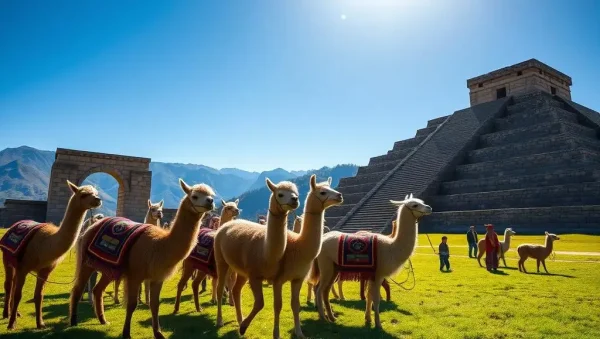
Llamas and alpacas were the backbone of Tiahuanaco’s pastoral economy, providing meat, wool, transport, and sacrificial offerings. Herds grazed on high-altitude grasslands, and their excrement was used as fertilizer for raised fields, creating a closed-loop system. The wool from alpacas was spun into fine textiles, which served as currency, status symbols, and ritual items. Caravans of llamas transported goods across the Andes, connecting Tiwanaku to coastal fisheries and eastern lowland forests.
The economic value of textiles cannot be overstated—they were woven with intricate iconography depicting deities and celestial motifs, reinforcing political power. Elite control over herds and textile production allowed rulers to reward loyal subjects and forge alliances with distant chiefs. Faunal evidence shows a specialization: alpacas for wool in the highlands, llamas for transport along valley routes. This dual-use pastoralism enabled the Tiahuanaco state to project influence over 500,000 square kilometers without maintaining a standing army, relying instead on economic interdependence and cultural prestige.
🛶 Long-Distance Trade Networks and Resource Exchange
Tiahuanaco’s economy extended far beyond its borders through a sophisticated vertical archipelago system, where colonies were established in different ecological zones to access unique resources. They traded with coastal cultures for fish, shells (Spondylus), and salt, and with the eastern Amazon for coca leaves, feathers, and hardwoods. These goods were exchanged for Tiahuanaco’s hallmark pottery, textiles, and metalwork (copper, gold, and silver), creating a vibrant pan-regional marketplace.
Trade routes followed the Lake Titicaca basin, using reed boats (totora) for aquatic transport and llamas for land caravans. The presence of Tiahuanaco-style artifacts in the Wari culture of Peru and the San Pedro de Atacama oases in Chile indicates a deliberate strategy of diplomatic and economic control, not mere casual exchange. This network also facilitated the spread of religious ideologies, as pilgrims traveled to Tiwanaku’s ceremonial center. The state managed surplus by storing goods in qullqa (storehouses), which were strategically located along trade routes, ensuring resilience against regional harvest failures.
🏛️ Redistributive Economy and Political Power
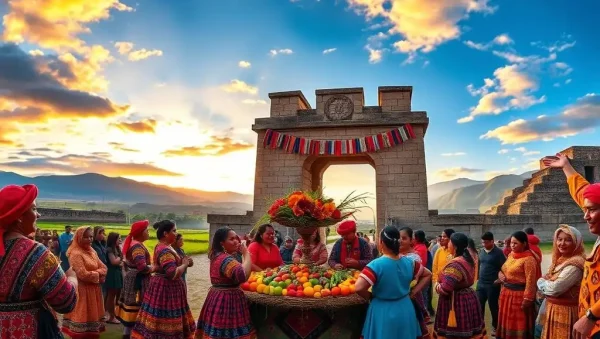
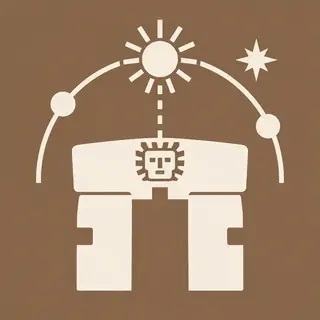
The Tiahuanaco state operated a redistributive economy, where tribute from provinces flowed to the capital and was then reallocated as food, clothing, and craft items. This system, documented in the layout of the ceremonial core, included large plazas for public feasts, where maize beer (chicha) and roasted meat were served to reaffirm social bonds. The control of surplus created a class of priest-rulers, who claimed divine authority to manage cosmic order and agricultural cycles through ritual calendars.
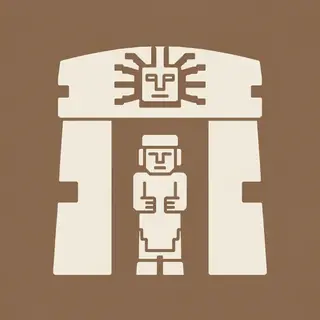
Monumental architecture, such as the Akapana pyramid and the Gate of the Sun, was financed by this economic surplus, serving as both administrative hubs and cosmological maps. The state’s power was also exerted through labor taxation, where citizens contributed work on public projects in exchange for access to land and irrigation. This mutually reinforcing system avoided coercive exploitation, as evidence shows standardized housing and equitable distribution of basic goods. However, the collapse of Tiwanaku around 1000 CE is attributed to prolonged drought, which disrupted the delicate balance of raised-field farming and reservoirs, highlighting the state’s dependency on climate stability.
🌽 Food Security and Dietary Diversity
Tiahuanaco’s diet was remarkably varied, combining carbohydrate-rich roots (potatoes, oca, mashua) with protein from quinoa, amaranth, and fish from Lake Titicaca. They also cultivated kiwicha and lupini beans, which provided essential amino acids, and practiced freeze-drying (chuño) to preserve potatoes for years, enabling trade and military supply. This dietary breadth reduced famine risk and supported a dense population.
Fishing in Lake Titicaca supplied 10–20% of calories, using nets, harpoons, and reed boats. The integration of agriculture and fishing created a complex food web that was managed by seasonal calendars. The state also controlled the distribution of coca, which was used in rituals and as a mild stimulant for workers, further cementing economic dependency. Comparative studies show that Tiahuanaco’s food system was more resilient than that of contemporary European societies, as it utilized multiple ecological niches and avoided monoculture, a lesson for modern sustainable agriculture.
Frequently Asked Questions
How did Tiahuanaco manage to farm at 3,800 meters altitude?
They built raised fields (suka kollus) with water-filled channels that absorbed solar heat during the day and released it at night, preventing frost damage. This technique, combined with hardy native crops like potatoes and quinoa, allowed agriculture to thrive at extreme altitudes where standard farming fails.
What role did llamas play in the Tiahuanaco economy?
Llamas served as pack animals, transporting goods over long distances, and provided meat, leather, and bones for tools. Their dung was essential fertilizer for raised fields. They also enabled the vertical archipelago system, allowing access to resources from coast, highland, and jungle zones.
Why did the Tiahuanaco state collapse?
The most accepted theory is a prolonged drought (around 950–1000 CE) that reduced rainfall by 20–25%, causing raised-field water levels to drop and crop yields to plummet. This undermined the redistributive system, leading to social unrest, abandonment of the capital, and eventual fragmentation.
Did Tiahuanaco use money in trade?
No, there was no coinage. Instead, they used a barter and reciprocity system where textiles, coca, and copper artifacts acted as high-value exchange goods. Labor and tribute in kind were also forms of payment, with surplus stored and redistributed by state authorities.
What happened to Tiahuanaco’s agricultural techniques after their decline?
Raised-field agriculture was largely abandoned but was revived in the 1980s by local communities and NGOs, using modern research. Today, farmers around Lake Titicaca use reconstructed suka kollus, boosting yields by up to 30% compared to traditional methods, demonstrating the enduring legacy of Tiahuanaco’s agronomic knowledge.