The Role of Rituals in Tiahuanaco Culture: Art as a Spiritual Medium
🌟 Tiahuanaco rituals and art intertwine profoundly, serving as vital expressions of spirituality and community identity. This article explores how these ceremonial…
Read article
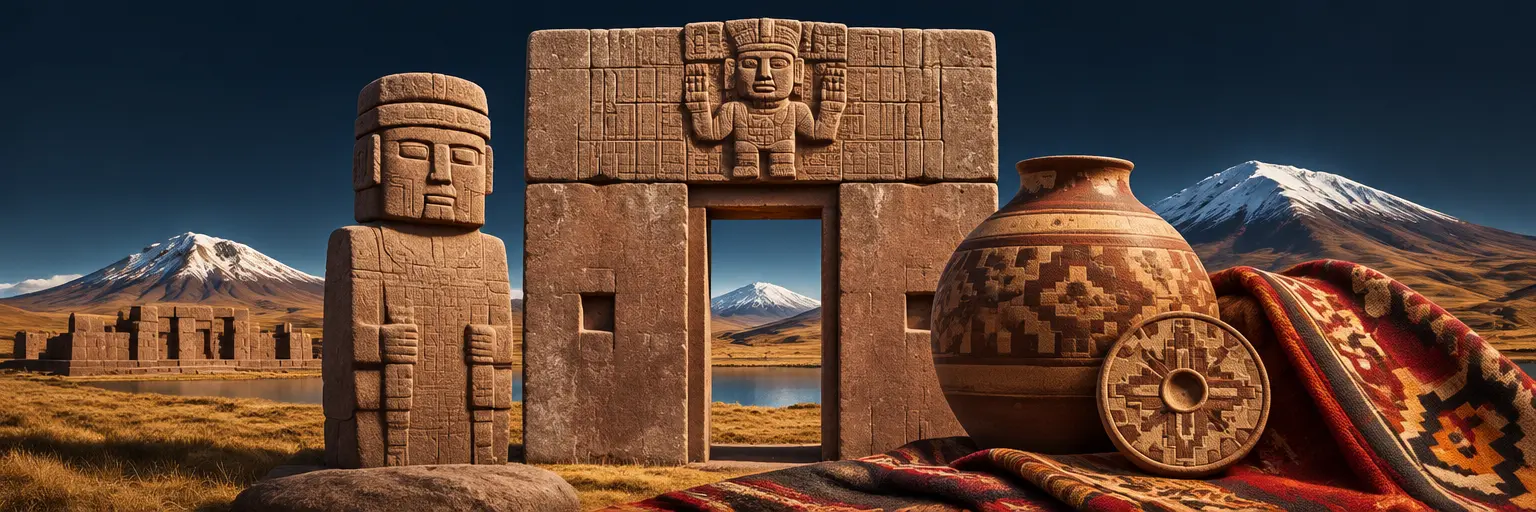
Explore the awe-inspiring legacy of the Tiahuanaco civilization, a pre-Columbian powerhouse that flourished high in the Andes. Their extraordinary art and culture, marked by monumental stonework and intricate iconography, reveal a sophisticated society of master engineers and spiritual cosmologists. Discover the enigmatic Gate of the Sun and its celestial carvings, or marvel at the mysterious monoliths that stand as silent guardians of a lost world. This culture’s unique blend of artistic expression and astronomical knowledge created a symbolic language that influenced generations, leaving an indelible mark on the Andean world. Unearth the secrets of their pottery, textiles, and ritual architecture—each piece a testament to their profound connection between nature, faith, and power. Perfect for history buffs, archaeology enthusiasts, and travelers of the mind, our deep dive into Tiahuanaco culture brings you closer to the vibrant achievements of one of the Americas’ most remarkable indigenous civilizations. Immerse yourself in a story where art was not just decoration, but a cosmic map of their universe.
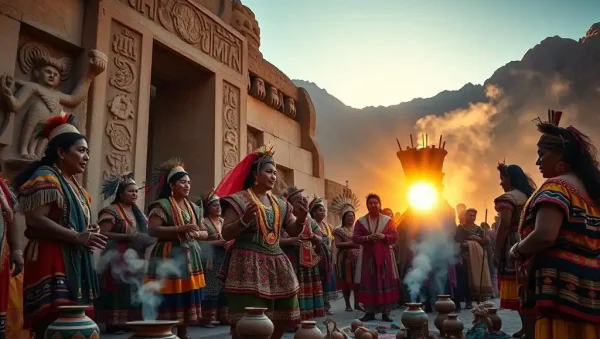
🌟 Tiahuanaco rituals and art intertwine profoundly, serving as vital expressions of spirituality and community identity. This article explores how these ceremonial…
Read article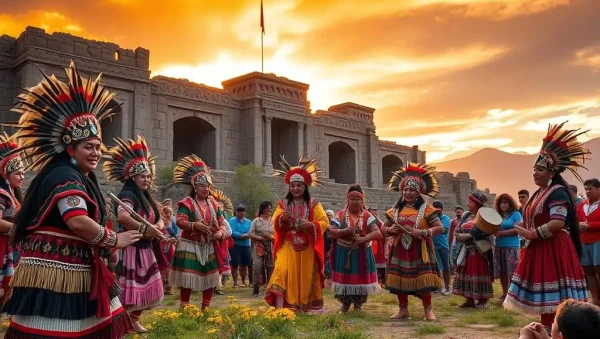
🌍 Discover the rich tapestry of Tiahuanaco indigenous festivals history, where vibrant celebrations reflect the profound cultural heritage of pre-colonial societies. Explore…
Read article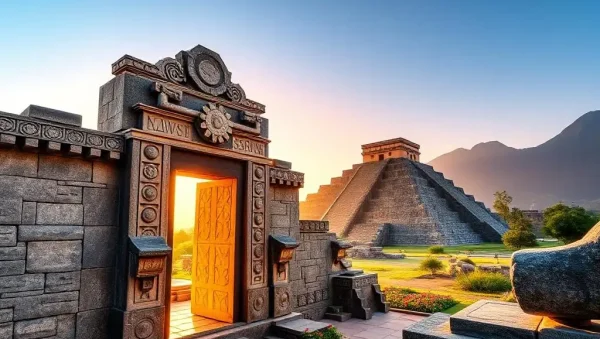
🌍 Discover the Tiahuanaco architectural achievements that showcase the ingenuity of ancient civilizations. This journey unveils the rich cultural heritage and technological…
Read article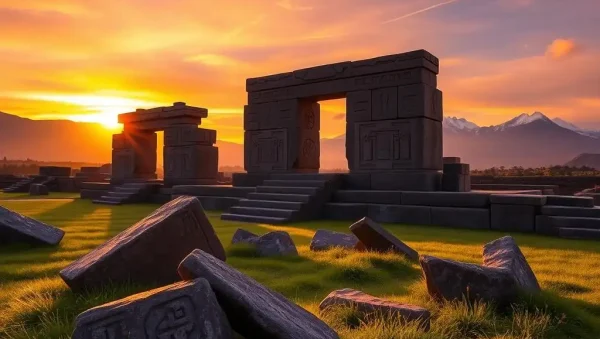
🌍 The Tiahuanaco stone monuments history reveals intricate messages from ancient civilizations, showcasing their advanced architectural skills and cultural significance. This exploration…
Read articleStep into the extraordinary artistic and cultural universe of the Tiahuanaco (Tiwanaku) civilization, which flourished around Lake Titicaca in the Andes between 500 and 1000 CE. This subcategory reveals how this pre-Columbian society expressed its cosmology, social hierarchy, and religious beliefs through monumental stonework, ceramics, textiles, and ritual practices. Discover the symbolic language of the Gateway of the Sun, the enigmatic Viracocha figure, and the intricate iconography that influenced later Andean cultures, including the Inca. Perfect for historians, travelers, and students, this page synthesizes archaeological findings with cultural interpretations.
Tiahuanaco’s stone artistry is its most enduring legacy, with precision-cut blocks weighing up to 100 tons fitted without mortar. The Gateway of the Sun, carved from a single andesite block, features a central deity figure flanked by winged attendants—likely representing celestial cycles. The Akapana pyramid, a seven-tiered earth-and-stone structure, was oriented to astronomical events, while the Kalasasaya temple showcases monolithic pillars and carved heads embedded in walls, each with unique facial features. Expect to learn how these structures served as ceremonial calendars and political theater.
Beyond their engineering marvel, Tiahuanaco art was deeply symbolic. The Staff God (Viracocha) and running figures appear repeatedly, often with condor and puma attributes, signifying shamanic power and cosmic order. The use of tenon heads—stone faces protruding from walls—depicted ancestors or conquered enemies, reinforcing social hierarchies. Modern analysis reveals that some stones were carved with wooden tools and polished with water and sand, showing immense labor investment. This artistry not only decorated but also narrated creation myths, linking rulers to divine forces and legitimizing their authority over the altiplano.
Tiahuanaco ceramics stand out for their polychrome finishes and geometric patterns, including stepped crosses, zigzags, and stylized felines. The qero (drinking cup) and keru (ritual vase) were central to feasting ceremonies, often depicting the Staff God or processions of warriors. Expect to understand how ceramic styles evolved from simple utilitarian pots to elaborate ritual vessels used in chicha (corn beer) offerings, reflecting both daily life and state-sponsored religion.
Notably, Tiahuanaco potters pioneered mold-made production, enabling mass output without losing artistic quality. The iconographic continuity across ceramics found at distant sites—from Moquegua to Cochabamba—indicates a shared cultural language, possibly facilitated by trade networks. Colors like orange, black, and cream were derived from local clays and mineral pigments, with fish and bird motifs paying homage to Lake Titicaca’s ecology. For collectors and enthusiasts, these ceramics offer a tangible link to daily rituals, burial practices, and the aesthetic taste of a civilization that prized symmetry and repetition as expressions of cosmic harmony.
Though less preserved, Tiahuanaco textiles were among the finest in the ancient Andes, using camelid fiber (alpaca, llama) and cotton. Surviving fragments from desert tombs reveal tapestry weaves, featherwork, and intricate border patterns featuring anthropomorphic figures and step motifs. Expect to explore how clothing encoded social rank: elite tunics (unku) displayed more complex designs and rare dyes like cochineal red, while commoners wore plain cloth. Textile production, likely a state-controlled craft, was central to tribute and diplomacy.
The symbolic repertoire in textiles mirrors stone art—condors, pumas, and snakes interwoven with geometric bands. Some scholars argue that textile patterns served as mnemonic devices for oral histories, with each motif representing agricultural cycles or ancestral lineages. Because textiles decay quickly, their study relies on fragments recovered from arid coastal sites and high-altitude caches, revealing a sophisticated dyeing process using indigo, molle berries, and iron oxides. For modern weavers, Tiahuanaco techniques like warp-faced patterning remain inspirational, demonstrating how art and utility coalesced to communicate identity across generations.
Art and culture in Tiahuanaco were inseparable from ritual performance, centered in the Kalasasaya and semi-subterranean temple. These venues hosted human and llama sacrifices, likely to ensure agricultural fertility and solar alignment. Expect to learn about the chullpa (funerary towers) and the practice of mummification, where elite individuals were wrapped in layers of textiles and buried with ceramic offerings. Musical instruments—bone flutes, shell trumpets, and drums—accompanied ceremonies, as evidenced by carved depictions of musicians.
The ritual use of hallucinogens, such as coca leaves and possibly San Pedro cactus, is documented through iconography of snuff trays and tablets, believed to induce shamanic visions for communication with ancestors. The Gateway of the Sun itself may mark a solstice observation point, with light and shadow playing on carved figures during key dates. Such practices created a theater of power, where rulers, acting as intermediaries, reinforced cosmic order. By studying these rituals, visitors gain insight into how art objects were not passive decorations but active agents in maintaining ecological balance, social cohesion, and political legitimacy in a challenging high-altitude environment.
Tiahuanaco’s artistic and cultural templates profoundly shaped later civilizations, especially the Huari to the north and, ultimately, the Inca. Elements like the Staff God, stepped cross, and portal motifs reappear in Incan masonry at Sacsayhuamán. Expect to trace how Tiahuanaco’s urban planning (raised fields, monumental gates) was adopted and adapted to suit different ecological zones. Even after the city’s collapse around 1000 CE, its iconography persisted in coastal cultures like the Chimú.
In modern Bolivia and Peru, Tiahuanaco remains a symbol of indigenous pride, with Aymara communities incorporating its symbols into festivals and political banners. The Tiwanaku archaeological site is a UNESCO World Heritage site, and ongoing excavations continue to reshape interpretations. For visitors, understanding this legacy reveals how artistic transmission occurred through conquest, trade, and pilgrimage, proving that culture is not static but a dynamic exchange. This section offers a compelling narrative for those interested in cultural continuity and the resilience of indigenous worldviews in the face of colonial disruption.
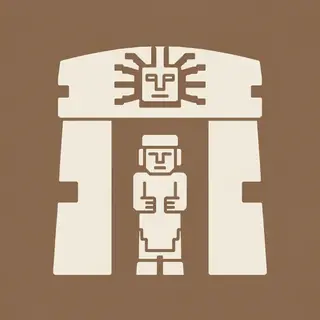
The Gateway of the Sun is the most iconic, carved from a single block of andesite. It features the Staff God (Viracocha) flanked by 48 winged figures, believed to represent a solar calendar or mythological procession. Its precision and symbolism make it a masterpiece of Andean stone carving.
They used copper and bronze tools, along with abrasives like sand and water, to carve and polish hard stones. Stones were shaped with pounding stones and fitted using a system of notches and clamps, possibly leveraging wooden levers and ramps. Exact methods remain debated, but experimental archaeology suggests immense labor and planning.
No, they were functional status markers—different colors and patterns indicated social rank, ethnicity, and ritual roles. Textiles were also used for burial wrappings, tributes, and ceremonial exchanges. Their production was standardized, suggesting state workshops specialized in elite cloth.
Yes, archaeological evidence from the Kalasasaya temple includes human remains with cut marks, likely sacrificial victims, possibly prisoners or selected youths. They were often buried with ritual offerings, reinforcing the belief that blood was needed to sustain cosmic order and agricultural fertility.
Tiahuanaco art emphasizes rigid, symmetrical iconography with recurring divine figures and geometric abstraction, whereas Inca art is more utilitarian and uses finely fitted stones without elaborate carving. Tiahuanaco used polychrome ceramics and textile patterns, while Inca favored quipus and metalwork, though both shared the Staff God motif.