Tiahuanaco's Leadership: How Rulers Shaped a Thriving Civilization
🌍 Discover how Tiahuanaco civilization leadership insights reveal the strategies and governance that fostered a thriving society in ancient Andean culture. Explore…
Read article
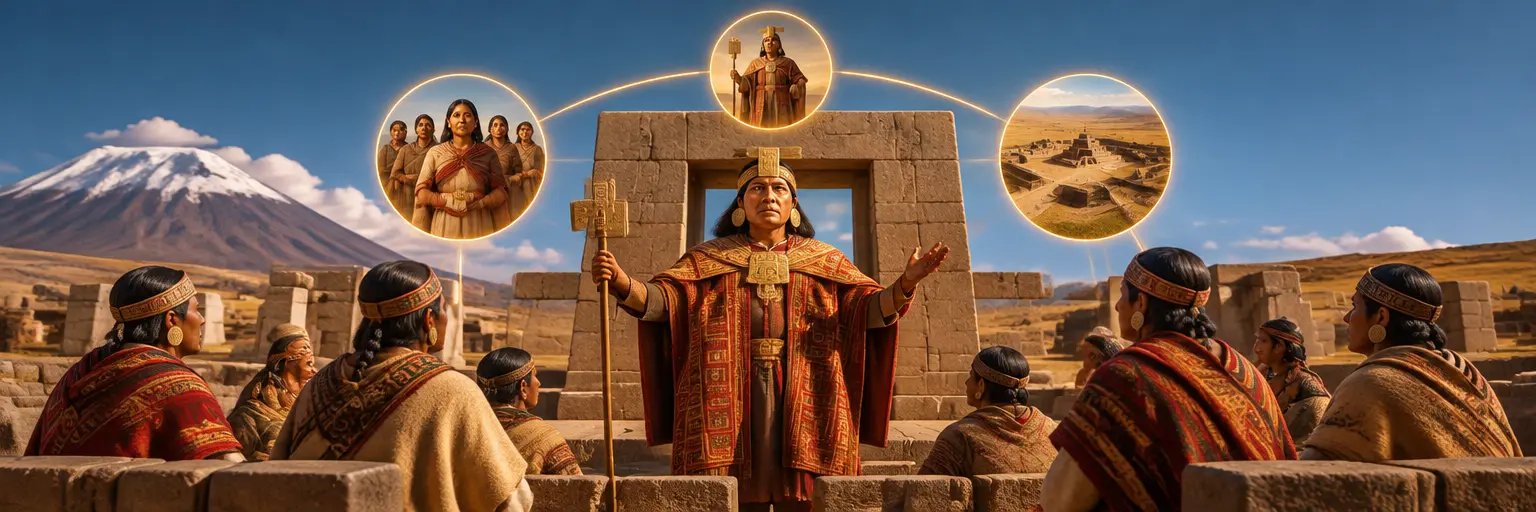
Explore the intricate political structure and governance of the Tiahuanaco Civilization, a pre-Columbian powerhouse that dominated the Andean highlands. This society’s sophisticated administrative hierarchy combined theocratic authority with centralized statecraft, guiding vast networks of agricultural, religious, and trade systems. Discover how elite rulers wielded power through monumental architecture, cosmic symbolism, and strategic resource distribution, shaping one of South America’s most influential early states. From ceremonial leadership to territorial expansion, Tiahuanaco’s governance offers profound insights into ancient political innovation and resilience.
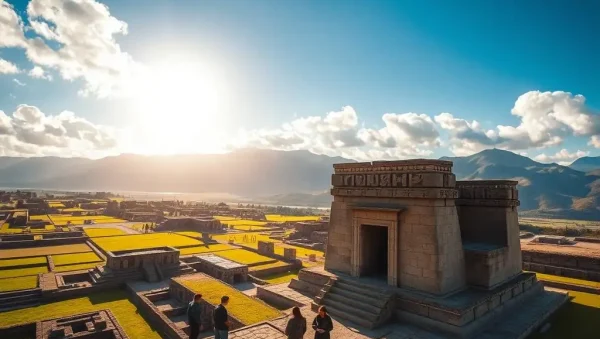
🌍 Discover how Tiahuanaco civilization leadership insights reveal the strategies and governance that fostered a thriving society in ancient Andean culture. Explore…
Read article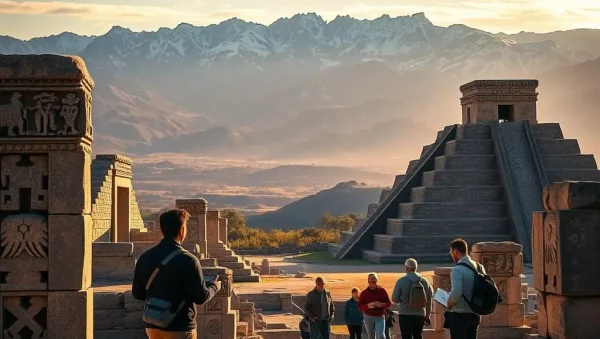
🌍 This article delves into Tiahuanaco societal structure analysis, revealing the intricate relationships between social classes and political power in one of…
Read article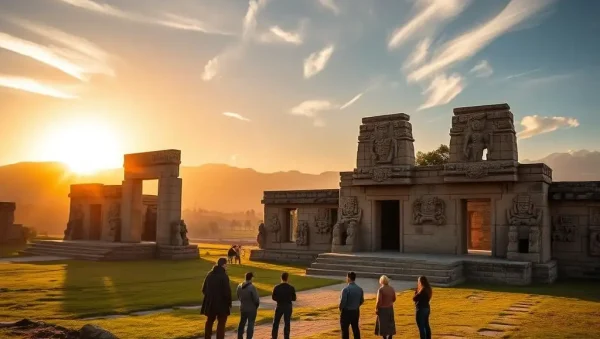
The interplay of Tiahuanaco religion and governance reveals a sophisticated dual authority system, where spiritual beliefs shaped political legitimacy, reinforcing social cohesion…
Read articleExplore how the Tiahuanaco civilization, flourishing around Lake Titicaca in the Andes, organized its political life and governance systems. This subcategory delves into the hierarchical leadership, administrative strategies, and civic-religious integration that sustained one of South America’s most influential pre-Columbian societies—offering deep insights into its enduring legacy.
In Tiahuanaco, political power was deeply intertwined with religious authority, creating a theocratic governance model where rulers acted as both political leaders and spiritual intermediaries. The elite class, often residing in monumental complexes like the Akapana pyramid, controlled access to sacred knowledge, calendrical systems, and water management rituals. This fusion of divine mandate and administrative control ensured societal cohesion across vast territories.
Expect to learn how this centralized authority facilitated large-scale public works, such as terraced agriculture and raised-field systems, which required coordinated labor and resource allocation. The ruling council, likely composed of hereditary nobles and priests, made decisions on trade, warfare, and tribute collection, embedding governance within daily religious practices. This section also clarifies how theocratic rule influenced neighboring cultures, laying groundwork for later Andean states like the Inca.
Tiahuanaco’s governance extended beyond its urban core, using strategic administrative outposts to manage a sprawling regional influence. Archaeologists have identified satellite settlements and ceremonial centers connected via road networks, which facilitated the flow of goods, labor, and ideological messaging. These outposts served as nodes for collecting agricultural surplus, overseeing craft production, and integrating local elites into the imperial framework.
Here, you’ll discover how the state balanced central control with local autonomy, allowing regional leaders to retain status while paying tribute. The use of ayllu-like kinship groups likely organized labor obligations, reinforcing social bonds. This section provides evidence from site layouts and pottery distributions, illustrating how Tiahuanaco’s administrative reach stretched from the altiplano to coastal valleys, creating a multi-ethnic political landscape that persisted for centuries.
Governance under Tiahuanaco included codified norms and social stratification, visible in elaborate burial practices and iconography. The elite enjoyed distinct privileges—imported goods, fine textiles, and monumental tombs—while commoners engaged in agriculture, herding, and craftwork. Legal disputes were likely resolved through customary law, with priests or elders acting as adjudicators, reinforcing communal harmony and ancestral traditions.
Expect a nuanced analysis of how social roles were gendered and age-based, with evidence from skeletal remains and iconographic motifs. The state likely enforced labor taxes (mita) for public projects, while redistributive ceremonies, such as feasting at major plazas, reinforced loyalty. This part also examines the role of warfare and captive-taking in maintaining status, offering a clear picture of Tiahuanaco’s coercive and consensual governance mechanisms.
Economic power was a cornerstone of Tiahuanaco’s political structure, centered on water control and agricultural intensification. The state engineered raised fields, canals, and reservoirs around Lake Titicaca, boosting crop yields and supporting dense populations. Governance involved managing these hydraulic systems, allocating land, and organizing seasonal labor shifts, making water a political tool for central authority.
This section explains how trade networks, extending to the Amazon and Pacific coast, were regulated by the state, ensuring access to coca, maize, and exotic shells. Storage facilities, like those at the site of Pumapunku, imply centralized redistribution. You’ll read about the economic role of llama caravans and how control over surplus enabled elite patronage and monumental construction, revealing the economic underpinnings of political legitimacy in Tiahuanaco.
The collapse of Tiahuanaco’s political order around 1000 CE remains debated, with causes ranging from prolonged drought to internal unrest. Yet, its governance models left an enduring imprint on Andean civilizations. The concept of divine kingship, administrative provinces, and elite-reciprocity rituals influenced the Wari and later the Inca Empire, who adopted similar vertical archipelagos and state-sponsored feasting.
Here, you’ll explore archaeological and environmental evidence pointing to fragmentation, including the abandonment of ceremonial centers and shifts in settlement patterns. Despite political decline, local communities preserved aspects of Tiahuanaco’s religious and agricultural practices. This subcategory highlights how governance structures evolve under stress and how legacy systems shape future state-building—a crucial chapter in understanding pre-Columbian political history.
Religion was the primary source of political legitimacy. Rulers were considered divine intermediaries who communicated with ancestral gods, and their authority depended on controlling ritual calendars and sacred sites. Religious ceremonies validated laws, tax collection, and military campaigns, making governance inseparable from spiritual practice.
Tiahuanaco used a decentralized network of administrative outposts and satellite communities connected by roads. Local elites were integrated into the state through marriage alliances and tribute systems, allowing regional autonomy while ensuring loyalty. Central storage facilities and redistributive feasts incentivized cooperation across ecological zones.
No evidence of written laws exists, but governance relied on oral customary law passed through generations. Elders and priests adjudicated disputes based on tradition and social precedent. Iconography and oral histories suggest that reciprocity, labor obligations, and ritual correctness were central legal principles.
Multiple factors contributed, including a prolonged drought that disrupted agricultural productivity and water management, leading to food shortages and social unrest. Internal elite competition and external pressures may have exacerbated the crisis. The abandonment of major centers around 1000 CE marks the end of centralized political authority.
Tiahuanaco’s theocratic state model, administrative provincial system, and state-sponsored feasting were adopted by the Wari and Inca. The Inca, in particular, copied the concept of divine rulers and used similar road networks and storage facilities. Many Tiahuanaco agricultural and ritual practices persisted in local communities, shaping regional political identities.