Recent Excavations: North American Indigenous Sites
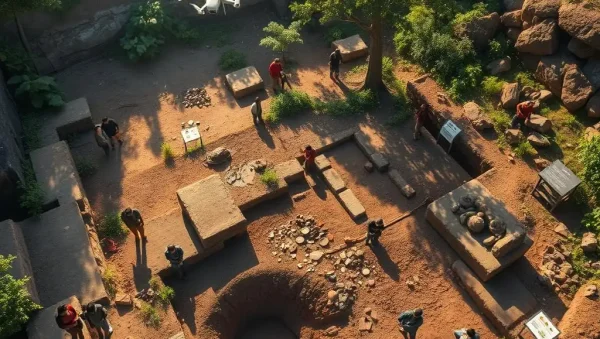
Welcome to Recent Excavations - North American Sites, a dynamic subcategory within our Archaeological Discoveries hub. Here, we dive into the latest digs, groundbreaking findings, and transformative research reshaping our understanding of Indigenous civilizations across the continent. From forgotten trade routes to ceremonial mounds, this space is your window into the present-day discoveries that rewrite history. Expect fresh insights, detailed analyses, and a closer look at the science and stories emerging from the earth—just as they happen.
🏺 Unearthing Ancient Urban Centers: Cahokia and Beyond
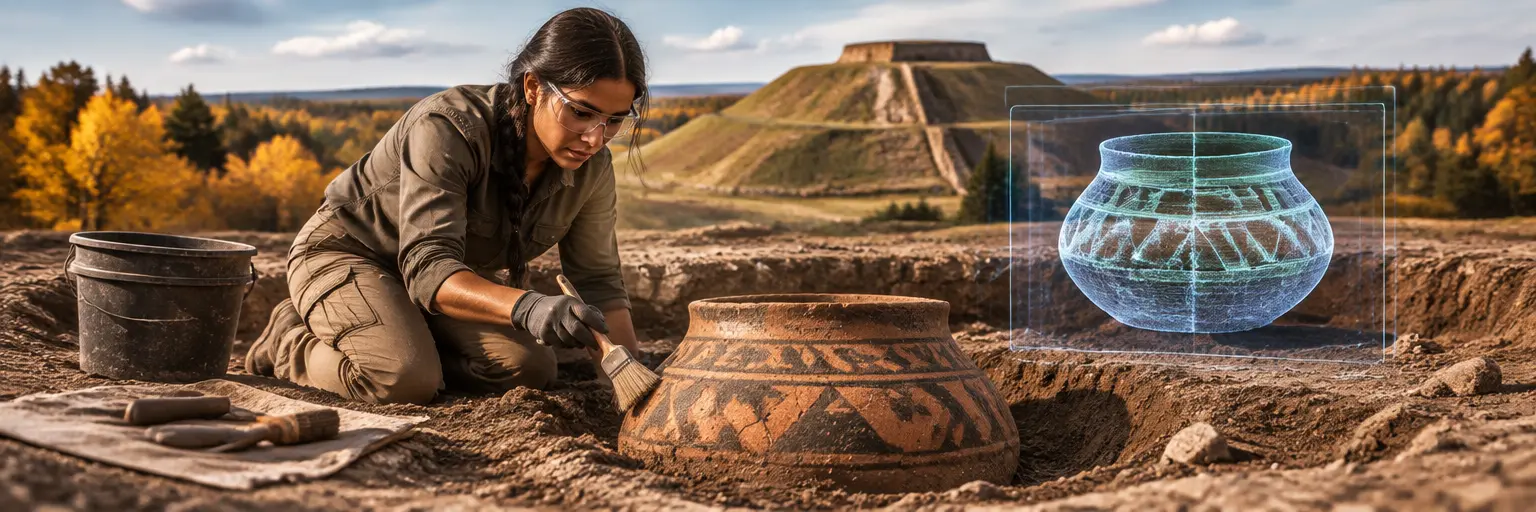
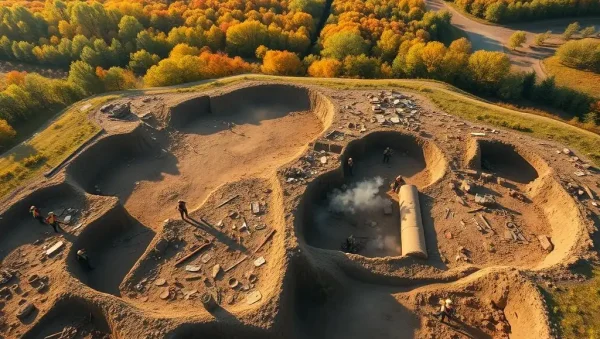
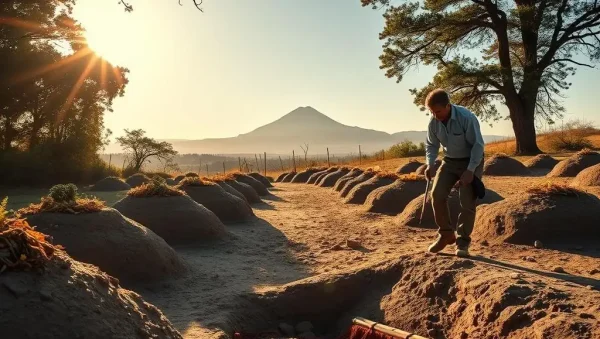
Recent excavations at Cahokia, near present-day St. Louis, have revealed intricate urban planning, including new residential districts and a previously unknown palisade system. This large Mississippian site, once home to over 20,000 people, continues to yield evidence of sophisticated social hierarchies and long-distance trade networks. Using LiDAR and soil chemistry, archaeologists are now mapping plazas and causeways that connect ceremonial mounds, offering a clearer picture of daily life and governance.
What makes these findings revolutionary is the shift from viewing Cahokia as a simple chiefdom to recognizing it as a complex state-level society. Excavations of refuse pits have uncovered exotic goods like marine shells and copper, proving far-reaching exchanges with the Gulf Coast and Great Lakes. Each new dig layer provides tangible proof of Indigenous engineering, agricultural innovation, and cultural resilience—elements that were once erased from mainstream narratives. You’ll discover how modern technology is breathing new life into these ancient streets.
🦴 Burial Sites and Bioarchaeology: Reconnecting with Ancestors
In the American Southwest, recent excavations at Chaco Canyon and the Mimbres Valley have focused on respectful recovery and analysis of human remains, in close collaboration with descendant tribal communities. Using ancient DNA and isotopic analysis, scientists are tracing migration patterns, diet, and kinship ties that span centuries. One striking find: a mass burial near Mesa Verde suggests a period of severe drought and social upheaval, but artifacts also show cultural continuity, not collapse.
This subcategory emphasizes ethical archaeology, where tribal consultation is paramount, not an afterthought. Newly developed repatriation protocols are leading to reburial ceremonies, but not before offering unprecedented insights into health, trauma, and family relationships. For example, dental analyses reveal that many individuals survived childhood malnutrition, indicating strong community care networks. These findings help modern Indigenous nations reclaim their histories while also challenging colonial-era assumptions about pre-contact societies being static or primitive.
📜 Trade Networks and Exotic Artifacts: The Pacific Coast
Excavations along the Pacific Northwest coast, particularly at Ozette in Washington State, have uncovered plank houses buried by a mudslide nearly 300 years ago, preserving organic materials like baskets, ropes, and carved wooden tools. Recent digs have expanded into coastal shell middens, revealing vast exchange networks that stretched from Alaska to California. Obsidian blades sourced to specific volcanic quarries and dentalium shells used as currency provide hard evidence of intertribal commerce.
These coastal sites are rewriting the timeline of Indigenous maritime navigation, with radiocarbon dating pushing back seafaring lifeways to over 12,000 years ago. A newly uncovered whaling canoe paddle, adorned with intricate carved crests, showcases not only artistic mastery but also the deep spiritual connection to the ocean. As researchers sift through layers of fish bones and tool fragments, they reconstruct seasonal subsistence patterns, climate adaptation, and even early social stratification. This is not sterile science; it’s a vivid portrait of vibrant, interconnected economies.
🌽 Agricultural Innovations: The Eastern Woodlands
Recent excavations in the Ohio River Valley and the Southeast have focused on pre-maize horticulture, demonstrating that Indigenous peoples cultivated squash, sunflower, and marshelder thousands of years before corn arrived. At the Kincaid Mounds site, microbotanical remains from grinding stones reveal a complex crop rotation system that improved soil fertility. Excavators also found buried storage pits lined with clay, showing meticulous planning for seasonal food security and surplus.
These agricultural discoveries challenge the narrative that maize was the sole catalyst for societal complexity. Instead, they reveal a gradual, sustainable innovation based on local knowledge. New archaeological experiments, including replanting ancient strains, have shown surprising yields and drought resistance. By integrating paleoethnobotany with community oral histories, researchers are identifying species once thought lost. This work provides a powerful model for modern permaculture, while also celebrating the sophisticated engineering and ecological stewardship of Native ancestors.
🛡️ Conflict and Fortifications: The Great Plains
Excavations at a newly identified Antelope Creek site in Texas have uncovered massive earthwork fortifications dating to the 14th century, complete with watchtower bases and moats. This challenges earlier assumptions that Plains societies were exclusively nomadic. Arrow points embedded in palisade walls, alongside burned structural timbers, indicate episodes of intense inter-group conflict, likely over resources during climate swings. Yet, nearby graves show healed wounds, suggesting not total war but managed rivalries.
Recent surface surveys using ground-penetrating radar have located entire buried village complexes, including circular council houses and ceremonial lodges. These excavations are facilitated by Google Earth imagery and drone mapping, yet ground-truthing still unearthed vital artifacts like buffalo scapula hoes and painted pottery shards. The narrative emerging is one of dynamic defensive strategies, seasonal gatherings, and flexible social alliances. This subcategory highlights how archaeology dismantles stereotypes of the "peaceful savage" just as fiercely as it refutes the myth of the "warrior race"—offering a nuanced, evidence-driven view of Indigenous lifeways.
Frequently Asked Questions
What is the primary focus of recent excavations in North American sites?
Recent digs prioritize collaborative, ethical fieldwork that involves descendant tribal communities. They aim to uncover household activities, trade networks, and urban planning, using advanced science like ancient DNA and LiDAR. The focus is less on trophy artifacts and more on daily life, sustainability, and long-term cultural resilience across pre-contact societies.
How are indigenous communities involved in modern archaeological digs?
Indigenous nations now serve as co-researchers, guiding excavation locations, sacred site protection, and artifact curation. They review research questions and often require traditional knowledge to be integrated with scientific methods. This partnership ensures that finds are interpreted respectfully, and many artifacts are repatriated for use in cultural revitalization programs.
What is the most surprising recent discovery in Eastern North America?
Perhaps the discovery of pre-maize agricultural systems, including sophisticated squash and sunflower cultivation dated to 5,000 years ago. At sites like Poverty Point, storage pits and grinding tools reveal organized food surplus without any evidence of maize, proving that complex societies arose from diversified, native plant domestication—not just a single crop.
How do you determine the date of newly excavated artifacts?
Archaeologists use radiocarbon dating on organic remains like charcoal, bone, or seeds, alongside thermoluminescence for burnt stone. For more precise timelines, dendrochronology (tree rings) is applied to wooden posts. Stratigraphy, or layering of soil, also helps, but modern labs often combine multiple methods to cross-verified ages.
Are there any active excavation sites the public can visit?
Yes, several, including Cahokia Mounds State Historic Site in Illinois and the Moundville Archaeological Park in Alabama, offer public tours and working labs. Additionally, virtual digs via 3D modeling databases allow remote exploration. Always check tribal permissions, as some sites are culturally sensitive and not open to visitors to protect spiritual integrity.