Understanding the Loss of Languages in the Americas
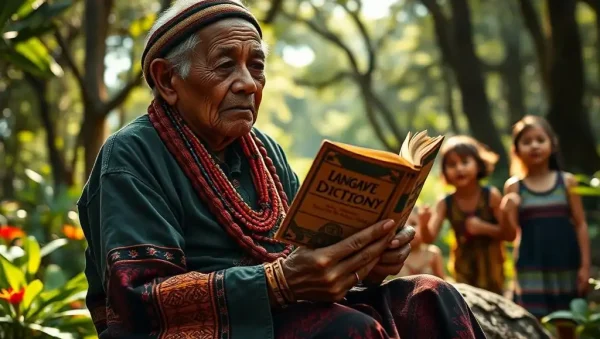
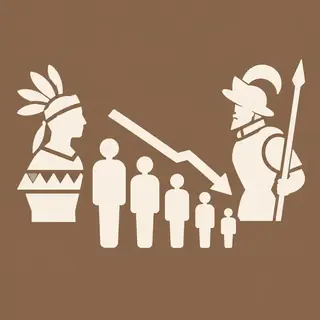
The subcategory "Loss of Languages" within European Conquest and Impact examines one of the most profound and irreversible consequences of colonization: the systematic disappearance of indigenous languages across the Americas. Before 1492, an estimated 1,000 to 2,000 distinct languages were spoken, but today fewer than 200 remain with fluent native speakers. This section explores how conquest, missionization, forced assimilation, and modern globalization have driven this decline, while also highlighting contemporary revitalization efforts. By understanding this linguistic erosion, you gain insight into the broader loss of indigenous knowledge, cosmology, and identity—a vital part of the Indigenous Civilizations of the Americas narrative.
🕊️ The Role of European Conquest in Language Suppression
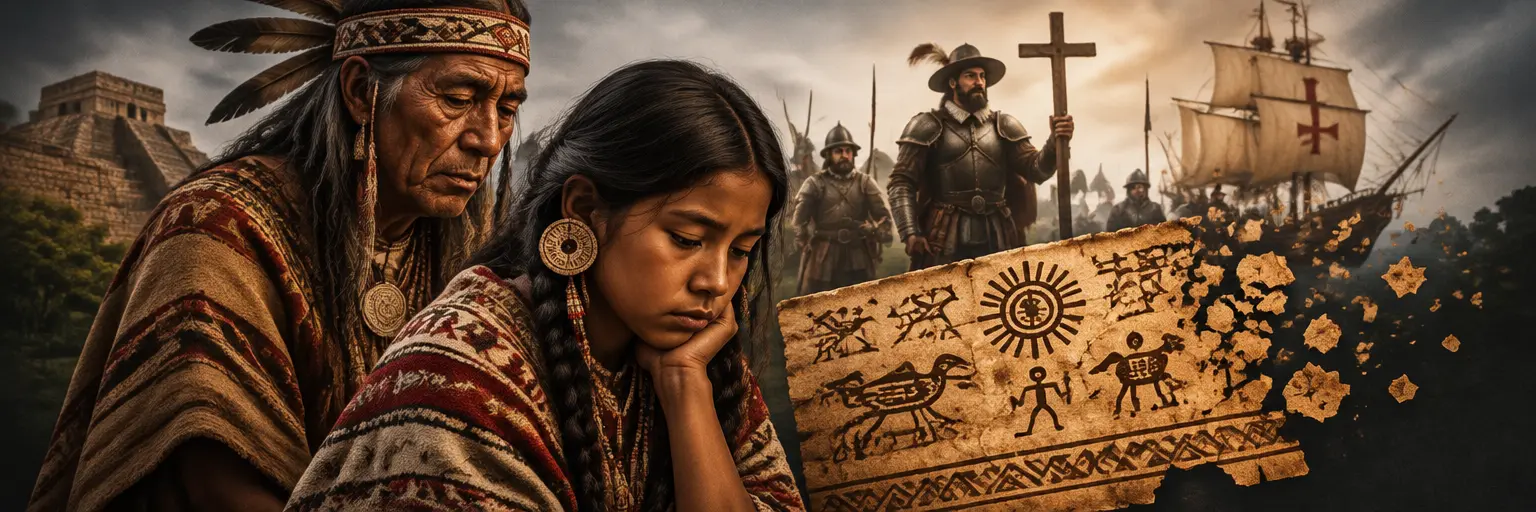
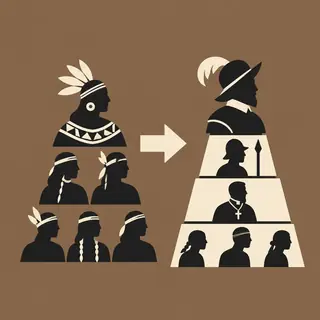
European conquest systematically dismantled indigenous linguistic landscapes through violence, legal restrictions, and colonial administration. Spanish, Portuguese, English, French, and Dutch became languages of power, while native tongues were relegated to inferior status. Colonial policies often punished speaking indigenous languages in schools, churches, and courts, creating a climate where parents chose to teach their children the conqueror's language for survival. For example, in the Andean region, Quechua and Aymara were suppressed in favor of Spanish, despite being spoken by millions. This suppression was not accidental but a deliberate strategy to erase cultural memory and facilitate political control.
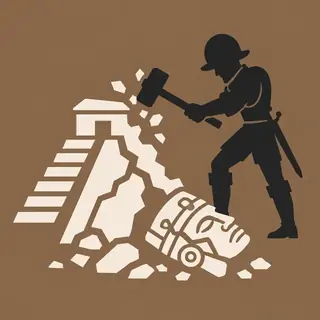
Missionaries also played a dual role—some learned indigenous languages for conversion, but their grammar books and dictionaries often standardized and altered them, while others actively forbade native speech. The destruction of codices and oral traditions further severed the transmission chains. As a result, entire language families, such as the Chibchan languages of the Caribbean, vanished within two generations of contact. This historical context is essential for understanding why today many communities see language loss not as natural decay but as a colonial wound still bleeding.
📜 Forced Assimilation and Boarding School Erasure
The 19th and 20th centuries saw intensified forced assimilation campaigns, particularly in the United States, Canada, and Chile. Government-run boarding schools removed indigenous children from their families and punished them for speaking their mother tongues, often with physical abuse. In the U.S., the Carlisle Indian Industrial School and its successors aimed to "kill the Indian, save the man," systematically erasing hundreds of tribal languages. Similar policies in Canada’s residential schools and Australia’s Stolen Generations had devastating effects, creating generations who could not pass on their linguistic heritage.
These policies broke the intergenerational chain of language transmission, a critical factor in survival. Even after schools closed, the psychological trauma and shame associated with native languages persisted, leading many elders to refuse teaching their children. Today, more than 130 indigenous languages are extinct in North America alone, and dozens more have fewer than ten elderly speakers. Understanding this forced erasure helps explain why revival efforts face enormous emotional and logistical hurdles, yet also why they are pursued with such passion and resilience.
🌍 Globalization, Urbanization, and Modern Pressures
Even outside overt coercion, economic and social pressures have accelerated language loss. Urban migration away from traditional lands breaks the close-knit communities where language thrives. In cities, indigenous people often adopt dominant languages for employment, education, and daily interactions. Media, the internet, and entertainment overwhelmingly use colonial languages, making indigenous tongues invisible in public life. For example, Nahuatl, once the lingua franca of the Aztec Empire, now survives mostly in rural pockets of Mexico, facing stiff competition from Spanish in every domain.
Additionally, climate change and resource extraction displace communities, further fragmenting language territories. When a community moves, its ecological knowledge—encoded in specific words for plants, animals, and weather—loses relevance. Modern education systems, even when inclusive, rarely offer specialized curricula in indigenous languages due to lack of funding and materials. These pressures create a vicious cycle: fewer speakers mean fewer resources, which accelerates decline. Yet, this section also shows that language loss is not inevitable; many communities are adapting their languages to modern contexts, including creating new words for technology and urban life.
🪔 The Cultural and Cognitive Costs of Language Loss
Each language is an irreplaceable repository of unique worldviews, oral histories, and environmental knowledge. For instance, the Yagán language of Tierra del Fuego has words for over a hundred distinct types of rain and snow, reflecting a deep attunement to climate. The Guaraní language encodes complex kinship and land relationships that have no precise English equivalents. When a language dies, humanity loses not only vocabulary but also a unique way of organizing thought and relating to nature. Cognitive scientists argue that language shapes perception, so the loss of these languages diminishes the diversity of human reasoning.
Moreover, for indigenous peoples, language is often inseparable from spiritual identity and ceremonial practice. Many rituals, songs, and prayers lose their power when translated, as their meaning is embedded in sound and rhythm. The decline of a language frequently coincides with declining mental health and wellness in communities, as cultural disconnection contributes to depression and substance abuse. Conversely, language revitalization has been shown to boost self-esteem, community cohesion, and even health outcomes. Understanding these costs emphasizes that saving languages is not merely academic nostalgia but a critical act of cultural and human preservation.
🌟 Revitalization and Resilience in the 21st Century
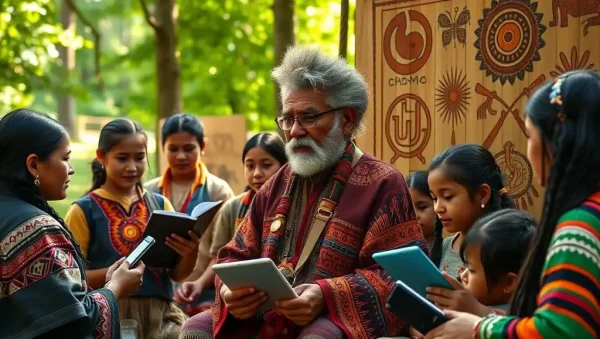
Despite immense loss, there is a powerful movement to reclaim indigenous languages. New Zealand’s Māori, Hawaii’s Hawaiian, and the Welsh (in the broader British context) provide successful models. In the Americas, the Cherokee Nation’s language resurgences use immersion schools, online apps, and community-driven documentation. The Quechua and Aymara communities in Peru and Bolivia have achieved official language status, with radio and TV programs and university courses. Digital tools like language apps (e.g., Duolingo’s courses in Navajo and Hawaiian) and online dictionaries are expanding reach, particularly among young diaspora members.
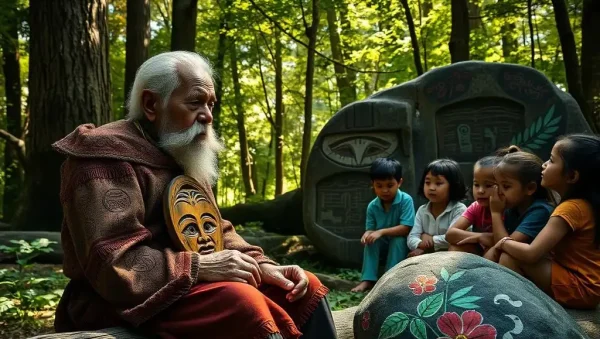
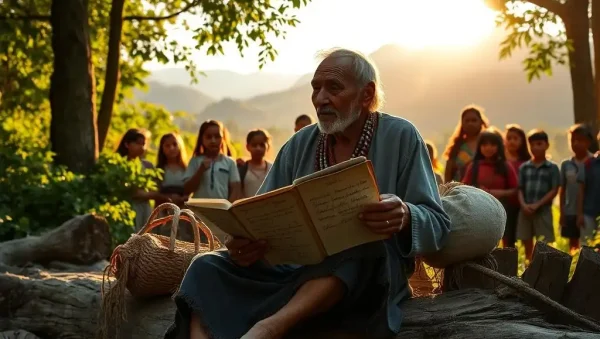
Key to success is intergenerational transmission, often achieved through “language nests” where elders teach children in immersive settings. Grassroots activism, legal recognition, and funding from governments and NGOs are also critical. For example, the 2016 Native American Languages Act reauthorization in the U.S. provided federal support. Revitalization is slow, often taking decades, but every new speaker is a victory. This section offers hope, showing that while the conquest caused catastrophic loss, the resilience of indigenous communities proves that languages are not necessarily lost forever if they have documentation and committed speakers.
Frequently Asked Questions
What is the main cause of indigenous language loss in the Americas?
The primary cause is European colonization, which included violent suppression, forced assimilation policies, and the imposition of colonial languages. Over centuries, boarding schools, legal penalties, and social stigma systematically discouraged native language use, breaking the intergenerational transmission that keeps languages alive.
Are any indigenous languages of the Americas still spoken today?
Yes, though many are endangered. Approximately 200 indigenous languages still have active speakers, including Quechua (with millions of speakers), Guaraní, Nahuatl, Maya languages, and Aymara. Some, like Guaraní in Paraguay, have official status and are widely spoken by both indigenous and non-indigenous populations.
How does language loss affect indigenous identity?
Language is a core carrier of identity, encoding history, spirituality, and kinship. Its loss often leads to feelings of cultural dislocation and lower self-esteem. Conversely, revitalizing a language strengthens community bonds, reaffirms indigenous pride, and helps preserve unique worldviews and ecological knowledge.
Can a lost language be fully revived?
Full revival is extremely difficult but not impossible, as seen with Hebrew and Cornish. Success depends on comprehensive documentation, dedicated community effort, and intergenerational learning. However, many endangered languages are being revitalized to functional use, even if not to historical levels of fluency.
What can individuals do to help preserve indigenous languages?
Support indigenous-led language programs through donations or volunteer time. Learn and use indigenous words respectfully, promote media in those languages, and advocate for government policies that fund immersion schools and documentation. Most importantly, amplify indigenous voices and avoid dismissing their languages as irrelevant.