Healing Traditions: How Syncretic Practices Shaped Medicine in the Americas
🌱 Indigenous healing traditions in the Americas reflect a rich tapestry of knowledge, blending ancient practices with new influences. This article explores…
Read article
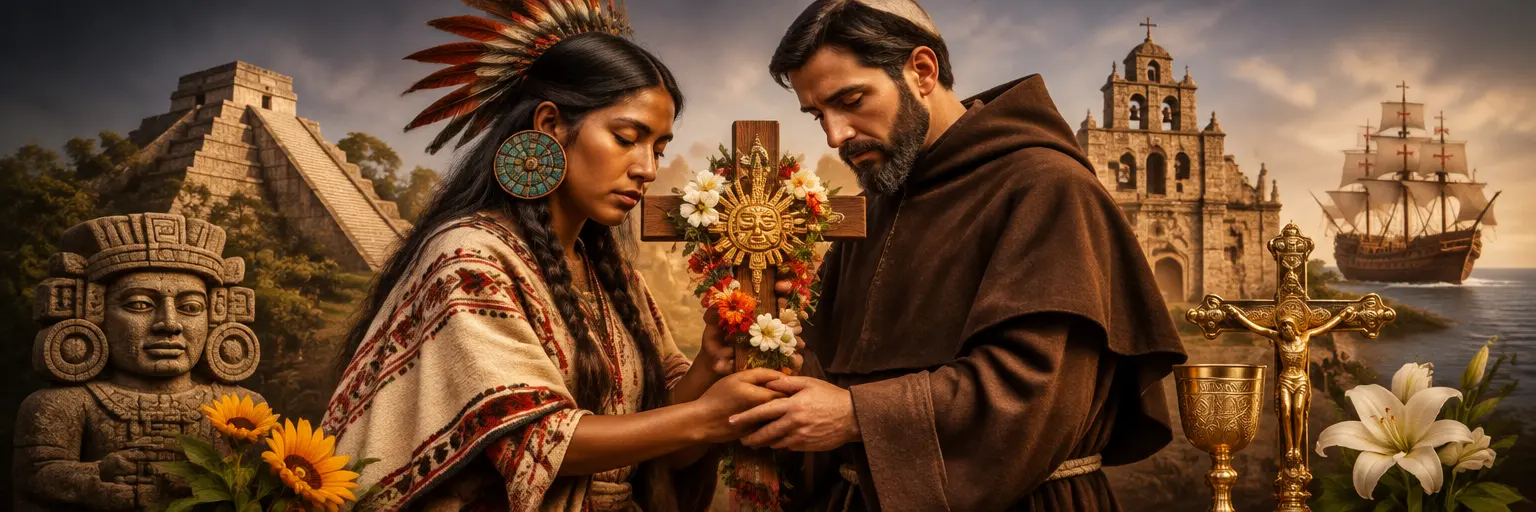
Syncretic practices emerged as a powerful and resilient response to European conquest, blending indigenous beliefs with introduced Catholic traditions. This cultural fusion—seen in rituals, art, and daily life—allowed Native communities to preserve ancestral identities while navigating colonial rule. From the Day of the Dead merging Aztec mortuary rites with All Saints’ Day, to Andean Pachamama offerings intertwined with Christian saints, these practices highlight creativity and adaptation. Explore how syncretism became a shield of resistance, a bridge between worlds, and a living legacy that still shapes the Americas today. Discover the nuanced ways indigenous peoples reclaimed agency through hybrid spirituality, festivals, and sacred objects—proving that conquest could transform but never erase their profound cultural roots.
🌱 Indigenous healing traditions in the Americas reflect a rich tapestry of knowledge, blending ancient practices with new influences. This article explores…
Read article
🌍 Indigenous syncretic practices in America reveal how diverse cultures blended traditions to navigate challenges. This article explores the rich tapestry of…
Read article
🌍 Indigenous cultural syncretism strategies serve as powerful tools of resistance against cultural erasure. By blending traditional practices with new influences, indigenous…
Read article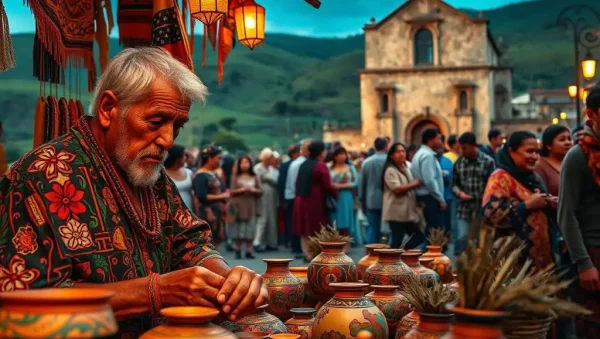
🌍 Exploring the intricate tapestry of indigenous beliefs and European influences reveals how diverse cultures adapted and evolved, merging spiritual practices and…
Read articleWhen European colonizers arrived in the Americas, they didn’t simply replace Indigenous beliefs; they sparked a complex, often painful, but profoundly creative process of cultural blending. Syncretic practices emerged as Indigenous peoples adapted, resisted, and reimagined Catholicism, European governance, and material culture alongside their own ancestral traditions. This subcategory explores how these hybrid forms—from religious rituals to agricultural cycles and artistic expressions—became dynamic tools for survival, identity, and quiet defiance. For those researching the European Conquest and Impact, understanding syncretism is key to seeing how Indigenous civilizations didn’t vanish but transformed, leaving a rich, layered legacy that still pulses in modern Latin American and North American life.
At the heart of syncretic practices lies the fusion of spiritual worlds. Indigenous communities often mapped Catholic saints onto their own deities, creating a dual worship system that satisfied colonial authorities while preserving ancient cosmologies. The Virgin of Guadalupe in Mexico, for example, is widely seen as a Christianized version of Tonantzin, an Aztec earth goddess. Similarly, Andean communities merged the Pachamama (Mother Earth) with the Virgin Mary, offering coca leaves and chicha during Catholic feast days. This wasn’t mere submission—it was strategic adaptation. Ritual calendars, dance troupes, and sacred music incorporated pre-Columbian rhythms and instruments, turning church festivals into living repositories of Indigenous memory. Expect detailed case studies on how these blended practices created new, powerful spiritual geographies that still shape pilgrimages, healing ceremonies, and community identities today.
Food and farming became quiet battlegrounds and bridges of cultural exchange. Syncretic agricultural practices combined European crops like wheat and livestock with Indigenous staples such as maize, beans, and quinoa, leading to innovative farming systems. The milpa (corn-bean-squash polyculture) was adapted to include European vegetables, while Andean terracing techniques were merged with introduced plows and draft animals. Culinary syncretism produced iconic dishes—like tamales wrapped in banana leaves or the Mexican mole—that blend Indigenous ingredients with Spanish spices and cooking methods. This section explores how food became a marker of resilience, identity, and daily negotiation. You’ll learn about the mita labor systems, the introduction of horses and cattle, and how Indigenous foodways influenced global cuisine, proving that even under conquest, taste and land remained deeply rooted in Indigenous hands.
Artistic and linguistic syncretism produced some of the most visible and cherished legacies of the colonial encounter. Indigenous artisans mastered European techniques (like oil painting and baroque sculpture) but infused them with native motifs, colors, and symbolism—seen in the feathered mosaics of colonial Mexico or the qeros wooden cups of the Andes, which combined Inca aesthetics with Spanish heraldry. Music blended European string instruments with Indigenous drums and flutes, creating genres like the son jarocho and huayno, while languages like Quechua and Nahuatl absorbed Spanish loanwords and gave back terms like “chocolate” and “avocado.” This section covers how writing systems evolved—from pictographs to alphabetic transcriptions—and how bilingual catechisms and legal documents became tools for Indigenous litigation and cultural preservation. Expect vivid examples of how this artistic mestizaje remains a cornerstone of national identities across the Americas.
Syncretism wasn’t confined to temples or kitchens; it reshaped governance and social structures. Indigenous elites, known as caciques or kurakas, learned to navigate Spanish legal systems, using colonial courts to defend land rights and traditional privileges. They formed cabildos (town councils) that blended Spanish municipal administration with pre-Columbian kinship and tribute systems. The mita labor draft, for instance, was often reinterpreted through the lens of Inca reciprocity, while the cofradías (religious brotherhoods) became mutual-aid societies that funded festivals and maintained communal lands. This section provides a nuanced look at how Indigenous peoples leveraged colonial institutions to maintain autonomy, preserve social hierarchies, and even gain new political power. You’ll see how syncretic legal codes—like the Recopilación de Leyes de Indias—sought to protect Native communities, and how these frameworks influenced later independence movements and contemporary Indigenous rights claims.
Beyond grand rituals, syncretism operated in the micro-textures of daily life. Clothing combined European cloth with Indigenous weaves, producing the huipil or poncho as markers of community identity. Healing practices merged herbal knowledge with European medicine, birthing curanderismo and Andean yatiri traditions that still thrive. Even architecture fused styles—churches built over huacas and pyramids, using Indigenous labor and decorative elements. This section emphasizes that syncretism was not passive assimilation but a form of quiet resistance, allowing communities to maintain core beliefs under the guise of compliance. It also addresses challenges: missionaries often denounced syncretism as heresy, while later nationalist movements sometimes rejected it as impure. Yet today, Indigenous scholars and activists reclaim syncretism as a testament to resilience, adaptability, and the unbroken thread of Indigenous agency. Expect personal stories and community examples that bring this living history to light.
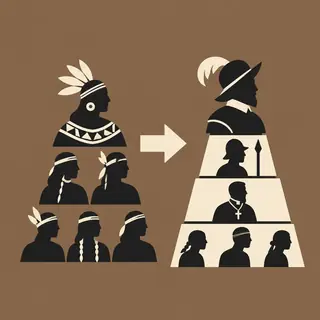
Syncretism involves deliberate blending where both cultures contribute elements, often creating new forms that retain distinct Indigenous cores—like Andean Catholicism. Assimilation, however, implies absorbing Indigenous peoples into European norms, erasing their practices. Syncretism is a creative negotiation; assimilation is a pressure and loss, though both coexisted during colonization.
Yes, authenticity isn’t about purity. Indigenous communities themselves define their traditions. Syncretic practices like the Day of the Dead or the Virgin of Guadalupe are authentically Indigenous because they embody Indigenous worldviews—such as cyclical time, reciprocity with ancestors, and land-based spirituality—even if wrapped in Catholic forms.
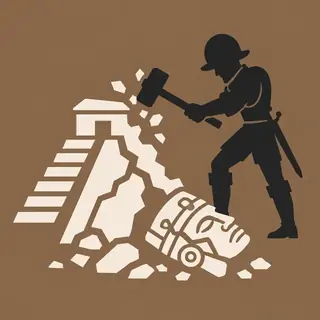
Most missionaries tried to suppress them, viewing them as disguised idolatry. They burned codices, banned dances, and punished healers. However, some adapted by using Indigenous languages and rituals to teach Christianity, which unintentionally reinforced syncretism. Over time, the Church often tolerated regional practices as long as they didn’t challenge core doctrine.
Yes, though often framed differently. The Ghost Dance blended Christian apocalyptic prophecies with Native renewal rites. Among Pueblo peoples, the kachina cults incorporated Christian saints. In the Southeast, the Green Corn Ceremony adopted European crops and holidays, while African-Indigenous interactions in places like Louisiana created distinct Afro-Indigenous syncretic traditions.
Syncretism proves that Indigenous cultures survived conquest—despite genocide and erasure. It’s a legal and cultural basis for land claims, language revival, and self-governance, since it shows continuity of community and identity. Modern Indigenous movements use syncretic symbols to assert sovereignty and to heal intergenerational trauma rooted in forced assimilation.