Exploring Social Classes in Ancient Civilizations
Dive into the intricate hierarchies that shaped daily life, power, and labor across the Americas’ great indigenous empires—from the Aztec *pipiltin* nobility to the Inca *ayllu* communal farmers. Understanding these social structures reveals how governance, religion, and economy intertwined, and how class mobility or rigidity influenced everything from art to warfare. This page unpacks the layers of privilege, duty, and identity that defined pre-Columbian societies, offering a nuanced view for history enthusiasts, students, and cultural researchers alike. Discover how class was not just a label but a lived reality with profound consequences for trade, tribute, and survival.
🏛️ The Noble Elite: Rulers, Priests, and Warriors
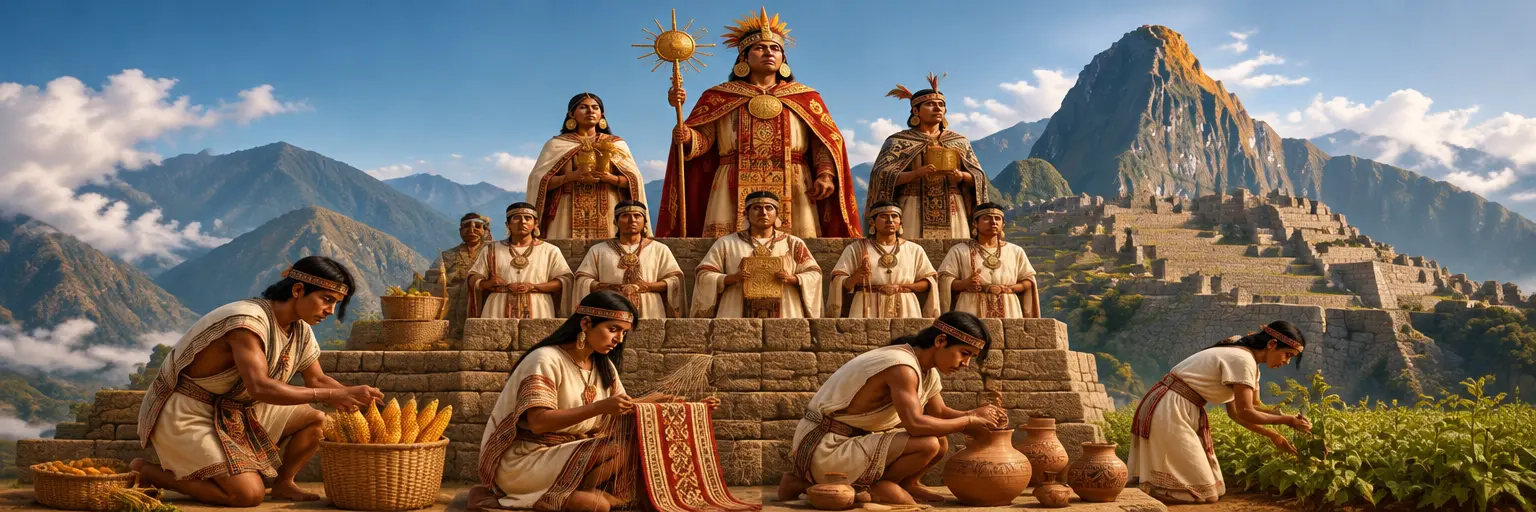
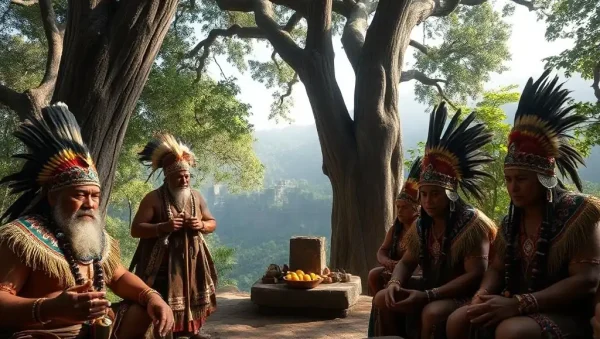
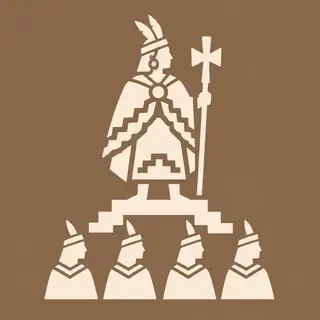
In most ancient American civilizations, a small hereditary elite held political, military, and religious supremacy. For the Maya, the *ajaw* (king) was a divine intermediary, while Aztec *tlatoani* ruled with absolute authority over city-states. These nobles controlled land, tribute, and ceremonial calendars, and their bloodlines were often mythologized to justify power. Priests formed a parallel elite, interpreting celestial cycles and orchestrating rituals that reinforced social order. Warriors earned elevated status through captives, enabling upward mobility in some cultures—yet the core privilege remained locked to birth.
This concentration of power also dictated architectural patronage, from pyramid temples to palatial complexes, and the codification of laws favoring the elite. Nobles wore distinctive cotton, jade, and feather regalia, signifying rank at a glance. Their roles extended to administering justice and leading long-distance trade, ensuring that economic surpluses flowed upward. For visitors to this subcategory, expect to learn how this nobility sustained legitimacy through ancestor worship and monumental art, and how succession crises often destabilized entire empires. The elite’s worldview—rooted in cosmic balance—became the template for every lower class’s obligations.
🌾 Commoners and Farmers: The Economic Backbone
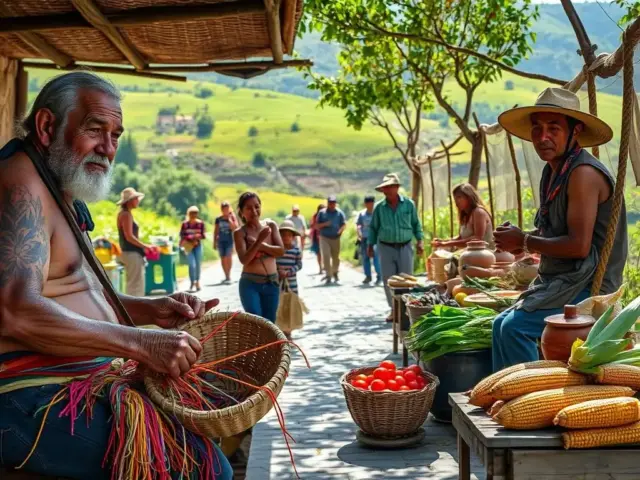
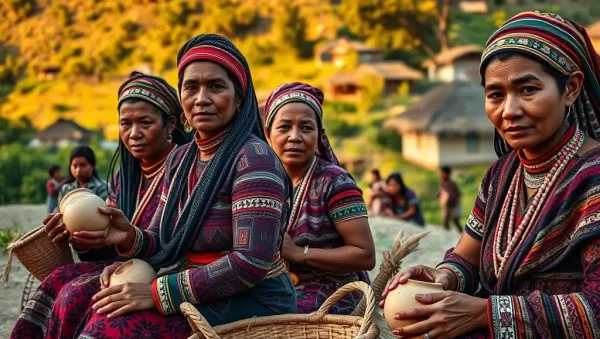
The vast majority of people—peasants, fishers, and artisans—were tied to the land or workshops. In Inca society, *puric* (able-bodied men) owed labor in the *mit’a* system, rotating between farming, road building, and mining for the state. Aztec *macehualtin* worked chinampas (floating gardens) and paid tribute in maize, beans, and cotton cloth. Daily life was seasonally regulated by agricultural cycles, and household production of pottery or textiles supplemented subsistence. Despite their low rank, commoners possessed legal rights to land usufruct (use, not ownership) under many systems, and their village councils mediated disputes without noble oversight.
Social mobility existed, but rarely—exceptional warriors or master artisans could be elevated to *pipiltin* status in Tenochtitlan. However, debt, crop failure, or conquest could push commoners into *mayeque* (serf-like) dependency or even temporary slavery. This section details the material culture of commoners (simple dwellings, utilitarian tools) and their festivals that inverted hierarchy, like Aztec *Toxcatl* where a sacrificed impersonator was honored. Expect to see how taxation and corvée labor funded monumental projects, and how colonial conquest disrupted these reciprocal ties, precipitating demographic collapse.
👥 Slaves, Servants, and the Marginalized
At the base of the pyramid were slaves (*tlacotin* in Nahuatl, *yana* in Quechua), often prisoners of war, debtors, or convicted criminals. Slavery was not hereditary in most Mesoamerican cultures—children of slaves were born free—and slaves could own property, marry, and even purchase freedom. Yet their lives were expendable, with ritual sacrifice heavily relying on enslaved captives. In the Andes, *yana* were permanently detached from their *ayllu* and served nobility, but some rose to administrative positions. Additionally, women in subordinate roles, such as Aztec *cihuacoatl* priestesses, held ritual honor but limited public power.
Marginalized groups also included foreigners, orphans, and the disabled, who often faced restricted civic participation. This subcategory examines the fluid boundaries of enslavement and the mechanisms of manumission, offering case studies like the Maya *pentac* or the Inca *yanacona*. You will learn how class intersects with gender and ethnicity, for instance, how noble Aztec women managed household estates while being excluded from formal politics. The section also addresses coercion’s moral economy—how slavery was rationalized via debt or warfare—and how archaeological evidence (mass burials, bound skeletons) reveals lived realities.
🛕 Class, Religion, and Ritual Obligations
Religious cosmology justified social strata: Aztec myths of the five suns linked nobles to the sun’s sustenance through blood sacrifice, while commoners offered labor. Inca state religion promoted the *Capaq Hucha*—child sacrificial proxies for provincial elites—to integrate conquered regions. Every class had ritual duties—from commoners’ calendar feasts to elite-sponsored public ceremonies where rank was visually reaffirmed. Temples doubled as administrative centers, and access to sacred precincts was restricted, reinforcing spiritual purity tied to social status. Priests often held parallel nobility, but some cultures allowed commoners to become *shamans* within village contexts.
Beyond state cults, household rituals varied by class: nobles performed lineage ancestor rites, while commoners venerated field deities. This segment explores how rituals of passage (birth, puberty, death) differed, with noble funerals featuring elaborate tombs and captive sacrifices. You’ll discover how maize, coca, and chicha (fermented drink) served as status markers—nobles drank from gold cups, commoners from clay. The interplay of *complementarity* (Andean reciprocity) against Aztec *tribute* reveals how religion legitimated inequality but also provided moments of social leveling, such as new-fire ceremonies where distinctions temporarily blurred.
⚖️ Mobility, Rebellion, and Colonial Disruption
No class system is static, and ancient American societies had internal pressures for change. Meritocracy routes—military valor for Aztec commoners, Inca bureaucratic advancement—allowed select individuals to rise, but these were exceptions. Periodic famines or military defeats triggered revolts, such as Maya peasant uprisings against demanding nobles or Inca provincial rebellions against tribute hikes. Nobility themselves engaged in factional strife, occasionally allying with lower classes to topple rivals. These dynamics complicate the “rigid caste” stereotype, showing pragmatic adaptations.
The arrival of Europeans violently overhauled these hierarchies: colonial *encomiendas* superposed Spanish nobility onto existing tiers, often erasing indigenous elites or coopting them as intermediaries. Forced resettlement (*reducciones*) dismantled *ayllu* communal structures, while disease killed disproportionate numbers of slaves and commoners. This section covers how some indigenous elites leveraged colonial courts to reclaim privileges, and how “mestizo” identities emerged as a new class. Expect analysis of continuity and rupture—the survival of *kurakas* (Andean lords) or Maya *caciques*—and how resistance movements, like the 1780 Túpac Amaru II rebellion, fused class with anti-colonial nationalism, recasting pre-Columbian class memory as a political tool.
Frequently Asked Questions
What was the highest social class in the Aztec Empire?
The highest class was the *pipiltin* (nobles), followed by the *tlatoani* (ruler). Below them were priests and warrior orders. Commoners (*macehualtin*) formed the majority, with slaves (*tlacotin*) at the bottom. However, exceptional warriors could earn noble status, though hereditary privilege dominated.
Did the Inca have a middle class?
No formal middle class existed. Society was divided into nobility (*orejones*), their retainers (*yana* and *mamacuna*), and commoners grouped in *ayllu* kinship units. However, skilled artisans and provincial administrators held higher status than ordinary farmers, creating a functional, if unofficial, middle tier.
How did slavery in ancient America differ from modern slavery?
Slavery was generally not hereditary—children of slaves were free. Slaves could own property, marry freely, and in some cultures, purchase their liberty. They were often war captives or debtors, and ritual sacrifice could be preferable to perpetual servitude, contrary to chattel slavery based on race.
Could commoners become priests or rulers?
For rulers, usually no—succession was dynastic. But priests, especially in village temples, could come from commoner ranks after rigorous training. In the Inca Empire, a commoner could rise to *curaca* (provincial leader) through service to the emperor, but top priesthood remained noble.
How did colonial contact change indigenous class systems?
Colonizers imposed a racial-legal hierarchy, often demoting indigenous nobles to tributary subjects, though some became *caciques* under Spanish law. The *mit’a* forced labor system exploited commoners, while native elites were sometimes absorbed into colonial bureaucracy. Over generations, *mestizaje* blurred old boundaries, yet many indigenous communities preserved class roles privately.