Exploring Pre-Columbian Governance Structures
Delve into the sophisticated political systems that shaped the Americas before 1492. From vast imperial bureaucracies to confederacies of autonomous villages, indigenous governance was as varied as the landscapes they inhabited. This subcategory uncovers how power was negotiated, legitimized, and exercised—revealing complex checks and balances, tribute networks, and legal codes that rivaled contemporary European models. Understanding these structures is essential for appreciating the full scope of indigenous advancements and achievements, as governance was the backbone of their monumental architecture, trade routes, and social resilience.
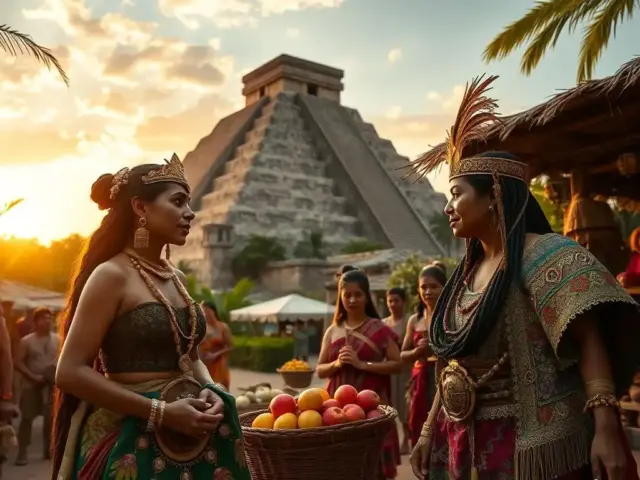
🏛️ Theocratic Empires: Divine Kingship in Mesoamerica
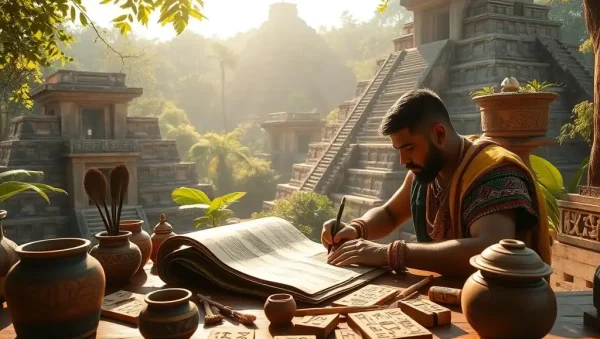
The Aztec and Maya epitomized theocratic governance, where rulers were considered living embodiments of deities. The Mexica tlatoani combined military, judicial, and ritual authority, while the Maya kʼuhul ajaw (holy lord) managed calendars and cosmic balance. Tribute systems funneled goods from conquered provinces to central capitals like Tenochtitlan and Tikal, fueling monumental construction and elite patronage. However, these empires were not absolute monarchies—nobles formed advisory councils, and succession often required approval from warrior societies and priestly orders.
What readers gain here is a nuanced view of how religious legitimacy translated into practical administration. You will explore codices and stelae that record dynastic politics, land redistribution, and even diplomatic marriages. The emphasis is not just on autocratic power, but on the negotiated authority between kings, nobles, and commoners, showing that pre-Columbian governance was dynamic and adaptable, not static or purely coercive.
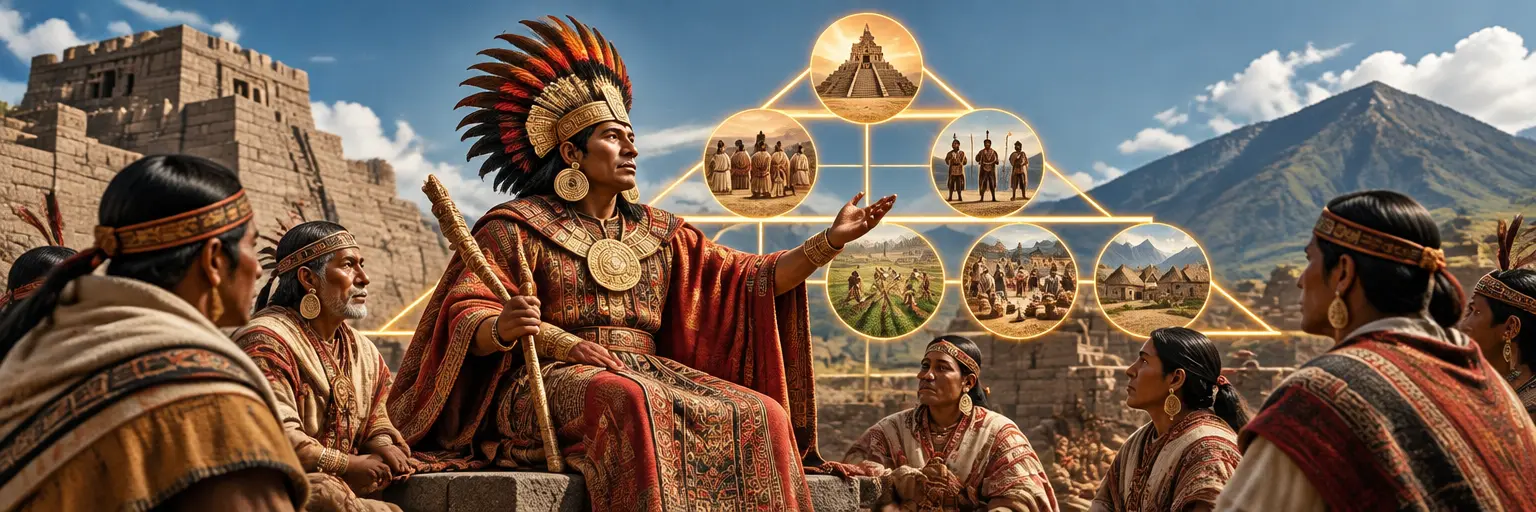
🌾 Andean Reciprocity: The Ayllu and Inca Statecraft
The Inca Empire, or Tawantinsuyu, relied on reciprocity and the ayllu—a kinship-based landholding group. The Sapa Inca distributed resources, labor, and military protection in exchange for mit’a labor and loyalty. This system was not merely extractive; it included storehouses (qullqa) that redistributed food during famines, and state-sponsored feasts that reinforced social bonds. Provincial governors (tukuy rikuq) reported directly to Cusco, but local ayllu leaders retained significant autonomy in daily governance.
This section illuminates how the Inca achieved integration without homogenization, allowing diverse ethnic groups to retain language and customs while participating in a unified state. You will learn about decimal administrative divisions, road networks for rapid communication, and the khipu as a governance tool. It’s a compelling case study in sustainable statecraft, showing that efficiency and welfare were intertwined, not opposed.
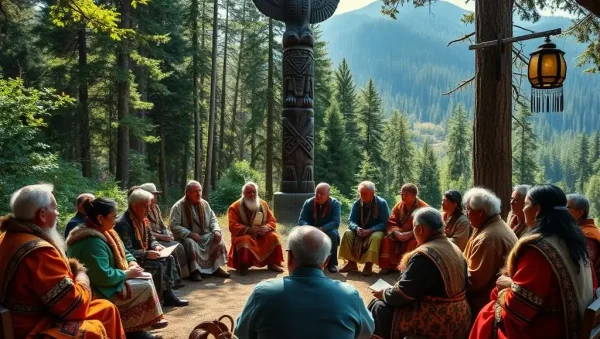
⚖️ Confederacies and Consensus: Eastern North America
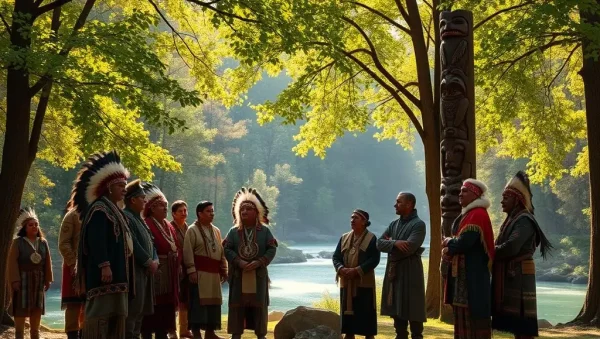
Contrary to simplistic portrayals of “chiefdoms,” the Haudenosaunee (Iroquois) Confederacy established a representative government with a bicameral council of sachems, clan mothers, and warrior societies. Their Great Law of Peace codified checks and balances, veto powers, and even a process for impeachment. Similarly, the Mississippian polity at Cahokia used a mix of hereditary rank and council deliberation, while the Powhatan and Timucua developed confederations of chiefdoms that balanced local autonomy with collective defense.
Here, readers discover that pre-Columbian governance often favored horizontal power sharing over vertical hierarchy. You’ll analyze archaeological evidence of palisaded towns, public plazas, and council houses as spaces for debate. The section also explores how these systems adapted to environmental stress, migration, and resource scarcity—providing timeless lessons in resilience and collective decision-making that remain relevant for modern political thinkers.
🗳️ City-States and Merchant Republics: Caribbean and Amazonia
The Taíno caciques governed through a hierarchy of nitainos (nobles) and naboría (commoners), but village councils often mediated disputes, and areítos (ritual dances) reinforced social contracts. In Amazonia, complex chiefdoms like the Marajoara of Marajó Island controlled trade in arable floodplains, while the Kalina and Carib practiced decentralized, kin-based rule with elected war leaders. The pochteca of the Aztec world operated as a merchant guild with legal privileges, effectively functioning as an economic “republic” within the empire.
This segment expands the geographic and conceptual scope of governance beyond imperial cores. You’ll see how trade networks, ritual reciprocity, and kinship alliances substituted for formal bureaucracy. The role of caciques as both political and spiritual leaders is examined, alongside evidence of gender-inclusive councils in some coastal groups. By the end, you’ll appreciate the remarkable diversity of governance models even among smaller polities.
📜 Codified Laws, Courts, and Judicial Practices
The Aztec tratados and Maya legal stelae reveal codified laws on property, theft, assault, and family matters, with courts presided over by professional judges (teuctlatoque). The Inca used tokoyrikoq (inspectors) to audit accounts and settle disputes, while the Maya used trial by ordeal in some cases but also had appellate review. Legal pluralism was common—conquered peoples retained their own customary laws unless they conflicted with imperial mandates. Public trials, formal testimonies, and written records were all part of these sophisticated judicial systems.
Reading this section will deepen your understanding that pre-Columbian societies were governed by rules, not just rulers. You will explore case studies of land disputes, inheritance, and marriage rights, including examples where women could own property and initiate legal action. The emphasis is on procedural fairness and social order, demonstrating that justice was not arbitrary but grounded in community consensus and documented precedent.
🔄 Succession, Councils, and Political Transitions
Frequent warfare, famine, or scandal often triggered succession crises, which pre-Columbian polities managed through elaborate rituals. Among the Maya, royal accession required bloodletting, vision quests, and participation in calendar ceremonies. The Inca used panakas (royal lineages) that jockeyed for power, but the capacocha rituals often solidified imperial unity. The Aztec tlacaelel argued that rulers should be elected by a council of nobles and warriors, not merely inherited. In North American confederacies, clan mothers nominated and could remove leaders by “raising their antlers.”
This final section examines how political stability was engineered, not accidental. You’ll learn about co-regency systems designed to train successors, and about civil wars that reshaped political boundaries. The discussion also highlights diplomatic marriages and hostage exchanges as governance tools. By comparing these systems, readers gain insight into how indigenous peoples balanced continuity with adaptation, ensuring their governments remained responsive to changing circumstances.
Frequently Asked Questions
What is a “pre-Columbian governance structure”?
It refers to the political systems, laws, and administrative frameworks used by indigenous peoples in the Americas before 1492. These ranged from centralized empires (Aztec, Inca) to confederacies (Haudenosaunee) and autonomous city-states. They included hereditary rule, councils, tribute systems, and codified laws, often integrating religious and economic authority.
Were all pre-Columbian societies theocratic?
No. While Mesoamerican empires heavily integrated religion into politics, many North American and Amazonian groups had secular councils, elective war leaders, and consensus-based decision-making. Even in theocratic states, noble councils and merchant guilds held significant power, limiting absolute rule.
How did they handle legal disputes without modern police?
They relied on community courts, appointed judges, and public testimonies. Penalties included fines, labor service, exile, or execution. For example, Aztec courts had judges, lawyers, and even appeals, while Inca inspectors audited regional affairs. Elders often mediated in kin-based societies.
Did women have political power in these structures?
Yes, though roles varied. Among the Haudenosaunee, clan mothers nominated leaders and could veto decisions. In Inca society, qoyas (queens) held separate estates and ceremonial roles. Maya royal women could rule as regents, and some Amazonian groups had female chiefs. Most systems, however, were male-dominated at the top.
Why do these structures matter today?
They offer alternative models of governance—especially in consensus-building, environmental stewardship, and checks on executive power. Modern democratic principles like federalism and bicameralism have parallels in confederacies like the Iroquois. Studying them challenges Eurocentric assumptions about “primitive” politics and inspires sustainable, participatory governance.