Understanding the Suppression of Indigenous Religions
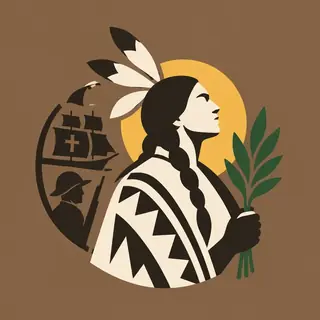
The subcategory Suppression of Indigenous Religions examines how European conquest disrupted, criminalized, and often eradicated the spiritual traditions of Native American peoples. This topic is crucial for comprehending the broader impact of colonization—not only on territory and population but on cosmology, ritual, and identity. For readers of Indigenous Civilizations of the Americas, this section reveals the resilience of belief systems under extreme duress, as well as the syncretic practices that emerged. Expect detailed analysis of missionary campaigns, legal decrees, and indigenous resistance, all contextualized within the larger narrative of European conquest and its lasting cultural scars.
🌎 The Role of Spanish and Portuguese Missionary Campaigns
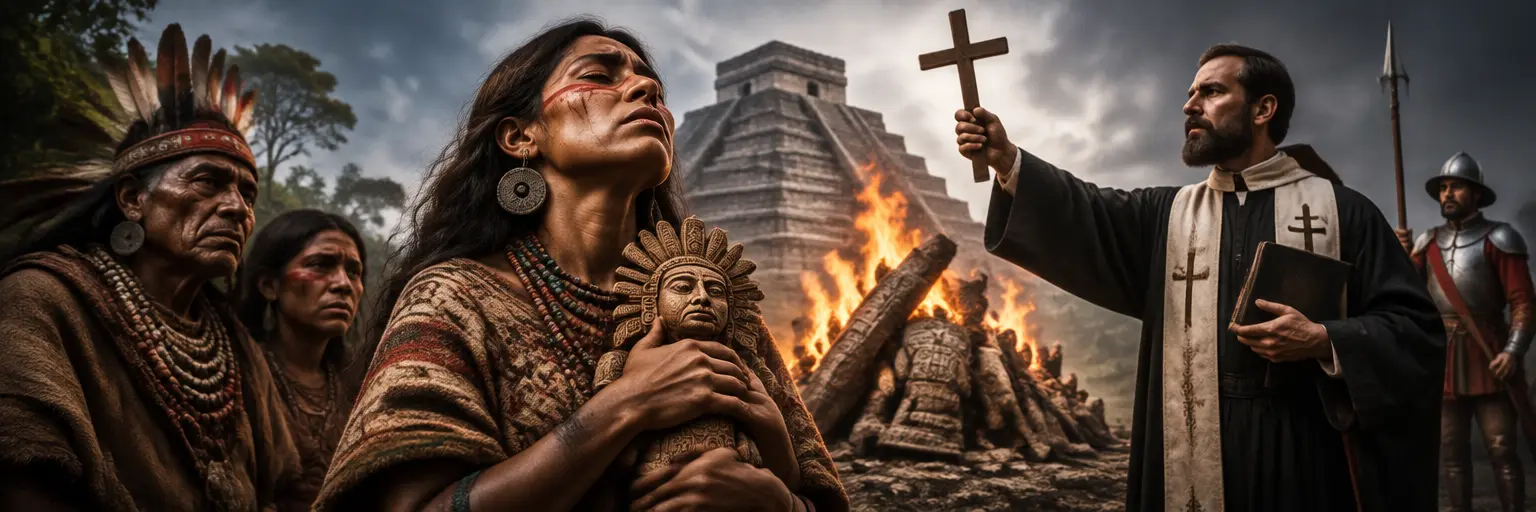
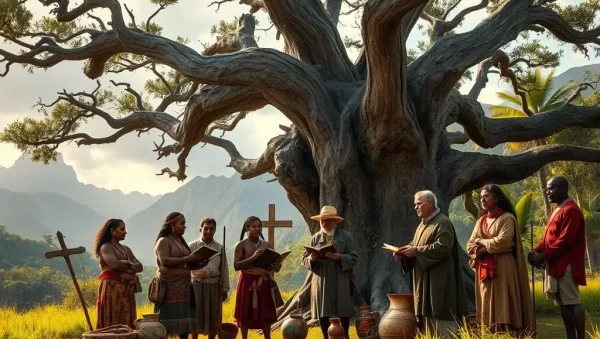
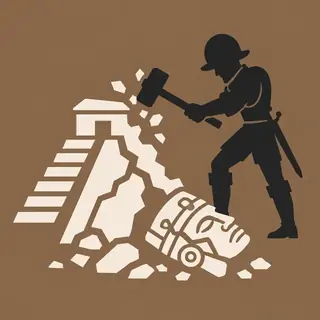
Under the banner of “spiritual conquest,” Spanish and Portuguese missionaries—primarily Franciscans, Dominicans, and Jesuits—systematically dismantled indigenous temples, burned sacred codices, and forbade traditional ceremonies. The auto-da-fé (acts of faith) in Mexico and Peru targeted not only objects but also indigenous priests, who were often tortured or executed. This suppression was legally justified through the Requerimiento (1513), a document demanding submission to Christianity or war. Missionaries established reducciones (villages) to concentrate populations, making religious surveillance easier. However, these campaigns were never wholly successful; many rituals survived secretly, disguised as Catholic feast days, creating the rich Afro-Indigenous and mestizo traditions seen today.
The destruction was not merely physical but epistemological. By erasing written and oral records, colonizers aimed to sever indigenous connections to ancestral lands and authority. Yet, archaeological finds, such as the Codex Mendoza and the Florentine Codex, show that some indigenous elites collaborated with friars to document their own culture—a double-edged act of preservation and adaptation. These sources provide modern historians with invaluable insight into pre-contact worldview, while also revealing how suppression reshaped indigenous identity. The legacy of these missions remains visible in contemporary debates over cultural patrimony and religious freedom.
📜 Legal Frameworks: Edicts and Punishments
European rulers codified suppression through decrees like the Laws of Burgos (1512) and later the New Laws (1542), which, while protecting indigenous labor rights, explicitly outlawed “idolatry” and mandated religious instruction. Local authorities enforced these with public whippings, imprisonment, and confiscation of property for those caught practicing ancestral rites. In colonial Mexico, the Inquisition extended its reach to indigenous people by the late 16th century, prosecuting cases of “heresy” and “backsliding.” These legal tools created a climate of fear, forcing communities to choose between public conversion and covert practice. The penalties were harsh: repeat offenders could face exile or death, as seen in the 1562 Yucatán auto-da-fé under Bishop Diego de Landa.
Despite the severity, legal codes also provided loopholes. Indigenous leaders often argued that their rituals were cultural, not religious, to avoid prosecution. Some successfully petitioned for exemptions by framing ceremonies as “civic” or “agricultural” practices. The courts, while biased, sometimes upheld these claims due to the complexity of defining belief versus custom. This legal grey area allowed certain communities, particularly in remote Andean or Amazonian regions, to maintain core practices under the guise of folk traditions. For researchers, these legal records are treasure troves, revealing both the mechanisms of repression and the creative legal agency of indigenous peoples.
🕯️ Syncretism and Hidden Resistance
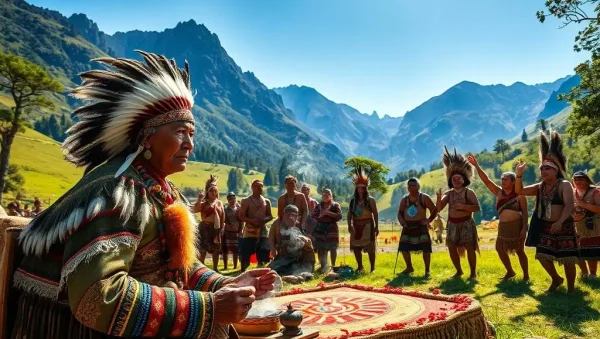
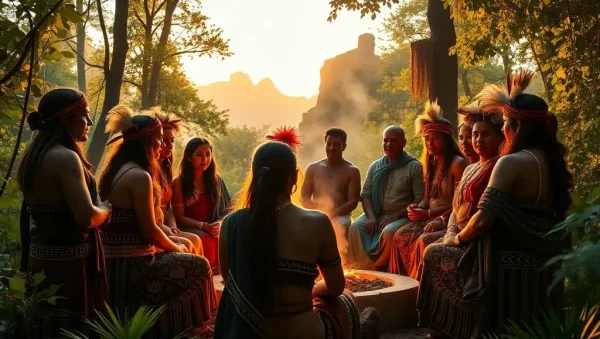
One of the most profound responses to suppression was religious syncretism—the blending of Christian and indigenous elements to preserve cosmological truths. In Mexico, the Virgin of Guadalupe was adapted from the goddess Tonantzin; in the Andes, the Pachamama (Earth Mother) was venerated alongside the Virgin Mary. These fusions allowed indigenous people to maintain a dual spiritual life: outwardly Catholic, inwardly ancestral. Festivals like Día de los Muertos merged pre-Hispanic death rites with All Saints’ Day, creating a vibrant tradition that persists. This was not passive assimilation but a strategic act of resistance, as communities negotiated meaning within a hostile framework.
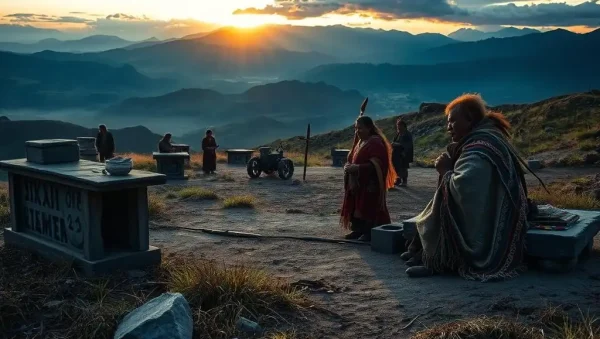
Hidden resistance also took the form of secret ceremonies held in caves, mountain shrines, or household altars. Oral traditions became the primary vessel for transmitting sacred knowledge, as written texts were destroyed. In the Amazon, the ayahuasca rituals survived underground, while in Central Mexico, the Danza de los Voladores continued as a masked performance, encoding astronomical and agricultural knowledge. Ethnographers have documented that even today, many “folk Catholic” practices contain latticeworks of pre-Columbian symbolism. This resilience challenges the narrative of total cultural erasure, emphasizing indigenous agency and the dynamic nature of religious identity under colonial pressure.
🏞️ Regional Variations in Suppression
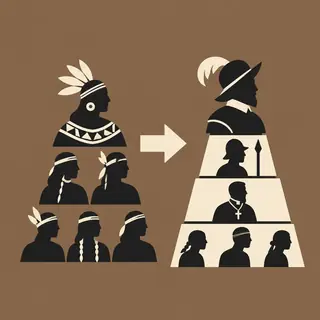
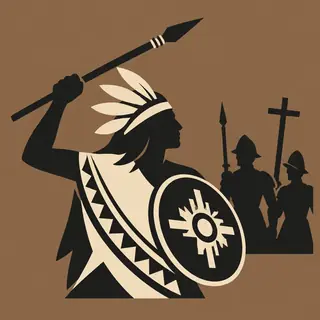
The intensity and method of suppression varied greatly across the Americas. In Mesoamerica, the Aztec and Maya elite were targeted first, as their priestly classes held significant political power. The Spanish destroyed complex calendrical and divinatory systems, fearing they rivaled Christian theology. In contrast, in the Andean region, the Inca religion was more centralized, with the Sapa Inca as a divine figure; suppression focused on dismantling imperial cults and replacing the Inti sun god with Christ. Meanwhile, in North America, French and English colonizers took a less systematic approach, but still banned indigenous ceremonies, such as the Potlatch in Canada (1884–1951), which was outlawed as anti-Christian and anti-capitalist.
These regional differences shaped the survival strategies of indigenous religions. In areas with less direct missionary presence, such as the Amazon basin or the Arctic, suppression was sporadic, allowing more intact traditions to persist into the 20th century. Conversely, in densely populated highland Mexico and Peru, suppression was omnipresent, but so was the creation of elaborate cofradías (religious brotherhoods) that blended governance and spirituality. Understanding these variations helps scholars appreciate that “suppression” was not monolithic; it was a patchwork of policies, negotiations, and unintended consequences that varied from village to village, decade to decade.
🛡️ Enduring Legacies and Modern Revitalization
The suppression of indigenous religions has had lasting consequences, contributing to systemic social inequalities, loss of language, and intergenerational trauma. However, the late 20th and 21st centuries have seen a vigorous revitalization movement. In the U.S., the American Indian Religious Freedom Act (1978) restored some rights, while in Latin America, constitutional reforms in countries like Bolivia and Ecuador now recognize indigenous spiritual practices. Contemporary movements reclaim sacred sites, revive rituals, and use digital media to teach youth, such as the Nahuatl speaking communities’ efforts to restore temazcal (sweat lodge) ceremonies. These efforts are not about returning to a pre-contact past but about healing cultural wounds and asserting self-determination.
For modern readers, this history offers powerful lessons about resilience, adaptability, and the human right to spiritual expression. Indigenous communities today often integrate traditional ecological knowledge with religious revival, showing how spirituality is tied to land stewardship. The suppression of indigenous religions is not merely a tragic chapter but a call for ongoing allyship. By studying this subcategory, one can better understand contemporary debates on repatriation of artifacts, protection of sacred lands (e.g., Standing Rock), and the need for inclusive educational curricula. The past is not dead; it is actively shaping indigenous futures.
Frequently Asked Questions
Why were indigenous religions suppressed by European colonizers?
European colonizers viewed indigenous religions as idolatrous and contrary to Christian doctrine, which they believed was the only path to salvation. Suppression was also politically motivated—religion reinforced indigenous social structures and community cohesion, which challenged colonial control. By dismantling spiritual leadership and sacred spaces, colonizers aimed to subjugate populations more effectively and integrate them into colonial economies as laborers under missionary oversight.
What were some common punishments for practicing indigenous religions?
Punishments ranged from public penance and confiscation of property to imprisonment and exile. In severe cases, such as under the Inquisition in Mexico or the Yucatán, offenders could face torture or execution. Whippings and forced labor were also common. Children were often separated from their families to prevent them from learning ancestral practices, echoing later residential school policies.
Did any indigenous religious practices survive the suppression?
Yes, many survived through syncretism, secrecy, and adaptation. Rituals were blended with Catholic saints, agricultural cycles, and masked dances. In remote areas, fully unaltered practices persisted, though often with hidden meanings. Today, communities like the Maya, Quechua, and Hopi maintain core ceremonies, sometimes with official recognition, demonstrating remarkable continuity despite centuries of repression.
How can I learn more about indigenous religions today?
Start by reading works by indigenous scholars like Vine Deloria Jr. or Linda Tuhiwai Smith. Visit living cultural centers, such as those in Oaxaca, Cusco, or the Great Plains. Support indigenous-led initiatives for language and ritual preservation. Always approach this topic with humility, respect, and a willingness to listen, as many sacred teachings are not meant for outsiders.
What impact did suppression have on indigenous languages?
Suppression directly linked language loss to religious erasure, as missionaries forbade native languages in favor of Spanish, Portuguese, or English. Songs, prayers, and oral histories were silenced. However, recent revitalization efforts, such as the Kichwa immersion schools in Ecuador, show that language and religion can be reconnected, helping to restore cultural pride and spiritual well-being.