Explore the Rich Legacy of North American Indigenous Art Forms
Dive into the vibrant, living traditions of North American Indigenous art forms—a cornerstone of the continent’s cultural heritage. From the intricate beadwork of the Plains nations to the towering totem poles of the Pacific Northwest, these artistic expressions are far more than decoration; they are carriers of history, spiritual beliefs, and social identity. On this page, you’ll uncover the techniques, materials, and symbolic languages used by Native artists across centuries, alongside their continued influence on contemporary art and global culture. Whether you’re a student, collector, or curious traveler, this guide illuminates how each piece tells a story of resilience, innovation, and deep connection to the land.
🏺 Traditional Materials and Craftsmanship
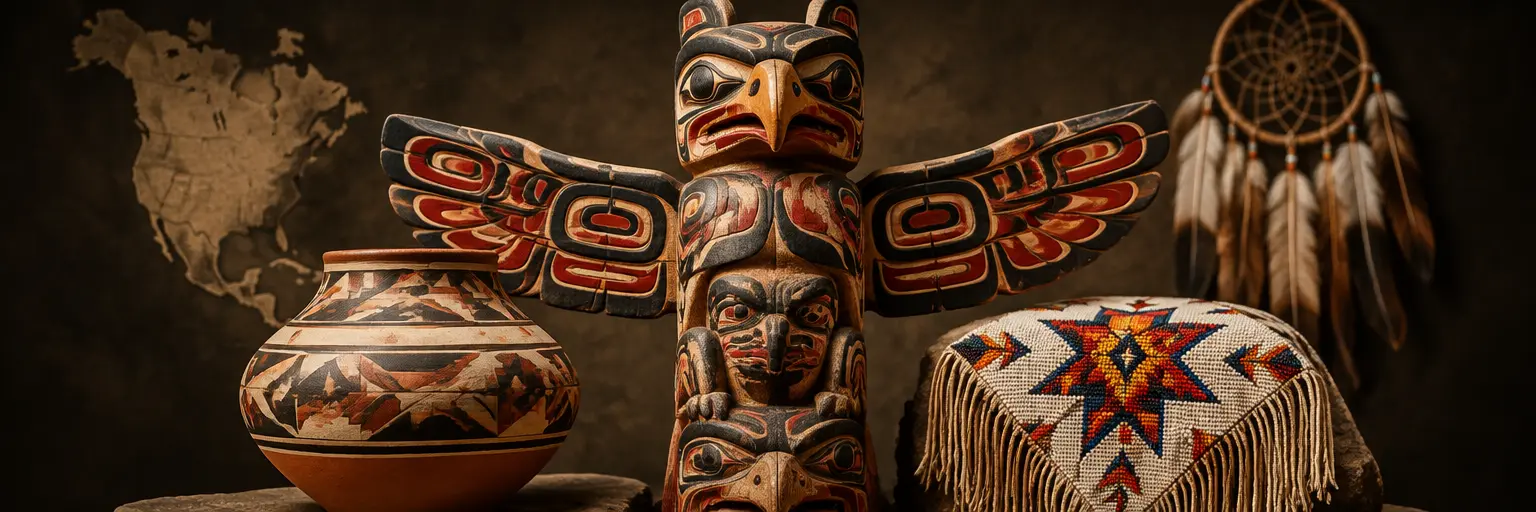
North American Indigenous art forms are rooted in a profound respect for natural resources. Artists historically used local materials—animal hides, bones, porcupine quills, clay, wood, and stone—transforming them through time-honored techniques like quillwork, basketry, and pottery. For example, Pueblo potters of the Southwest perfected coil-built ceramics with geometric, rain-inspired designs, while Great Lakes artisans crafted birchbark canoes and containers decorated with dyed spruce roots. These methods were not just functional; they encoded seasonal knowledge and communal values, such as the Iroquois “Three Sisters” motif in cornhusk dolls, symbolizing agricultural interdependence.
Today, many Indigenous artists blend ancestral processes with modern tools, but the spiritual intent remains. Regalia, ceremonial masks, and medicine bundles are still created with prescribed rituals, ensuring that each stitch or carve honors the ancestors and the environment. Understanding these materials and techniques offers a gateway into the worldview of Native peoples—where art is inseparable from daily life, ecology, and the sacred. For collectors, recognizing authentic craftsmanship also helps distinguish genuine pieces from mass-produced imitations.
🎨 Regional Styles and Symbolism
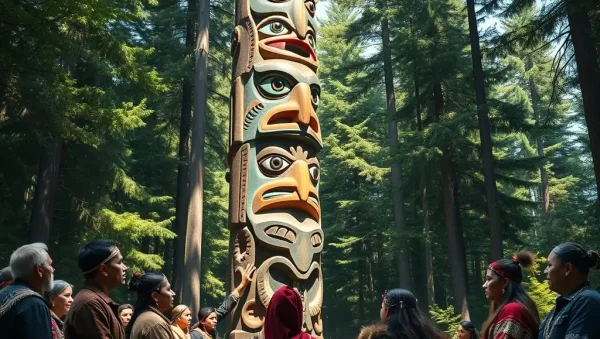
The vast geography of North America produced distinct artistic vocabularies. In the Northwest Coast, Haida, Tlingit, and Kwakwaka’wakw artists developed a bold, sculptural style with ovoid shapes and “formline” designs, often representing clan crests like the raven, eagle, or killer whale. Meanwhile, the Plains nations are celebrated for their pictographic hide paintings and feather work, which documented heroic deeds and celestial events. In the Northeast, Wampanoag and Iroquois artists excelled in wampum belt weaving—each purple and white shell bead conveyed treaties, genealogies, or prophecies.
Symbolism is never arbitrary. For instance, the Navajo “hogan” motif in weaving represents the four cardinal directions and harmony, while the Cree’s floral beadwork, introduced after European contact, blended new materials with old meanings of healing and renewal. By studying these regional differences, you’ll gain insight into how ecology, trade routes, and colonial interactions shaped unique visual languages that still thrive in powwows, museums, and galleries today.
👘 Ceremonial and Regalia Art
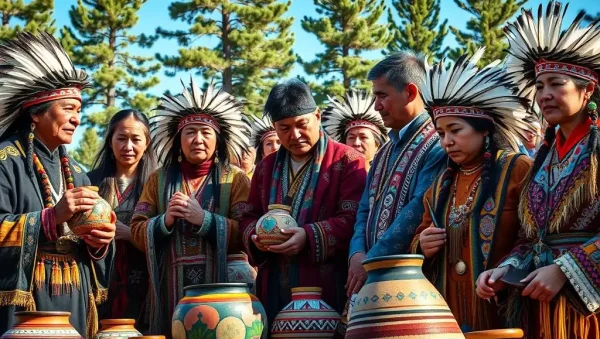
No art form in Native cultures is more deeply intertwined with spirituality than ceremonial objects and regalia. Headdresses, dance shawls, and sand paintings are typically crafted for specific rituals—like the Hopi Kachina dolls that embody ancestral spirits, or the Lakota “sun dance” shields painted with protective figures. These items are not merely displayed but activated through performance, song, and prayer, serving as bridges between human and spirit worlds. The intricate beadwork on moccasins or the dyed porcupine quills on a Sioux war bonnet each hold exact meanings, often known only to the maker and the community’s elders.
For outsiders, viewing regalia respectfully requires understanding its sacred context. Many tribes restrict photography or public display of certain pieces, especially those used in secret ceremonies. However, contemporary Indigenous artists also create “traditional-inspired” regalia for secular events, allowing wider appreciation. By learning about these protocols, you honor the living nature of these art forms, which continue to evolve while preserving ancient protocols—a balance that is the heart of Native cultural survival.
🌀 Contemporary Revival and Innovation
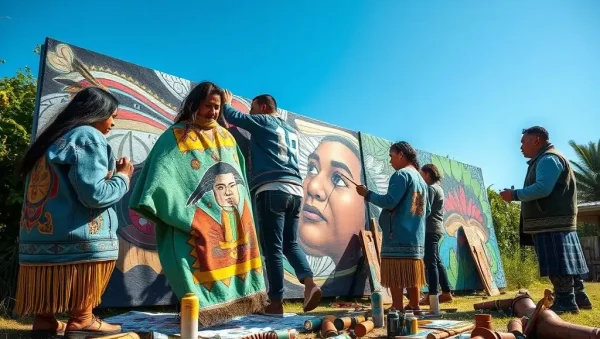
The 21st century has witnessed an extraordinary renaissance in North American Indigenous art. Artists like Jaune Quick-to-See Smith (Salish), Kent Monkman (Cree), and Dyani White Hawk (Lakota) are redefining modern painting, sculpture, and digital media, weaving traditional symbology with critiques of colonialism. This revival is supported by tribal art schools, such as the Institute of American Indian Arts, and by a growing market for authentic Indigenous works. Younger artists experiment with virtual reality, 3D printing, and street art, yet often return to cultural motifs—like the “Thunderbird” or “Medicine Wheel”—to assert sovereignty and identity.
Innovation is not abandonment. Many contemporary pieces still incorporate ancestral techniques, like the use of natural dyes or hand-carved wood, but with a fresh visual language that speaks to climate change, missing Indigenous women, or legal battles over land rights. For buyers and curators, supporting these artists directly ensures cultural continuity and economic empowerment. This dynamic fusion proves that Indigenous art is not a frozen relic but a living, breathing force shaping global contemporary aesthetics.
🖼️ Preservation, Ethics, and Collecting
As interest in North American Indigenous art grows, so do concerns about authenticity and cultural appropriation. Ethical collecting begins with provenance: ensure that pieces are either made by enrolled tribal members or legally licensed by the community. The Indian Arts and Crafts Act (1990) in the U.S. protects against counterfeit “Indian-made” goods, but gaps remain. Reputable galleries and museums now collaborate with tribal advisory boards, and many nations are developing digital repatriation databases for sacred items held abroad. For collectors, avoid purchasing items that depict ceremonial secrets or are prohibited for public sale, such as certain medicine bundles.
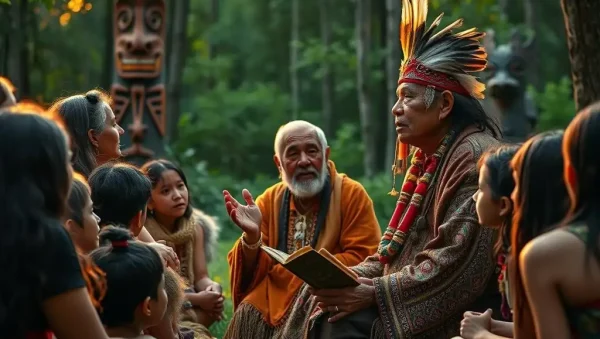
Preservation goes beyond objects. Language loss, climate change, and the looting of archaeological sites threaten intangible knowledge—like the songs that accompany weaving or the stories encoded in petroglyphs. Supporting Indigenous-led cultural centers, language nests, and youth mentorship programs is as vital as buying a painting. By choosing ethical, transparent sources and amplifying Native voices, you become part of a respectful stewardship that honors the past while ensuring these art forms thrive for generations to come.
Frequently Asked Questions
What are the most common materials used in North American Indigenous art?
Common materials include animal hides (deer, elk, bison), porcupine quills, bird feathers, clay, stone, wood (cedar, birch, pine), and plant fibers like sweetgrass, yucca, and willow. In historic times, trade introduced glass beads, metal, and wool, which were quickly incorporated but often with traditional symbolic meanings intact.
How can I tell if Indigenous art is authentic?
Ask for a certificate of authenticity, especially under the U.S. Indian Arts and Crafts Act. Look for the artist’s tribal affiliation and enrollment number if available. Examine quality—genuine quillwork or hand-coiled pottery often shows slight irregularities. Reputable dealers will provide provenance and often work directly with tribal cooperatives.
Is it appropriate to buy or display ceremonial objects?
It depends on the item and tribe. Many healing, initiation, or burial objects are prohibited from sale by tribal law. Public display of some regalia might be allowed for educational purposes, but never assume. Best practice is to consult tribal heritage offices or stick to contemporary, secular artwork that celebrates culture without violating sacred protocols.
What is the difference between “traditional” and “contemporary” Indigenous art?
Traditional art often follows ancestral techniques, materials, and designs for ceremonial or utilitarian use. Contemporary Indigenous art, while rooted in those traditions, explores modern themes, media, and personal expression, and may critique colonialism or address global issues. Both are valid, and many artists blend the two seamlessly.
How can I support Indigenous artists beyond buying their work?
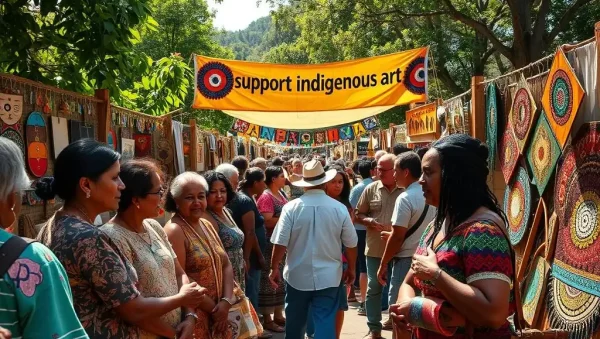
You can donate to Indigenous-led cultural foundations, attend and promote public art events and powwows, advocate for repatriation of stolen artifacts, and share their stories. Also, respect intellectual property—ask permission before photographing or reproducing artwork, and credit artists properly when sharing online. Education is your most powerful tool.