
Society and Culture
Discover the rich tapestry of Indigenous Civilizations of the Americas through our in-depth exploration of Society and Culture—a journey into the traditions, governance, and daily life that shaped pre-Columbian worlds. From individual roles in society and gender structures to ceremonial practices and festivals, we uncover how communities thrived across diverse environments. Dive into spiritual beliefs from the North American plains to the Andean highlands, and examine comparative political systems, including Mesoamerican governance and Inca hierarchies. Discover the artistry of traditional textiles, visual arts, and dance, alongside revolutionary writing systems like Maya hieroglyphics and the Inca quipu. We also highlight linguistic preservation, sustainable resource management, and enduring postcolonial syncretism. Whether you’re fascinated by ancient social classes, cuisine, or environmental adaptations, this hub offers a compelling look at how these civilizations shaped the Americas’ cultural heritage—and why their legacy matters today. Explore their stories, from slavery and servitude to music and art, and grasp the profound resilience that still resonates.
 North American Indigenous Art Forms
 Music and Andean Instruments
 Slavery and Servitude
 Mesoamerican Religions
 Climate Impact on Societies
 Sustainable Practices
 Inca Quipu System
 Social Classes in Ancient Civilizations
 Cuisine and Food Traditions
 Andean Religious Practices
 Andean Political Hierarchies
 Gender Roles and Family Structures
 Environmental Adaptations
 Dance and Performing Arts
 Mesoamerican Governance Systems
 North American Indigenous Political Systems
 Festivals and Social Events
 Other Indigenous Writing Systems
 Visual Arts in Mesoamerica
 Maya Hieroglyphics
 Syncretism in Postcolonial Religions
 Ceremonial Practices
 Linguistic Preservation Efforts
 Resource Management
 Comparative Political Structures
 Traditional Clothing and Textiles
 North American Indigenous Spirituality
 Individual Roles in Society
Society and Culture in Indigenous Civilizations of the Americas
Explore the rich tapestry of social structures, spiritual beliefs, artistic expressions, and daily life that defined Indigenous peoples across the Americas. This category delves into how these societies organized governance, managed resources, preserved languages, and created enduring traditions that continue to influence modern culture. Discover the profound wisdom embedded in their practices, from sustainable agriculture to intricate writing systems.
🌐 Individual Roles in Society
Understand how personal identity was shaped by duties, kinship, and social standing within Indigenous communities. Every person contributed to collective survival, whether as farmers, artisans, warriors, or healers. Learn how roles were assigned based on age, gender, and talent, and how these systems fostered interdependence and resilience. This subcategory reveals the everyday lives of ordinary people and the social expectations that guided their actions.
🕊️ North American Indigenous Spirituality
Delve into the diverse spiritual traditions of Native North American peoples, from the Great Plains to the Eastern Woodlands. Animism, sacred rituals, and connection to nature formed the core of belief systems that honored ancestors, animals, and celestial forces. Explore how vision quests, sweat lodges, and seasonal ceremonies reinforced communal bonds and provided guidance for ethical living. This subcategory highlights the profound respect for the natural world that underpinned these faiths.
🧵 Traditional Clothing and Textiles
Discover the artistry and functionality of Indigenous garments, from Andean alpaca weaves to Plains buffalo hides. Textiles were more than clothing—they conveyed status, tribe, and spiritual meaning. Learn about natural dyes, weaving techniques, and decorative motifs that encoded cultural narratives. This subcategory showcases how clothing reflected environmental adaptations and social hierarchies, preserving knowledge across generations through intricate patterns.
🏛️ Comparative Political Structures
Compare the governance models of major civilizations, including the Aztec, Inca, and Iroquois Confederacy. Each system balanced central authority with local autonomy, using councils, hereditary rulers, and tribute networks. Examine how these structures addressed conflict, resource distribution, and succession. This subcategory provides insight into the sophisticated political thinking that enabled empires to thrive while respecting regional diversity.
🌾 Resource Management
Investigate how Indigenous societies sustainably managed land, water, and wildlife for centuries. Techniques like terracing, irrigation, and controlled burns enhanced productivity without depleting ecosystems. Learn about communal land ownership, seasonal harvest cycles, and conservation laws that prevented overexploitation. This subcategory demonstrates the ecological wisdom that modern societies are increasingly revisiting for sustainable development.
🗣️ Linguistic Preservation Efforts
Explore the ongoing struggle to revive and maintain Indigenous languages endangered by colonization. Efforts include immersion schools, digital dictionaries, and oral history projects. Understand why language is vital to cultural identity, carrying unique worldviews and traditional knowledge. This subcategory highlights the resilience of communities fighting to keep their ancestral tongues alive for future generations.
🔥 Ceremonial Practices
Step into the world of sacred ceremonies that marked life cycles, harvests, and cosmic events. Rituals like the Sun Dance, Inti Raymi, and Green Corn Ceremony united communities through music, dance, and offerings. Learn about the symbolism behind altars, incense, and sacrificial rites, and how these practices maintained harmony between humans, gods, and nature. This subcategory reveals the spiritual core of public and private life.
⛪ Syncretism in Postcolonial Religions
Witness the fusion of Indigenous beliefs with Christianity after European contact, creating unique hybrid faiths. Examples include Andean Catholicism and Maya Pentecostalism, where ancient deities coexist with saints. Explore how colonized peoples adapted to oppression by preserving hidden traditions within new religious frameworks. This subcategory examines cultural survival and resistance through spiritual adaptation.
📜 Maya Hieroglyphics
Decipher the sophisticated writing system of the Maya, one of the few fully developed scripts in the Americas. Glyphs recorded history, astronomy, and royal lineage on stelae, codices, and ceramics. Learn about recent breakthroughs in decipherment and how these texts challenge colonial narratives. This subcategory celebrates the intellectual achievements of Maya scribes and their enduring legacy in linguistics.
🎨 Visual Arts in Mesoamerica
Admire the vibrant murals, sculptures, and pottery of Mesoamerican cultures, from Teotihuacan to the Aztec capital. Art served religious, political, and social functions, depicting gods, rulers, and daily life. Explore the symbolism of jade, obsidian, and feathers, and how artists used color and form to convey power. This subcategory highlights the technical mastery and aesthetic brilliance of pre-Columbian artisans.
📖 Other Indigenous Writing Systems
Beyond the Maya, other civilizations developed unique recording systems, such as Aztec pictographs and Zapotec scripts. These systems encoded calendars, tribute, and myths in visual forms. Learn about the Mixtec codices and how they documented genealogies and conquests. This subcategory expands our understanding of literacy and knowledge transfer in the pre-Columbian Americas.
🎉 Festivals and Social Events
Celebrate the vibrant communal gatherings that punctuated the Indigenous calendar, from Aztec monthly festivals to Andean harvest queens. Feasting, dancing, and games reinforced social cohesion and honored deities. Explore how these events facilitated trade, marriage alliances, and political negotiations. This subcategory shows how joy and ritual intertwined to sustain community bonds.
🏹 North American Indigenous Political Systems
Examine governance among North American tribes, from the democratic Iroquois Confederacy to the chiefly societies of the Northwest Coast. Consensus-building and clan-based representation were common, with leaders chosen for wisdom rather than force. Learn about treaties, war councils, and the role of women in decision-making. This subcategory challenges stereotypes of “simple” tribal politics, revealing complex constitutional traditions.
🏛️ Mesoamerican Governance Systems
Unpack the imperial bureaucracies of the Aztec and Tarascan empires, which managed vast territories through tribute and alliances. City-states like Tenochtitlan were highly stratified, with a noble class overseeing commoners and slaves. Explore how rulers legitimized power through divine descent and military prowess. This subcategory analyzes the strengths and tensions within complex state systems.
💃 Dance and Performing Arts
Move to the rhythms of Indigenous dance, theater, and storytelling that preserved history and mythology. Performances were multisensory experiences, combining music, costume, and movement to communicate sacred narratives. Learn about the Aztec ritual dances, Andean scissors dancers, and Pueblo corn dances. This subcategory underscores the importance of performance in cultural transmission and identity formation.
🌿 Environmental Adaptations
Discover how Indigenous peoples engineered ingenious solutions to challenging environments, from Arctic igloos to Amazonian raised fields. Adaptations included irrigation canals, cliff dwellings, and seasonal migration patterns. Explore how knowledge of local ecosystems enabled survival and prosperity. This subcategory reveals a deep, practical understanding of geography, climate, and biodiversity.
👨👩👧 Gender Roles and Family Structures
Analyze the diverse gender systems and kinship arrangements across Indigenous societies, which often differed sharply from European norms. Many cultures valued matrilineal descent and respected Two-Spirit individuals. Learn about women’s roles in agriculture, politics, and religion, and how family units organized labor and inheritance. This subcategory challenges assumptions about universal patriarchy in the ancient world.
⛰️ Andean Political Hierarchies
Explore the layered governance of the Inca Empire, from the Sapa Inca to local curacas. A centralized state used a decimal system for administration, with officials overseeing groups of ten to ten thousand. Learn about labor taxation (mit’a) and state storage systems. This subcategory illuminates how the Inca integrated diverse ethnic groups into a cohesive imperial structure.
🌈 Andean Religious Practices
Engage with the sacred geography of the Andes, where mountains, lakes, and celestial bodies were worshipped as deities. Offerings, mummy veneration, and ancestor cults were central to Andean spirituality. Explore the concept of pachamama (Mother Earth) and the role of shamans and oracles. This subcategory reveals a profound worldview where nature and society were inseparable.
🍲 Cuisine and Food Traditions
Taste the rich culinary heritage of Indigenous peoples through staples like maize, potatoes, quinoa, and cacao. Food was central to ritual and social identity, with dishes varying by region and season. Learn about nixtamalization, fermentation, and preservation techniques that enhanced nutrition and flavor. This subcategory celebrates the gastronomic innovations that reshaped global cuisine after 1492.
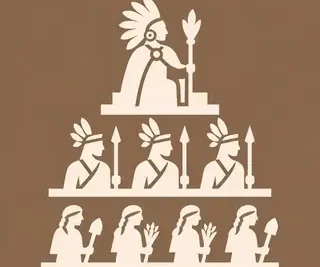
⚖️ Social Classes in Ancient Civilizations
Investigate the rigid hierarchies that structured societies like the Maya, Aztec, and Inca, from nobles and priests to commoners and slaves. Class determined access to resources, education, and justice. Explore the mechanisms of social mobility and the roles of merchants and artisans. This subcategory examines how inequality was justified and maintained through ideology and law.
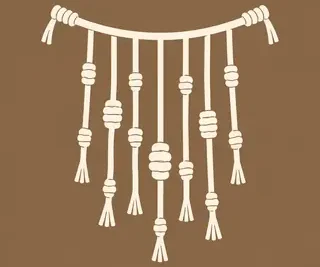
🧮 Inca Quipu System
Unravel the mysteries of the quipu, an Andean recording device using knotted cords to store numerical and possibly narrative data. Quipus were essential for census, tribute, and astronomical records. Learn about ongoing research that suggests they may encode more than numbers, perhaps even language. This subcategory showcases an alternative information technology that challenges Western notions of writing.
♻️ Sustainable Practices
Learn from Indigenous sustainability models that balanced needs with ecosystem health, such as agroforestry and terracing. Practices like crop rotation, companion planting, and seasonal hunting limits ensured long-term productivity. Explore how communal land management prevented overuse. This subcategory offers practical lessons for contemporary environmental challenges.
🌦️ Climate Impact on Societies
Examine how climate variability shaped Indigenous fates, from Maya droughts to Andean El Niño events. Societies adapted through storage, diversification, and migration, yet some collapsed under prolonged stress. Analyze the role of climate in the rise and fall of civilizations. This subcategory provides crucial historical context for current climate change discussions.
🌙 Mesoamerican Religions
Delve into the complex pantheons of Mesoamerica, where gods like Quetzalcoatl and Huitzilopochtli governed creation, war, and agriculture. Cosmology emphasized cyclical time and human sacrifice to sustain the universe. Learn about calendars, festivals, and the role of priests. This subcategory highlights the theological sophistication behind monumental architecture and ritual.
⛓️ Slavery and Servitude
Acknowledge the institution of slavery in Indigenous societies, often distinct from European chattel slavery. Captives, debtors, and criminals could serve as slaves, with paths to freedom. Explore the economic roles of slaves and their social integration, including adoption and marriage. This subcategory offers a nuanced view of a painful but necessary aspect of ancient life.
🎵 Music and Andean Instruments
Listen to the sounds of Indigenous music, from panpipes to drums, which played vital roles in rituals and daily life. Instruments like the quena and charango evolved from ancient precursors. Learn how music conveyed emotions, coordinated labor, and honored deities. This subcategory explores the acoustic heritage that still resonates in modern Andean culture.
🏺 North American Indigenous Art Forms
Appreciate the diversity of Native art, from Navajo rugs to Haida totem poles to Ojibwe beadwork. Art was functional and symbolic, serving spiritual, social, and economic purposes. Explore regional styles, materials, and techniques passed down through generations. This subcategory celebrates the creativity and resilience of Indigenous artists facing cultural change.
Frequently Asked Questions
What was the role of women in Indigenous political systems?
Women held significant power in many societies, such as the Iroquois, where clan mothers could nominate and depose chiefs. In Andean cultures, coya (queens) sometimes governed. Even in more patriarchal states like the Aztec, women managed households and markets. Their influence varied but was often more substantial than European contemporaries.
How did Indigenous peoples preserve their languages without written records?
Oral traditions were primary, using storytelling, songs, and ceremonial repetition to encode knowledge. Some cultures developed mnemonic aids like quipus or birch bark scrolls. Elders served as living libraries, and apprenticeships ensured transmission. Today, digital recording and immersion schools are essential for revival.
What was the significance of human sacrifice in Mesoamerica?
For the Aztec and Maya, sacrifice was a cosmic obligation to feed the gods, ensuring the sun’s rise and agricultural fertility. Victims were often war captives, and hearts were offered at temples. This practice was not indiscriminate but a ritualized exchange tied to creation myths and political power.
How did climate change contribute to the collapse of civilizations?
Prolonged droughts, particularly in the Maya lowlands, disrupted agriculture and trade, leading to resource conflicts and abandonment of cities. The Inca Empire also faced stress from El Niño events. However, climate alone rarely caused collapse; it combined with political instability, warfare, and environmental degradation.
Are Indigenous languages still spoken today?
Yes, hundreds remain, with Quechua, Guarani, and Nahuatl having millions of speakers. But many are critically endangered due to historical suppression. Grassroots movements and government policies now promote bilingual education and cultural revitalization, yet challenges of globalization and small speaker populations persist.